




Ford Bringing All-Electric Transit to the U.S.
Ford unveiled an all-electric version of the Ford Transit that will hit the U.S. market for the 2022 model-year.

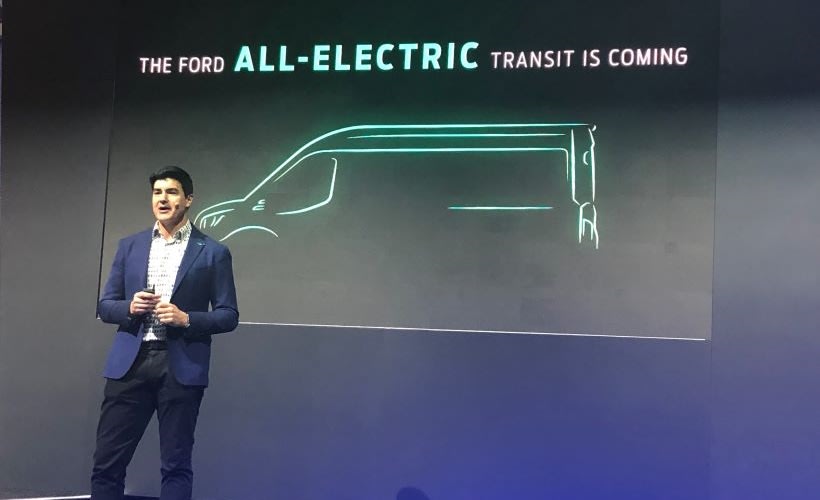
Ted Cannis, global director for electrification for Ford, announces the all-electric Transit at the 2020 Work Truck Show. The all-electric Ford Transit chassis options will include cargo van, cutaway and chassis cab, plus three roof heights and three body lengths. In addition it will include in-vehicle high-speed data architecture and cloud-based services to offer new ways to optimize fleet performance.
Photo by David Cullen.
Ford announced an all-electric version of the Ford Transit that will hit the U.S. market for the 2022 model-year at the Work Truck Show 2020, March 3, 2020. The all-electric transit will be available with a variety of chassis options and is aimed at helping businesses achieve sustainability goals and a lower cost of ownership.
The all-electric Ford Transit chassis options will include cargo van, cutaway and chassis cab, plus three roof heights and three body lengths, Ford said. Customers will also have the backing of the company’s electric vehicle-certified dealer network, more than 730 commercial vehicle centers across the U.S. and Canada, and access to Ford’s charging network – North America’s largest public charging network. The new Transit will also be available in Canada and Europe.
The all-electric Transit will also provide fleet owners with technology solutions like in-vehicle high-speed data architecture and cloud-based services to offer new ways to optimize fleet performance, according to Ford. The smart technology of the all-electric Transit will help to optimize fleet efficiency and reduce waste, as well as improve driver behavior by providing insights into operator performance.
Fleets can leverage data collected through Ford Telematics using an embedded FordPass Connect modem that features a 4G LTE Wi-Fi hotspot with connectivity for up to 10 devices. Managers can use Ford Data Services tools like live map GPS tracking, geofencing and vehicle diagnostics to see at-a-glance key performance indicators for vehicles and drivers.
“The world is heading toward electrified products and fleet customers are asking for them now,” said Jim Farley, chief operating officer, Ford Motor Company. “We know their vehicles operate as a connected mobile business and their technology needs are different than retail customers. So Ford is thinking deeply on connectivity relationships that integrate with our in-vehicle high-speed electrical architectures and cloud-based data services to provide these businesses smart vehicles beyond just the electric powertrains.”
A suite of Ford driver-assist technologies will help improve driver confidence and avoid or reduce the severity of a collision. The vehicle includes standard Pre-Collision Assist with Automatic Emergency Braking plus Pedestrian Detection, Forward Collision Warning, Post-Collision Braking, Lane-Keeping System and auto high-beam headlamps.
The all-electric Transit, which will be built in America, is part of Ford’s more than $11.5 billion investment in electrification through 2022. This vision includes the all-electric Transit sold in Europe, Mustang Mach-E coming later this year and the previously announced all-electric F-150.
Electric vehicle fleets may benefit from federal, state and local electric vehicle tax rebates, access to high-occupancy vehicle lanes and free parking, while helping cities improve air quality and reduce noise levels.
According to Ford, further details about the all-electric Ford Transit and its features will be revealed later.
Originally posted on Automotive Fleet
More Green Fleet

Fleet Forward Conference Introduces One-Day Passes for 2026
New one-day registration gives fleet professionals the flexibility to attend Tuesday, Wednesday, or Thursday, with passes available for $199 through Sept. 18.
Read More →
CALSTART Rebrands as Catalyst Mobility, Will Combine with Forth in 2027
CALSTART has rebranded as Catalyst Mobility and will combine with Forth at the start of 2027. The new organization said it is poised to become one of the world's largest, strongest, and most impactful clean transportation nonprofits.
Read More →
Electric Truck and Charging Programs to Boost Sustainability at NY & NJ Ports
Together, the Port Authority of New York and New Jersey and CALSTART will electrify drayage and terminal operations serving the East Coast’s busiest container port. A pair of incentive programs totaling $45 million has launched to accelerate adoption of zero-emission drayage trucks and terminal tractors.
Read More →
Xos Hub Surpasses One Gigawatt-Hour of Energy Delivered in the Field
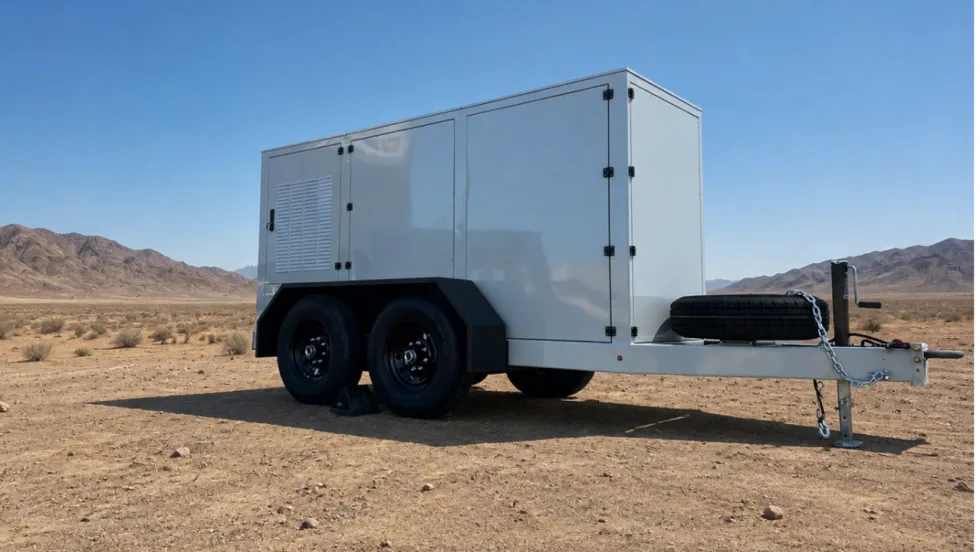
A single Xos Hub has surpassed one gigawatt-hour of energy across more than 33,600 charging sessions in the field, demonstrating performance that supports Xos' expansion across new products and markets.
Read More →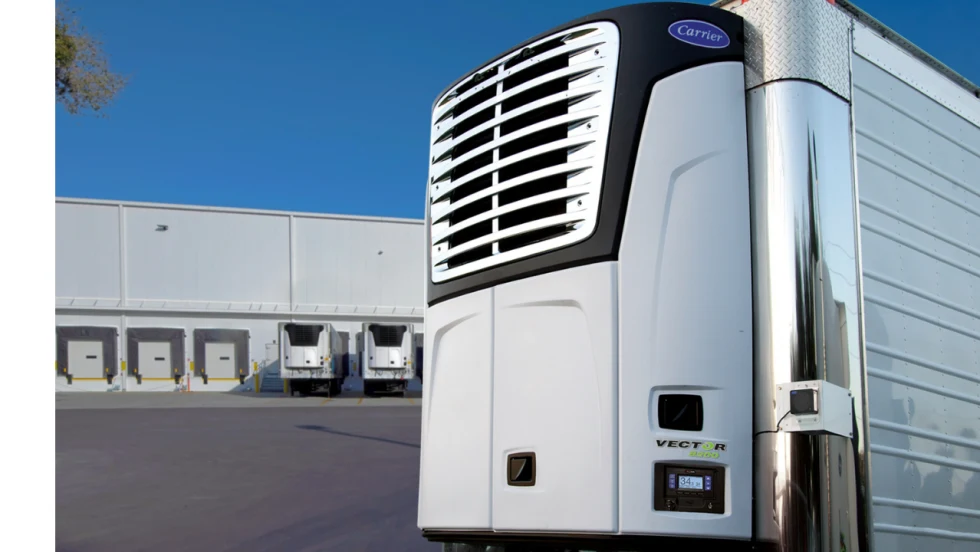
Carrier Transicold Launches All-Electric Vector 8200 TRU for Diesel-Free On-Site Cold Storage
Carrier Transicold’s first engineless multi-temperature TRU helps fresh- and frozen-food fleets add supplemental cold storage capacity during seasonal peaks.
Read More →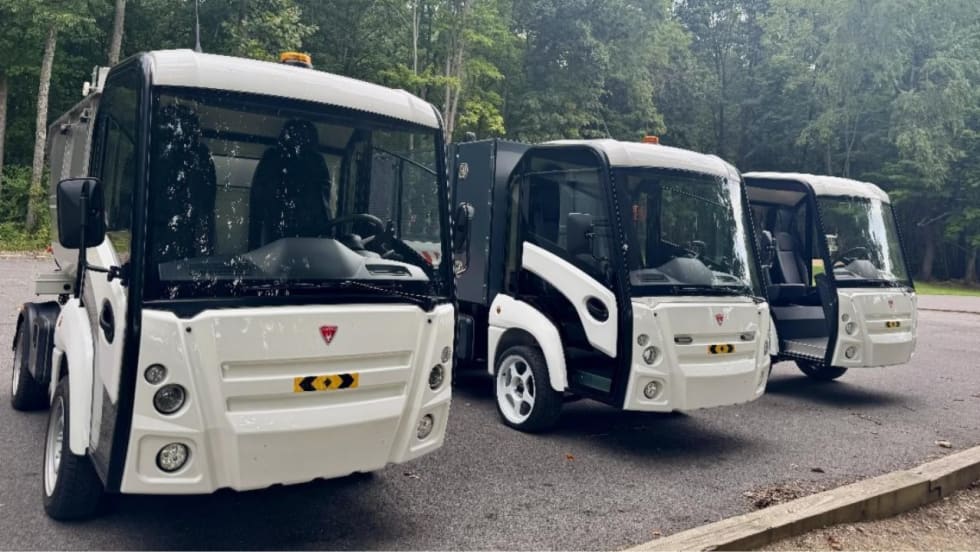
Narro Trucks Introduces Electric Utility Vehicle
Narro Trucks officially launched its operations on Aug. 20 and hosted a ride and drive to showcase its electric truck, which will be produced in Virginia.
Read More →
Samsung SDI Takes Full Control of GM Battery JV as Indiana Plant Pivots to Energy Storage
Samsung SDI is taking full control of its Indiana battery plant with GM, marking a major shift from the EV-focused joint venture Charged Fleet first covered in 2023.
Read More →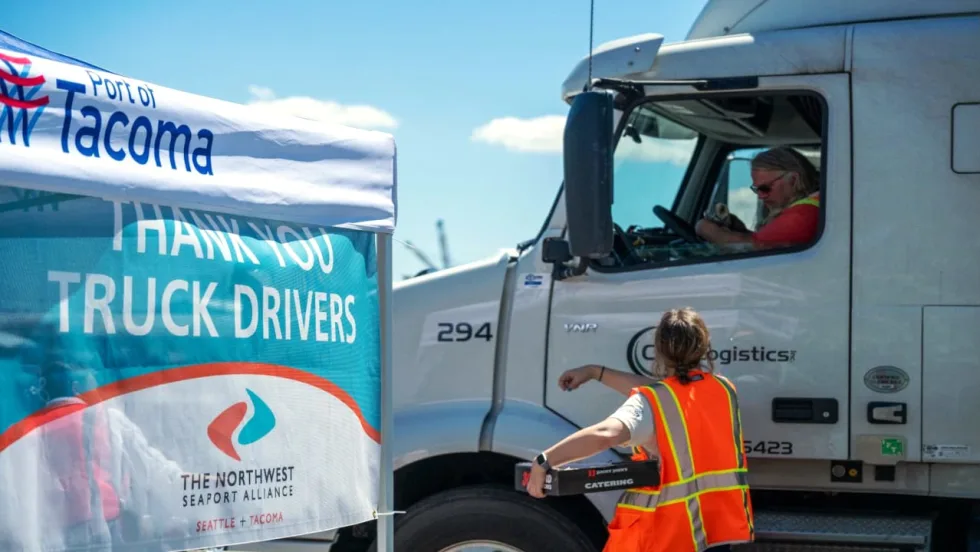
NWSA Taps CALSTART to Administer Zero-Emission Drayage Assistance Program
CALSTART will provide free technical assistance services to drayage fleets serving the Ports of Seattle and Tacoma and looking to transition to cleaner technologies and help decarbonize freight hubs.
Read More →
EV Fleet Reality Check: What Operators Wish They Knew Before Electrifying Their Work Vans
Electric work truck upfits bring new compatibility questions. Learn how parts availability, OEM guidance, power demands, and route planning can affect fleet performance.
Read More →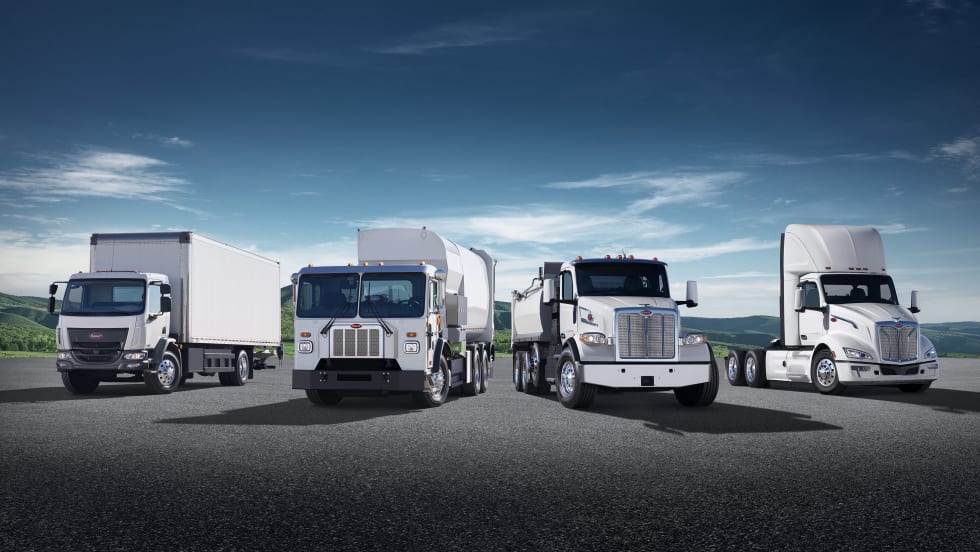
Peterbilt Expands Sourcewell Partnership with Electric Vehicle Lineup
Peterbilt Motors Company’s cooperative purchasing agreement with Sourcewell and its Canadian partner, Canoe Procurement Group, now includes including Peterbilt's battery-electric vehicle lineup.
Read More →