




Ford and Dow Team up to Cut Truck Weight
DEARBORN, MI. – While fuel economy is an important element in making fleets efficient, vehicle weight also plays an important role, particularly with work trucks that may be filled with products and equipment.
DEARBORN, MI. – While fuel economy is an important element in making fleets efficient, vehicle weight also plays an important role, particularly with work trucks that may be filled with products and equipment.
Cutting the weight of new cars and trucks by up to 750 lbs. by the end of the decade is a key component of Ford's strategy to improve fuel efficiency. In order to help achieve that goal, Ford Motor Company is partnering with Dow Automotive Systems, a business unit of The Dow Chemical Company, to research the use of advanced carbon fiber composites in high-volume vehicles.
"There are two ways to reduce energy use in vehicles: improving the conversion efficiency of fuels to motion and reducing the amount of work that powertrains need to do," said Paul Mascarenas, Ford chief technical officer and vice president, research and innovation. "Ford is tackling the conversion problem primarily through downsizing engines with EcoBoost and electrification while mass reduction and improved aerodynamics are keys to reducing the workload."
Ford is investigating a range of new materials, enhanced design processes and new manufacturing techniques that would enable automotive structures to meet increasingly stringent safety and quality standards while cutting weight.
"Vehicle weight reduction for our customers through intelligent design with a materials focus has been a priority for Dow Automotive Systems," said Florian Schattenmann, director of research and development for Dow Automotive Systems. "This partnership with Ford on carbon fiber composites is a logical next step to progress already achieved through the use of lightweight, high-strength polymers and structural bonding technology."
Carbon fiber composites have been used in aerospace and racing cars for decades due to their combination of high strength and low mass. Until recently these materials have been far too costly for use in high-volume mainstream applications, according to Ford.
Dow Automotive Systems and Ford have signed a joint development agreement that will see researchers from the two companies collaborate on several fronts. The development teams will focus on establishing an economical source of automotive-grade carbon fiber and develop component manufacturing methods for high-volume automotive applications.
The partnership will seek to combine the best of Ford's capabilities and experience in design, engineering and high-volume vehicle production with Dow Automotive's strengths in R&D, materials science and high-volume polymer processing.
"Reducing weight will benefit the efficiency of every Ford vehicle," added Mascarenas. "However, it's particularly critical to improving the range of plug-in hybrid and battery electric vehicles."
The joint development effort will also leverage work that The Dow Chemical Company has already begun through partnerships with Turkish carbon fiber manufacturer AKSA and the U.S. Department of Energy Oak Ridge National Laboratory.
If the joint development effort is successful, carbon fiber components may begin appearing on new Ford vehicles in the latter part of this decade as product development teams work toward meeting new fuel efficiency standards of more than 50 mpg and extending the range of plug-in vehicles.
More Green Fleet

Fleet Forward Conference Introduces One-Day Passes for 2026
New one-day registration gives fleet professionals the flexibility to attend Tuesday, Wednesday, or Thursday, with passes available for $199 through Sept. 18.
Read More →
CALSTART Rebrands as Catalyst Mobility, Will Combine with Forth in 2027
CALSTART has rebranded as Catalyst Mobility and will combine with Forth at the start of 2027. The new organization said it is poised to become one of the world's largest, strongest, and most impactful clean transportation nonprofits.
Read More →
Electric Truck and Charging Programs to Boost Sustainability at NY & NJ Ports
Together, the Port Authority of New York and New Jersey and CALSTART will electrify drayage and terminal operations serving the East Coast’s busiest container port. A pair of incentive programs totaling $45 million has launched to accelerate adoption of zero-emission drayage trucks and terminal tractors.
Read More →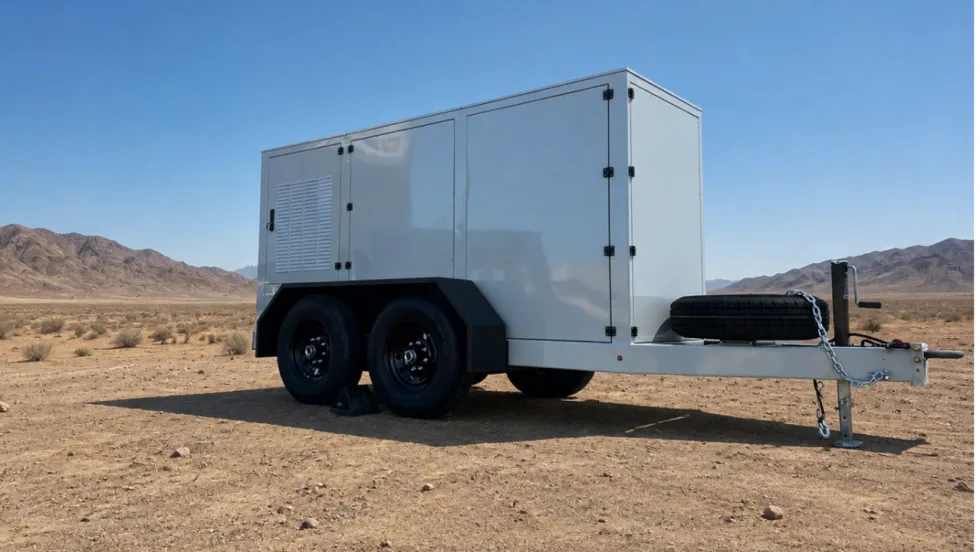
Xos Hub Surpasses One Gigawatt-Hour of Energy Delivered in the Field
A single Xos Hub has surpassed one gigawatt-hour of energy across more than 33,600 charging sessions in the field, demonstrating performance that supports Xos' expansion across new products and markets.
Read More →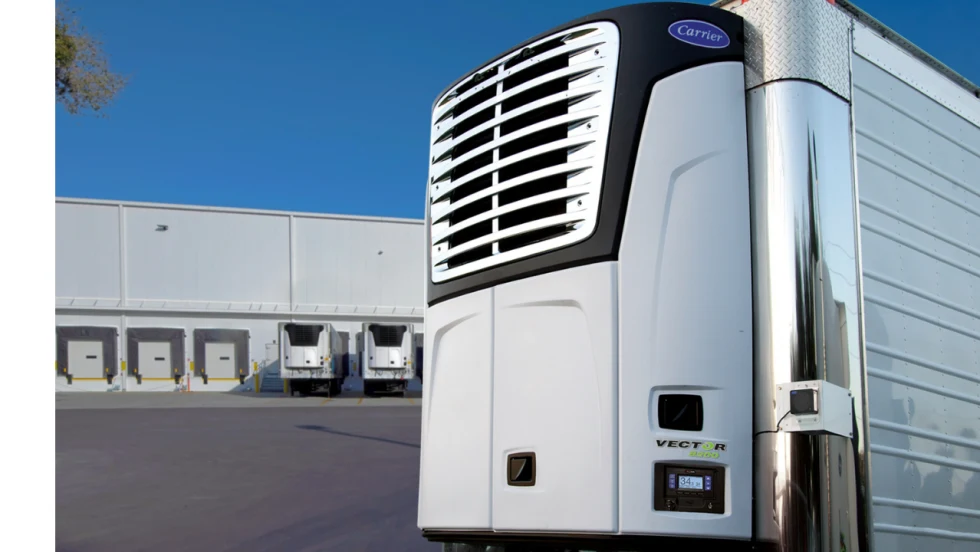
Carrier Transicold Launches All-Electric Vector 8200 TRU for Diesel-Free On-Site Cold Storage
Carrier Transicold’s first engineless multi-temperature TRU helps fresh- and frozen-food fleets add supplemental cold storage capacity during seasonal peaks.
Read More →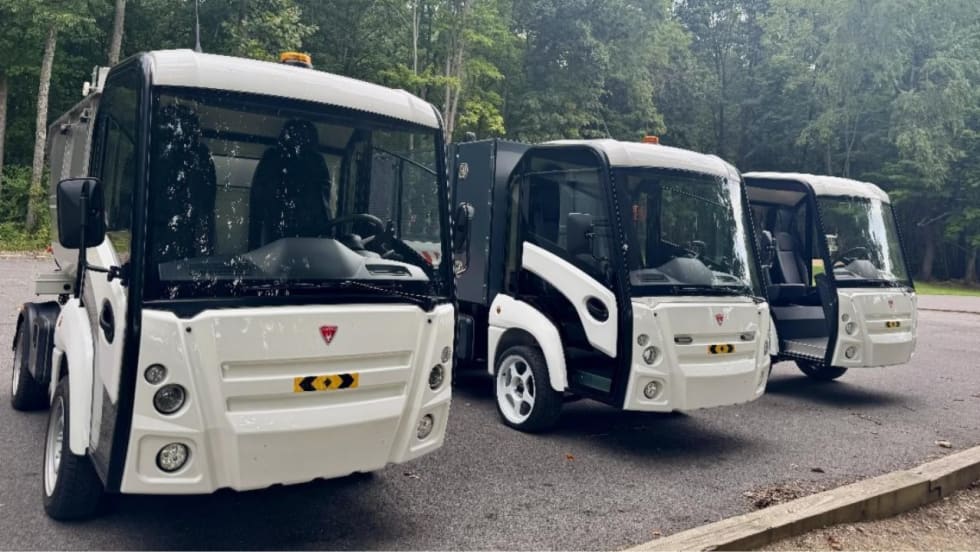
Narro Trucks Introduces Electric Utility Vehicle
Narro Trucks officially launched its operations on Aug. 20 and hosted a ride and drive to showcase its electric truck, which will be produced in Virginia.
Read More →
Samsung SDI Takes Full Control of GM Battery JV as Indiana Plant Pivots to Energy Storage
Samsung SDI is taking full control of its Indiana battery plant with GM, marking a major shift from the EV-focused joint venture Charged Fleet first covered in 2023.
Read More →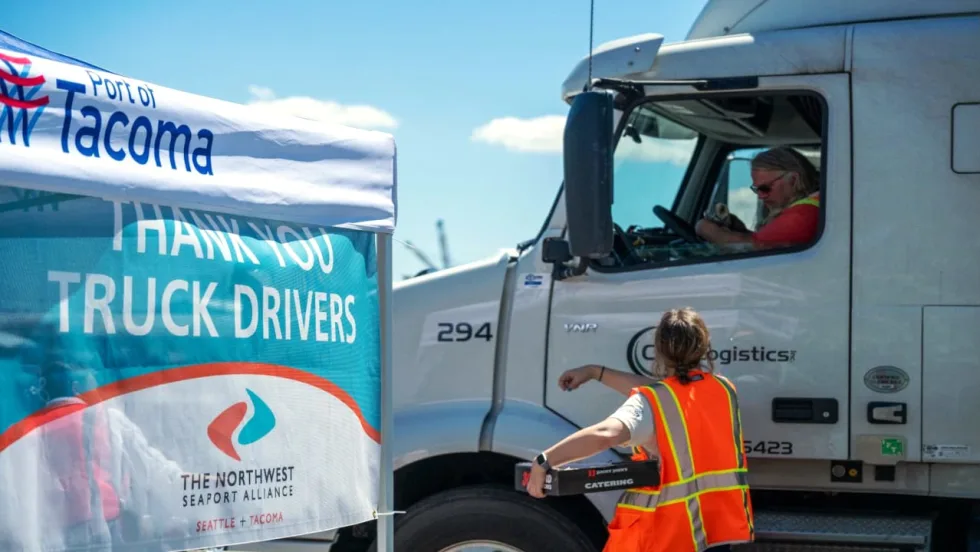
NWSA Taps CALSTART to Administer Zero-Emission Drayage Assistance Program
CALSTART will provide free technical assistance services to drayage fleets serving the Ports of Seattle and Tacoma and looking to transition to cleaner technologies and help decarbonize freight hubs.
Read More →
EV Fleet Reality Check: What Operators Wish They Knew Before Electrifying Their Work Vans
Electric work truck upfits bring new compatibility questions. Learn how parts availability, OEM guidance, power demands, and route planning can affect fleet performance.
Read More →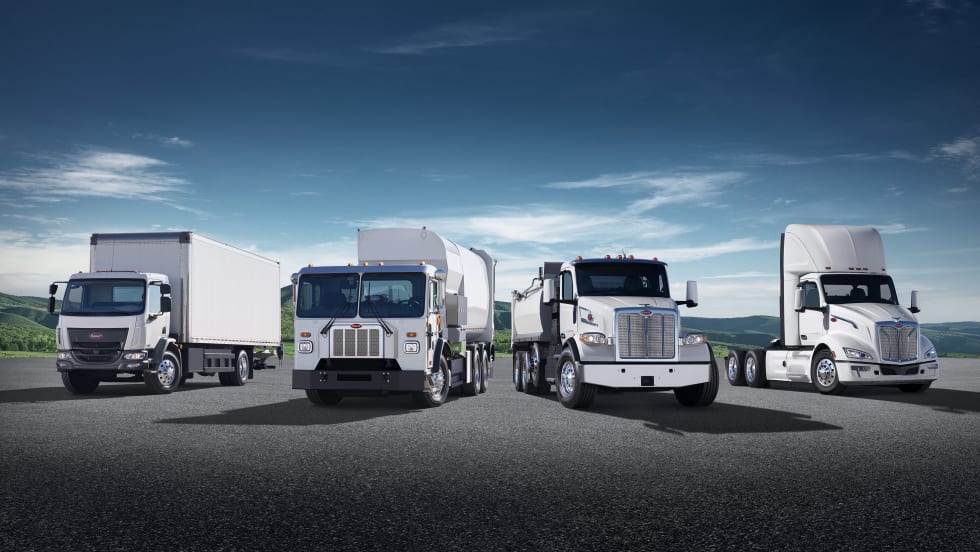
Peterbilt Expands Sourcewell Partnership with Electric Vehicle Lineup
Peterbilt Motors Company’s cooperative purchasing agreement with Sourcewell and its Canadian partner, Canoe Procurement Group, now includes including Peterbilt's battery-electric vehicle lineup.
Read More →