




Fleet Safety Video Tip: The Art of Parallel Parking
There are plenty of drivers who dread or avoid parallel parking, but it's really not that difficult to master. Here's some practical advice, provided by Liberty Mutual Insurance and All-Star Driver, you can pass along to fleet drivers.


Some drivers with years of experience still lack confidence in their ability to parallel park. In fact, a 2009 Harris Interactive online study, commissioned by Ford Motor Co., found that nearly one-third of U.S. drivers “avoid parallel parking as much as possible.” Among female drivers, 43 percent rated their parallel parking skills as “fair” or “poor.” Among male drivers, 21 percent assessed their own parallel parking as “fair” or “poor.”
Of course, some vehicles today have park assist technology and the car can park itself. But that feature certainly isn’t ubiquitous – not yet, anyway.
Fortunately, parallel parking is easier to master when the task is broken down into small, distinct steps and the driver takes time to practice in a risk-free, stress-free environment.
Liberty Mutual Insurance recommends these seven steps to parallel parking. You may want to pass along the advice to fleet drivers.
Step 1. Use your turn signal to indicate you’re parking. Make sure the space you’re aiming for is at least 6 feet longer than your car.
Step 2. Pull up beside the car in front of the space where you intend to park.
Step 3. Look over your shoulder and reverse the car slowly. As the front of your car passes the rear bumper of the car you’re parking behind, turn the steering wheel towards the curb.
Step 4. Continue backing up slowly into the space while checking your mirrors.
Step 5. Once you get your car halfway into the space, turn the steering wheel the other way.
Step. 6. Continue turning the wheel as you back up into the space. A safe distance of 1 foot from the curb is ideal.
Step 7. Straighten out the wheels and pull forward or back in the space to center your car.
To watch a video demonstrating how to parallel park, click on the photo or link below the headline. (This instructional video, produced by All-Star Driver in Connecticut, combines some of the steps but the advice is generally the same.)
Until a driver feels comfortable parallel parking, it’s a good idea to practice on an empty street using cones or boxes to represent the front and back of the other parked vehicles. An industrial park on a Saturday or Sunday might provide a good practice area.
Practice might take away the anxiety of parallel parking the next time the driver – for example – arrives just in the nick of time for a sales call, discovers all the nearby parking lots are full, and spots one sole space on the street in front of the client’s office building. At a moment like that, the practice time will seem like a good investment.
Under no circumstances, however, should fleet drivers employ the parallel parking technique demonstrated in this video. It is pretty impressive, though.
Originally posted on Automotive Fleet
More Safety & Compliance
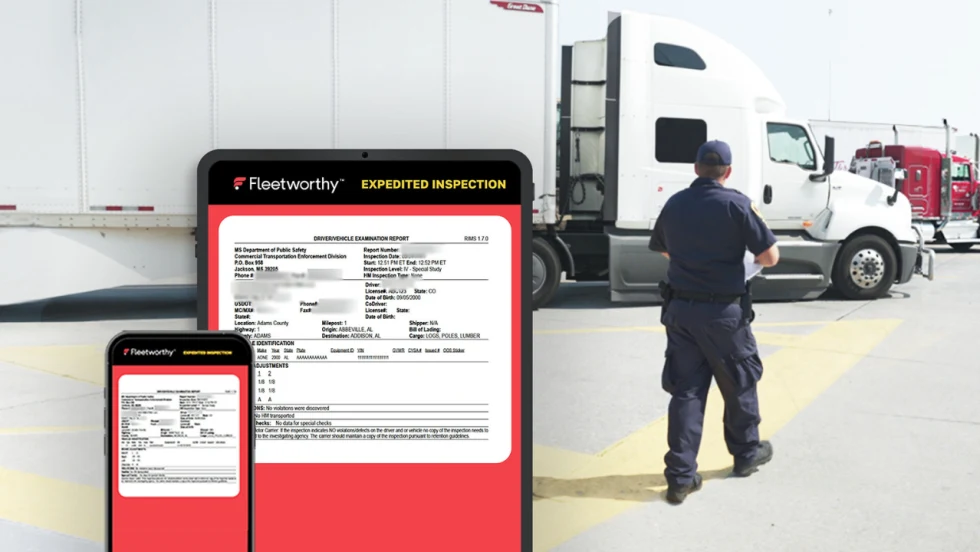
Fleetworthy Expands Expedited Inspection to 5 States
Following its industry-first launch in Nevada, Fleetworthy’s automated inspection technology is now live in California, Michigan, Vermont, and Maine.
Read More →
Crossing State Lines in a Light-Duty Work Truck? Check These Rules First
Crossing state lines in a lighter work truck? J.J. Keller's Kathy Close explains when IRP registration, trip permits, and towing rules come into play.
Read More →
GeoFencing Adds to Your Truck Security Arsenal
Geofencing is a familiar fleet tool today, but its early adoption marked a major shift in vehicle tracking, route monitoring, and the debate over employee privacy.
Read More →From Our Partners


Recalls You Need to Know About in October 2026
In October 2026, what recalls might impact your fleet? Work Truck has the answers in this comprehensive overview of recent NHTSA recalls.
Read More →
Construction Fleets Show Telematics Adoption Alone May Not Reduce Driving Risk
SambaSafety found construction fleets monitor roughly 92% of their vehicles but recorded the highest severe speeding rate among industries studied.
Read More →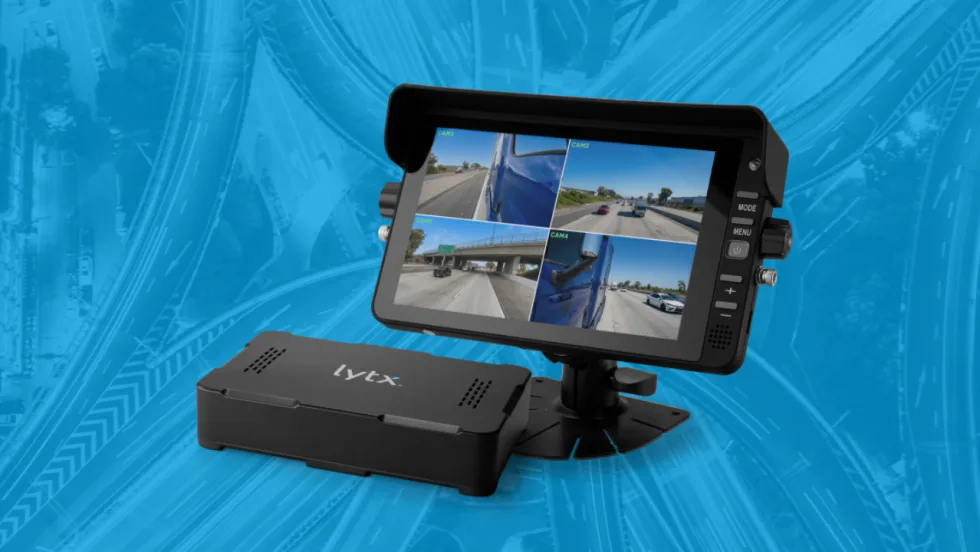
Lytx Launches 360 Hub Kit for Expanded Fleet Camera Visibility
Lytx’s new AI-ready gateway and HD auxiliary camera ecosystem, the Lytx 360 Hub Kit, extends visibility across side, rear, cargo, and blind-zone views to help fleets see more and respond faster.
Read More →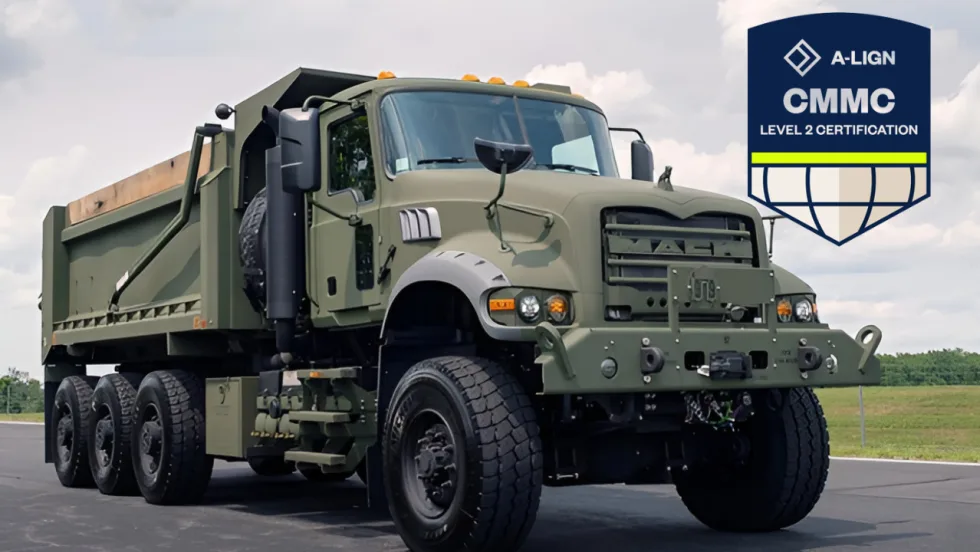
Mack Defense Achieves Cybersecurity Maturity Model Certification Level 2
After an assessment conducted by an authorized Certified Third-Party Assessment Organization (C3PAO), Mack Defense has achieved Cybersecurity Maturity Model Certification (CMMC) Level 2.
Read More →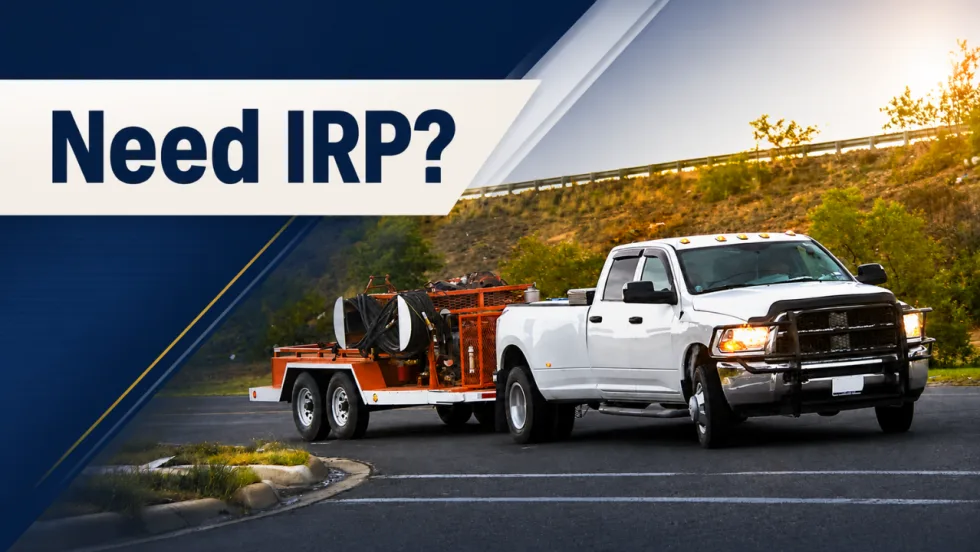
When Work Trucks Under 26,001 Pounds Need IRP Registration
Think trucks under 26,001 pounds are automatically in the clear when it comes to IRP? Not always. Learn where lighter vehicles can still run into trip permit, apportioned registration, and IFTA compliance requirements when crossing state or provincial lines.
Read More →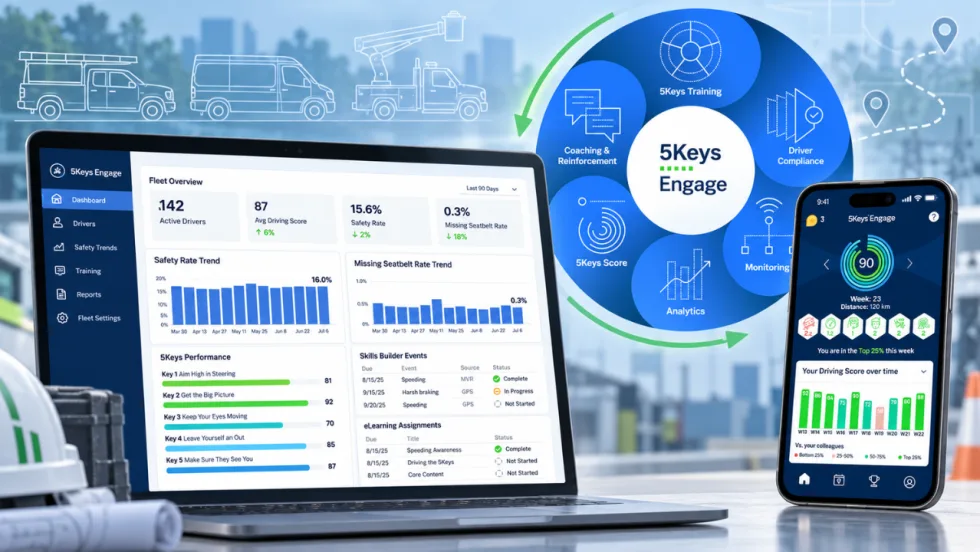
Smith System Wants Work Truck Fleets to Look Beyond the Driver Alert
Smith System’s new Driver Risk Management program is built to help mixed work truck fleets turn telematics alerts and observations into specific behaviors, coaching actions, and measurable follow-up.
Read More →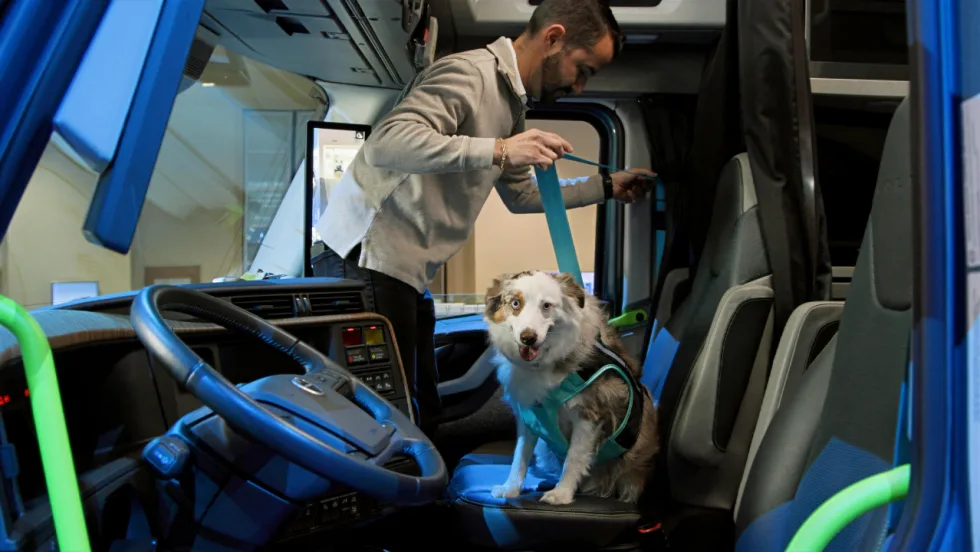
Volvo Trucks Releases New Safety Recommendations for Traveling with Pets
One of the most important recommendations for professional drivers traveling with pets is to ensure pets are properly restrained while the truck is moving. Other tips are available in the new guide from Volvo Trucks North America and Center for Pet Safety.
Read More →