




Fleet Safety Video Tip: Driving at Dusk and Night
With the days getting noticeably shorter, now is a great time to remind fleet drivers of the dangers associated with night driving. Here's some advice on how to minimize these hazards.
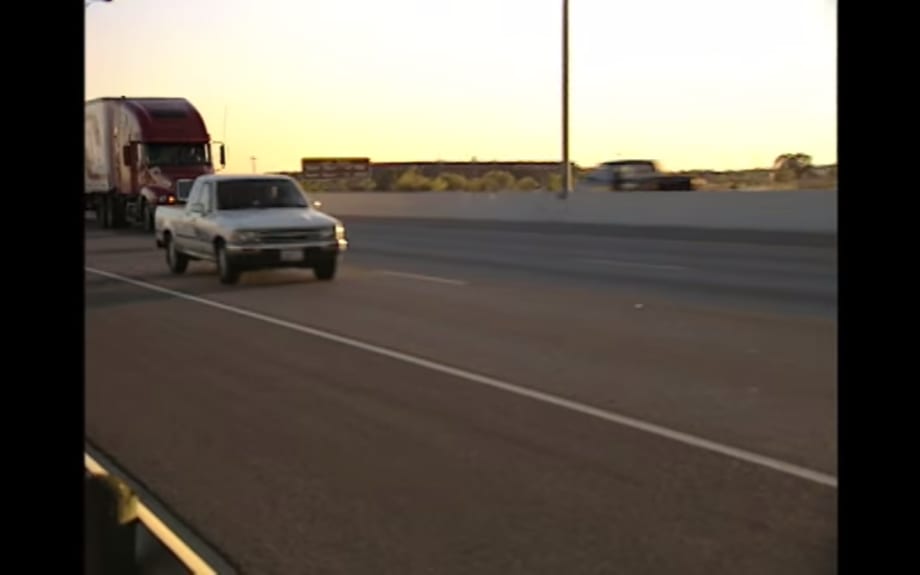
The days are getting shorter, and that means fleet drivers are spending more time operating vehicles at night. Unfortunately, driving at night poses more safety hazards than driving during daylight hours.
According to the National Safety Council, traffic death rates are three times greater at night compared to the day. That’s largely because drivers can’t see their environment as well, plus they are more likely to be fatigued at night.
The vision of older drivers is even more compromised during night hours. A 50-year-old driver, for example, may need twice as much light to see as well as a 30-year-old driver.
Additionally, there are more impaired drivers on the road at night than during the day, particularly on weekends.
Fortunately, fleet drivers can take several measures to minimize dangers associated with night driving. To view a video on night driving, produced by DefensiveDriving.com, click on the photo or link above.
The National Safety Council recommends that motorists observe night driving safety as soon as the sun starts going down. Twilight is one of the most difficult times to drive, because the driver's eyes are continually adapting to the growing darkness. Also, the sinking sun is more likely in the driver's direct field of vision.
Here are more NSC safety tips you can pass along to fleet drivers as a friendly reminder:
Prepare your car for night driving. Clean headlights, taillights, signal lights and windows (inside and out) once a week – more often if necessary.
Have your headlights properly aimed. Misaimed headlights blind other drivers and reduce your ability to see the road.
Don't drink and drive. Not only does alcohol severely impair your driving ability, it also acts as a depressant. Just one drink can induce fatigue.
Avoid smoking when you drive. Smoke's nicotine and carbon monoxide hamper night vision.
If there is any doubt, turn your headlights on. Lights will not help you see better in early twilight, but they'll make it easier for other drivers to see you. Being seen is as important as seeing.
Reduce your speed and increase your following distances. It's more difficult to judge other vehicles' speeds and distances at night.
Don't overdrive your headlights. You should be able to stop inside the illuminated area. If you can't, you are creating a blind crash area in front of your vehicle.
When following another vehicle, keep your headlights on low beams so you don't blind the driver ahead of you.
If an oncoming vehicle doesn't lower beams from high to low, avoid glare by watching the right edge of the road and using it as a steering guide.
Make frequent stops for light snacks and exercise on long trips. If you're too tired to drive, stop and get some rest.
If you have car trouble, pull off the road as far as possible. Warn approaching traffic at once by setting up reflecting triangles near your vehicle and 300 feet behind it. Turn on flashers and the dome light. Stay off the roadway and get passengers away from the area.
Originally posted on Automotive Fleet
More Safety & Compliance
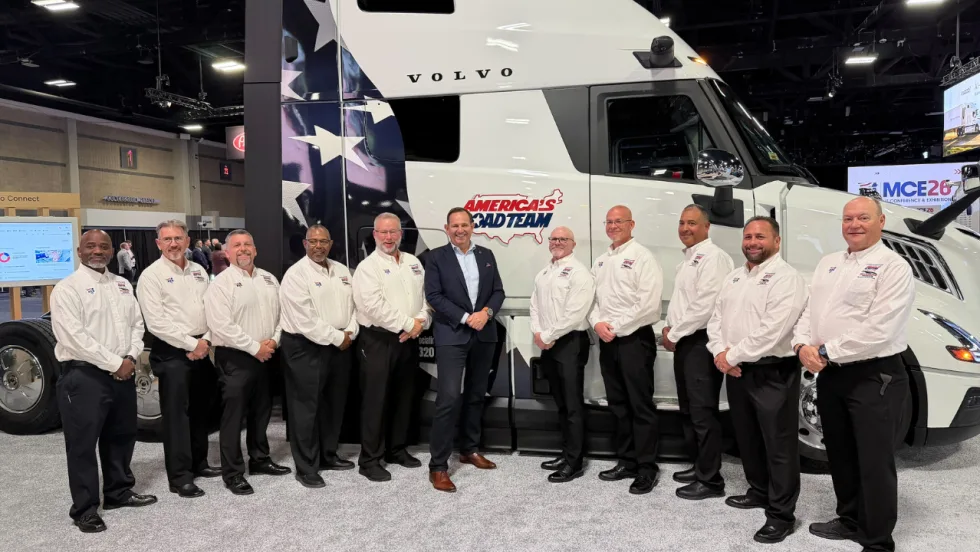
Volvo Trucks Marks 25 Years as Exclusive Sponsor of America's Road Team
Volvo Trucks North America will serve as the exclusive sponsor of the American Trucking Associations' America's Road Team, marking 25 years of Volvo sponsorship. The group of professional drivers promotes safety and the industry as they travel the country.
Read More →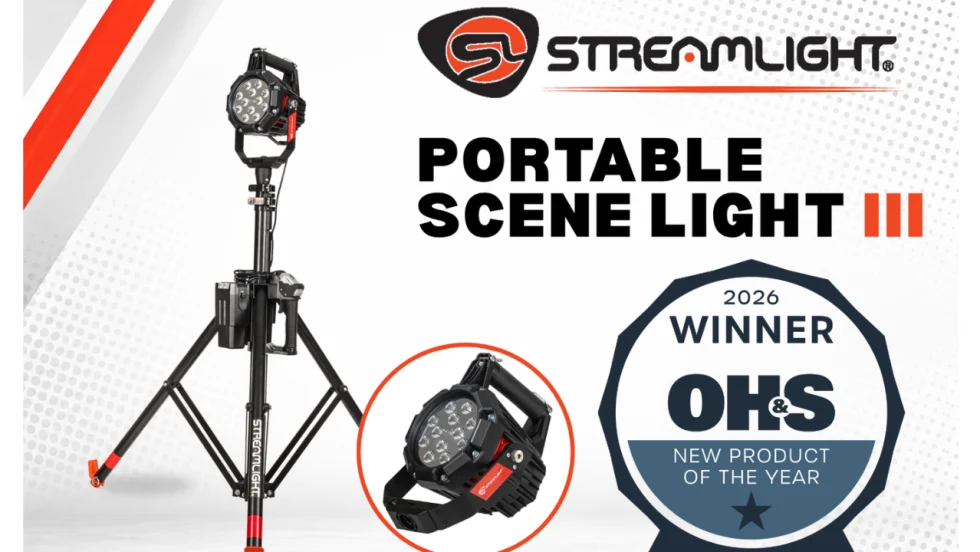
Streamlight’s High-Output Scene Light Recognized with Occupational Safety Award
Streamlight’s Portable Scene Light III (PSL III) won the 2026 Occupational Health & Safety (OH&S) New Product of the Year Award in the Lighting category.
Read More →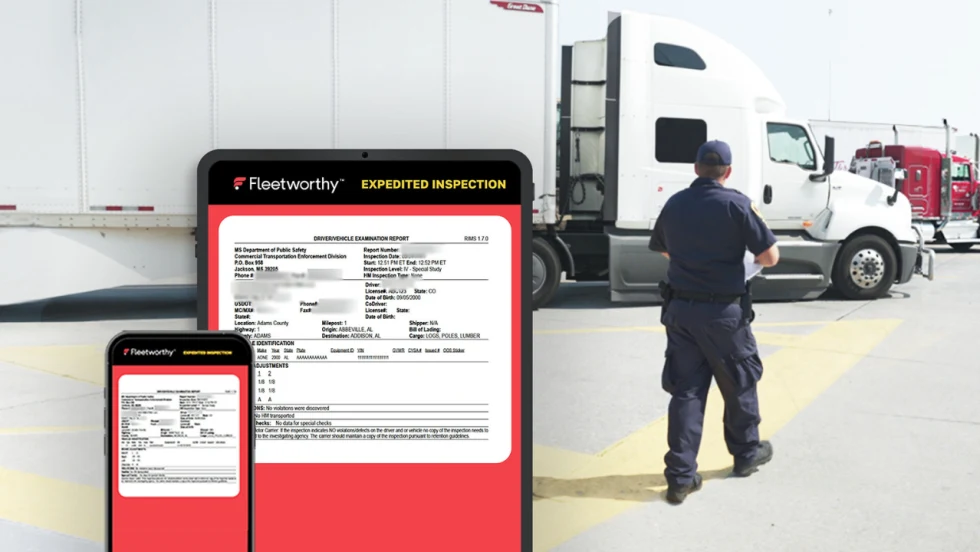
Fleetworthy Expands Expedited Inspection to 5 States
Following its industry-first launch in Nevada, Fleetworthy’s automated inspection technology is now live in California, Michigan, Vermont, and Maine.
Read More →From Our Partners


Crossing State Lines in a Light-Duty Work Truck? Check These Rules First
Crossing state lines in a lighter work truck? J.J. Keller's Kathy Close explains when IRP registration, trip permits, and towing rules come into play.
Read More →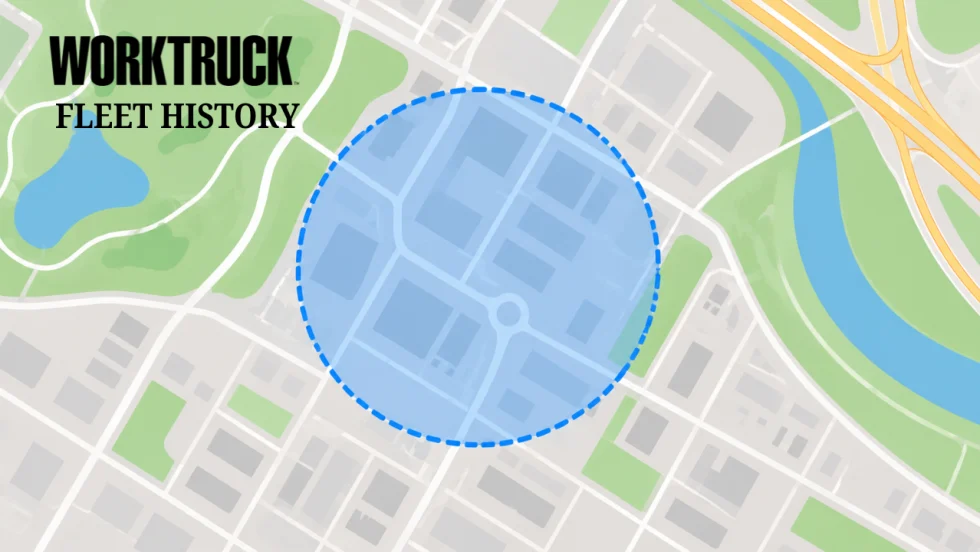
GeoFencing Adds to Your Truck Security Arsenal
Geofencing is a familiar fleet tool today, but its early adoption marked a major shift in vehicle tracking, route monitoring, and the debate over employee privacy.
Read More →
Recalls You Need to Know About in October 2026
In October 2026, what recalls might impact your fleet? Work Truck has the answers in this comprehensive overview of recent NHTSA recalls.
Read More →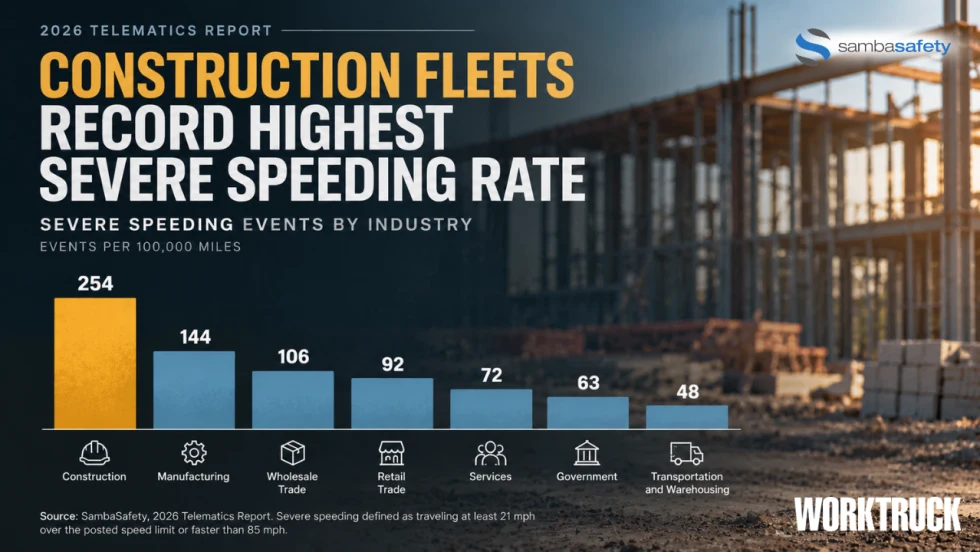
Construction Fleets Show Telematics Adoption Alone May Not Reduce Driving Risk
SambaSafety found construction fleets monitor roughly 92% of their vehicles but recorded the highest severe speeding rate among industries studied.
Read More →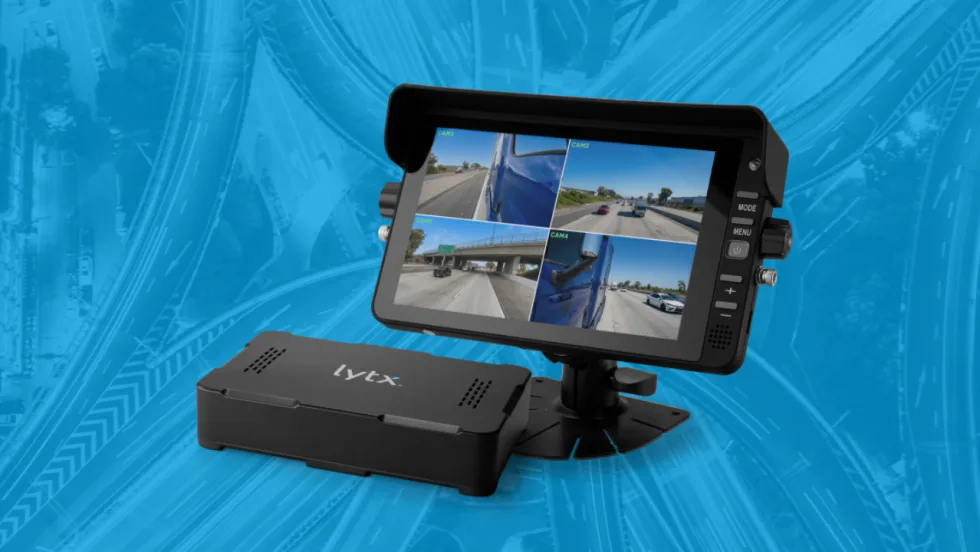
Lytx Launches 360 Hub Kit for Expanded Fleet Camera Visibility
Lytx’s new AI-ready gateway and HD auxiliary camera ecosystem, the Lytx 360 Hub Kit, extends visibility across side, rear, cargo, and blind-zone views to help fleets see more and respond faster.
Read More →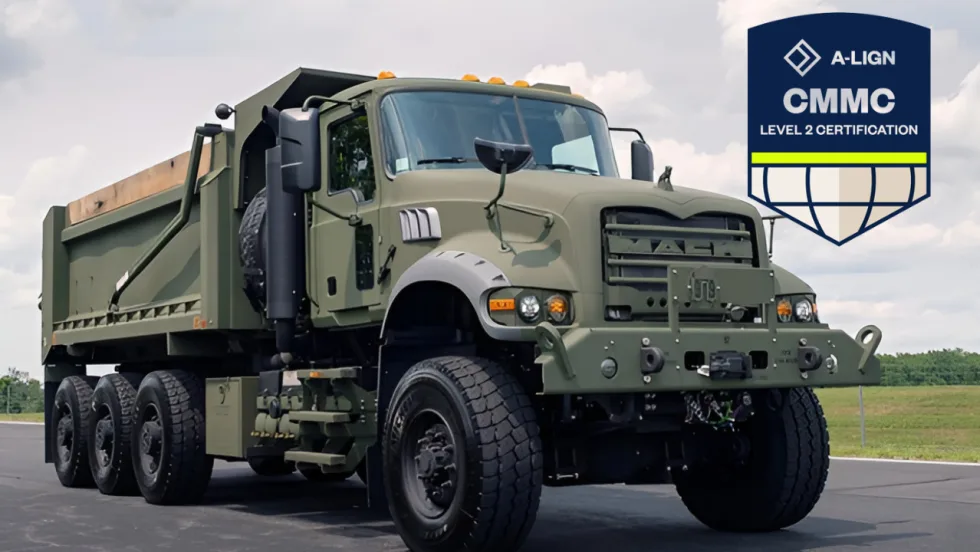
Mack Defense Achieves Cybersecurity Maturity Model Certification Level 2
After an assessment conducted by an authorized Certified Third-Party Assessment Organization (C3PAO), Mack Defense has achieved Cybersecurity Maturity Model Certification (CMMC) Level 2.
Read More →
When Work Trucks Under 26,001 Pounds Need IRP Registration
Think trucks under 26,001 pounds are automatically in the clear when it comes to IRP? Not always. Learn where lighter vehicles can still run into trip permit, apportioned registration, and IFTA compliance requirements when crossing state or provincial lines.
Read More →