




Feds Validate Cybersecurity of Geotab Device
Geotab's plug-in, connected telematics device has received validation under a federal cryptography standard that requires it to meet four levels of security to protect the transfer of data from the vehicle module, the telematics provider announced.

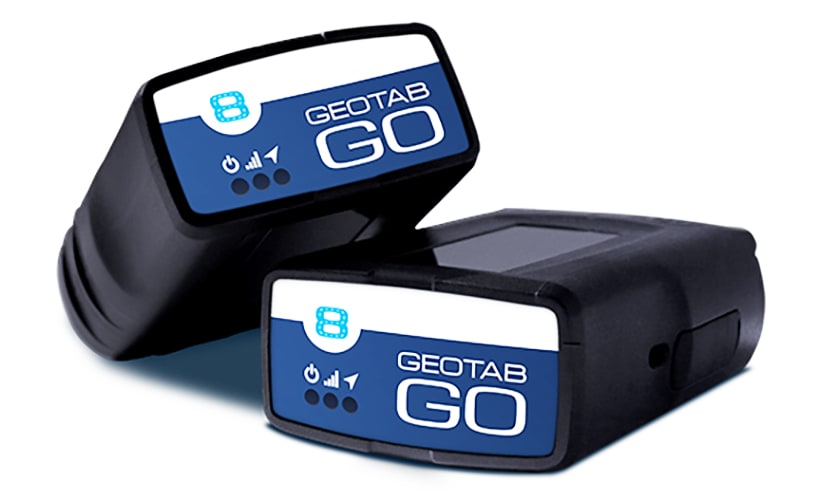
Geotab's GO8 connected telematics device has gained validation under a federal cybersecurity standard.
Photo courtesy of Geotab.
Geotab's plug-in, connected telematics device has received validation under a federal cryptography standard that requires it to meet four levels of security to protect the transfer of data from the vehicle module, the telematics provider announced.
The GO device, which plugs into a vehicle's onboard diagnostics port (OBD-II), has met the requirements of a federal information processing standard (FIPS-140-2). The Toronto-area telematics provider manages the entire technology stack from the in-vehicle hardware and embedded firmware used to encrypt the data to the server-side hosting and software applications.
Geotab also uses third-party penetration testers and services from accredited cybersecurity laboratories to identify vulnerabilities, according to the company.
"Rigorous organizational data security measures are embedded in each solution through meticulous data collection, transmission and storage encryption that meet industry best practices in cybersecurity," said Jean Pilon-Bignell, associate vice president of government and smart city.
The FIPS-140-2 standard is maintained by the National Institute of Standards and Technology.
Originally posted on Automotive Fleet
More Technology
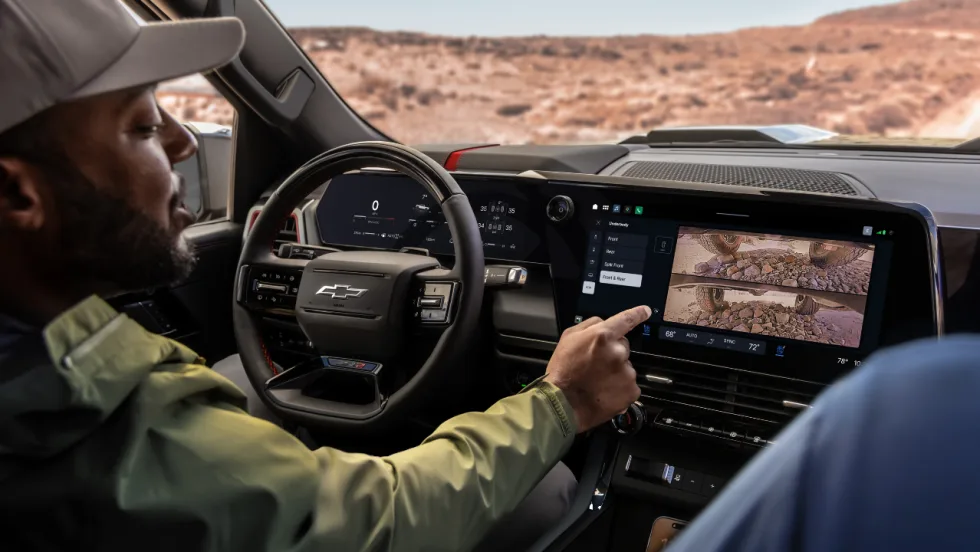
GM Brings New Truck Focused Interface to 2027 Silverado and Sierra
GM's new pickup interface puts trailering data, camera views, vehicle controls, and smartphone integration closer to the driver in the 2027 Silverado and Sierra.
Read More →
Samsara Driver Perks Expands Rewards Beyond the Long Haul Driver
Samsara’s new driver rewards program was built with a broader professional driver in mind, including employees who split their day between driving, job sites, service calls, and other work.
Read More →
AI Service Advisor Aims to Cut Fleet Repair Downtime
Fleetio said its AI Service Advisor can help fleets cut repair downtime by an average of 2.5 hours per repair while reducing manual maintenance work.
Read More →
Verra Mobility Launches AI-Driven Title & Registration Solution
Verra Mobility has launched a new AI-driven Title & Registration platform to help fleets move vehicles from acquisition to the road the same day while reducing compliance risk.
Read More →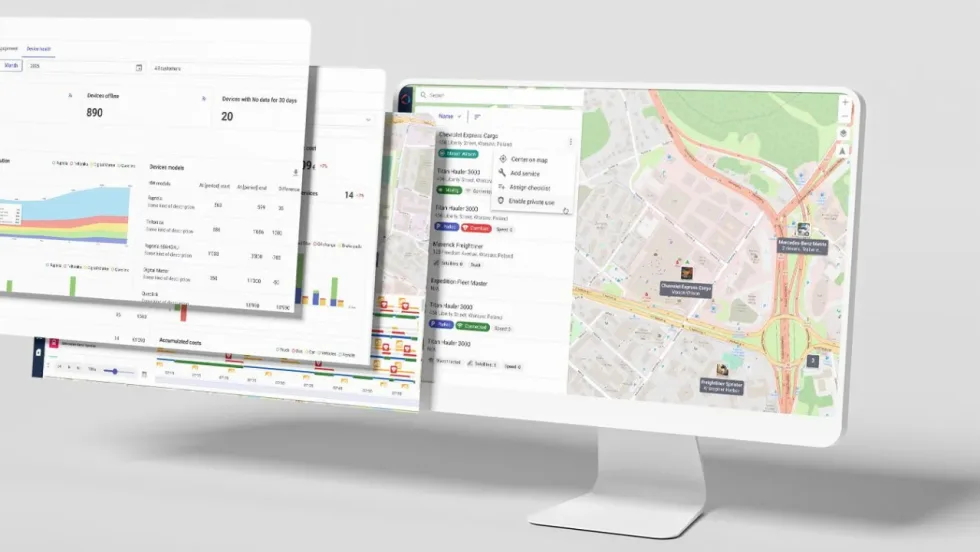
Wialon Unlocks OEM Data to Give Fleet Owners Data Ownership & Operational Clarity
Wialon has introduced hardware-free OEM integration as the EU Data Act accelerates the shift in vehicle data access across the fleet industry in many countries.
Read More →
Teletrac Navman Promotes New CEO from Within
Teletrac Navman’s next CEO, Ricardo Buranello, has served as the company’s chief financial and operating officer. He brings deep financial and operational expertise, a strong strategic orientation, and an intimate knowledge of the business to his new role.
Read More →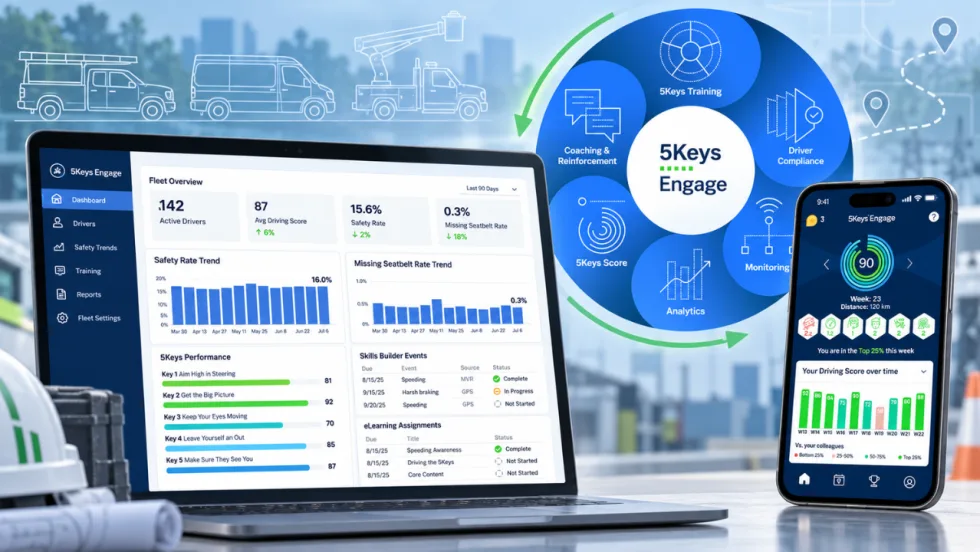
Smith System Wants Work Truck Fleets to Look Beyond the Driver Alert
Smith System’s new Driver Risk Management program is built to help mixed work truck fleets turn telematics alerts and observations into specific behaviors, coaching actions, and measurable follow-up.
Read More →
Ford Pro Software Updates: August 26
Check out the latest Ford Pro software updates, including Google Maps integration, Remote Vehicle Alarm integration, Motor Pool for easier management of shared pool vehicles, and more.
Read More →
Where AI Is Actually Saving Fleet Managers Time
AI is moving past the buzzword stage and into the daily fleet workflow. Fleetio’s Brianna Perry Lang breaks down where fleets are seeing real time savings, from maintenance and data entry to repair decisions, safety, and compliance
Read More →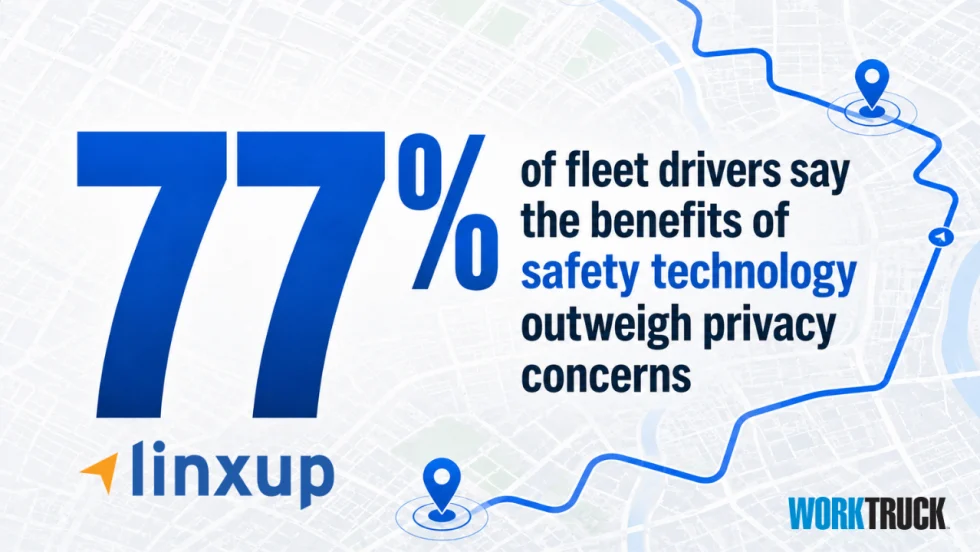
Are Work Truck Drivers Warming Up to Dash Cams and GPS Tracking?
A new survey finds field-service drivers may be more comfortable with dash cams and GPS tracking than fleet managers think, especially when the technology helps protect them after a crash.
Read More →