




Related: Google to Test Self-Driving Chrysler Pacifica Minivans
FCA-Google Deal Must Overcome Acceptance, Legal Hurdles
Fiat Chrysler Automobiles' agreement with Google to test self-driving technology in the 2017 Chrysler Pacifica minivan may pave the way for greater acceptance of autonomous driving if the companies can get past legal barriers, fleet industry sources said.

Paul Clinton・Former Senior Web Editor
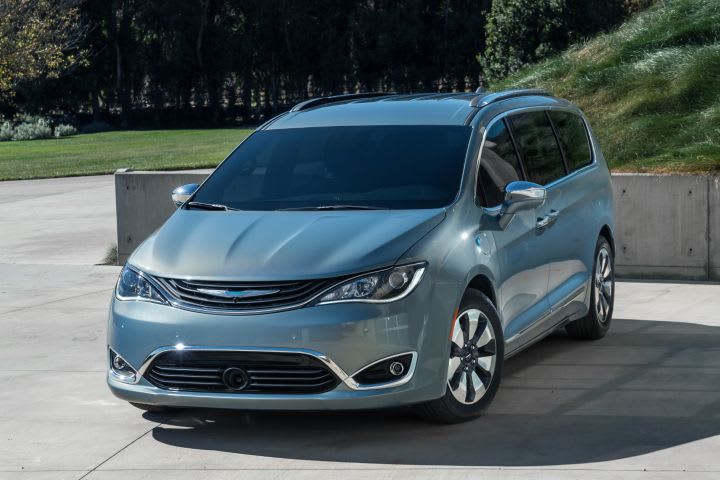
Photo of 2017 Chrysler Pacifica Hybrid courtesy of FCA.
2 min to read
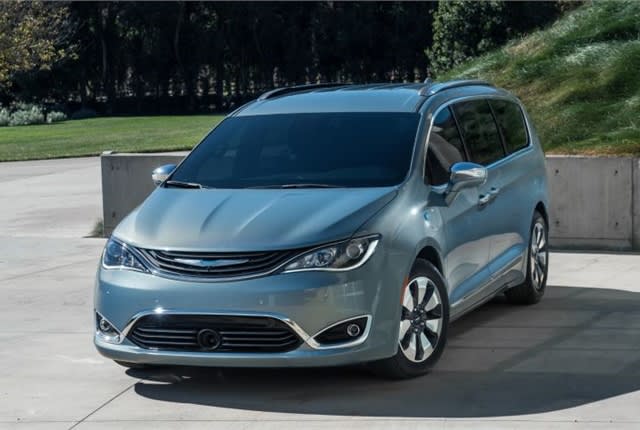
Photo of 2017 Chrysler Pacifica Hybrid courtesy of FCA.
Fiat Chrysler Automobiles' agreement with Google to test self-driving technology in the 2017 Chrysler Pacifica minivan may pave the way for greater acceptance of autonomous driving if the companies can get past legal barriers, fleet industry sources said.
Autonomous driving technology must gain greater public acceptance and surmount legal and insurance related questions, but its deployment into a mainstream vehicle such as an FCA minivan is a step forward, said Doug Peters, advanced analytics product leader at Element Fleet Management.
"There are at least two big hurdles for the autonomous vehicle initiative," Peters said. "The first is adoption or acceptance of autonomous driving from the passenger (formerly the driver). These types of OEM partnerships are very exciting and help with acceptance and adoption by bringing the technology to existing passenger platforms such as the Pacifica. The second hurdle is the legal and insurance related questions of autonomous driving. I believe that second hurdle may take longer than driver acceptance."
The partnership represents an incremental step toward fully autonomous vehicles that takes a back seat to other near-term safety initiatives from automakers, said Bob Glose, CEI's vice president of operations and enterprise resources.
"Google’s cooperation with a major auto maker in the testing and development of a self-driving car is what you would expect in what is going to be a very long process to prove whether it can be a safe and viable alternative," Glose said. "There are a lot of questions and open issues, and not all of them are technological. So I don’t see autonomous vehicles entering fleets any time in the near future. What’s coming a lot sooner is fleet adoption of forward crash avoidance systems. Twenty OEMs are going to make them standard equipment by 2022. Self-driving cars in fleets are much farther away than that."
Under the partnership, FCA engineers will integrate Google's self-driving technology into 100 Pacifica Hybrid minivans that will be added to Google's test fleet.
The choice of the Pacifica is likely the result of the size requirements for Google's self-driving technology.
"Lidar, radar, and lots of compute power will need to be incorporated into the vehicle," Peters said. "Most of these technologies have shrunk significantly over the years, but I can imagine the Chrysler engineers feeling more confident incorporating these technologies into a larger platform like the Pacifica."
Peters sees possibilities for forward-looking delivery fleets.
"From a fleet manager perspective I think there will be an opportunity for leading edge fleets to pilot these vehicles, possibly in some 'milk-route' type delivery fleets," Peters said.
Originally posted on Automotive Fleet
More Safety & Compliance
When Work Trucks Under 26,001 Pounds Need IRP Registration
Think trucks under 26,001 pounds are automatically in the clear when it comes to IRP? Not always. Learn where lighter vehicles can still run into trip permit, apportioned registration, and IFTA compliance requirements when crossing state or provincial lines.
Read More →
Volvo Trucks Releases New Safety Recommendations for Traveling with Pets
One of the most important recommendations for professional drivers traveling with pets is to ensure pets are properly restrained while the truck is moving. Other tips are available in the new guide from Volvo Trucks North America and Center for Pet Safety.
Read More →
API Issues Refueling Safety Guidelines
The American Petroleum Institute offers a list of safe vehicle refueling guidelines, including ways to avoid potential problems with static electricity discharges in fall, winter, and early spring.
Read More →

Winter Fleet Prep: Expert Tips to Keep Vehicles Running Smoothly
Cold weather can expose weak batteries, tires, fuel systems, and maintenance gaps fast. Use this winter fleet checklist to prepare trucks and drivers before temperatures drop.
Read More →
When a Work Truck Breaks Down, the Job Can Stop, Too
A work truck breakdown can stop more than the vehicle. Discover how payloads, jobsites, and specialty equipment change the roadside response.
Read More →
What Stronger Long-Term Fleet Service Partnerships Actually Require
Fleet service partnerships rarely fall apart all at once. Learn the three warning signs that trust is eroding and what fleets and providers can do before downtime, frustration, and lost revenue follow.
Read More →
Applause & TRUCE Software Partner to Improve Driver Safety Through AI-Powered Telematics & Employee Performance Management
Applause has integrated TRUCE driving metrics directly into its employee-first performance and safety platform that transforms mobile devices into AI-powered telematics.
Read More →
How Detroit Assurance with Active Brake Assist Works
Do you want to see what it is like to experience Detroit Assurance’s Active Brake Assist? In this video, Work Truck will put you in the cab to see how it all works and then hear more details from DTNA’s Mike Young.
Read More →
Get Left of Loss: A 5-Step Workplace Violence Prevention Framework for Fleet Operators
Violence risks do not stop at the driver’s door. Learn five practical steps fleets can take to spot threats early and protect workers before loss occurs.
Read More →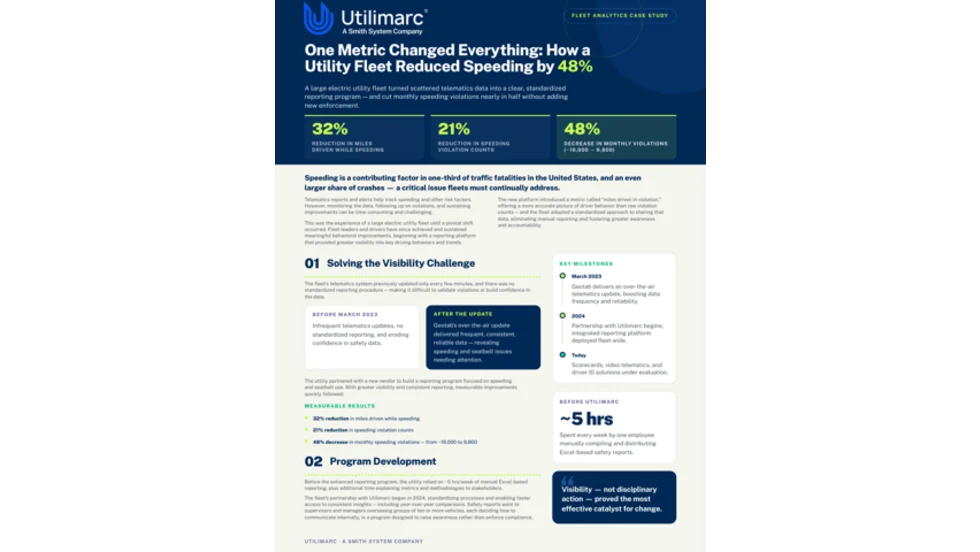
How Better Visibility Cut Speeding Violations by 48%
Fleet leaders don't need more data, they need clearer visibility into what the data is saying. This case study explores how one utility replaced speeding-event counts with a single metric — miles driven in violation — to strengthen safety and significantly reduce speeding violations.
Read More →