





EV Battery Solutions: Troubleshooting Batteries & End-Of-Life Recycling
EV Battery Recycling: Unlocking the Potential of Black Mass
What is black mass, how is it created, and what role will it play in the production of new EV batteries? Cox Automotive shares the answers and what it has achieved by recycling batteries to produce high-quality black mass.
September 9, 2024
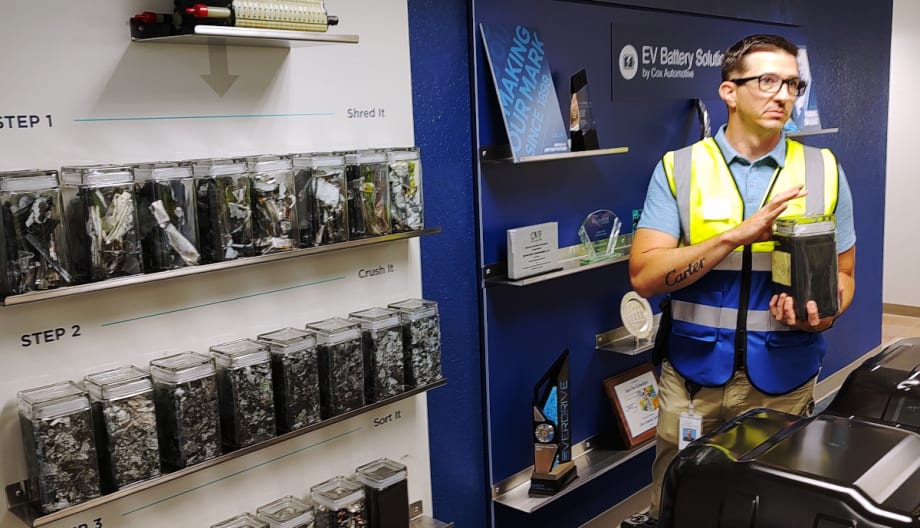
Tim Harris, director of operations for EV Battery Solutions by Cox Automotive, holds a container of black mass while explaining how EV batteries are recycled at the facility in Oklahoma City, Oklahoma.
Photo: Wayne Parham
7 min to read
As the world becomes increasingly dependent on electric vehicles and other devices powered by lithium-ion batteries, understanding how to recycle these batteries is paramount. Thus enters 'black mass,' a byproduct of recycling exhausted lithium-ion batteries and a treasure trove of valuable metals such as cobalt, lithium, nickel, and manganese.
EV Battery Solutions by Cox Automotive is one of North America's largest producers of EV black mass, is leading the charge for EV sustainability and resource conservation.
Cox Automotive is a zero-waste EV battery recycling operation, ensuring every component, from precious metals like cobalt to minor plastic separators, is reused. Through shredding and eco-friendly dry-recycling, the company transforms end-of-life batteries into black mass, a key component for new batteries, facilitating the seamless extraction and reincorporation of these vital elements into fresh battery units.
What is Black Mass?
At the heart of the recycling process lies black mass, which, as Brian Skalovsky, director of battery recycling for Cox Automotive, explained, is a composite of nickel, manganese, cobalt, and other materials. Embedded within are trace amounts of carbon, aluminum, and copper.
It looks like a rough black powder with small silver specks sprinkled throughout. The beauty of black mass is that these precious elements can be meticulously extracted, processed, and reincorporated into new battery units.
The Source of Recycled Batteries
So, where are the batteries used to create black mass coming from?
Most batteries being recycled come from recalls. While some recyclers purchase old or damaged batteries directly, OEMs supply many for processing. These batteries, not fit for their original purpose, find a new life through recycling.
The black mass generated from these recycled batteries is sold to a battery manufacturer or, in some cases, returned to the OEM.
The Purity of the Black Mass
Not all black mass is created equal; its quality depends on several factors, including the original battery's composition, the efficiency of the recycling process, and the handling and storage practices. This variation in purity directly impacts the feasibility and efficiency of extracting valuable metals like cobalt, lithium, nickel, and manganese from the black mass.
Aleon Metals, a company specializing in metal recovery, noted this and carefully tested Cox Automotive's black mass to ensure it is suitable for high-grade metal recovery as part of Cox Automotive's partnership with them.
During these tests, Aleon Metals assessed parameters such as the concentration of desired metals, impurities, and overall composition. This analysis is vital as it determines the efficiency of the subsequent metal recovery process. High-purity black mass requires less intensive processing, reducing costs and environmental impact.
“Cox’s Black Mass has been tested and proven to meet the highest standards, suitable for high-purity metal recovery processes,” said Gerardo Valdes, senior vice president of commercial development, Aleon Metals
Partnerships with Industry Leaders
The partnership between Aleon Metals and Cox Automotive is a testament to their shared commitment to advancing sustainable practices in EV battery recycling.
A little over a year ago, Skalovsky began a meticulous search for a recycling partner, seeking an organization that matched Cox Automotive's high-quality standards and shared its dedication to environmental stewardship, and found Aleon as the ideal collaborator.
Utilizing advanced hydrometallurgical processes, Aleon meticulously extracts and refines these metals, ensuring they meet the stringent standards required for battery manufacturing. This feeds into the production of new batteries and significantly diminishes reliance on traditional mining methods.
Tarun Bhatt, CEO of Aleon Metals, explained this closed-loop system.
“Car companies have battery scrap; they can be scrapped upfront batteries or end-of-life batteries, which will go to Cox,” explained Bhatt. “Cox will tear them apart, shred them, and produce the black mass. The black mass then comes to us at Aleon, and we will run black mass through our process to recover lithium, manganese, nickel, and cobalt, and those four basic ingredients will go right back into making a fresh battery that will go back into the car and close the loop.”
Why is Black Mass Significant?
One of the key reasons black mass is gaining prominence is its pivotal role within the circular economy framework of battery recycling.
“It’s essential for the sustainable and closed-loop recycling of EV batteries,” explained Skalovsky, emphasizing the role of high-quality black mass in this process.
“Once these materials come into North America, they can stay here, and there is no degradation,” added Valdes. “So, they can be recycled infinitely. It's endless."
The circular economy refers to a closed-loop system instead of the traditional linear 'take, make, dispose' model where goods are produced, used, and discarded. In a closed-loop system, products are designed for longevity, can be easily repaired or upgraded, and are recycled or repurposed at the end of their life cycle, keeping materials in use for as long as possible.
As the adoption of EVs surges, there's an escalating demand for metals such as cobalt and lithium.
These minerals are predominantly found in select regions of the world. For instance, the Democratic Republic of Congo is one of the largest global cobalt producers, while countries like Argentina, Chile, and Australia lead in lithium production. These specific geographies make the minerals scarce and prone to supply chain disruptions due to political, environmental, or economic factors.
By harnessing black mass's potential to reclaim these metals efficiently, the EV industry can meet this rising demand and alleviate the environmental and ethical challenges associated with traditional mining practices.
“Everything we produce has value and is recyclable, but…black mass, is the star of the show,” said Skalovsky. “We make a top-tier product ideal for further refinement and battery manufacturing.”
The environmental impacts of black mass:
Reduction in mining activities: If black mass is properly recycled, there is less need to mine for new raw materials. Mining can be invasive, destroying habitats and polluting the environment.
Landfill threat: Improper black mass disposal in landfills can leach harmful elements into groundwater. Proper recycling can reduce this risk.
Carbon footprint reduction: Dry-recycling technologies, like those used by Cox Automotive, can recover materials using less energy than traditional mining and refining methods, reducing carbon footprint.
Zero-Waste EV Battery Recycling
Recycling of EV batteries is becoming increasingly efficient. For Cox Automotive's batteries, every component of the battery module is recycled, ensuring zero waste. Everything has a dedicated recycling process; even the plastic separators in the batteries are broken down and recycled.
The Way Forward for EV Batteries
The growth in EVs will lead to a surge in spent batteries over time, so it's crucial to evolve efficient and eco-friendly recycling techniques to manage them. Cox Automotive said investment in research and advanced recycling technology will pave the way for methods that minimize environmental repercussions.
“Recycling is not just an auxiliary operation for us; it's a domain where we're continually innovating, adapting, and delivering in real-time,” said Lea Malloy, AVP of battery recycling, Cox Automotive.
Cox Automotive said the commission of a proprietary mechanical shredder in the Oklahoma City headquarters highlights of its dedication. This advanced machine is crucial in the initial EV battery pack recycling phase. It efficiently breaks down the pack into essential byproducts such as black mass, plastics, and copper and aluminum foils.
Domestic Battery Production: An Infant Giant
Cox Automotive said as the battery manufacturing ecosystem evolves, it's essential to acknowledge its current limitations. Black mass isn't typically used to produce new batteries directly. Instead, the metals and materials recovered from black mass produce new battery components.
Domestic battery manufacturing is relatively new. Only a few U.S.-based sites produce cathode active material (CAM), an essential ingredient for battery production. Most of these manufacturers prefer virgin materials over recycled ones, especially during the initial stages of production. The primary reason? A staggering 40% of the products are wasted in the first year.
This high waste rate stems from the intricate process of battery production, which involves the cathode, anode, and multiple precision-based stages leading up to the final battery. The machines require minute adjustments based on humidity, external temperatures, and other variables. The margin for error is minimal, and rectifications can be virtually impossible.
However, experts predict a shift in the next two to three years. Black mass is expected to gradually find its way into battery production, pending quality checks and qualifications.
More Sustainability
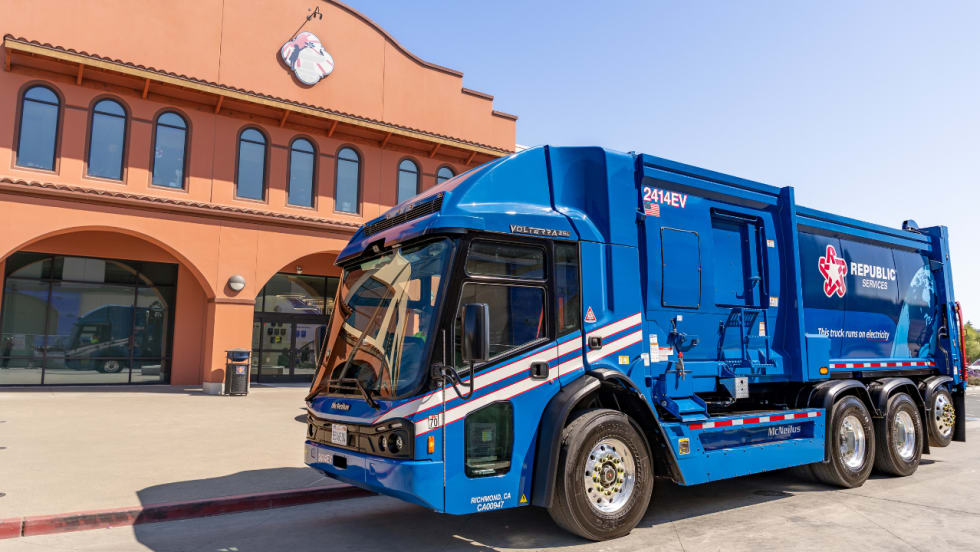
What Republic Services Learned Moving Electric Trucks Beyond the Pilot
With 250 electric refuse trucks now in service, Republic Services is learning that scaling a new powertrain depends as much on routes, drivers, technicians, and daily operations as it does on the truck itself.
Read More →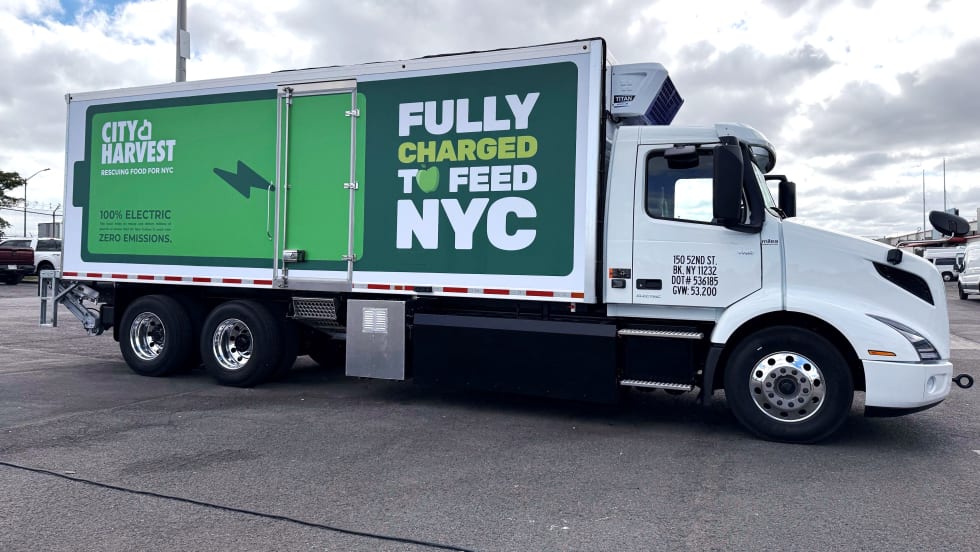
City Harvest Begins Using Volvo VNR Electric Trucks to Rescue Food Across New York City
Volvo Trucks North America and the Bronx Is Breathing project team handed over three new Volvo VNR Electric trucks to City Harvest, which will use the trucks to rescue and deliver food throughout the Bronx and across all five boroughs of New York.
Read More →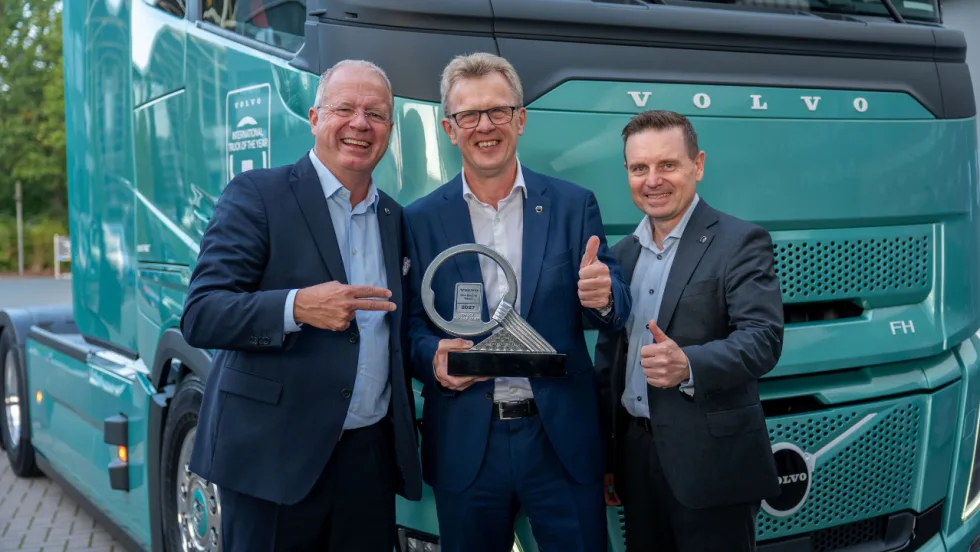
Volvo Trucks Wins International Truck of the Year 2027 for its Global Electric Range
Volvo Trucks' global heavy-duty electric range has been named International Truck of the Year 2027. Since 2019, more than 7,000 electric Volvo trucks have driven more than 310 million miles worldwide.
Read More →


Fleet Forward Conference Introduces One-Day Passes for 2026
New one-day registration gives fleet professionals the flexibility to attend Tuesday, Wednesday, or Thursday, with passes available for $199 through Sept. 18.
Read More →
CALSTART Rebrands as Catalyst Mobility, Will Combine with Forth in 2027
CALSTART has rebranded as Catalyst Mobility and will combine with Forth at the start of 2027. The new organization said it is poised to become one of the world's largest, strongest, and most impactful clean transportation nonprofits.
Read More →
Electric Truck and Charging Programs to Boost Sustainability at NY & NJ Ports
Together, the Port Authority of New York and New Jersey and CALSTART will electrify drayage and terminal operations serving the East Coast’s busiest container port. A pair of incentive programs totaling $45 million has launched to accelerate adoption of zero-emission drayage trucks and terminal tractors.
Read More →
The Smart Way to Build a Mixed-Energy Fleet Isn’t About Picking a Side
Mixed-energy fleets aren’t about picking a winning fuel. Sarah Booth of WEX explains how vehicle data, duty cycles, charging strategy, and real-world costs can help fleets choose the right energy source for each job.
Read More →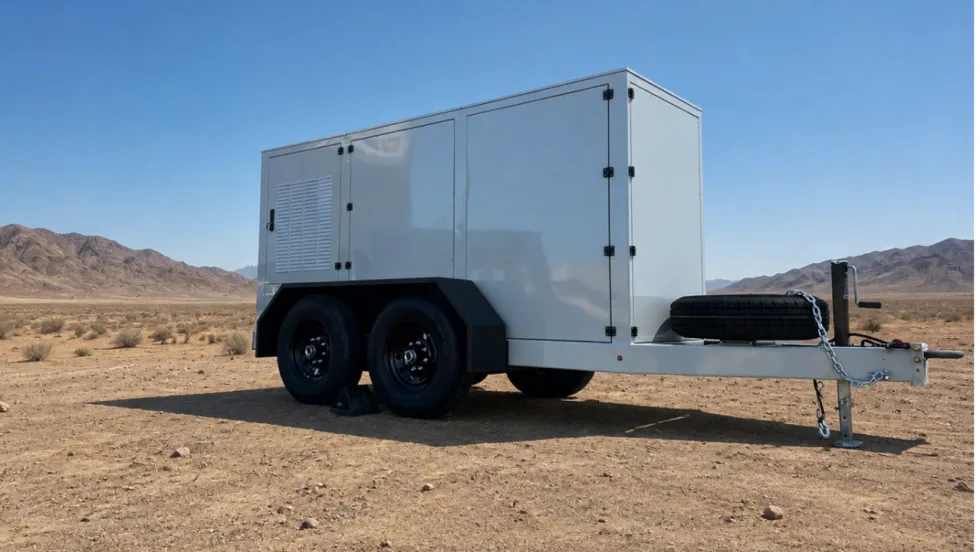
Xos Hub Surpasses One Gigawatt-Hour of Energy Delivered in the Field
A single Xos Hub has surpassed one gigawatt-hour of energy across more than 33,600 charging sessions in the field, demonstrating performance that supports Xos' expansion across new products and markets.
Read More →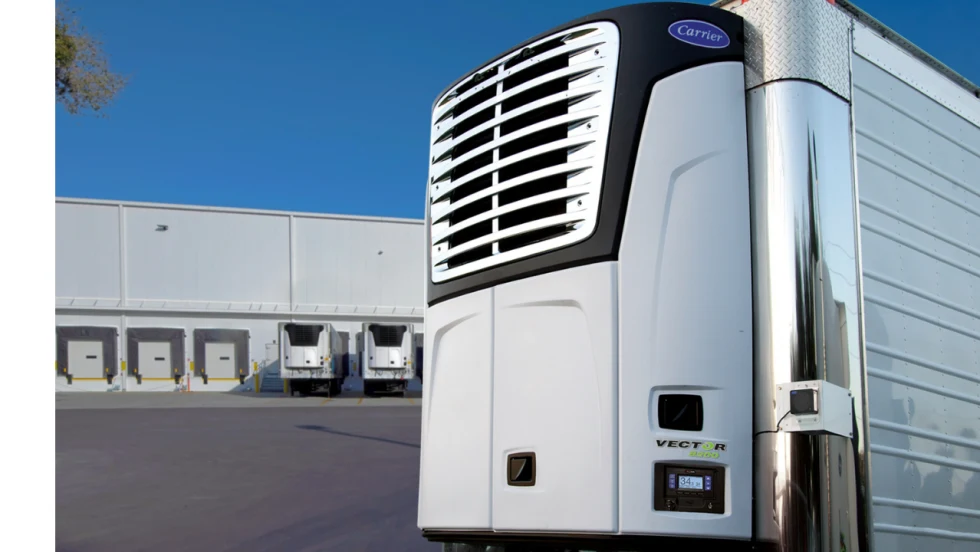
Carrier Transicold Launches All-Electric Vector 8200 TRU for Diesel-Free On-Site Cold Storage
Carrier Transicold’s first engineless multi-temperature TRU helps fresh- and frozen-food fleets add supplemental cold storage capacity during seasonal peaks.
Read More →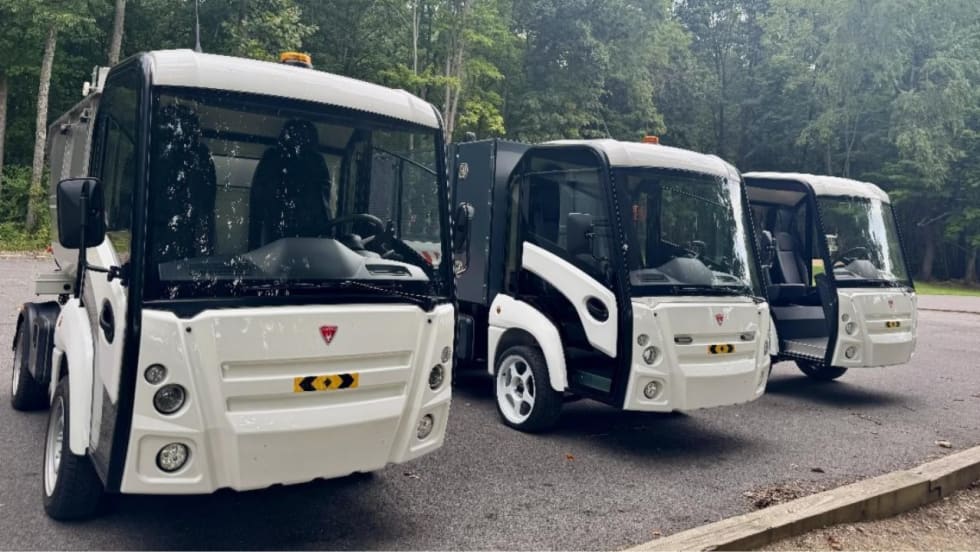
Narro Trucks Introduces Electric Utility Vehicle
Narro Trucks officially launched its operations on Aug. 20 and hosted a ride and drive to showcase its electric truck, which will be produced in Virginia.
Read More →