




EPA and CARB Present Proposals to Reconsider 2010 SCR Engine Certification Requirements
EL MONTE, CA - Navistar International Corp. announced the U.S. EPA and CARB presented preliminary proposals aimed at the compliance loopholes found in current 2010 liquid-based SCR systems.
EL MONTE, CA - Navistar International Corporation announced the U.S. Environmental Protection Agency (EPA) and the California Air Resources Board (CARB) presented preliminary proposals aimed at the compliance loopholes found in current 2010 liquid-based SCR systems.
"Navistar first identified these loopholes to the agencies and also presented our concerns at today's workshop," said Jack Allen, president of Navistar's North American truck group. "We will be working with the EPA and CARB to ensure full environmental compliance."
Navistar's concerns about environmental compliance were backed up by independent test findings that show new commercial vehicles that must contain liquid urea to meet federal NOx emissions standards continue to operate effectively when urea is not present. At such times, Navistar said, the vehicles throw off levels of NOx as much as 10 times higher or more than when urea is present.
The research was conducted by EnSIGHT, an independent environmental consulting firm, using two long-haul vehicles and one heavy-duty pickup, all of which use Selective Catalytic Reduction (SCR) technology that relies on liquid urea to clean up NOx emissions after they leave the engine.
EnSIGHT's research showed that when liquid urea was not present, there was little or no effect on the vehicles' operations. This included long periods of time when the vehicles' urea tanks were empty or were refilled with water instead of urea. One truck tested appears to operate indefinitely with water and as a result without any functioning SCR NOx control. That truck has accumulated more than 13,000 miles with its SCR NOx emission control turned off.
European research also has shown that even with a full tank of liquid urea, the SCR NOx emission control system does not turn on when exhaust temperatures are not hot enough. This occurs during stop-and-go traffic. That means that there is frequently no SCR NOx control when these trucks are operating in urban areas as well as in any other congested traffic situation.
Navistar, which commissioned EnSIGHT's work, joined two prominent environmental groups, the Coalition for Clean Air and Environment Now, in calling on the EPA and CARB to eliminate the loopholes and the resulting excessive NOx emissions.
"Truck owners are paying a substantial price to comply with 2010 NOx requirements," said Allen. "They, and the public, deserve to know that the new equipment they are purchasing actually works as promised to curb pollution. It's obvious, however, that these trucks can operate effectively without liquid urea, and that under these and other conditions, SCR NOx emission control is turned off. We're calling on the EPA and CARB to assure that all vehicles, not just ours, work when they are supposed to be working."
More Fuel
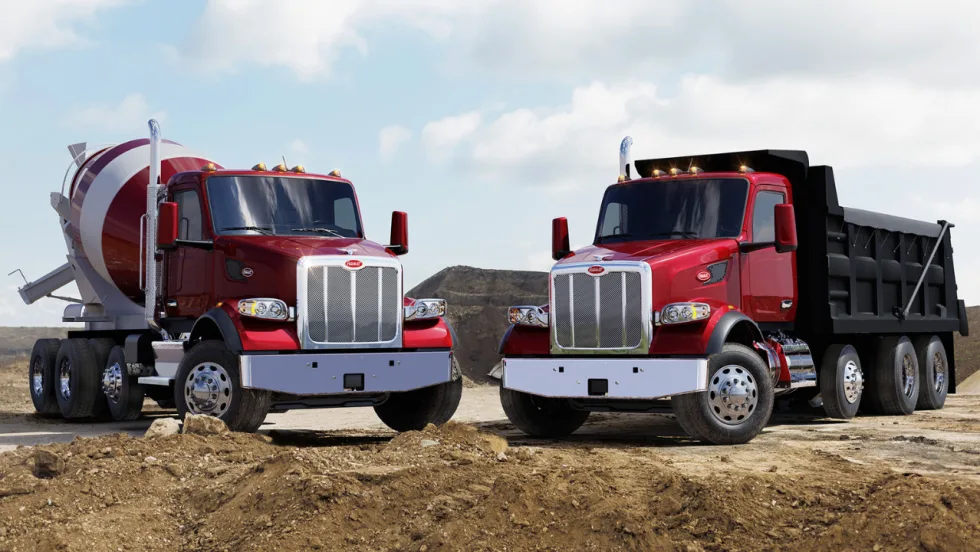
Peterbilt Trucks Equipped with Paccar TX-18 Pro Boost Efficiency for Maryland Fleet
Patuxent Companies is replacing aging trucks with the Peterbilt Model 567 and Model 589, specified with the Paccar TX-18 Pro 18-speed automated transmissions, and is reporting an 8% to 10% improvement in fuel economy.
Read More →
The Smart Way to Build a Mixed-Energy Fleet Isn’t About Picking a Side
Mixed-energy fleets aren’t about picking a winning fuel. Sarah Booth of WEX explains how vehicle data, duty cycles, charging strategy, and real-world costs can help fleets choose the right energy source for each job.
Read More →
Ignoring This Dashboard Warning Could Cost Your Fleet Thousands in Fuel
New research suggests neglected diesel aftertreatment systems could waste up to $30 in fuel per vehicle each day. Here's why vocational fleets should pay attention.
Read More →

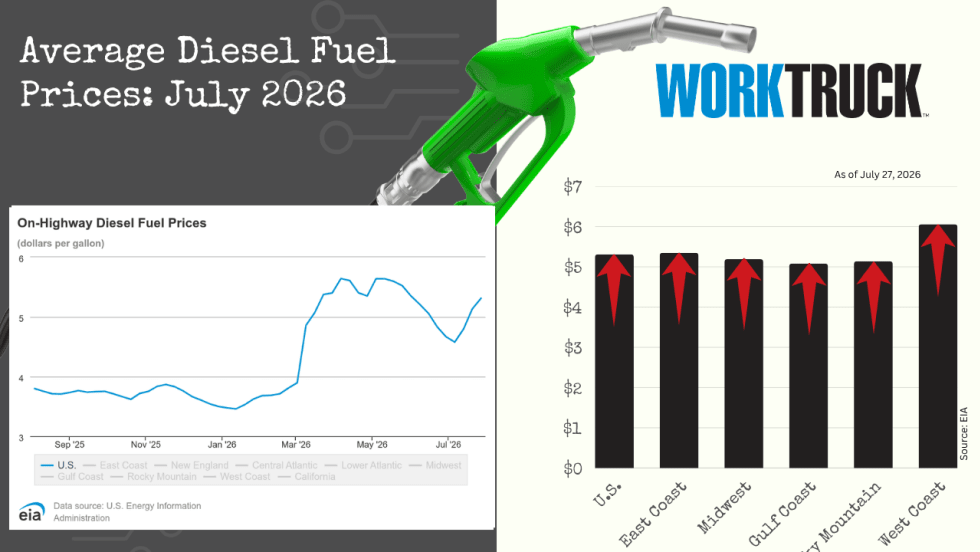
July Diesel Trends Update
The average price of a gallon of diesel increased again this week, and the EIA reported a new national average of $5.31 at the start of the week.
Read More →
WEX Brings Standard Fleet's Connected Vehicle Platform to Fleet Customers
This week’s product launch with Standard Fleet’s connected vehicle platform reflects WEX Venture Capital's strategy of turning startup innovation into customer solutions. Standard Fleet is now available to WEX fleet customers.
Read More →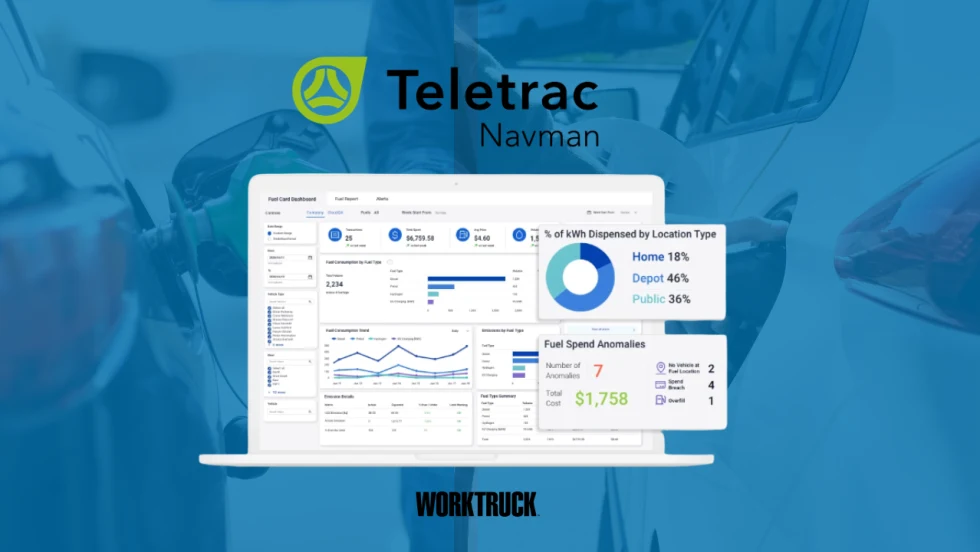
Teletrac Navman Adds Mixed-Energy Fleet Tools to TN360
The new Energy Hub combines fuel transactions, EV charging data, vehicle range, and energy costs in one dashboard for fleets operating multiple vehicle and energy types.
Read More →
WEX DriverDash adds CITGO, Expands Nationwide Access for Fleets
The DriverDash mobile payment app, by WEX, has been integrated into the CITGO merchant network, which means WEX has expanded its U.S. station footprint with the addition of approximately 4,000 CITGO locations.
Read More →
Mixed Energy Fleet Tips for Balancing EVs, Gas and Diesel Vehicles
Mixed energy fleets are becoming the new normal. Learn how fleet managers are balancing EVs, gas and diesel vehicles while controlling costs and planning for the future.
Read More →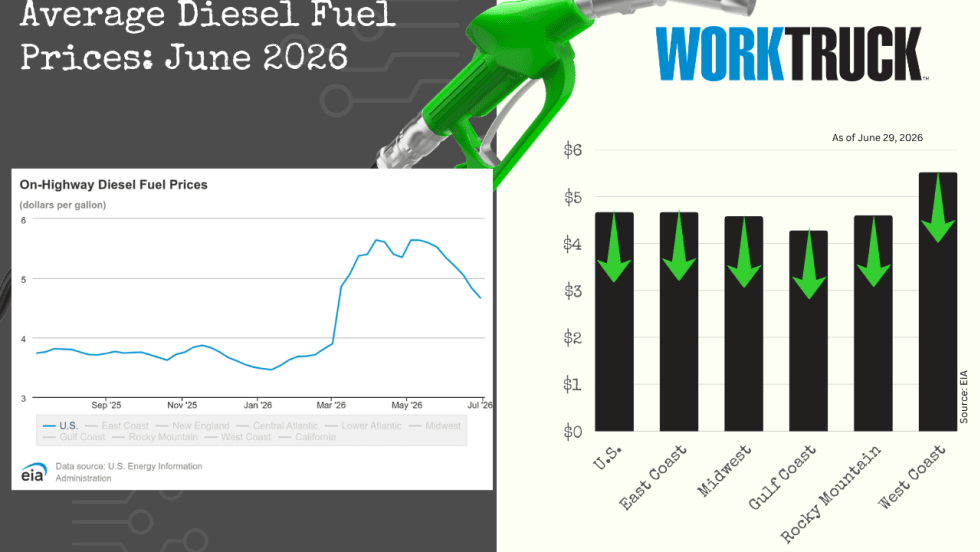
June Diesel Trends Update
The national average price of a gallon of diesel has dropped again, this week by more than 16 cents. All five regions reported lower average prices, ranging from almost 13 cents to more than 28 cents cheaper than a week ago.
Read More →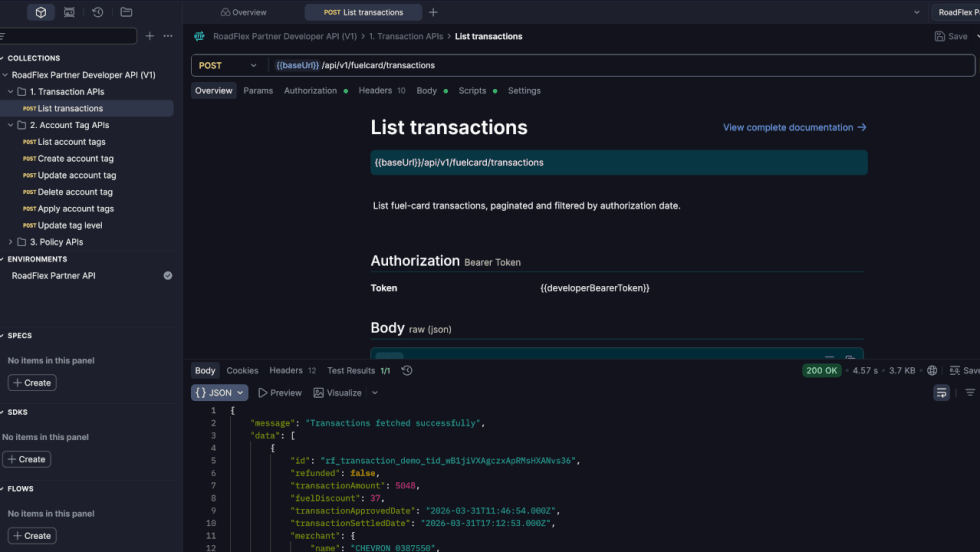
RoadFlex Launches RoadFlex Direct Open API Platform
RoadFlex Direct connects fuel cards, controls, and data to the telematics and fleet management systems fleets already run, from Geotab and Samsara to Fleetio and RTA, with no separate dashboard or double data entry.
Read More →