





Learn More: Drivewyze, Samsara to Streamline Driver Onboarding
Drivewyze, Verisk Collab to Fight Cargo Theft
With Cargo Theft Alerts, drivers are notified when approaching one of the top 50 riskiest parking locations and top 50 riskiest counties in the country.
May 24, 2022
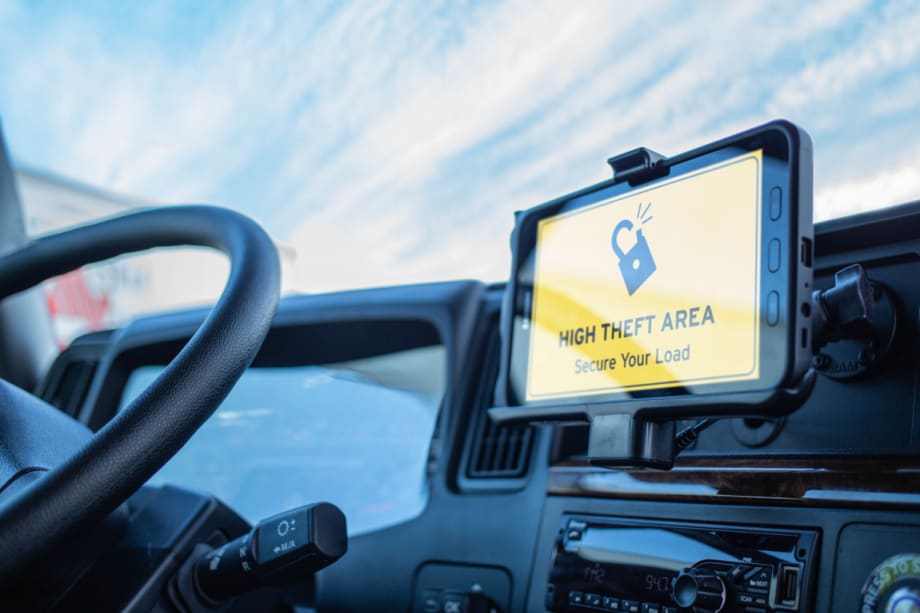
Photo: Drivewyze
3 min to read
Drivewyze has teamed up with Verisk to provide in-cab cargo theft alerts in its Safety+ service.
Drivewyze is a cross-platform connected-truck solution provider best known for its weigh station bypass app. Safety+ is an in-cab software-as-a-service product that provides context-based, proactive, customizable, driver safety notifications through existing electronic logging devices or telematics devices.
The theft “hot spot” alerts are available thanks to an exclusive collaboration with Verisk, provider of CargoNet. With Cargo Theft Alerts, drivers are notified when approaching one of the top 50 riskiest parking locations and top 50 riskiest counties in the country. Safety+ will display a driver-safe visual and audible warning through the in-cab ELD or telematics device as they approach these high-risk areas. The alerts are fully automated and require no driver interaction.
Safety+ high-risk areas will be updated regularly based on the latest data from CargoNet. Subscribers also receive Daily Hot Theft Zone Alerts, powered by CargoNet, to be informed on the latest incidents of cargo theft throughout the U.S. and Canada.
CargoNet’s database receives and integrates cargo theft data from law enforcement, insurers, transportation companies, manufacturers, and retailers. Theft victims, insurers, and law enforcement may enter data online using internal investigation and claims management systems or industrywide databases such as ClaimSearch. Theft victims may also call CargoNet’s 24-hour call center.
According to data collected by CargoNet, cargo theft incidents are on the rise in 2022. In the first quarter, CargoNet reported cargo theft incidents increased by more than 5% compared to the fourth quarter of 2021. Last year, nearly 1,300 incidents of cargo theft were reported in the U.S. and Canada, with approximately 50% of thefts occurring in California, Texas, and Florida.
“Cargo theft is a serious issue in our industry. Last year, nearly $58 million worth of cargo was reported stolen to CargoNet across the United States and Canada and they’re already seeing an uptick in incidents this year,” said Drivewyze CEO Brian Heath. “That scratches the surface. The problem is much bigger than that since cargo theft often goes unreported. Our alerts empower drivers to stay vigilant -- so drivers know to keep their eyes open for any suspicious activity and to be proactive in keeping their loads safe. Adding Cargo Theft Alerts to Drivewyze Safety+ is something exclusive to our platform and it’s something we know that drivers and fleets will value.”
Drivewyze Safety+ is a premium subscription service available on over 2.5 million ELD devices. Safety+ subscribers can receive a heads-up on high-citation areas for speeding, upcoming parking availability in select states, and high-risk areas for cargo theft. In addition, fleet managers can create customized driver safety alerts, access driver behavior analytics, and manage fleet risk.
[Editor's Note: This story was updated on May 26 at 9:15 a.m. CT to clarify in a quote by Brian Heath that $58 million worth of cargo was reported stolen to CargoNet. It is not a figure that represents all reported cargo thefts in 2021.]
More Safety
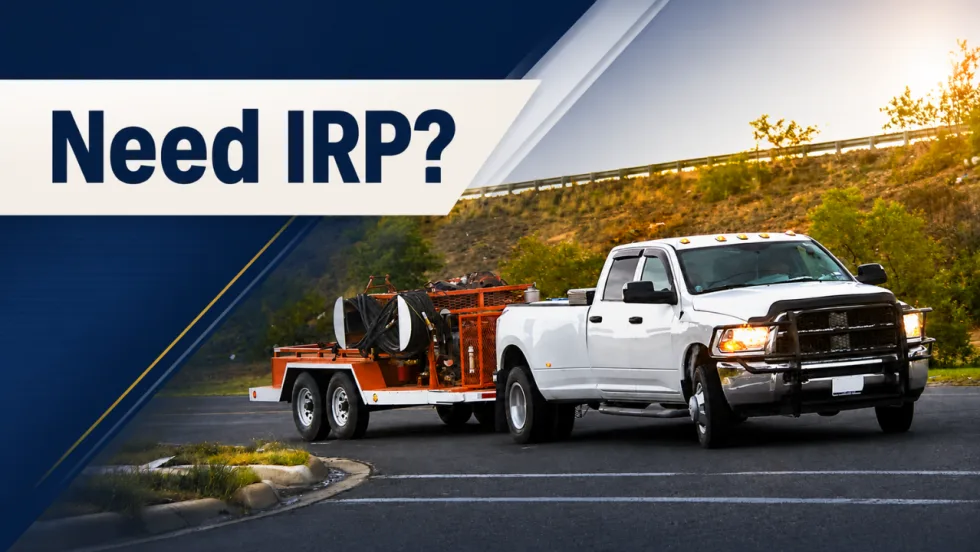
When Work Trucks Under 26,001 Pounds Need IRP Registration
Think trucks under 26,001 pounds are automatically in the clear when it comes to IRP? Not always. Learn where lighter vehicles can still run into trip permit, apportioned registration, and IFTA compliance requirements when crossing state or provincial lines.
Read More →
Volvo Trucks Releases New Safety Recommendations for Traveling with Pets
One of the most important recommendations for professional drivers traveling with pets is to ensure pets are properly restrained while the truck is moving. Other tips are available in the new guide from Volvo Trucks North America and Center for Pet Safety.
Read More →
API Issues Refueling Safety Guidelines
The American Petroleum Institute offers a list of safe vehicle refueling guidelines, including ways to avoid potential problems with static electricity discharges in fall, winter, and early spring.
Read More →
Winter Fleet Prep: Expert Tips to Keep Vehicles Running Smoothly
Cold weather can expose weak batteries, tires, fuel systems, and maintenance gaps fast. Use this winter fleet checklist to prepare trucks and drivers before temperatures drop.
Read More →
When a Work Truck Breaks Down, the Job Can Stop, Too
A work truck breakdown can stop more than the vehicle. Discover how payloads, jobsites, and specialty equipment change the roadside response.
Read More →
What Stronger Long-Term Fleet Service Partnerships Actually Require
Fleet service partnerships rarely fall apart all at once. Learn the three warning signs that trust is eroding and what fleets and providers can do before downtime, frustration, and lost revenue follow.
Read More →
Applause & TRUCE Software Partner to Improve Driver Safety Through AI-Powered Telematics & Employee Performance Management
Applause has integrated TRUCE driving metrics directly into its employee-first performance and safety platform that transforms mobile devices into AI-powered telematics.
Read More →
How Detroit Assurance with Active Brake Assist Works
Do you want to see what it is like to experience Detroit Assurance’s Active Brake Assist? In this video, Work Truck will put you in the cab to see how it all works and then hear more details from DTNA’s Mike Young.
Read More →
Get Left of Loss: A 5-Step Workplace Violence Prevention Framework for Fleet Operators
Violence risks do not stop at the driver’s door. Learn five practical steps fleets can take to spot threats early and protect workers before loss occurs.
Read More →
Sponsored•July 17, 2026
How Better Visibility Cut Speeding Violations by 48%
Fleet leaders don't need more data, they need clearer visibility into what the data is saying. This case study explores how one utility replaced speeding-event counts with a single metric — miles driven in violation — to strengthen safety and significantly reduce speeding violations.
Read More →