





More on Connecting Trucks: Drivewyze & Konexial Partner on Weigh Station Bypass
Drivewyze and HAAS Partner for Truck Safety
Drivewyze partners with HAAS Alert to use Safety Cloud for in-cab safety alerts for commercial truck drivers.
September 21, 2022

Drivewyze and HAAS Alert will make safer roads for commercial drivers, motorists, and roadway workers.
Photo: Work Truck
3 min to read
Drivewyze, connected truck services and operator of the public-private weigh station bypass network in North America, and HAAS Alert, which developed the automotive digital alerting platform, Safety Cloud, have announced a new collaboration on Connected Truck safety solutions.
The new partnership will integrate HAAS Alert’s Safety Cloud into the Drivewyze Connected Truck platform to deliver digital alerts about vehicles and equipment on the roadway to commercial drivers through the Drivewyze in-cab application.
“Maintenance, emergency response, and work zone events can often place vehicles and equipment in situations that can be hazardous to both workers and drivers,” said Brian Heath, CEO of Drivewyze. “This collaboration will give commercial truck drivers added reaction time to slow down and move over when approaching roadway operations — helping to avoid potential crashes.”
Safety Cloud integrates hazard data directly from roadway vehicles, equipment, and trusted partners and will share this information with Drivewyze in real-time. Drivewyze will notify approaching truck drivers in advance through visual/audible in-cab alerts. Federal data shows that more than 100,000 people are injured or killed in crashes involving commercial motor vehicle (CMV) every year, and more than 30% of fatal work zone crashes involve a CMV.
“Reducing accidents and fatalities requires innovative partnerships between transportation agencies and connected technology providers who are committed to working towards a common goal of highway safety,” said Heath.
Vehicles and equipment deployed on the roadway for maintenance work, emergency response, or work zones represent real challenges to government agencies due to the higher crash and fatality rates associated with these operations. We look forward to working with leading transportation agencies to unlock the IoT capability of their roadway assets so that drivers are provided with advanced awareness of potential risks. This will also help safeguard staff working on the roadway — better protecting them from the hazards of oncoming traffic.
According to Heath, rounding a corner to find a parked maintenance vehicle or emergency vehicle responding to a call can be challenging for truck drivers who are pulling up to 80,000 pounds of weight behind them. “It takes 66% longer for a truck to stop as compared to a car,” he said. “But truck drivers can be ready for that scenario with advance warning. That’s why we’re so excited about partnering with HAAS Alert and working with state DOTs in bringing these critical safety messages to commercial truck drivers. This can help save lives.”
Heath said Drivewyze’s commitment to safer roads for commercial drivers, motorists, and roadway workers is unwavering. “Transportation IoT and connected vehicles are providing exciting opportunities for innovation that can transform the driver experience,” he said. “HAAS Alert shares our safety-focused mission and we’re excited to see the benefits of this partnership in improving road safety.”
More Safety & Compliance
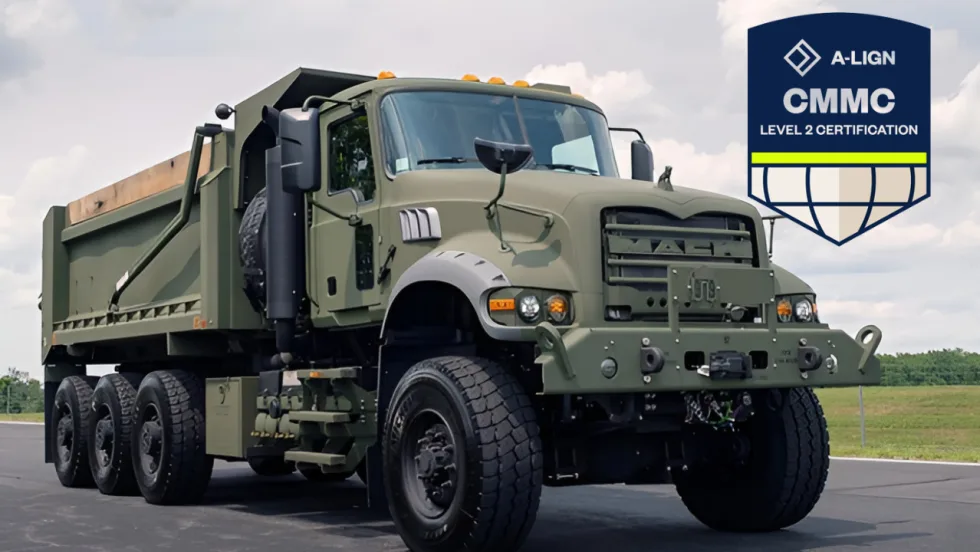
Mack Defense Achieves Cybersecurity Maturity Model Certification Level 2
After an assessment conducted by an authorized Certified Third-Party Assessment Organization (C3PAO), Mack Defense has achieved Cybersecurity Maturity Model Certification (CMMC) Level 2.
Read More →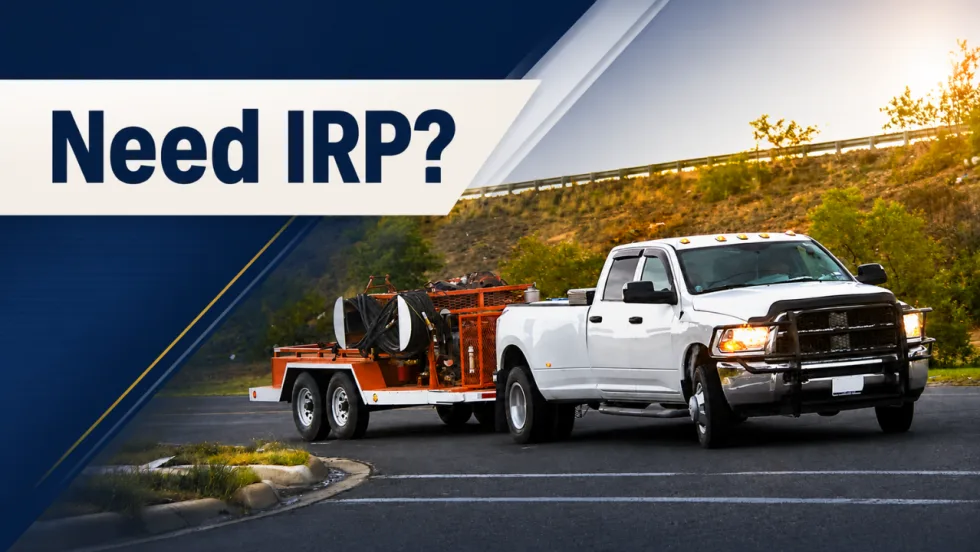
When Work Trucks Under 26,001 Pounds Need IRP Registration
Think trucks under 26,001 pounds are automatically in the clear when it comes to IRP? Not always. Learn where lighter vehicles can still run into trip permit, apportioned registration, and IFTA compliance requirements when crossing state or provincial lines.
Read More →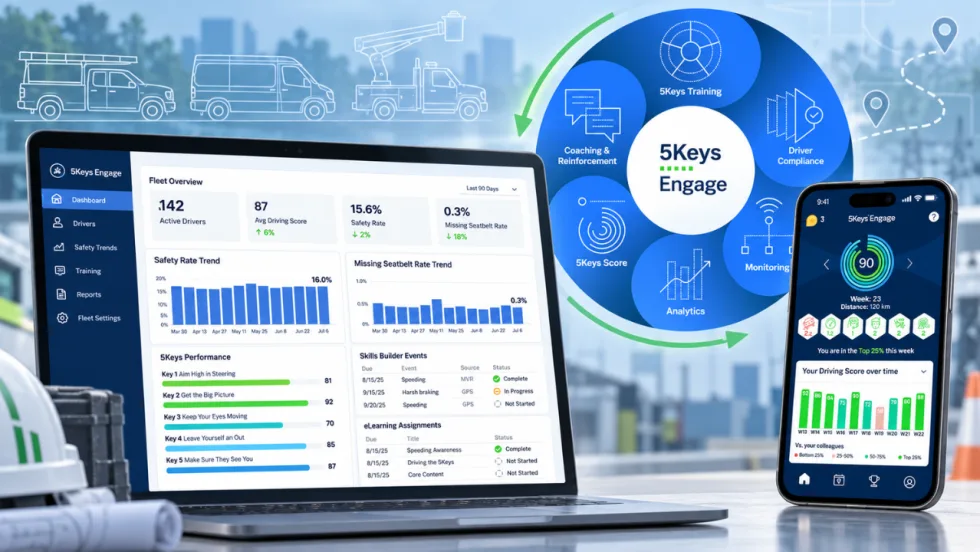
Smith System Wants Work Truck Fleets to Look Beyond the Driver Alert
Smith System’s new Driver Risk Management program is built to help mixed work truck fleets turn telematics alerts and observations into specific behaviors, coaching actions, and measurable follow-up.
Read More →

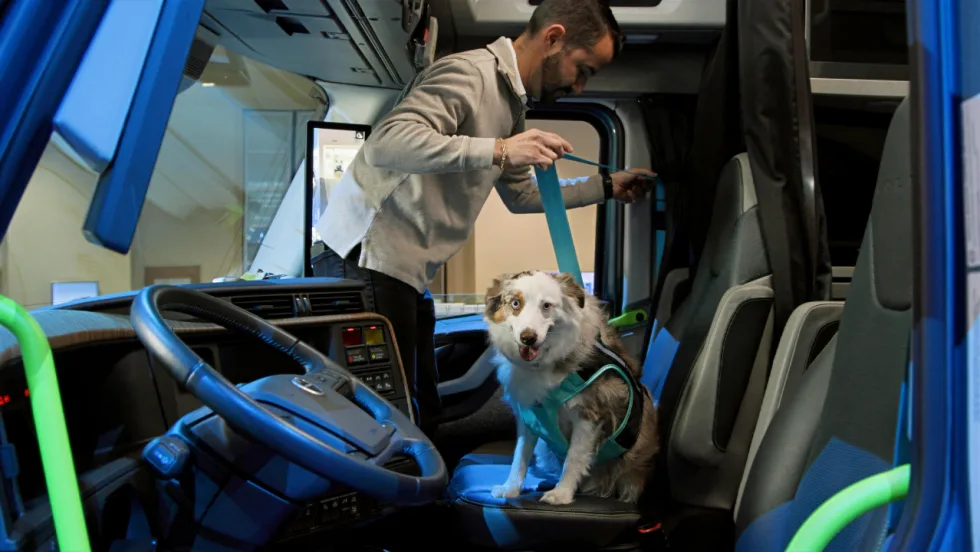
Volvo Trucks Releases New Safety Recommendations for Traveling with Pets
One of the most important recommendations for professional drivers traveling with pets is to ensure pets are properly restrained while the truck is moving. Other tips are available in the new guide from Volvo Trucks North America and Center for Pet Safety.
Read More →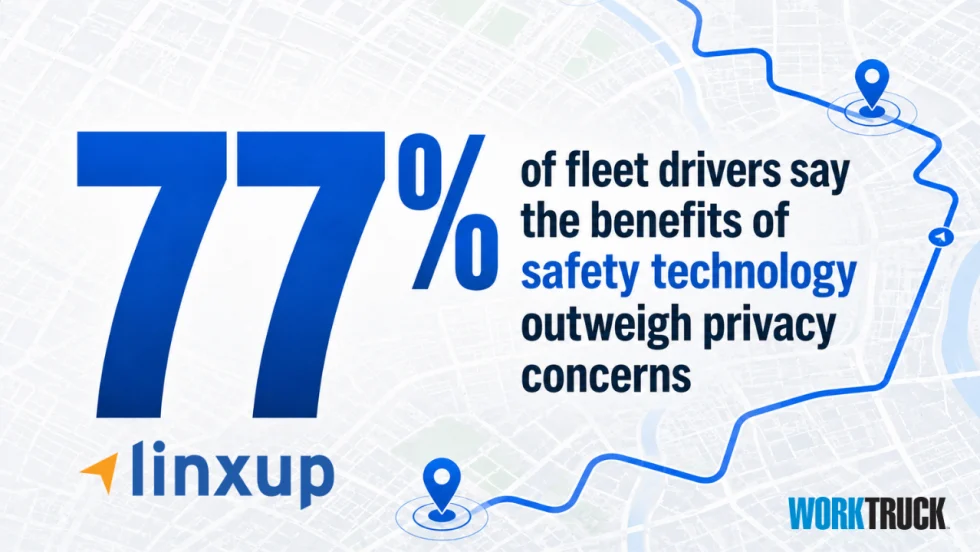
Are Work Truck Drivers Warming Up to Dash Cams and GPS Tracking?
A new survey finds field-service drivers may be more comfortable with dash cams and GPS tracking than fleet managers think, especially when the technology helps protect them after a crash.
Read More →
Recalls You Need to Know About in August 2026
If you have Altec, Chrysler, Ford, Heil, General Motors, International, Mack Trucks, Paccar, Rivian, Royal Truck, Toyota, US Truck Body, or Volvo Trucks vehicles in your fleet, you should check these important recalls issued by the National Highway Safety Administration.
Read More →
API Issues Refueling Safety Guidelines
The American Petroleum Institute offers a list of safe vehicle refueling guidelines, including ways to avoid potential problems with static electricity discharges in fall, winter, and early spring.
Read More →
Winter Fleet Prep: Expert Tips to Keep Vehicles Running Smoothly
Cold weather can expose weak batteries, tires, fuel systems, and maintenance gaps fast. Use this winter fleet checklist to prepare trucks and drivers before temperatures drop.
Read More →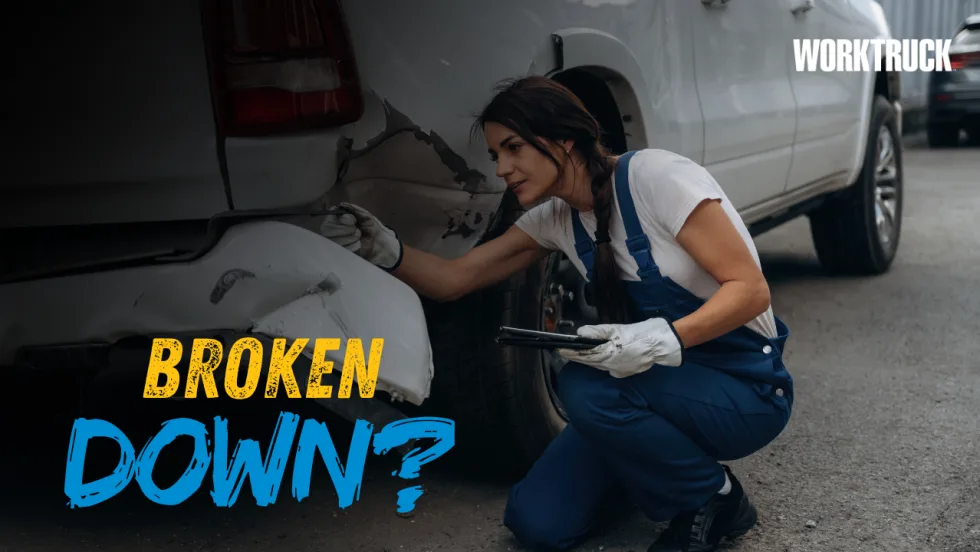
When a Work Truck Breaks Down, the Job Can Stop, Too
A work truck breakdown can stop more than the vehicle. Discover how payloads, jobsites, and specialty equipment change the roadside response.
Read More →
What Stronger Long-Term Fleet Service Partnerships Actually Require
Fleet service partnerships rarely fall apart all at once. Learn the three warning signs that trust is eroding and what fleets and providers can do before downtime, frustration, and lost revenue follow.
Read More →