




Related: SmartDrive Spells Out High Costs of Distracted Driving
Defensive Driving Program Focuses on Distracted Drivers
Instructional Technologies Inc., announced a new defensive driving program called Pro-Defense that focuses on the increasing amount and types of distractions professional drivers face on the road.
by Staff
August 9, 2017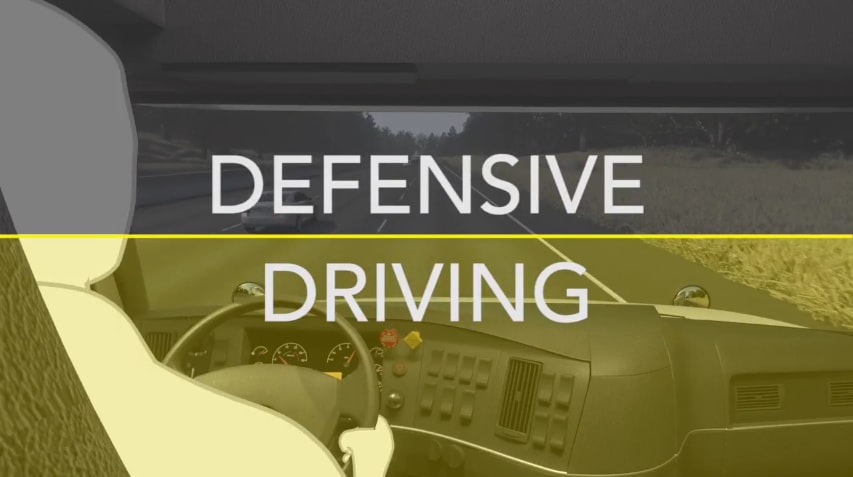
Screenshot via ITI
3 min to read
Screenshot via ITI
Instructional Technologies Inc., announced a new defensive driving program called Pro-Defense that focuses on the increasing amount and types of distractions professional drivers face on the road.
Through a series of eight courses, the Pro-Defense program teaches drivers the skills, focus, and attitude they need to navigate modern roads and protect themselves from distracted drivers.
“The concept of defensive driving hasn't changed much since the mid-1950s," said Laura McMillan, vice president of training development at ITI. "In that time, the roads have gotten more congested, the vehicles faster, and the drivers more distracted and aggressive. The changes mean any single-subject defensive driving course is outdated. Yet, while many of the basic skills still apply to defensive driving, we knew we needed to re-think it with a modern, structured approach.”
Distracted driving is the cause of 41% of all accidents, according to the National Highway Safety Administration, and driver inattention plays a role in a considerable portion of all crashes. Secondary tasks or activities, often as a result of handheld electronics use, have contributed to a shift in recent years, with driver-related factors present in almost 90% of crashes, according to a National Academy of Sciences study.
Fatigued driving is also playing a role, with a total of 16% of Americans admitting to nodding off while driving in the previous month, according to a study conducted by the National Safety Council.
“This research led many of our customers to ask for a new approach to use when talking to drivers about defensive driving,” said McMillan. “They realize that while the same basic principles apply, vehicles, traffic, and operations that require multi-tasking have all changed. Defensive driving is now increasingly about being able to read the road and the actions and intentions of other drivers. Pro-Defense is designed to change behaviors and replace them with actions that are instinctual. The result is a safer fleet with fewer crashes and injuries.”
The Pro-Defense program is a structured system of eight courses that introduce defensive driving and address seven concepts using an easy-to-remember mental checklist that spells out “DEFENSE,” including:
Distractions – Instant communication and information systems in today’s vehicles are a leading cause of distracted driving, but far from the only one.
Effective Communication – Driving predictably and signaling your intentions, as well as reading the intentions of other motorists, can help ensure safety.
Fatigue Management – Fatigued driving will have a serious impact on reaction times and the ability to operate safely.
Evaluating Space – Creating a safety zone and constantly checking surroundings is a proven approach to taking appropriate action to avoid collisions.
Navigating Hazards – Awareness of hazards like distracted drivers, low clearances, merging lanes, and changing weather and road conditions means being aware of your surroundings.
Speed Management – Driving at a safe speed for road and environmental conditions is one of the most important elements of defensive driving and a key to avoiding crashes.
Essential Planning – From Interstates to city streets to customer locations, maximizing safety requires planning effectively every day.
ITI says that the mnemonic of “DEFENSE” is a good reminder for safety meetings, payroll stuffers, and promotional items. Its lessons can also be incorporated into a comprehensive curriculum of Pro-Tread online driver training courses.
For more information on Pro-Defense, click here.
Topics:DriversDistracted DrivingInstructional TechnologiesPro-TreadDriver SafetyDriver TrainingSafety
Originally posted on Automotive Fleet
More Safety

When Work Trucks Under 26,001 Pounds Need IRP Registration
Think trucks under 26,001 pounds are automatically in the clear when it comes to IRP? Not always. Learn where lighter vehicles can still run into trip permit, apportioned registration, and IFTA compliance requirements when crossing state or provincial lines.
Read More →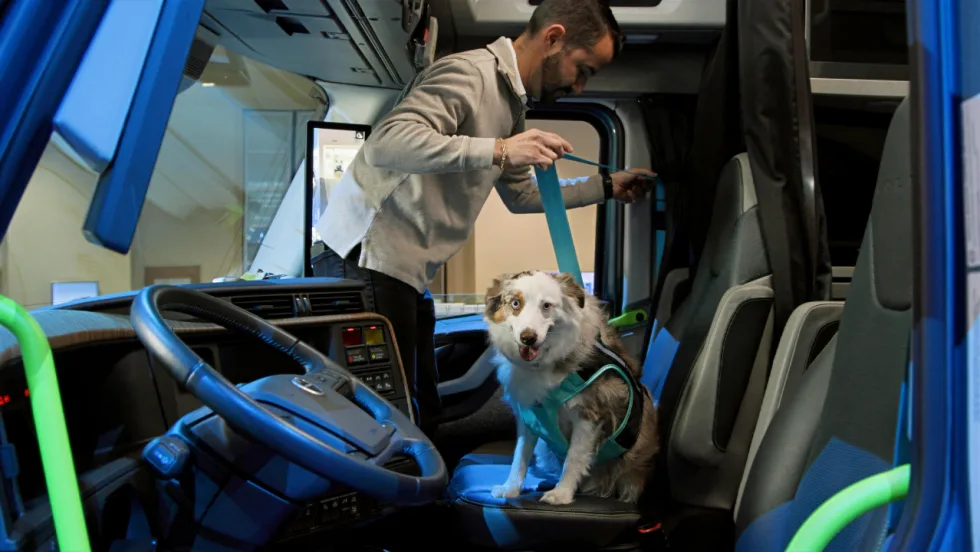
Volvo Trucks Releases New Safety Recommendations for Traveling with Pets
One of the most important recommendations for professional drivers traveling with pets is to ensure pets are properly restrained while the truck is moving. Other tips are available in the new guide from Volvo Trucks North America and Center for Pet Safety.
Read More →
API Issues Refueling Safety Guidelines
The American Petroleum Institute offers a list of safe vehicle refueling guidelines, including ways to avoid potential problems with static electricity discharges in fall, winter, and early spring.
Read More →
Winter Fleet Prep: Expert Tips to Keep Vehicles Running Smoothly
Cold weather can expose weak batteries, tires, fuel systems, and maintenance gaps fast. Use this winter fleet checklist to prepare trucks and drivers before temperatures drop.
Read More →
When a Work Truck Breaks Down, the Job Can Stop, Too
A work truck breakdown can stop more than the vehicle. Discover how payloads, jobsites, and specialty equipment change the roadside response.
Read More →
What Stronger Long-Term Fleet Service Partnerships Actually Require
Fleet service partnerships rarely fall apart all at once. Learn the three warning signs that trust is eroding and what fleets and providers can do before downtime, frustration, and lost revenue follow.
Read More →
Applause & TRUCE Software Partner to Improve Driver Safety Through AI-Powered Telematics & Employee Performance Management
Applause has integrated TRUCE driving metrics directly into its employee-first performance and safety platform that transforms mobile devices into AI-powered telematics.
Read More →
How Detroit Assurance with Active Brake Assist Works
Do you want to see what it is like to experience Detroit Assurance’s Active Brake Assist? In this video, Work Truck will put you in the cab to see how it all works and then hear more details from DTNA’s Mike Young.
Read More →
Get Left of Loss: A 5-Step Workplace Violence Prevention Framework for Fleet Operators
Violence risks do not stop at the driver’s door. Learn five practical steps fleets can take to spot threats early and protect workers before loss occurs.
Read More →
Sponsored•July 17, 2026
How Better Visibility Cut Speeding Violations by 48%
Fleet leaders don't need more data, they need clearer visibility into what the data is saying. This case study explores how one utility replaced speeding-event counts with a single metric — miles driven in violation — to strengthen safety and significantly reduce speeding violations.
Read More →