




Debunking 5 Synthetic Diesel Oil Myths
Do you know your oil knowledge? Here are five myths of synthetic diesel oil that might surprise you.


Do you know these five myths about synthetic oil?
Photo: Work Truck
Synthetic oil plays an important role in ensuring the smooth functioning of all engine components.
It allows the various parts of your engine to work harmoniously, promoting optimal performance and longevity.
However, there are misconceptions regarding engine oil which leads to confusion.
A combination of factors such as information overload, technical complexities, marketing strategies, and individual experiences can contribute to the existence of misconceptions about synthetic diesel oil.
Fortunately, Shell Rotella shared synthetic oil’s common myths and why they are incorrect.
With their expertise, they help you distinguish fact from fiction, enabling you to make informed decisions about your work truck engine's lubrication needs.
5 Common Synthetic Diesel Oil Myths
From new engines, to switching back to mineral oil, we’ve got yu covered on the top five synthetic diesel oil myths and info on why they’re myths.
Myth 1 — Once You Use Synthetic Oil, You Can’t Go Back
Transitioning back to conventional oil from synthetic oil is completely safe and poses no risks.
You can do so without any concerns as you transition from the 5W-40 synthetic oil typically used in winter to a 15W-40 conventional oil suitable for spring.
Karin Haumann, the OEM Technical Manager for Shell Lubricants, highlights the importance of using lower-viscosity oil, such as synthetic oil, during colder months to enhance engine stability.
Haumann also emphasizes that while a synthetic oil can meet the exact specifications of conventional oil, it's essential to consider the inherent benefits that a full synthetic product can provide.
With the proven advantages of synthetic oil, you can use it in your engine all year round.
Myth 2 — Synthetic Oil Is Expensive
While synthetic blend and full synthetic oils may have a higher initial cost, their advantages make them worthwhile investments.
For example, Shell Rotella T6 Full Synthetic engine oils are designed to deliver protection while also offering the potential for improved fuel economy.
This means you can save on fuel costs without compromising the engine's performance or durability.
Myth 3 — Synthetic Oil Is for New Engines Only
Synthetic engine oils are engineered to deliver enhanced protection under various demanding conditions, catering to new and older engines.
Whether you frequently engage in stop-and-go driving or operate your work truck in extreme temperatures, synthetic engine oils are specifically formulated to provide the following benefits:
Improved engine protection: Synthetic oils offer superior protection to your engine components, safeguarding them against wear, friction, and potential damage.
Engine cleanliness: Synthetic oils help maintain a cleaner engine by preventing the buildup of sludge, deposits, and contaminants that can impede performance.
Temperature regulation: Synthetic oils help keep operating temperatures cooler, which is crucial in high-stress or extreme temperature conditions, ensuring optimal engine performance and longevity.
Cold-weather lubrication: Synthetic oils possess excellent cold-weather properties, allowing them to lubricate the engine quickly and effectively during start-up in cold climates.
If your truck is designed for higher performance, it will experience increased stress and demand. In such cases, opting for a synthetic oil is recommended as it is better equipped to withstand elevated stress levels and provide optimal protection.
Myth 4 — You Can’t Switch Oil Brands
If the new oil meets the specifications and approvals required by your engine's manufacturer, switching between different oil brands poses no concerns.
It's worth noting that while multiple oil brands may meet industry and OEM specifications, they often exhibit varying performance levels.
Myth 5 — High Viscosity Oil Is Better
The choice of oil viscosity for work trucks depends on several factors, including the specific requirements of the truck's engine and operating conditions.
While high-viscosity synthetic oil can provide certain benefits, it may not always be optimal for work trucks.
In some cases, work trucks with heavy-duty engines and high operating temperatures may benefit from higher viscosity oils, such as 15W-40 or similar grades, to provide adequate protection under demanding conditions. These oils can offer enhanced wear protection and better resistance to oil breakdown, ensuring the longevity of engine components.
Oil is available — like Shell Rotella T6 10W-30 — that offers the advantages of a full synthetic oil in the rapidly growing viscosity grade for diesel-powered vehicles.
This versatile oil not only provides fuel economy benefits but also delivers excellent engine protection for hardworking trucks.
These oils perform well even in heavy-duty diesel engines and extreme temperature conditions.
More Maintenance & Uptime
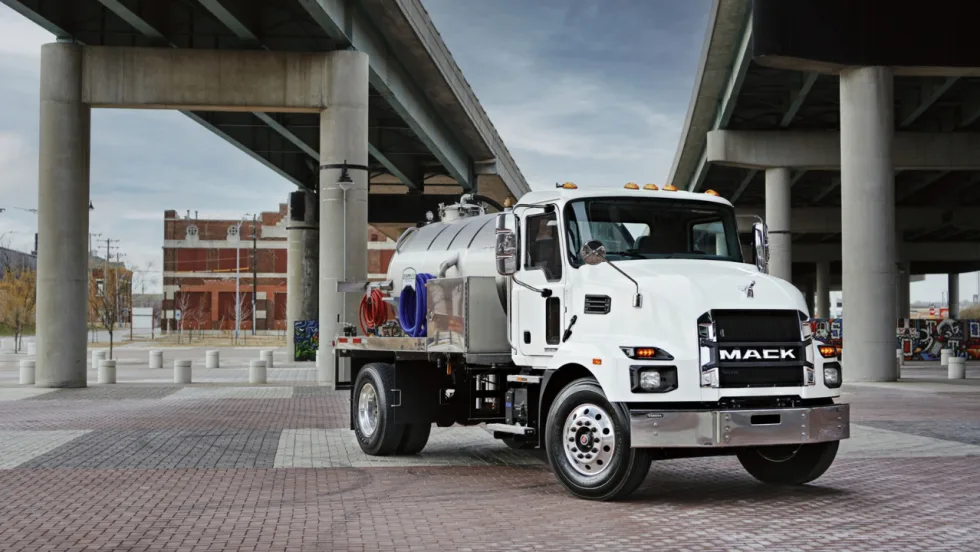
Mack Adds Chassis Coverage Options for Fleet Repair Costs
Mack Trucks introduced four system-specific chassis coverage plans, giving fleets more flexibility to manage repair costs for driveline, HVAC, electronics, safety systems, and other components.
Read More →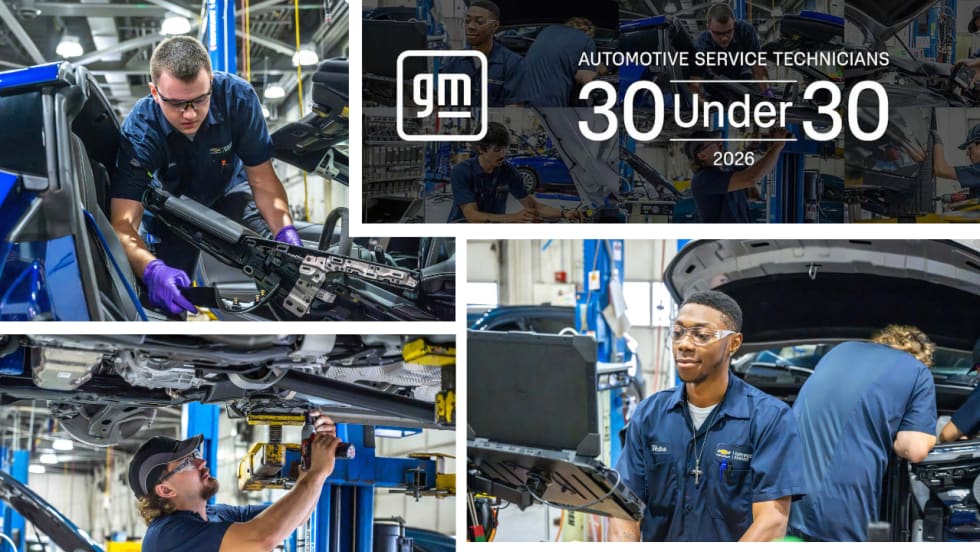
GM Launches ‘30 Under 30’ Program to Elevate Automotive Service Technicians and Inspire the Next Generation
The GM Automotive Service Technicians 30 Under 30 program honors GM service technicians under the age of 30 who demonstrate continuous technical training, exemplary customer service, mentorship, and leadership.
Read More →
Kooner Fleet Management Solutions Named Exclusive On-Site Fleet Maintenance Provider for Safe Truck Parking
A strategic partnership between Kooner Fleet Management Solutions and Safe Truck Parking brings mobile maintenance and 24/7 repair services directly to Safe Truck Parking locations, beginning in San Diego, California, with nationwide expansion planned.
Read More →From Our Partners
How JASPER Keeps Fleets Moving and Profitable
Sponsored by Jasper Engines & Transmissions

Basic Tracking vs Next Generation Fleet Technology
Sponsored by AT&T Business

5 Facts Every Fleet Manager Should Know About Embedded Telematics
Sponsored by Stellantis/Mobilisights

How AI Video Telematics Boosts Driver Safety and Helps to Avoid Unnecessary Costs
Sponsored by Verizon Connect

Charting the 8 Bottom-Line Benefits of Workforce Optimization
Sponsored by Verizon Connect


Building a Better Vehicle Replacement Model
Meter readings still matter, but engine hours, idle time, maintenance trends, and utilization can help fleets spot costly vehicles before the odometer does.
Read More →
How JASPER Keeps Fleets Moving and Profitable
Every business decision within fleet management ultimately comes down to financial performance. Investing in dependable replacement powertrain components and responsive support can measurably impact the bottom line.
Read More →
Ryder Honors 2026 Top Technician at 25th Anniversary Skills Competition
Hosted in Nashville, Ryder’s 25th annual Top Technician Skills Competition honored the best technicians across the U.S. and Canada. Top Tech celebrates technician expertise while promoting growth, recognition, and camaraderie. Here are the winners.
Read More →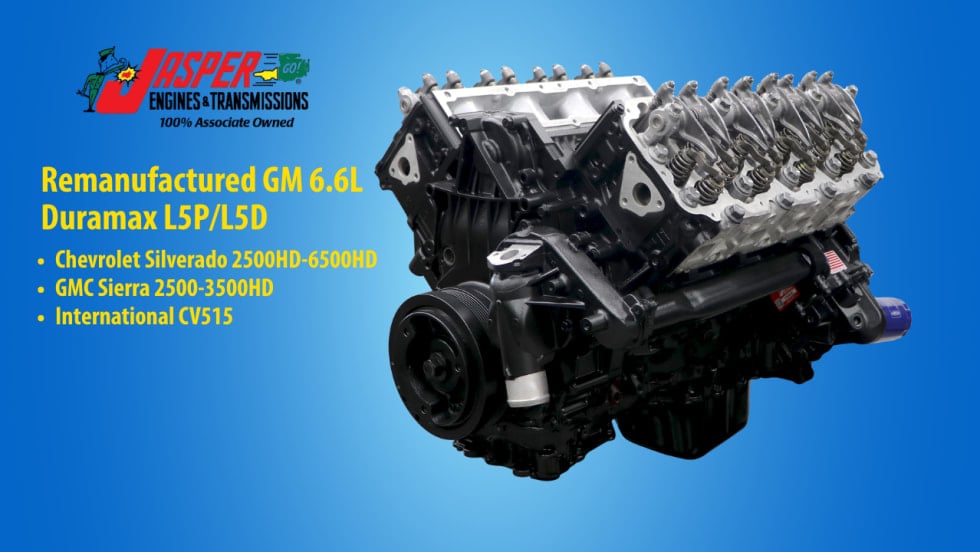
Jasper Offers GM 6.6L Duramax L5P/L5D Complete Format Diesel Engines
Jasper Engines & Transmissions now offers the remanufactured GM Duramax 6.6L L5P/L5D as a complete format engine for several General Motors and International 2017-2023 HD pickup trucks.
Read More →
Armor Equipment Strengthens Minnesota Service Capabilities with Acquisition of Dakota Truck
Armor Equipment has acquired Dakota Truck, a medium- and heavy-duty truck and trailer repair business based in Lakeville, Minnesota. The acquisition adds truck and trailer repair expertise, building on Armor’s expansion into the Upper Midwest.
Read More →
LaFontaine Partners With UVeye to Expand AI Vehicle Inspections in Michigan
LaFontaine is expanding UVeye AI vehicle inspections across Michigan, while UVeye tells Work Truck how the technology can support fleet maintenance and heavy-duty vehicle inspections.
Read More →
Les Schwab Expands Commercial Tire Footprint Into Arizona
Les Schwab Tires has expanded into Arizona with two commercial tire locations in Phoenix and Tucson, strengthening its fleet service footprint in the Southwest.
Read More →