




CARB Tightens Fuel Emission Rules
The California Air Resources Board has opted to “readopt” a Low Carbon Fuel Standard that requires a 10 percent reduction in the “carbon intensity of transportation fuels” by 2020.


Image: California State Transportation Agency

Image: California State Transportation Agency
In line with a policy goal of California Gov. Jerry Brown (D) that calls for a greenhouse-gas-reduction target of 40% below 1990 levels by 2030, the California Air Resources Board announced Sept. 25 that it has opted to “readopt” a Low Carbon Fuel Standard (LCFS) that requires a 10% reduction in the “carbon intensity of transportation fuels” by 2020.
The board also said it has adopted a regulation on Alternative Diesel Fuels (ADF). This measure establishes a three-step process beginning in 2016 “to create a path to bring cleaner diesel substitutes into the market.”
The regulation also establishes requirements and fuel specifications for biodiesel to ensure the emissions of nitrogen oxides (NOx) from biodiesel use will not increase and will be reduced over time. CARB noted that biodiesel and other ADFs can help producers achieve their target under the low-carbon fuel standards.
These actions follow an executive order issued by Gov. Brown in July that directs state agencies to craft an “integrated action plan” by July 2016 that would set “clear targets to improve freight efficiency, transition to zero-emission technologies [for cars and trucks] and increase competitiveness of California's freight system.”
The moves build on “years of successful implementation and will continue reducing carbon emissions from the transportation sector," said CARB Chair Mary D. Nichols. “Transportation is the largest source of greenhouse gases in the state," she noted. “This program is a key element of California’s plans to enact Gov. Brown’s Executive Order mandating a 50% cut in petroleum use by 2030.”
According to CARB, the LCFS ensures that transportation fuels used in California meet a baseline target for carbon intensity. That target is reduced each year. If a product is deemed above the annual carbon intensity target, the fuel incurs deficits. If a product is below the target, the fuel generates credits that may be used later for compliance or sold to other producers who have deficits. The board said that, so far, fuel producers are “over-complying with the regulation.”
California determines carbon intensity through a life-cycle analysis that measures the amount of carbon generated during the extraction, production, transportation and combustion of a fuel.
Therefore, said CARB, the LCFS does not require use of any specific fuel – only that regulated parties find a blend of fuels and credits that will meet the declining target each year.
CARB noted that the decline in the LCFS carbon-intensity targets was “frozen due to a legal challenge.” That was resolved by readopting the LCFS rule following public testimony delivered during a board meeting.
The readopted version of the LCFS includes modifications CARB said were developed with stakeholder input, including:
Incorporating additional cost containment in response to stakeholder concerns about possible price spikes by including a mechanism to cap LCFS credit prices
Streamlining the application process for alternative fuel producers seeking a carbon intensity score
Improving the process for earning LCFS credits by charging electric vehicles
The Western States Trucking Association is having none of it. “The LCFS is just another example of the constant tinkering by CARB with fuel blends in this state that has led California to have the highest average gas price in the country – for arguably little overall effect on global climate change,” WSTA Director of Governmental Affairs & Communications Joe Rajkovacz told HDT.
"Between California’s already high taxes at the pump, hidden taxes as a result of CARB’s cap and trade system on refiners and distributors, and the reduced fuel economy from already mandated ‘boutique fuel’ blends, this state seems intent on crippling significant sectors of its economy,” he continued.
As for the ADF regulation, Rajkovacz said that has been “in the works for quite some time as regulators singularly focus on carbon neutral solutions to fossil fuel usage.
“The good news,” he added, “is that while this effort will place California-based motor carriers at a competitive disadvantage in the marketplace, because they can’t avoid the increased associated fuel costs that will occur since they operate extensively here, trucks coming from out-of-state will always be able to buy their fuel in border states – avoiding the increased costs and the likely lower fuel efficiency that invariably follows in the wake of mandating ‘boutique fuel’ blends.”
Originally posted on Automotive Fleet
More Green Fleet

Fleet Forward Conference Introduces One-Day Passes for 2026
New one-day registration gives fleet professionals the flexibility to attend Tuesday, Wednesday, or Thursday, with passes available for $199 through Sept. 18.
Read More →
CALSTART Rebrands as Catalyst Mobility, Will Combine with Forth in 2027
CALSTART has rebranded as Catalyst Mobility and will combine with Forth at the start of 2027. The new organization said it is poised to become one of the world's largest, strongest, and most impactful clean transportation nonprofits.
Read More →
Electric Truck and Charging Programs to Boost Sustainability at NY & NJ Ports
Together, the Port Authority of New York and New Jersey and CALSTART will electrify drayage and terminal operations serving the East Coast’s busiest container port. A pair of incentive programs totaling $45 million has launched to accelerate adoption of zero-emission drayage trucks and terminal tractors.
Read More →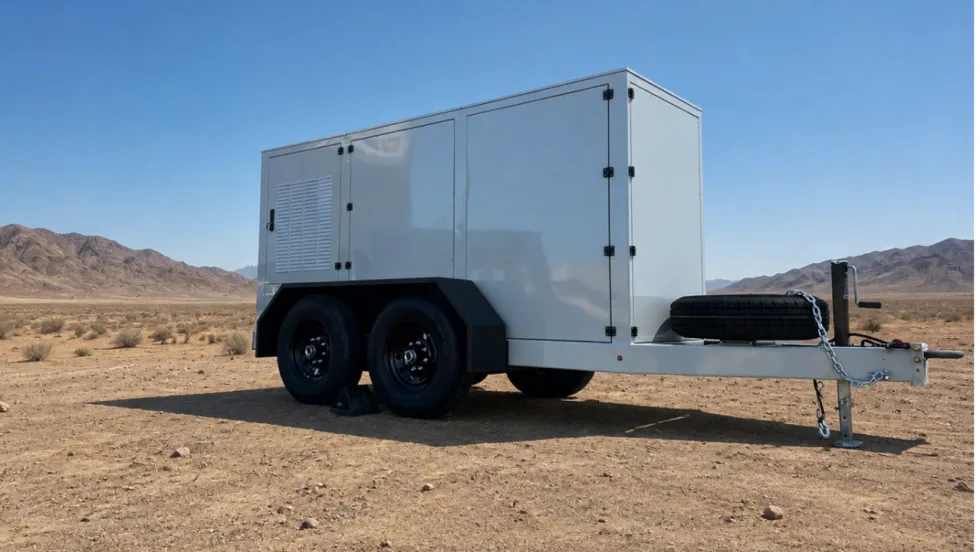
Xos Hub Surpasses One Gigawatt-Hour of Energy Delivered in the Field
A single Xos Hub has surpassed one gigawatt-hour of energy across more than 33,600 charging sessions in the field, demonstrating performance that supports Xos' expansion across new products and markets.
Read More →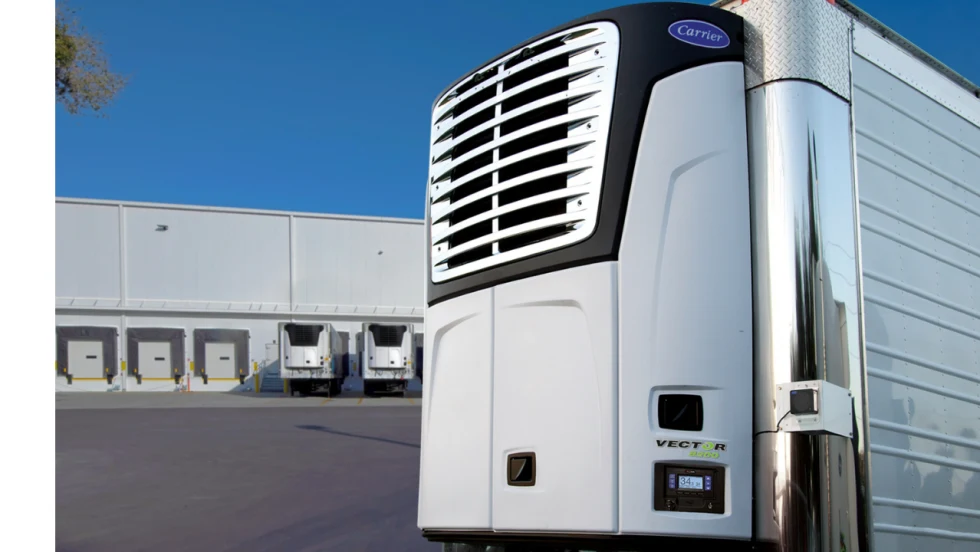
Carrier Transicold Launches All-Electric Vector 8200 TRU for Diesel-Free On-Site Cold Storage
Carrier Transicold’s first engineless multi-temperature TRU helps fresh- and frozen-food fleets add supplemental cold storage capacity during seasonal peaks.
Read More →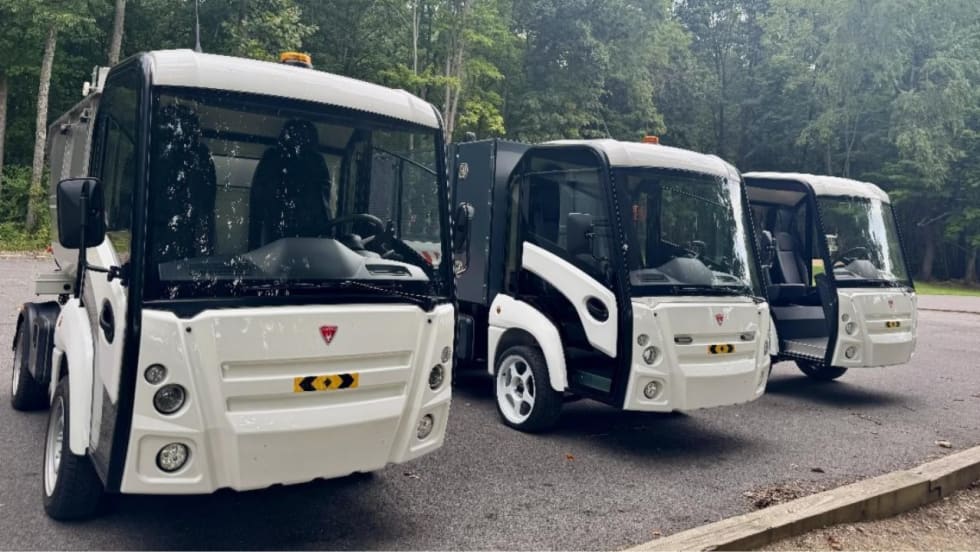
Narro Trucks Introduces Electric Utility Vehicle
Narro Trucks officially launched its operations on Aug. 20 and hosted a ride and drive to showcase its electric truck, which will be produced in Virginia.
Read More →
Samsung SDI Takes Full Control of GM Battery JV as Indiana Plant Pivots to Energy Storage
Samsung SDI is taking full control of its Indiana battery plant with GM, marking a major shift from the EV-focused joint venture Charged Fleet first covered in 2023.
Read More →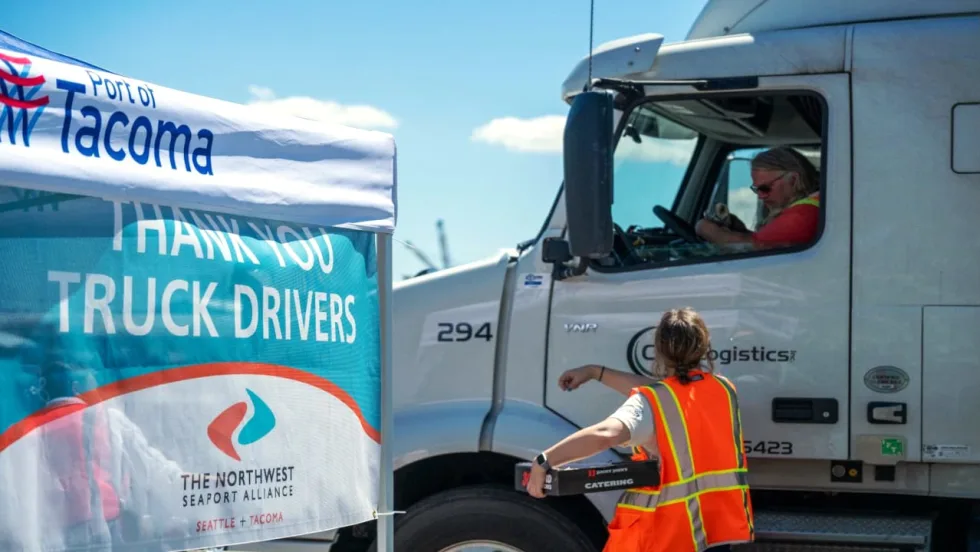
NWSA Taps CALSTART to Administer Zero-Emission Drayage Assistance Program
CALSTART will provide free technical assistance services to drayage fleets serving the Ports of Seattle and Tacoma and looking to transition to cleaner technologies and help decarbonize freight hubs.
Read More →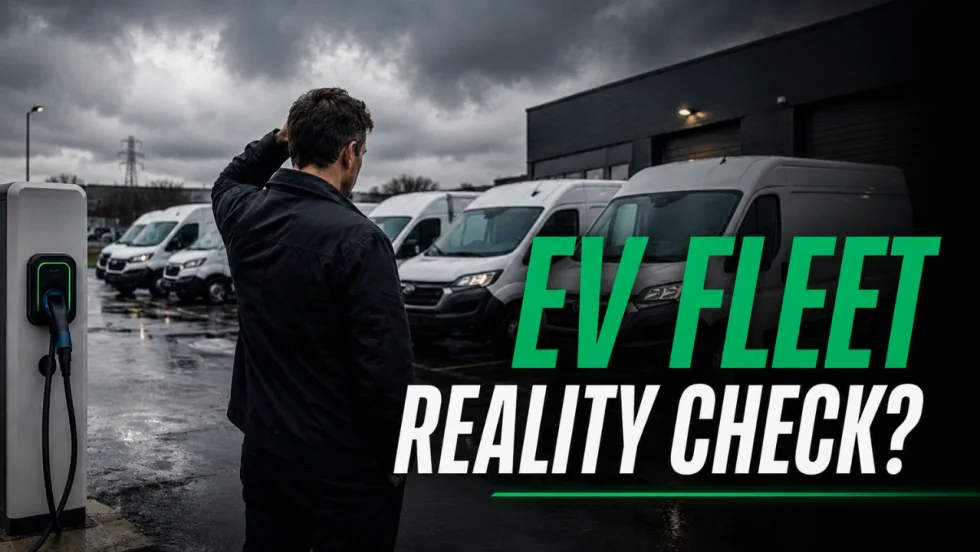
EV Fleet Reality Check: What Operators Wish They Knew Before Electrifying Their Work Vans
Electric work truck upfits bring new compatibility questions. Learn how parts availability, OEM guidance, power demands, and route planning can affect fleet performance.
Read More →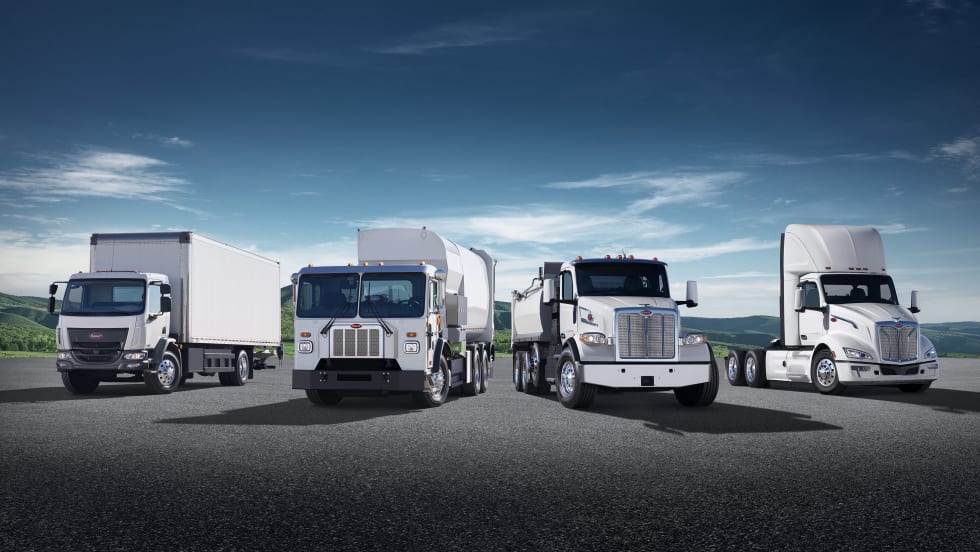
Peterbilt Expands Sourcewell Partnership with Electric Vehicle Lineup
Peterbilt Motors Company’s cooperative purchasing agreement with Sourcewell and its Canadian partner, Canoe Procurement Group, now includes including Peterbilt's battery-electric vehicle lineup.
Read More →