





Learn More: What to Consider When Planning to Deploy an EV Utility Fleet
California Leaders Launch Coalition to Accelerate Adoption of ZEVs
The Accelerate to Zero Emissions coalition – consisting of 13 entities, including the region’s largest cities – aims to make it easier for local residents and businesses to transition to electric vehicles (EV), plug-in hybrids, and hydrogen fuel cell vehicles.
August 5, 2021
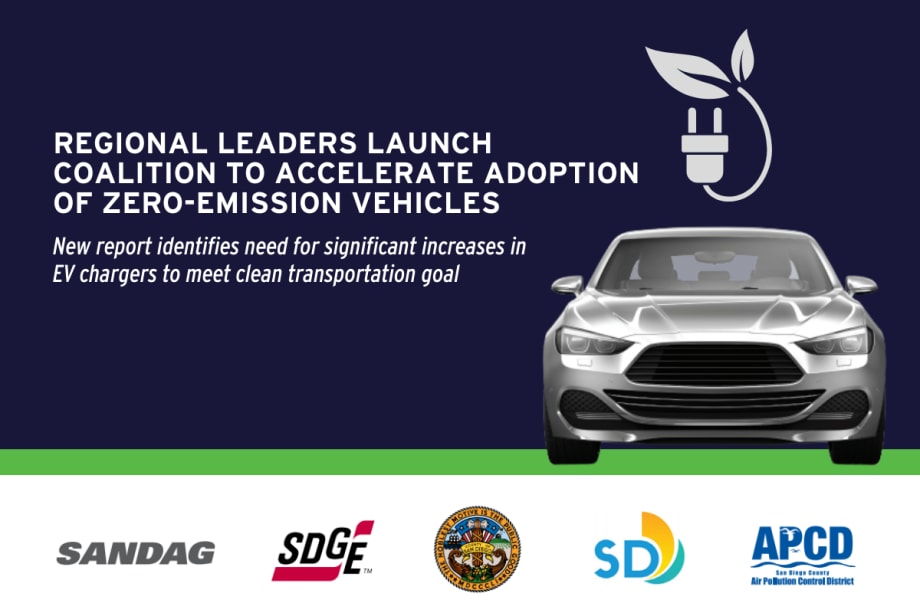
The Accelerate to Zero Emissions coalition – consisting of 13 entities, including the region’s largest cities – aims to make it easier for local residents and businesses to transition to electric vehicles (EV), plug-in hybrids, and hydrogen fuel cell vehicles.
Photo: SG&E
3 min to read
On July 29, a diverse group of local California leaders representing public, private, and nonprofit organizations announced the launch of Accelerate to Zero Emissions (A2Z) – a regional collaborative dedicated to curbing air pollution and climate change through clean transportation. The coalition – consisting of 13 entities, including the region’s largest cities – aims to make it easier for local residents and businesses to transition to electric vehicles (EV), plug-in hybrids, and hydrogen fuel cell vehicles.
At a press conference at the San Diego County Administration Center, A2Z leaders released the results of a newly completed gap analysis, which identifies barriers to widespread adoption of zero-emission vehicles (ZEV), particularly in underserved and marginalized communities. The report also quantifies for the first time how many EV chargers and hydrogen fueling stations are needed for the region to meet its share of California’s clean transportation goal – 8 million ZEVs on the road by 2030. The San Diego region’s share of that goal is 771,000. As of 2020, the region had about 69,000 ZEVs on the road. To keep pace with the region’s targeted level of ZEV growth, about 155,000 EV chargers and a few dozen hydrogen fueling stations are needed. As of 2020, there were 6,700 chargers in the region and one hydrogen fueling station.
“We have a long way to go to clean up the transportation sector – the largest source of greenhouse gas emissions in California and in our region and a very significant source of air pollution,” said Estela de Llanos, SDG&E’s vice president of energy procurement and sustainability. “The gaps in our fueling infrastructure for zero-emission vehicles are so large, no single entity can solve the problem on its own. Regional collaboration is critical.”
As part of their climate action plan or sustainability strategy, many local jurisdictions, agencies, and companies have already adopted clean transportation goals, policies, and programs on their own. SDG&E, which has pledged to reach net zero GHG emissions by 2045, has a diverse portfolio of programs to expand the regional EV charging infrastructure and has announced plans to pilot hydrogen fleet vehicles. Some local cities and agencies have recently upgraded their own fleets with electric or hybrid vehicles. Some have adopted zoning ordinances for EV parking or streamlined the permitting process for installing chargers. The gap analysis found multiple overlapping clean transportation efforts and recommends coordinating them to make a bigger impact.
Aside from SDG&E and the City of San Diego, other core members of A2Z are the County of San Diego, the county Air Pollution Control District, and San Diego Association of Governments (SANDAG). Other coalition members include the cities of Carlsbad, Chula Vista, Escondido, Santee, Cleantech San Diego, Grid Alternatives, MAAC, and the University of San Diego’s Energy Policy Initiatives Center. A2Z’s mission is not just to get the San Diego region on a faster path to clean transportation. Equally important to the coalition is doing it in an equitable manner – ensuring residents of all income levels have access to zero-emission vehicles and share in their benefits. A2Z started coming together last summer amid the height of the pandemic.
More Green Fleet

Fleet Forward Conference Introduces One-Day Passes for 2026
New one-day registration gives fleet professionals the flexibility to attend Tuesday, Wednesday, or Thursday, with passes available for $199 through Sept. 18.
Read More →
CALSTART Rebrands as Catalyst Mobility, Will Combine with Forth in 2027
CALSTART has rebranded as Catalyst Mobility and will combine with Forth at the start of 2027. The new organization said it is poised to become one of the world's largest, strongest, and most impactful clean transportation nonprofits.
Read More →
Electric Truck and Charging Programs to Boost Sustainability at NY & NJ Ports
Together, the Port Authority of New York and New Jersey and CALSTART will electrify drayage and terminal operations serving the East Coast’s busiest container port. A pair of incentive programs totaling $45 million has launched to accelerate adoption of zero-emission drayage trucks and terminal tractors.
Read More →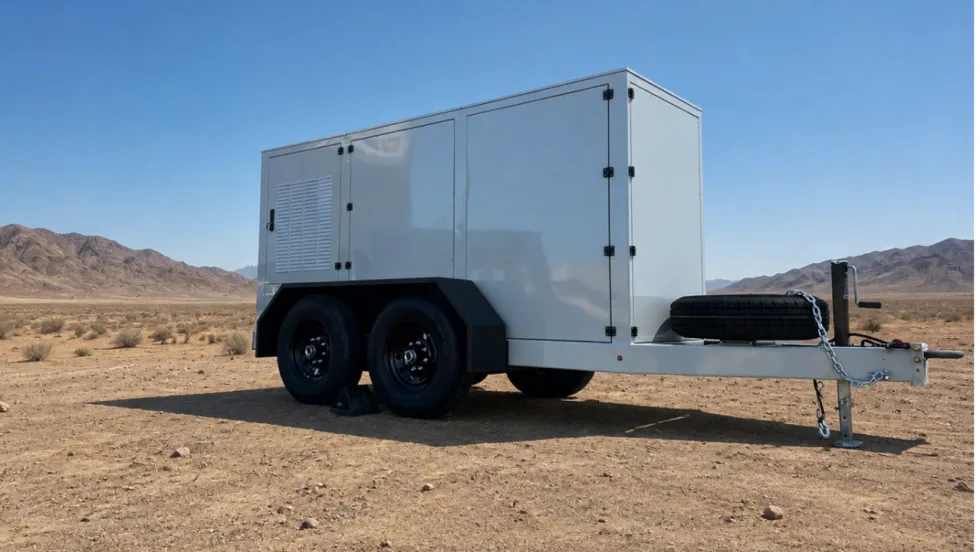
Xos Hub Surpasses One Gigawatt-Hour of Energy Delivered in the Field
A single Xos Hub has surpassed one gigawatt-hour of energy across more than 33,600 charging sessions in the field, demonstrating performance that supports Xos' expansion across new products and markets.
Read More →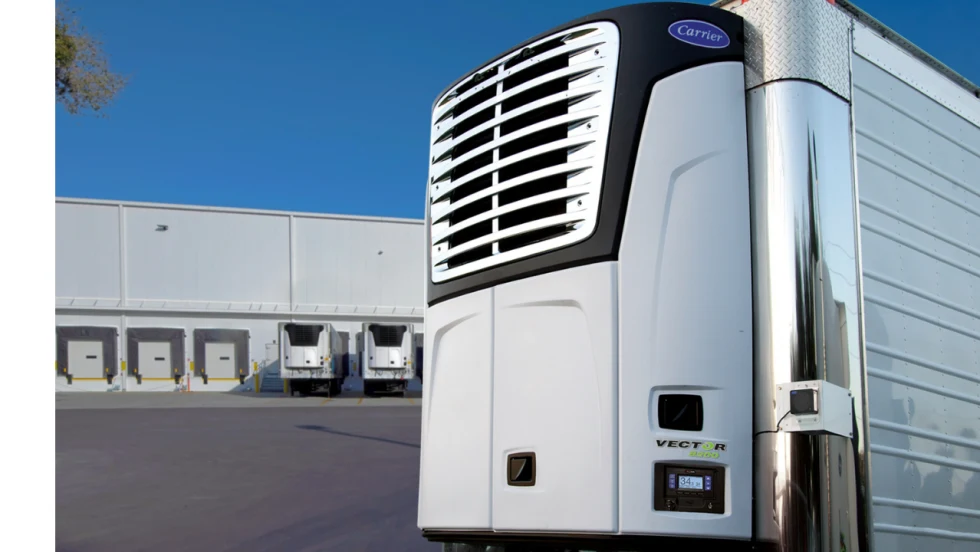
Carrier Transicold Launches All-Electric Vector 8200 TRU for Diesel-Free On-Site Cold Storage
Carrier Transicold’s first engineless multi-temperature TRU helps fresh- and frozen-food fleets add supplemental cold storage capacity during seasonal peaks.
Read More →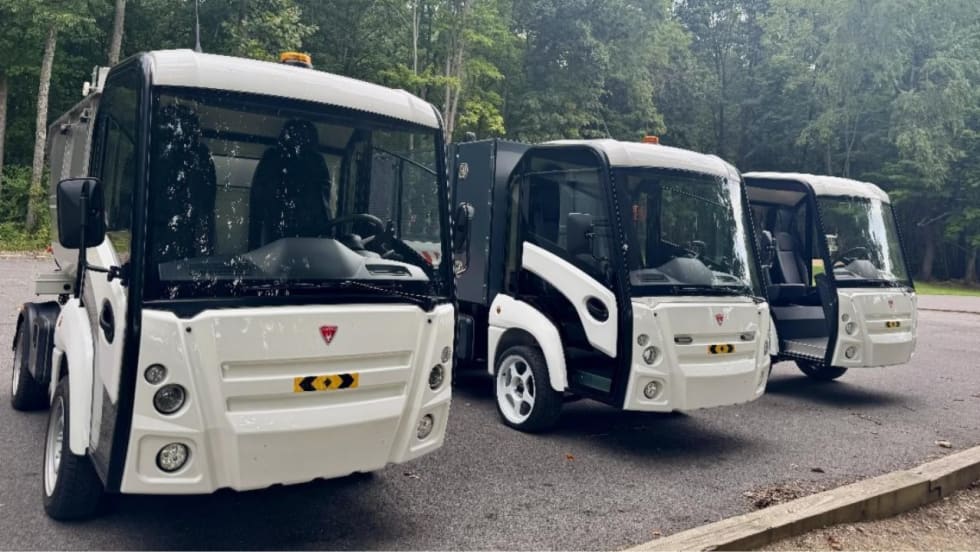
Narro Trucks Introduces Electric Utility Vehicle
Narro Trucks officially launched its operations on Aug. 20 and hosted a ride and drive to showcase its electric truck, which will be produced in Virginia.
Read More →
Samsung SDI Takes Full Control of GM Battery JV as Indiana Plant Pivots to Energy Storage
Samsung SDI is taking full control of its Indiana battery plant with GM, marking a major shift from the EV-focused joint venture Charged Fleet first covered in 2023.
Read More →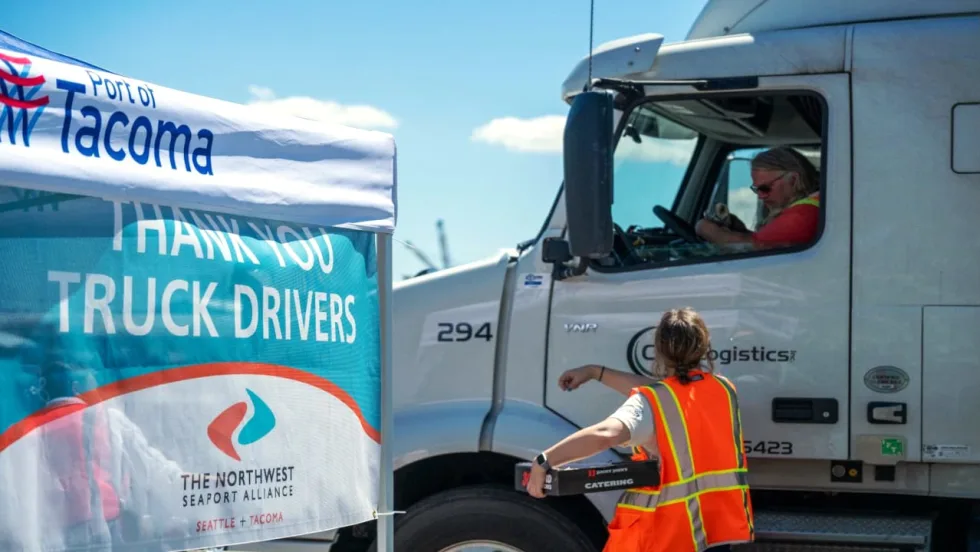
NWSA Taps CALSTART to Administer Zero-Emission Drayage Assistance Program
CALSTART will provide free technical assistance services to drayage fleets serving the Ports of Seattle and Tacoma and looking to transition to cleaner technologies and help decarbonize freight hubs.
Read More →
EV Fleet Reality Check: What Operators Wish They Knew Before Electrifying Their Work Vans
Electric work truck upfits bring new compatibility questions. Learn how parts availability, OEM guidance, power demands, and route planning can affect fleet performance.
Read More →
Peterbilt Expands Sourcewell Partnership with Electric Vehicle Lineup
Peterbilt Motors Company’s cooperative purchasing agreement with Sourcewell and its Canadian partner, Canoe Procurement Group, now includes including Peterbilt's battery-electric vehicle lineup.
Read More →