




Calif. Legislators Pass Ignition Interlock Bill
If signed into law, the requirement for DUI offenders would go into effect in 2019.
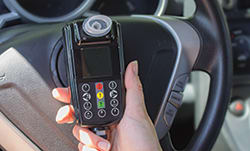
An alcohol ignition interlock is a breath-test device connected to a vehicle's ignition. Photo courtesy of CDC.
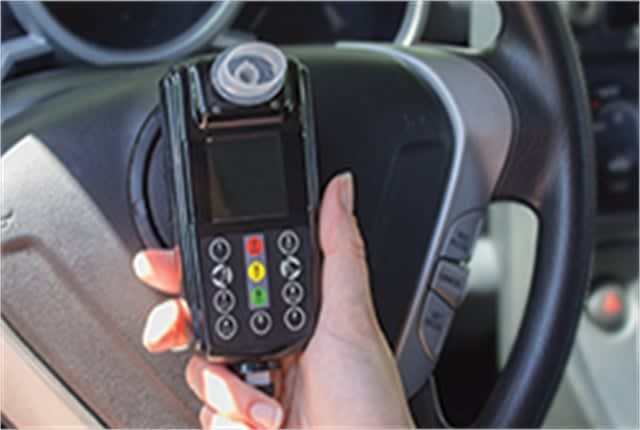
An alcohol ignition interlock is a breath-test device connected to a vehicle's ignition. Photo courtesy of CDC.
California legislators have passed a bill requiring DUI offenders to equip their vehicles with an alcohol ignition interlock device if they want their license reinstated, reissued, or if they want to qualify for a restricted license.
If Governor Jerry Brown signs the legislation, the new law will take effect in January 2019.
Four counties in California — Los Angeles, Sacramento, Alameda, and Tulare — already require DUI offenders to install such devices as part of a pilot program. First-time offenders in those counties are ordered to use an ignition interlock device for five months. That period can be extended if there are subsequent violations.
The legislation, which passed the state Senate on a 39-0 vote on Aug. 25, would expand the pilot program with these modifications:
For a first DUI offense that also involves an injury, an ignition interlock device would be required for six months.
For a first DUI offense that involves no injuries, an offender may choose a six-month ignition interlock device requirement with full driving privileges, or a one-year restricted license that would allow only driving to and from work if the offender also participates in a treatment program.
A second DUI offense would result in an ignition interlock device requirement for one year
A third DUI offense would require an ignition interlock device for two years
A fourth or subsequent DUI offense would require an ignition interlock device for three years.
The legislation, originally introduced by Senator Jerry Hill (D-San Mateo), offers an incentive to DUI offenders who choose to install an ignition interlock device soon after their arrest. They would be allowed full driving privileges with installation and use of an ignition interlock device, and their ultimate time requirement would be reduced based on their early installation of the device.
An ignition interlock device costs less than $3 a day — approximately $60 to $80 per month — for monitoring and calibration. It costs $70 to $150 for installation. A sliding scale would enable low-income offenders to pay 10%, 25%, or 50% of the ignition interlock device costs, depending on income. The device provider would pay the rest.
According to the Centers for Disease Control and Prevention (CDC), ignition interlocks reduce repeat drunk-driving offenses by about 70% while they’re installed. But nationwide, only about one-fifth of those arrested for drunk driving have interlocks installed as a result.
All 50 states and the District of Columbia have ignition interlock laws on the books, but only 23 require the devices for all offenders, according to the National Conference of State Legislatures. Many states impose the devices on repeat offenders or on offenders with exceptionally high levels of alcohol in their blood.
A 2014 study conducted by the CDC, National Highway Traffic Safety Administration (NHTSA), Governors Highway Safety Association (GHSA) and produced by the Preusser Research Group helped identify eight actions needed for a successful alcohol ignition interlock program. They are:
Require or incentivize use
Levy strong penalties
Monitor interlocks to ensure proper use
Implement uniformly across the state
Coordinate across agencies
Educate stakeholders about the program
Provide adequate resources (including staff and funding)
Use data for action (including data records such as level of offense, BAC level at time of arrest, number of prior arrests, installation/removal dates, and violations).
To download a CDC report on increasing ignition interlock use, click here.
Originally posted on Automotive Fleet
More Safety
When Work Trucks Under 26,001 Pounds Need IRP Registration
Think trucks under 26,001 pounds are automatically in the clear when it comes to IRP? Not always. Learn where lighter vehicles can still run into trip permit, apportioned registration, and IFTA compliance requirements when crossing state or provincial lines.
Read More →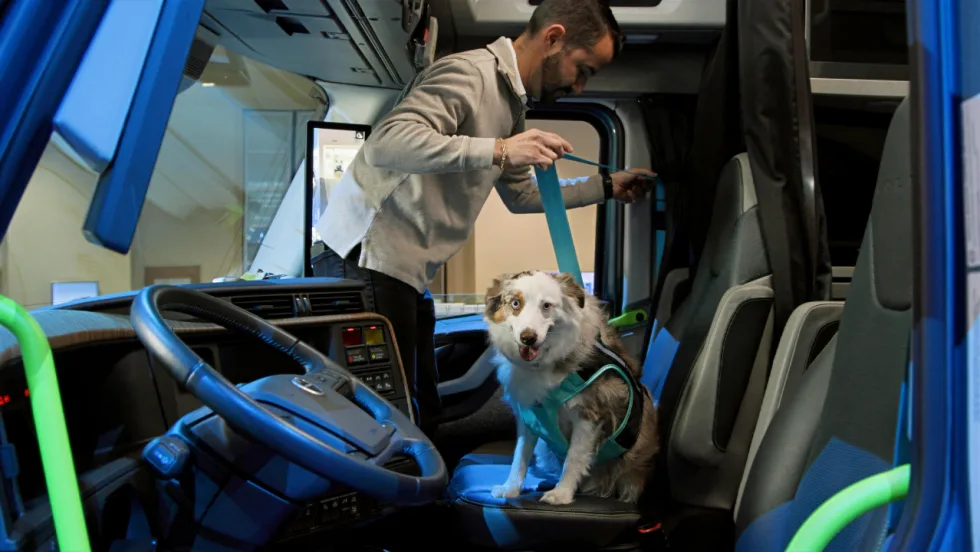
Volvo Trucks Releases New Safety Recommendations for Traveling with Pets
One of the most important recommendations for professional drivers traveling with pets is to ensure pets are properly restrained while the truck is moving. Other tips are available in the new guide from Volvo Trucks North America and Center for Pet Safety.
Read More →
API Issues Refueling Safety Guidelines
The American Petroleum Institute offers a list of safe vehicle refueling guidelines, including ways to avoid potential problems with static electricity discharges in fall, winter, and early spring.
Read More →
Winter Fleet Prep: Expert Tips to Keep Vehicles Running Smoothly
Cold weather can expose weak batteries, tires, fuel systems, and maintenance gaps fast. Use this winter fleet checklist to prepare trucks and drivers before temperatures drop.
Read More →
When a Work Truck Breaks Down, the Job Can Stop, Too
A work truck breakdown can stop more than the vehicle. Discover how payloads, jobsites, and specialty equipment change the roadside response.
Read More →
What Stronger Long-Term Fleet Service Partnerships Actually Require
Fleet service partnerships rarely fall apart all at once. Learn the three warning signs that trust is eroding and what fleets and providers can do before downtime, frustration, and lost revenue follow.
Read More →
Applause & TRUCE Software Partner to Improve Driver Safety Through AI-Powered Telematics & Employee Performance Management
Applause has integrated TRUCE driving metrics directly into its employee-first performance and safety platform that transforms mobile devices into AI-powered telematics.
Read More →
How Detroit Assurance with Active Brake Assist Works
Do you want to see what it is like to experience Detroit Assurance’s Active Brake Assist? In this video, Work Truck will put you in the cab to see how it all works and then hear more details from DTNA’s Mike Young.
Read More →
Get Left of Loss: A 5-Step Workplace Violence Prevention Framework for Fleet Operators
Violence risks do not stop at the driver’s door. Learn five practical steps fleets can take to spot threats early and protect workers before loss occurs.
Read More →
How Better Visibility Cut Speeding Violations by 48%
Fleet leaders don't need more data, they need clearer visibility into what the data is saying. This case study explores how one utility replaced speeding-event counts with a single metric — miles driven in violation — to strengthen safety and significantly reduce speeding violations.
Read More →