





[Photos: Looking Back] Volvo Delivers VNR Electric to Manhattan Beer Distributors
BYD Delivers Electric Terminal Tractor to Beer Distributor
Manhattan Beer Distributors has emphasized the importance of alternative-fuel solutions for over two decades to improve air quality for its communities and minimize its environmental footprint.
February 10, 2023
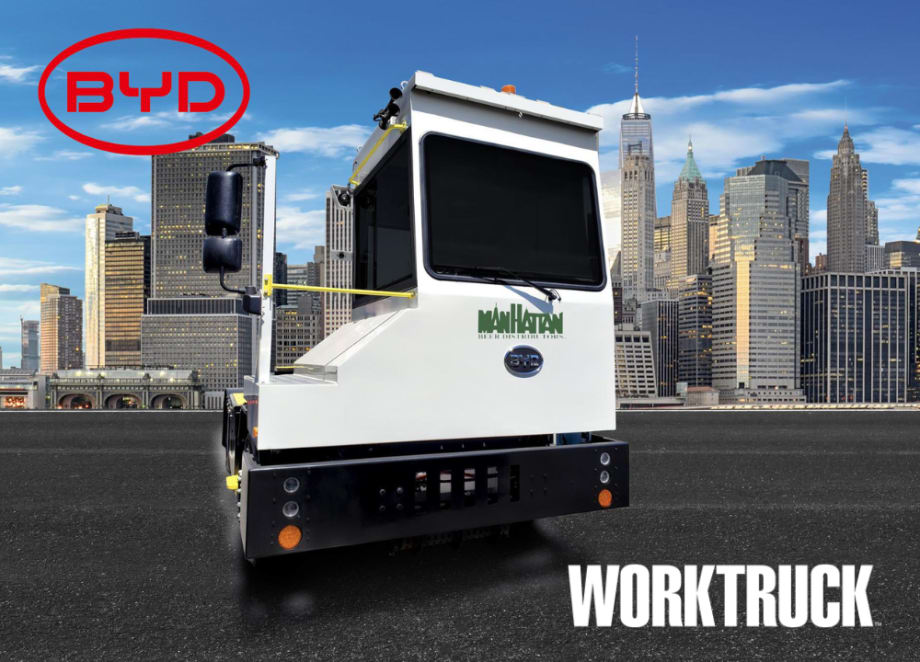
Photo: BYD/Work Truck
3 min to read
BYD (Build Your Dreams) announced the delivery of a heavy-duty, Class 8 (8Y) terminal tractor in January to New York’s beer and beverage wholesaler, Manhattan Beer Distributors.
This delivery is the first electric terminal tractor in the company’s fleet of more than 355 trucks, hard at work delivering its products to New York City, Long Island, and the Hudson Valley.
“The 8Y BYD terminal tractor is equipped with the industry’s safest, longest lasting, and most reliable battery systems worldwide. The 8Y terminal tractor was designed and built as an integrated system with the highest performance and endurance,” said BYD in a statement.
Milea Truck Sales and Leasing, a BYD truck dealer, helped deliver this truck which can provide 22 to 26 hours of consecutive operation.
“BYD applauds Manhattan Beer Distributors for their dedication to improving the quality of life in their community by switching to clean energy vehicles,” shared BYD Senior Vice President Patrick Duan. “Manhattan Beer’s green initiatives truly show their commitment to helping the environment, and BYD is happy to work with a company so eager to make a difference.”
Why Electrify a Beer Distribution Fleet?
Manhattan Beer Distributors has emphasized the importance of alternative-fuel solutions for over two decades to improve air quality for its communities and minimize its environmental footprint. Manhattan Beer’s green initiatives can be seen throughout several areas of its business, expanding beyond its electrified fleets into recycling operations and solar panel investments.
“We’re excited to partner with BYD and NYSERDA to electrify our yard tractor as part of our continued efforts to increase the use of sustainable fuels throughout our entire operation,” said Juan Corcino, Senior Director of Fleet and Sustainability at Manhattan Beer Distributors.
What's Under the Heavy-Duty Hood?
The heavy-duty Class 8 terminal tractor features the following features:
Wheelbase: 118 in
GCWR: 102,000 lbs.
Max Power: 241 HP
Max Torque: 1,106 lb.-ft.
Initial Battery Capacity: 217 kWh
Charging PowerDC: 120 kW CCS1
Charging Time: 2 hrs
The truck features a top speed of 33 mph with a 15% max gradability.
The BYD 8Y’s core technologies include state-of-the-art batteries, controls and motors. These core technologies are designed, tested and built by BYD as an integrated system. This allows the BYD 8Y to achieve the highest levels of performance, endurance and reliability.
BYD trucks are assembled by members of the Sheet Metal, Air, Rail, and Transit (SMART) worker’s union, Local 105, in BYD’s manufacturing facility located in Lancaster, California.
In other news, BYD’s trucks are also eligible for California Incentives. Medium-duty Class 6 models (6F and 6R) are eligible for $85,000 while the heavy-duty Class 8 models (8R and 8TT) are eligible for $120,000. The company also participated in Clean Air Day in October to help in a unified day of action to create new habits to clean the air.
More Green Fleet

Fleet Forward Conference Introduces One-Day Passes for 2026
New one-day registration gives fleet professionals the flexibility to attend Tuesday, Wednesday, or Thursday, with passes available for $199 through Sept. 18.
Read More →
CALSTART Rebrands as Catalyst Mobility, Will Combine with Forth in 2027
CALSTART has rebranded as Catalyst Mobility and will combine with Forth at the start of 2027. The new organization said it is poised to become one of the world's largest, strongest, and most impactful clean transportation nonprofits.
Read More →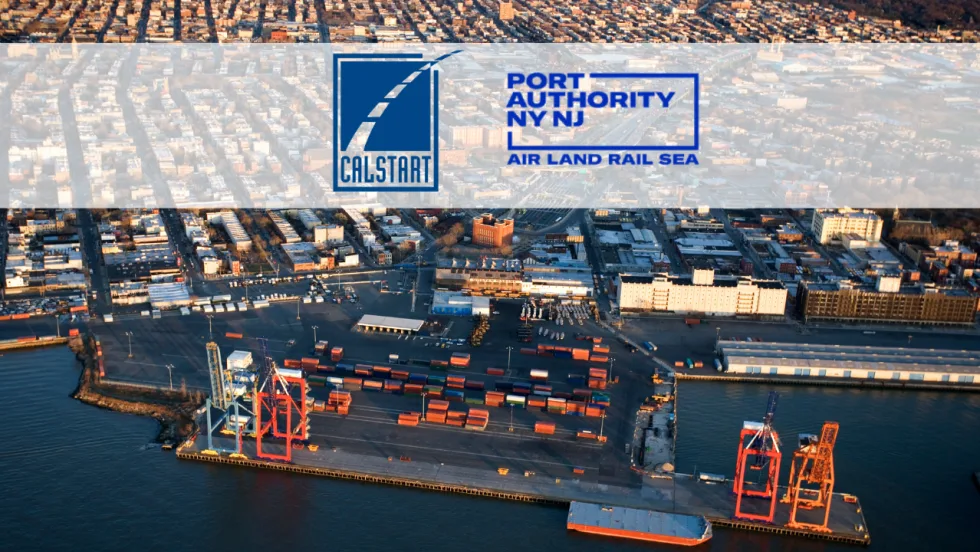
Electric Truck and Charging Programs to Boost Sustainability at NY & NJ Ports
Together, the Port Authority of New York and New Jersey and CALSTART will electrify drayage and terminal operations serving the East Coast’s busiest container port. A pair of incentive programs totaling $45 million has launched to accelerate adoption of zero-emission drayage trucks and terminal tractors.
Read More →
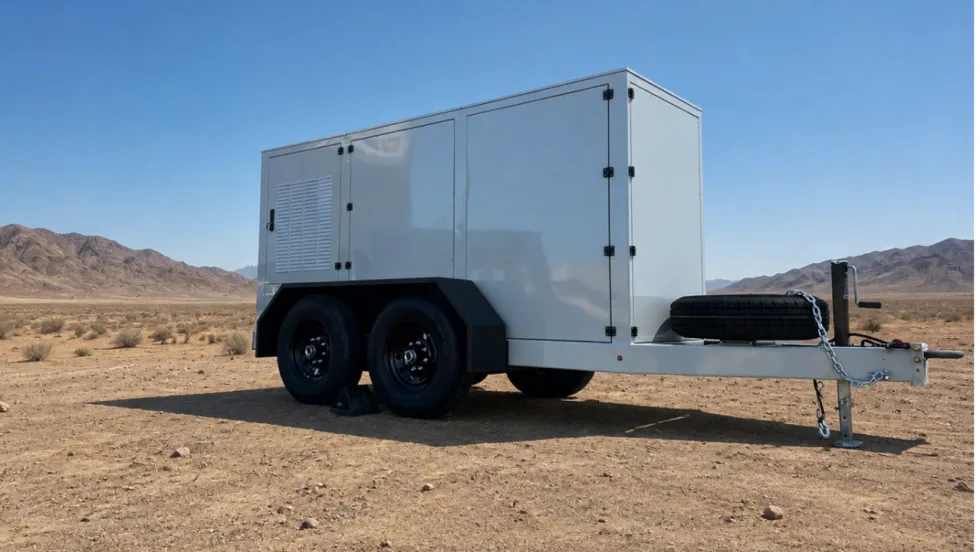
Xos Hub Surpasses One Gigawatt-Hour of Energy Delivered in the Field
A single Xos Hub has surpassed one gigawatt-hour of energy across more than 33,600 charging sessions in the field, demonstrating performance that supports Xos' expansion across new products and markets.
Read More →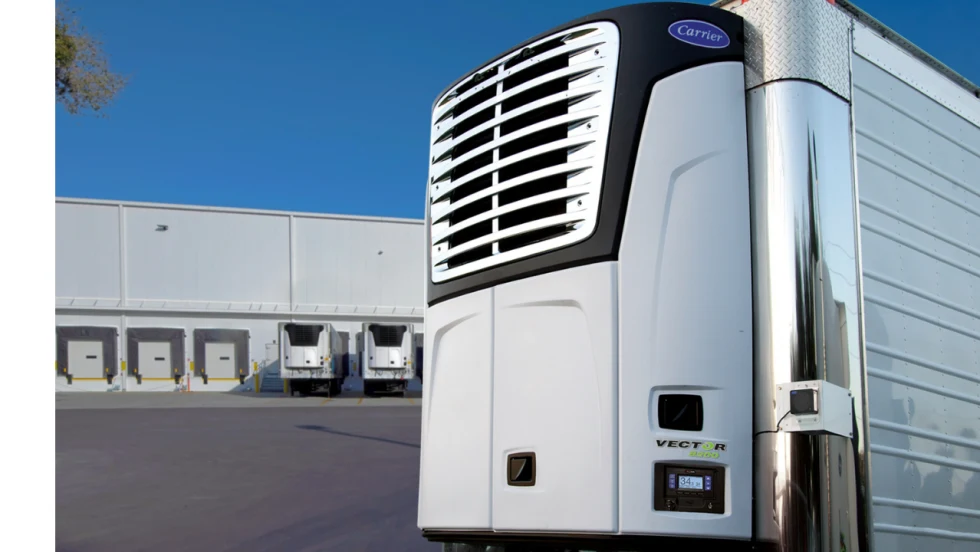
Carrier Transicold Launches All-Electric Vector 8200 TRU for Diesel-Free On-Site Cold Storage
Carrier Transicold’s first engineless multi-temperature TRU helps fresh- and frozen-food fleets add supplemental cold storage capacity during seasonal peaks.
Read More →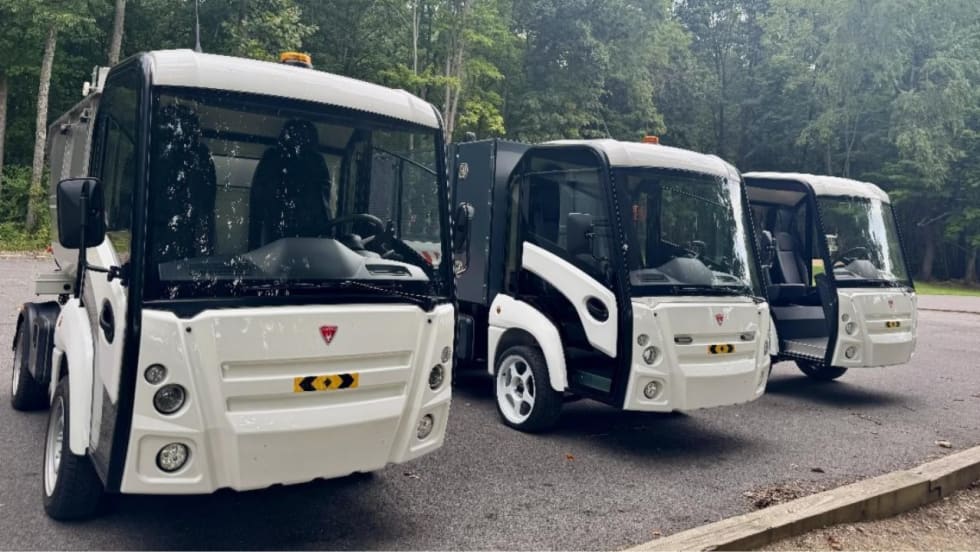
Narro Trucks Introduces Electric Utility Vehicle
Narro Trucks officially launched its operations on Aug. 20 and hosted a ride and drive to showcase its electric truck, which will be produced in Virginia.
Read More →
Samsung SDI Takes Full Control of GM Battery JV as Indiana Plant Pivots to Energy Storage
Samsung SDI is taking full control of its Indiana battery plant with GM, marking a major shift from the EV-focused joint venture Charged Fleet first covered in 2023.
Read More →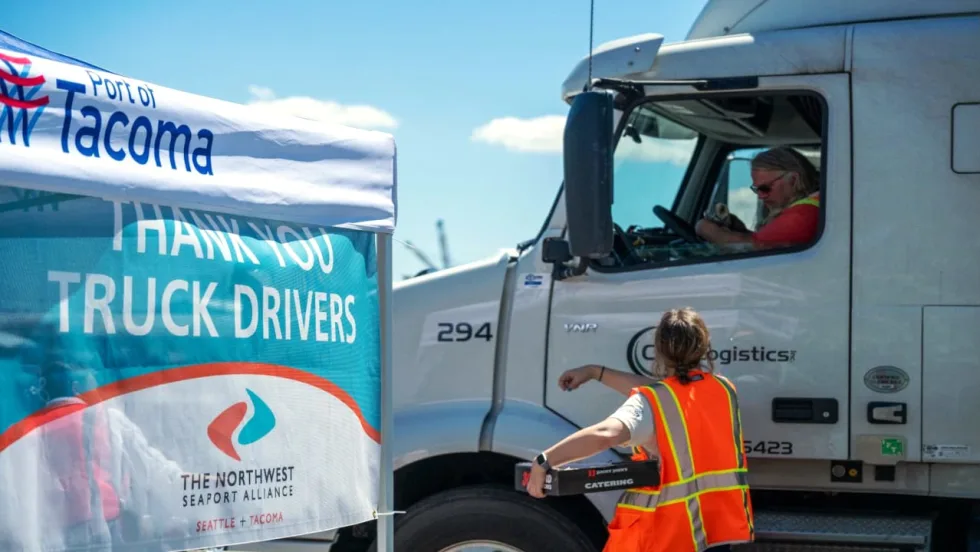
NWSA Taps CALSTART to Administer Zero-Emission Drayage Assistance Program
CALSTART will provide free technical assistance services to drayage fleets serving the Ports of Seattle and Tacoma and looking to transition to cleaner technologies and help decarbonize freight hubs.
Read More →
EV Fleet Reality Check: What Operators Wish They Knew Before Electrifying Their Work Vans
Electric work truck upfits bring new compatibility questions. Learn how parts availability, OEM guidance, power demands, and route planning can affect fleet performance.
Read More →
Peterbilt Expands Sourcewell Partnership with Electric Vehicle Lineup
Peterbilt Motors Company’s cooperative purchasing agreement with Sourcewell and its Canadian partner, Canoe Procurement Group, now includes including Peterbilt's battery-electric vehicle lineup.
Read More →