




Busting Tire Myths with Goodyear: Winter vs. All-Season
Winter is coming—are your tires ready? Goodyear experts bust common myths about all-season and winter tires to help you stay safe in any weather.
November 14, 2024


Snow or rain? Choosing the right tires for your climate can make all the difference. See how Goodyear clears up common winter tire myths and tips for safety.
Photo: Goodyear | Work Truck. This uses an AI-generated image. Refer to our Terms of Use.
3 min to read
As winter weather looms, many commercial fleets and work truck drivers are prepping their vehicles for slick, snowy roads. But when it comes to tires, myths and misconceptions often leave drivers spinning their wheels.
To help all drivers confidently gear up for winter, Goodyear’s tire experts are tackling the most common myths about all-season and winter tires, and why choosing the right ones could make all the difference for your fleet's safety and peace of mind.
Here’s what Goodyear wants drivers to know:
Myth 1: All-Season and Winter Tires Are Essentially the Same
Truth: While all-season tires like Goodyear’s Assurance WeatherReady 2 offer solid performance across various weather conditions, winter tires, such as the WinterCommand, are purpose-built for harsh winter environments. Their softer rubber and deeper treads deliver superior grip on snow and ice, ensuring safety in the toughest conditions.
Myth 2: One Tire Works Just as Well in All Weather
Truth: Winter tires provide unmatched traction and safety on icy roads, but their softer tread rubber can wear quickly on dry pavement.
For regions with mild winters, all-season tires are often a better fit, combining durability with multi-season versatility. Swapping out winter tires in warmer months is essential for maintaining optimal handling and tread life.
Myth 3: Tires Should Be Replaced Every Few Years
Truth: Goodyear recommends replacing any tire that has been in service for six years or more, even if it looks fine. That said, all-season tires generally last longer than seasonal tires, offering more mileage between replacements.
Myth 4: Flat Tires Are the Only Warning Sign
Truth: Tires have other telltale signs of wear, including:
Tread Wear Bars: When these bars are flush with the tread, it’s time for a replacement.
Uneven Wear Patterns: Misalignment or mechanical issues may show as uneven tread wear.
Sidewall Damage: Bulges or blisters can lead to tire failure and should be checked immediately.
Low Tire Pressure: Severely underinflated tires need professional inspection.
Myth 5: Stick with the Original Tires Your Car Came With
Truth: Your driving conditions should guide your fleet's tire choice. Goodyear offers a variety of options tailored to different needs, from all-season performance to specialized electric vehicle tires:
Assurance WeatherReady 2: Adaptable tread for severe snow and all-season performance.
Assurance All-Season: Engineered for wet, dry, and snowy traction.
ElectricDrive 2: Optimized for EV drivers, offering enhanced grip and responsiveness.
Stay Safe This Winter
Goodyear’s experts emphasize that choosing the right tires for your climate and driving habits can keep fleet drivers safer and more confident on the road. Whether you’re drivers are tackling snow-covered streets or sticking to all-season versatility, understanding your options can make all the difference.
Stay ahead of winter! Explore expert tips, tire myths, and must-know advice to keep your fleet moving safely through the season. Don’t get caught unprepared—read more now!
More Safety
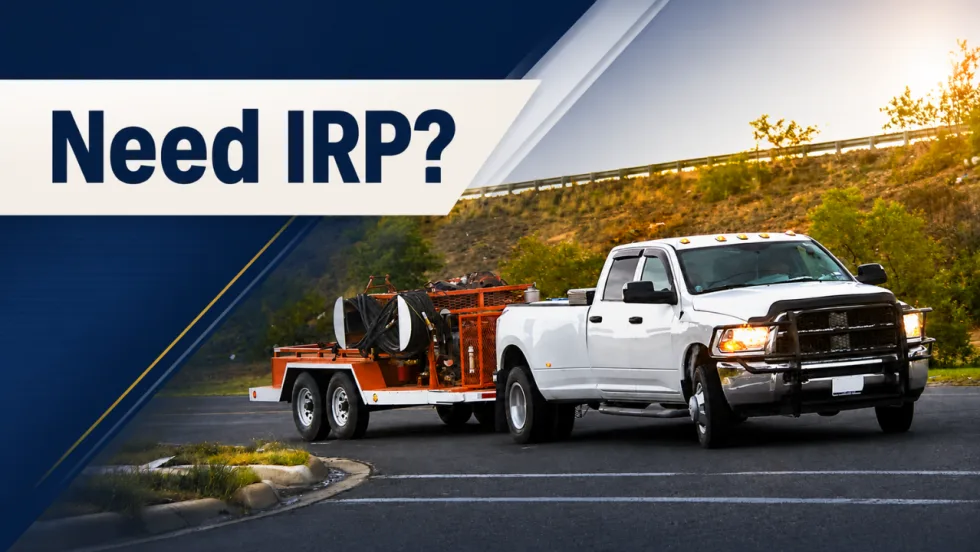
When Work Trucks Under 26,001 Pounds Need IRP Registration
Think trucks under 26,001 pounds are automatically in the clear when it comes to IRP? Not always. Learn where lighter vehicles can still run into trip permit, apportioned registration, and IFTA compliance requirements when crossing state or provincial lines.
Read More →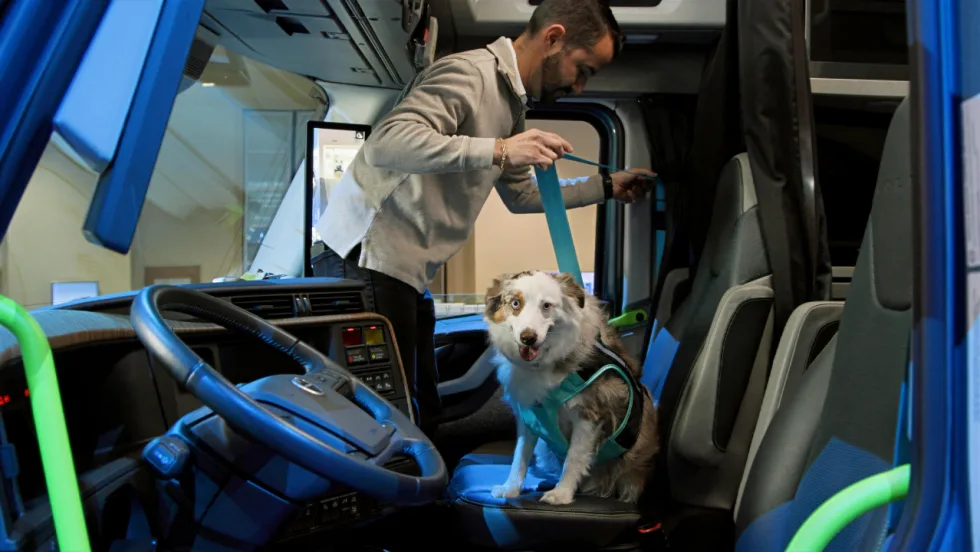
Volvo Trucks Releases New Safety Recommendations for Traveling with Pets
One of the most important recommendations for professional drivers traveling with pets is to ensure pets are properly restrained while the truck is moving. Other tips are available in the new guide from Volvo Trucks North America and Center for Pet Safety.
Read More →
API Issues Refueling Safety Guidelines
The American Petroleum Institute offers a list of safe vehicle refueling guidelines, including ways to avoid potential problems with static electricity discharges in fall, winter, and early spring.
Read More →
Winter Fleet Prep: Expert Tips to Keep Vehicles Running Smoothly
Cold weather can expose weak batteries, tires, fuel systems, and maintenance gaps fast. Use this winter fleet checklist to prepare trucks and drivers before temperatures drop.
Read More →
When a Work Truck Breaks Down, the Job Can Stop, Too
A work truck breakdown can stop more than the vehicle. Discover how payloads, jobsites, and specialty equipment change the roadside response.
Read More →
What Stronger Long-Term Fleet Service Partnerships Actually Require
Fleet service partnerships rarely fall apart all at once. Learn the three warning signs that trust is eroding and what fleets and providers can do before downtime, frustration, and lost revenue follow.
Read More →
Applause & TRUCE Software Partner to Improve Driver Safety Through AI-Powered Telematics & Employee Performance Management
Applause has integrated TRUCE driving metrics directly into its employee-first performance and safety platform that transforms mobile devices into AI-powered telematics.
Read More →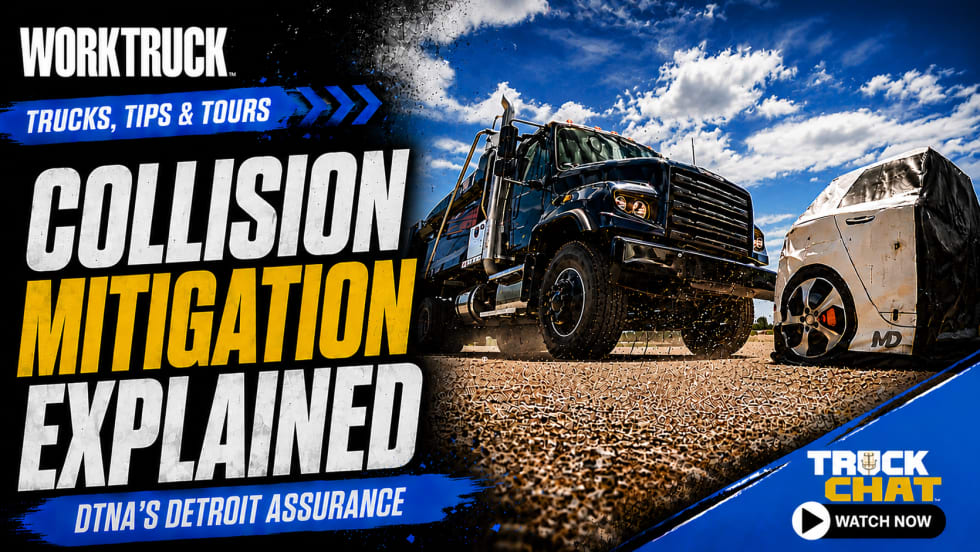
How Detroit Assurance with Active Brake Assist Works
Do you want to see what it is like to experience Detroit Assurance’s Active Brake Assist? In this video, Work Truck will put you in the cab to see how it all works and then hear more details from DTNA’s Mike Young.
Read More →
Get Left of Loss: A 5-Step Workplace Violence Prevention Framework for Fleet Operators
Violence risks do not stop at the driver’s door. Learn five practical steps fleets can take to spot threats early and protect workers before loss occurs.
Read More →
Sponsored•July 17, 2026
How Better Visibility Cut Speeding Violations by 48%
Fleet leaders don't need more data, they need clearer visibility into what the data is saying. This case study explores how one utility replaced speeding-event counts with a single metric — miles driven in violation — to strengthen safety and significantly reduce speeding violations.
Read More →