





Maximizing Fleet Efficiency: Best Practices for Strict Preventive Maintenance
AWP Safety Champions Urges Action During National Work Zone Awareness Week
With work zone fatalities on the rise, AWP Safety Champions calls for action during National Work Zone Awareness Week to promote safer work zones.
April 15, 2024

Through collaboration and the adoption of next-generation technologies, work zone accidents can be significantly reduced, ensuring the well-being of all road users.
Photo: Work Truck
4 min to read
Recent data from the National Highway Traffic Safety Administration (NHTSA) has revealed a concerning trend in work zone accidents. There has been a 46% surge in work zone fatalities since 2010, with over 890 fatalities in 2022 alone.
As National Work Zone Awareness Week kicks off, AWP Safety Champions calls on industry partners, policymakers, and the public to promote safer work zones.
Creating Safer Work Zones
At the core of AWP's approach to safety are innovative technologies like:
Automated Flagger Assistance Devices (AFADs)
Smart traffic cones
Intelligent Transportation Systems (ITS)
AFADs reduce the exposure of human flaggers to traffic, while smart traffic cones provide real-time input on traffic flow, enabling rapid response to changing conditions. AWP also utilizes ITS to interpret data from cameras, sensors, and vehicles, offering a detailed perspective of the work zone environment.
AWP's dedication to road safety is further demonstrated by its use of Samsara in-cab telematics across its vehicle fleet. This technology helps identify correctable driver behaviors, record incidents outside the driver's responsibility, and enable work zone video surveillance, all while ensuring optimal fleet uptime.
Data is paramount in AWP's strategic framework. By meticulously collecting and analyzing information from work zones, the company aims to elevate traffic control services from reactive to proactive, making them a vital part of clients' operational plans and fostering safer and more efficient projects.
"Digital transformation is also set to empower our field teams with the tools and reporting systems necessary for optimizing job scheduling and staffing. It's about working smarter and safer on the ground," explains Mark Ludewig, AWP's vice president of safety.
Through collaboration and the adoption of next-generation technologies, work zone accidents can be significantly reduced, ensuring the well-being of all road users. To learn more about safeguarding your people, visit awpsafety.com. To participate in raising awareness about work zone safety, check out nwzaw.org, hosted by the American Traffic Safety Services Association (ATSSA).
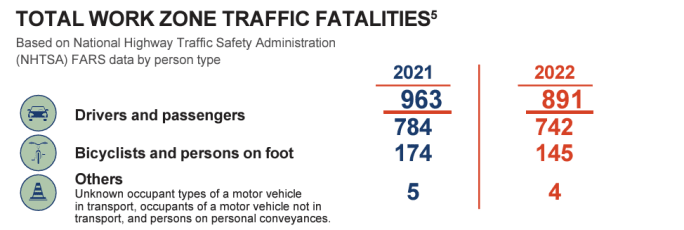
In 2022, 30% of fatal work zone crashes involved commercial motor vehicles (CMVs), which include large trucks and buses.
Photo: Maryland DOT
What is National Work Zone Awareness Week?
National Work Zone Awareness Week (NWZAW) has been successful in spreading awareness for work zone safety across the country because of participation from organizations and individuals just like you. Hundreds of companies and individuals reach out to ATSSA on social media each year using #NWZAW.
NWZAW 2024 is April 15-19, hosted by Maryland Department of Transportation. NWZAW highlights the deadly dangers of inattention at highway work areas. The 2024 weeklong commemoration included:
Work Zone Safety Training Day - April 15
National kickoff event - April 16
Go Orange Day - April 17
Social media storm - April 18
Moment of Silence - April 19. The moment of silence was started in 2022 to remember the men and women whose lives were lost in a work zone incident.
Staying Safe Behind the Wheel in Work Zones
Consider the following actions from the Maryland DOT behind the wheel to improve work zone safety for all:
Reroute. Avoid traveling through work zones, if possible. Otherwise, allow extra time for possible delays and travel safely.
Avoid distractions. Workers are focused on their jobs in work zones; be vigilant behind the wheel to safely travel through the work zone by putting down your phone and paying attention while driving.
Reduce speed. Follow speed limits to make driving through narrow lanes and lane shifts easier and safer for you while keeping workers safe.
Be aware of workers. The work area is often very close to travel lanes, so please be considerate: Take care and slow down when you see workers.
Watch for pedestrians and bicyclists. Work zones often restrict where nonmotorized road users can travel. In 2022, 145 persons on foot and bicyclists lost their lives in work zone crashes.
Give large vehicles space. Narrow lanes, unexpected lane shifts, and longer braking distances are challenges for large vehicles. Allow extra space for them to safely navigate work zones. In 2022, 30% of fatal work zone crashes involved commercial motor vehicles (CMVs), which include large trucks and buses. Take care around large construction vehicles, which may be driving at slower speeds to enter and exit the work area.
Stay alert. Be prepared for sudden stops. Work zones may cause unexpected slowdowns. In 2022, 21% of all fatal work zone crashes involved rear-end collisions.
More Safety
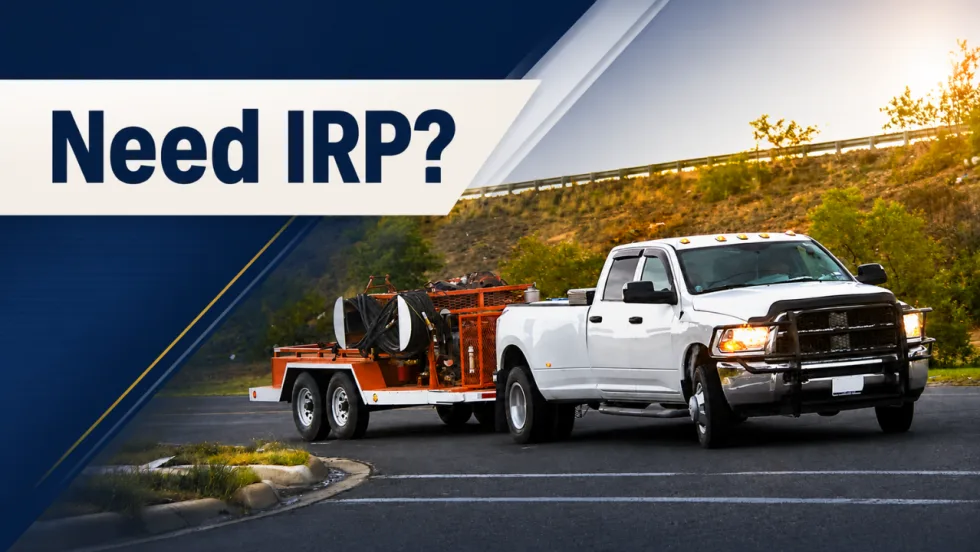
When Work Trucks Under 26,001 Pounds Need IRP Registration
Think trucks under 26,001 pounds are automatically in the clear when it comes to IRP? Not always. Learn where lighter vehicles can still run into trip permit, apportioned registration, and IFTA compliance requirements when crossing state or provincial lines.
Read More →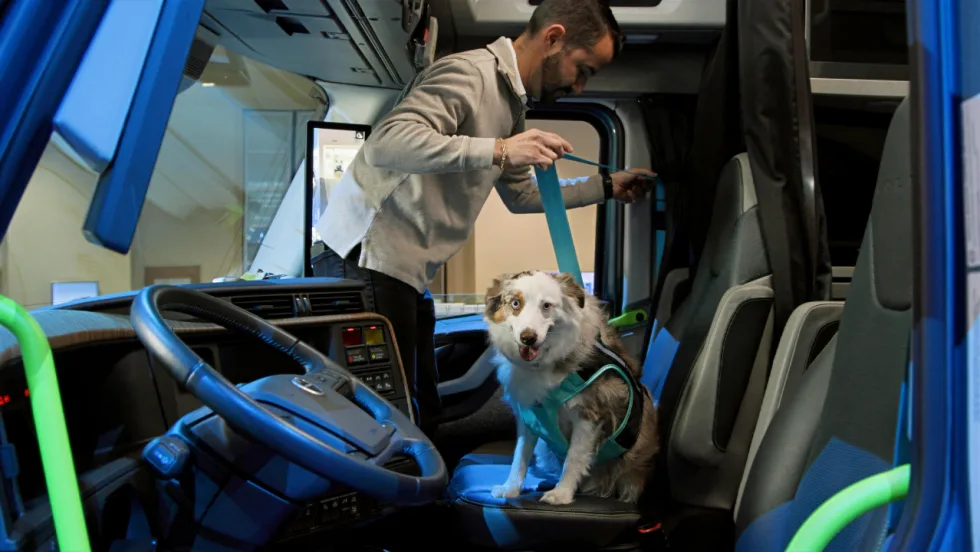
Volvo Trucks Releases New Safety Recommendations for Traveling with Pets
One of the most important recommendations for professional drivers traveling with pets is to ensure pets are properly restrained while the truck is moving. Other tips are available in the new guide from Volvo Trucks North America and Center for Pet Safety.
Read More →
API Issues Refueling Safety Guidelines
The American Petroleum Institute offers a list of safe vehicle refueling guidelines, including ways to avoid potential problems with static electricity discharges in fall, winter, and early spring.
Read More →
Winter Fleet Prep: Expert Tips to Keep Vehicles Running Smoothly
Cold weather can expose weak batteries, tires, fuel systems, and maintenance gaps fast. Use this winter fleet checklist to prepare trucks and drivers before temperatures drop.
Read More →
When a Work Truck Breaks Down, the Job Can Stop, Too
A work truck breakdown can stop more than the vehicle. Discover how payloads, jobsites, and specialty equipment change the roadside response.
Read More →
What Stronger Long-Term Fleet Service Partnerships Actually Require
Fleet service partnerships rarely fall apart all at once. Learn the three warning signs that trust is eroding and what fleets and providers can do before downtime, frustration, and lost revenue follow.
Read More →
Applause & TRUCE Software Partner to Improve Driver Safety Through AI-Powered Telematics & Employee Performance Management
Applause has integrated TRUCE driving metrics directly into its employee-first performance and safety platform that transforms mobile devices into AI-powered telematics.
Read More →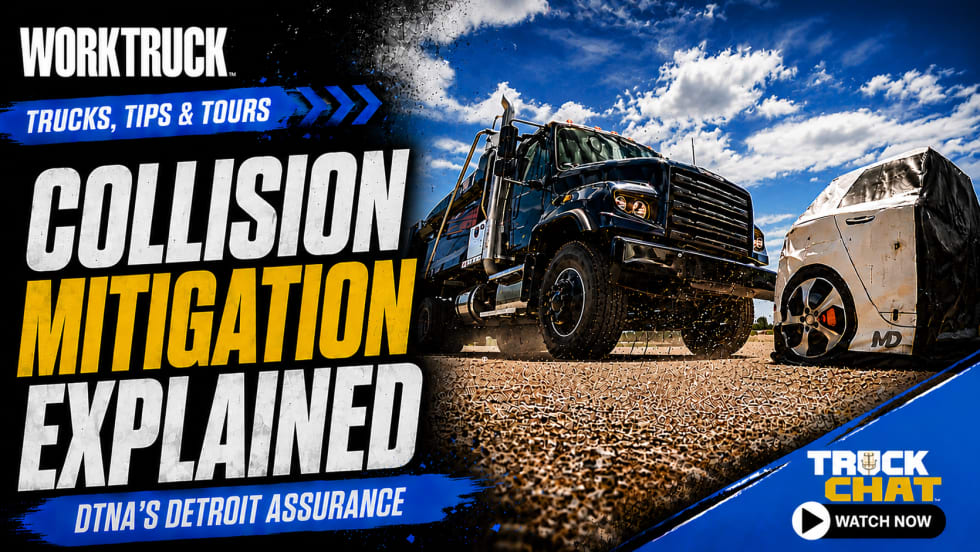
How Detroit Assurance with Active Brake Assist Works
Do you want to see what it is like to experience Detroit Assurance’s Active Brake Assist? In this video, Work Truck will put you in the cab to see how it all works and then hear more details from DTNA’s Mike Young.
Read More →
Get Left of Loss: A 5-Step Workplace Violence Prevention Framework for Fleet Operators
Violence risks do not stop at the driver’s door. Learn five practical steps fleets can take to spot threats early and protect workers before loss occurs.
Read More →
Sponsored•July 17, 2026
How Better Visibility Cut Speeding Violations by 48%
Fleet leaders don't need more data, they need clearer visibility into what the data is saying. This case study explores how one utility replaced speeding-event counts with a single metric — miles driven in violation — to strengthen safety and significantly reduce speeding violations.
Read More →