




ATA Urges FMCSA to Preserve CSA's Original Goal
ARLINGTON, VA – In a white paper released on June 20, American Trucking Associations urged the FMCSA to remain committed to the goal of its Compliance, Safety, Accountability program: to reduce commercial motor vehicle crashes, injuries and fatalities
ARLINGTON, VA – In a white paper released on June 20, American Trucking Associations (ATA) urged the Federal Motor Carrier Safety Administration to remain committed to the goal of its Compliance, Safety, Accountability program: to reduce commercial motor vehicle crashes, injuries and fatalities.
"From the outset, ATA has supported the objectives of CSA to provide a means for FMCSA to more efficiently and effectively reduce truck crashes," ATA President and CEO Bill Graves said. "However, unless FMCSA acknowledges certain limitations of the program and makes corresponding improvements, CSA will fall short of reaching its full potential."
In the paper, "Compliance, Safety, Accountability – Let's Not Make it an Ashtray," ATA Vice President of Safety Policy Rob Abbott wrote, FMCSA is touting the benefits of its program, even if they don't match the intended goal.
"According to the first paragraph of the CSA methodology, the goal of CSA is to implement more effective and efficient ways for FMCSA, its state partners, and the trucking industry to reduce commercial motor vehicle crashes, fatalities, and injuries," Abbott wrote. "Logically, scores in each of the measurement categories should reliably identify carriers more likely to cause crashes. However, in some instances, they do not."
As a result, he said, FMCSA must guard against revising the goal of the program from identifying those carriers that are the crash-prone to highlighting the importance of regulatory compliance.
"It may be tempting for FMCSA to simply change the stated goal of CSA to match the output. Placing an emphasis on compliance is certainly important," Abbott concluded. "But in the end we should remember that CSA is about prioritizing carriers for intervention. Accordingly, most people would probably agree that the highest priority should be placed on identifying motor carriers and drivers that are causing crashes and changing their behavior."
More Safety
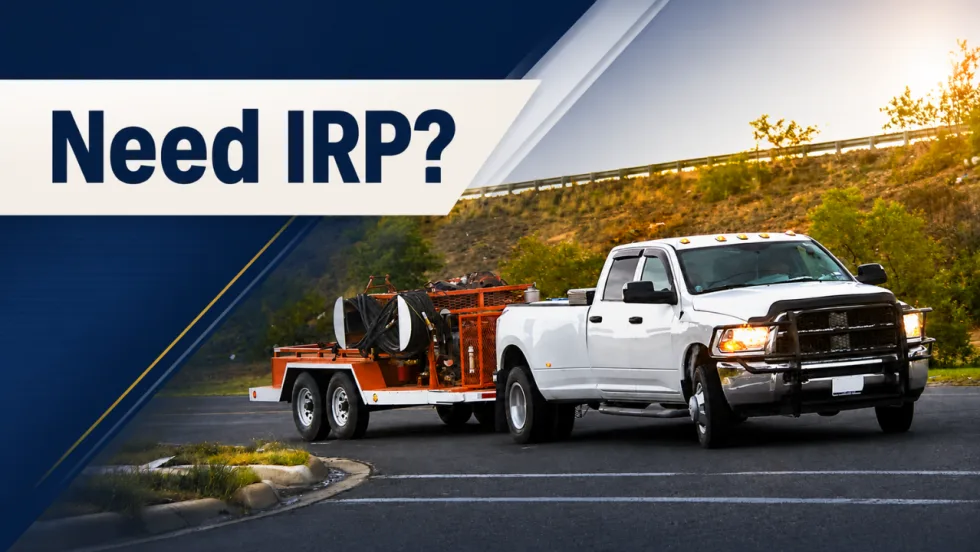
When Work Trucks Under 26,001 Pounds Need IRP Registration
Think trucks under 26,001 pounds are automatically in the clear when it comes to IRP? Not always. Learn where lighter vehicles can still run into trip permit, apportioned registration, and IFTA compliance requirements when crossing state or provincial lines.
Read More →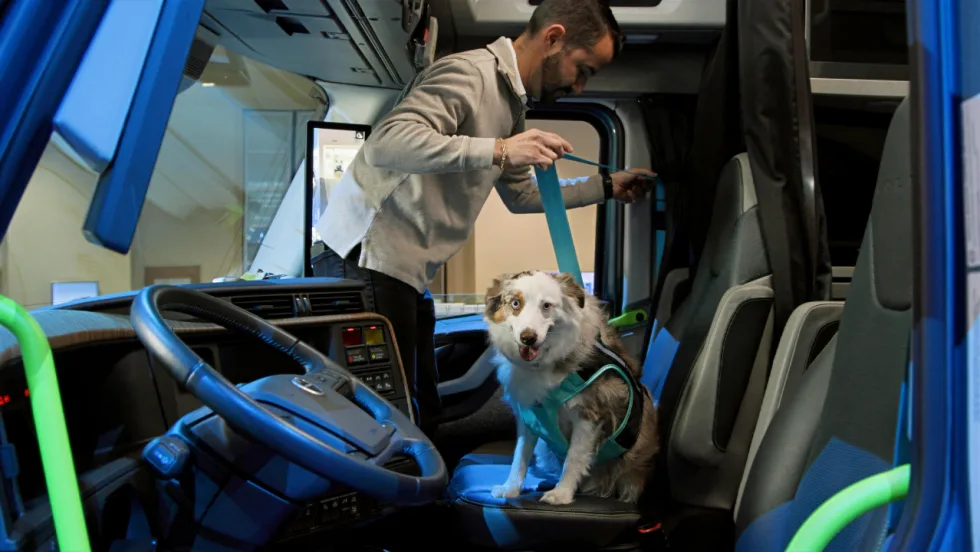
Volvo Trucks Releases New Safety Recommendations for Traveling with Pets
One of the most important recommendations for professional drivers traveling with pets is to ensure pets are properly restrained while the truck is moving. Other tips are available in the new guide from Volvo Trucks North America and Center for Pet Safety.
Read More →
API Issues Refueling Safety Guidelines
The American Petroleum Institute offers a list of safe vehicle refueling guidelines, including ways to avoid potential problems with static electricity discharges in fall, winter, and early spring.
Read More →
Winter Fleet Prep: Expert Tips to Keep Vehicles Running Smoothly
Cold weather can expose weak batteries, tires, fuel systems, and maintenance gaps fast. Use this winter fleet checklist to prepare trucks and drivers before temperatures drop.
Read More →
When a Work Truck Breaks Down, the Job Can Stop, Too
A work truck breakdown can stop more than the vehicle. Discover how payloads, jobsites, and specialty equipment change the roadside response.
Read More →
What Stronger Long-Term Fleet Service Partnerships Actually Require
Fleet service partnerships rarely fall apart all at once. Learn the three warning signs that trust is eroding and what fleets and providers can do before downtime, frustration, and lost revenue follow.
Read More →
Applause & TRUCE Software Partner to Improve Driver Safety Through AI-Powered Telematics & Employee Performance Management
Applause has integrated TRUCE driving metrics directly into its employee-first performance and safety platform that transforms mobile devices into AI-powered telematics.
Read More →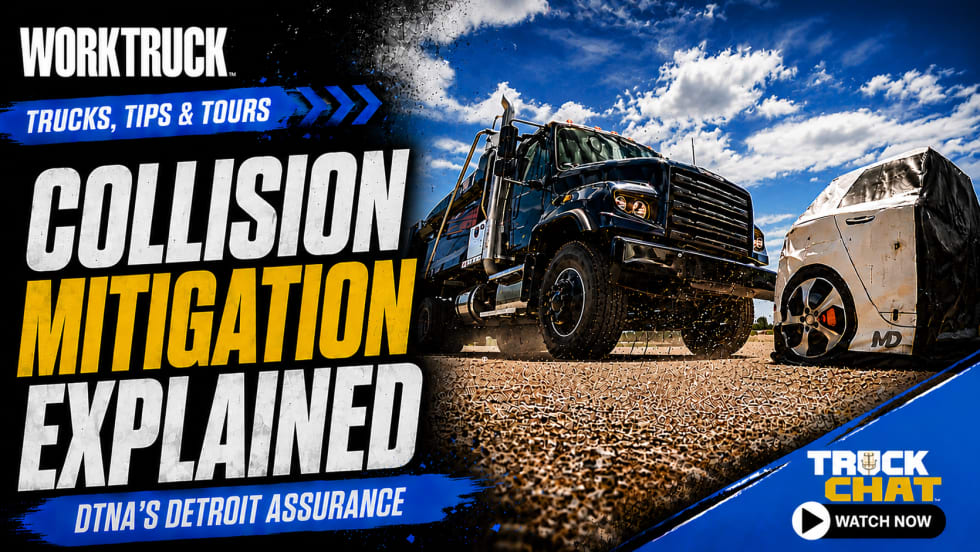
How Detroit Assurance with Active Brake Assist Works
Do you want to see what it is like to experience Detroit Assurance’s Active Brake Assist? In this video, Work Truck will put you in the cab to see how it all works and then hear more details from DTNA’s Mike Young.
Read More →
Get Left of Loss: A 5-Step Workplace Violence Prevention Framework for Fleet Operators
Violence risks do not stop at the driver’s door. Learn five practical steps fleets can take to spot threats early and protect workers before loss occurs.
Read More →
How Better Visibility Cut Speeding Violations by 48%
Fleet leaders don't need more data, they need clearer visibility into what the data is saying. This case study explores how one utility replaced speeding-event counts with a single metric — miles driven in violation — to strengthen safety and significantly reduce speeding violations.
Read More →