




Related: Amazon Wants Employees to Open Package Delivery Businesses
Amazon Delivery Contractors Linked to Increasing Road Deaths
As part of Amazon’s Last Mile program, the company has created a logistics network that relies on contracted delivery services using undertrained drivers in rented trucks. This creates a wall that protects Amazon from liability in fatal collisions.
by Michaela Kwoka-Coleman
September 20, 2019
As part of Amazon’s Last Mile program, the company has created a logistics network that relies on contracted delivery services to move products from warehouses to doorsteps.
Photo via Depositphotos.
2 min to read
As the popularity of next-day and same-day delivery continues to rise, a dark side generated by these transportation demands has been growing, largely out of sight.
According to numerous reports by Curbed, BuzzFeed, and ProPublica, Amazon’s promise of next- and same-day delivery has caused 60 crashes and 10 deaths since 2015. According to a 2018 report by the National Association of City Transportation Officials (NACTO) and the U.S. Department of Transportation’s Volpe Center, deaths related to truck accidents rose 9% last year.
As part of Amazon’s Last Mile program, the company has created a logistics network that relies on contracted delivery services to move products from warehouses to doorsteps.
Since these drivers are contractors, not employees, Amazon has repeatedly denied that it is responsible or accountable for any of the accidents. Under the agreements of the Last Mile program, contracted delivery companies must assume all liability and legal costs, essentially protecting Amazon from blame.
In a court filing regarding the death of an 84-year-old woman who was struck and killed by a contracted driver from delivery service Inpax, lawyers for Amazon state that the “damages, if any, were caused, in whole or in part, by third parties not under the direction or control of Amazon.com.”
While the delivery drivers are not Amazon employees, the Seattle-based company maintains control over the drivers through an app, dictating the order of deliveries and even routes. The app also tracks drivers, and any drivers who start to fall behind schedule will receive a call from an Amazon dispatcher.
The online retailer requires that 999 out of 1,000 deliveries are made on time.
These contracted drivers often have to rent larger delivery vans that are not designed for urban streets to meet their delivery quotas, ProPublica's investigation found.
While large trucks only make up 4% of U.S. fleet vehicles, they cause 7% of pedestrian deaths and 12% of driver and passenger fatalities, according to NACTO.
NACTO also reports that allowing larger vehicles in urban areas is dangerous because they are more difficult to maneuver. They must often double park on city streets, blocking bike lanes and sidewalks, which has contributed to an increase in pedestrian and cyclist deaths.
Some cities are pushing for companies to use smaller vehicles that prioritize cab placement, high-visibility windows, and hood shape, and are specifically designed to protect pedestrians.
However, it is difficult for cities to mandate vehicle requirements for private delivery companies.
Originally posted on Automotive Fleet
More Safety
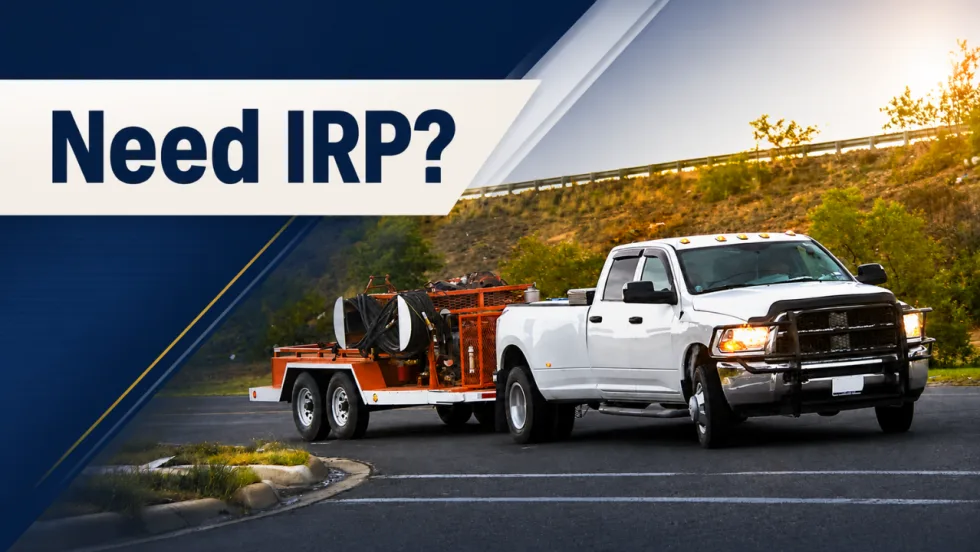
When Work Trucks Under 26,001 Pounds Need IRP Registration
Think trucks under 26,001 pounds are automatically in the clear when it comes to IRP? Not always. Learn where lighter vehicles can still run into trip permit, apportioned registration, and IFTA compliance requirements when crossing state or provincial lines.
Read More →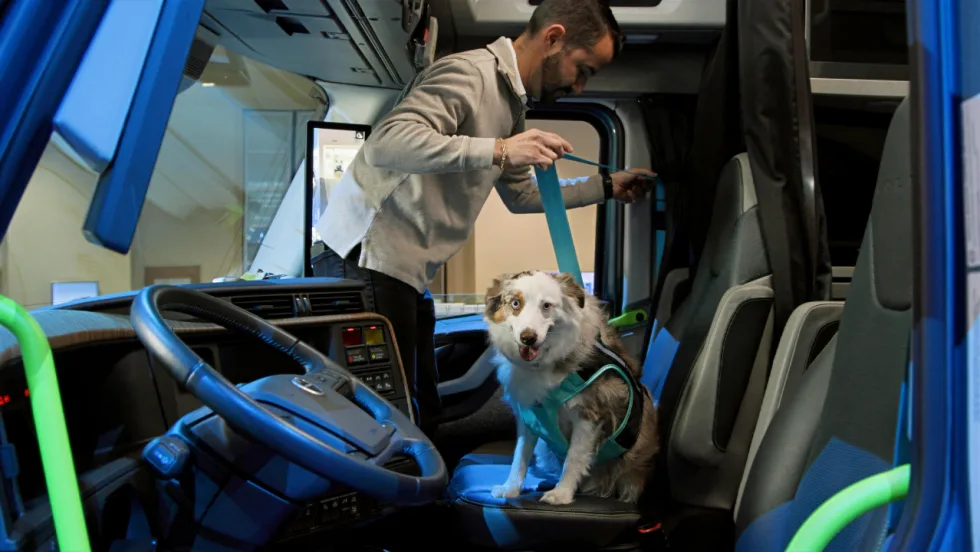
Volvo Trucks Releases New Safety Recommendations for Traveling with Pets
One of the most important recommendations for professional drivers traveling with pets is to ensure pets are properly restrained while the truck is moving. Other tips are available in the new guide from Volvo Trucks North America and Center for Pet Safety.
Read More →
API Issues Refueling Safety Guidelines
The American Petroleum Institute offers a list of safe vehicle refueling guidelines, including ways to avoid potential problems with static electricity discharges in fall, winter, and early spring.
Read More →
Winter Fleet Prep: Expert Tips to Keep Vehicles Running Smoothly
Cold weather can expose weak batteries, tires, fuel systems, and maintenance gaps fast. Use this winter fleet checklist to prepare trucks and drivers before temperatures drop.
Read More →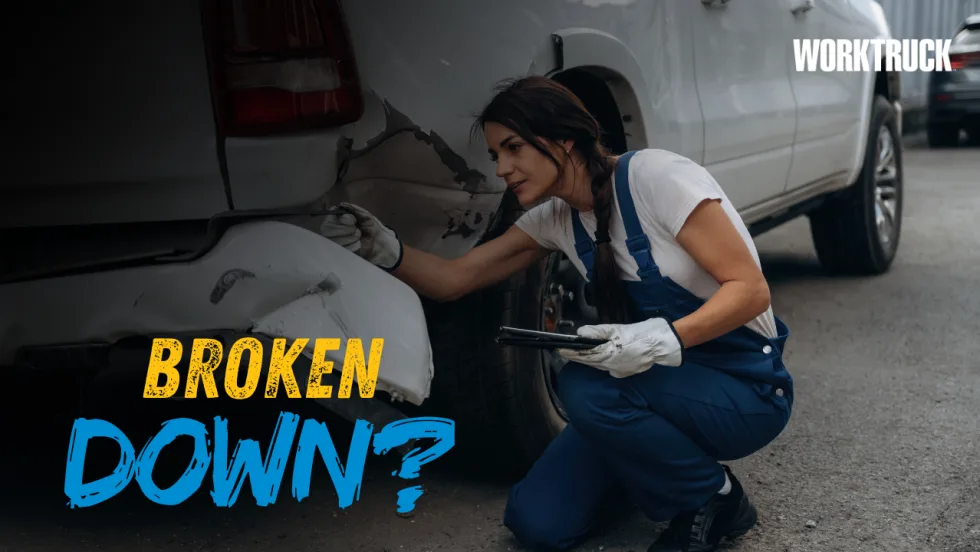
When a Work Truck Breaks Down, the Job Can Stop, Too
A work truck breakdown can stop more than the vehicle. Discover how payloads, jobsites, and specialty equipment change the roadside response.
Read More →
What Stronger Long-Term Fleet Service Partnerships Actually Require
Fleet service partnerships rarely fall apart all at once. Learn the three warning signs that trust is eroding and what fleets and providers can do before downtime, frustration, and lost revenue follow.
Read More →
Applause & TRUCE Software Partner to Improve Driver Safety Through AI-Powered Telematics & Employee Performance Management
Applause has integrated TRUCE driving metrics directly into its employee-first performance and safety platform that transforms mobile devices into AI-powered telematics.
Read More →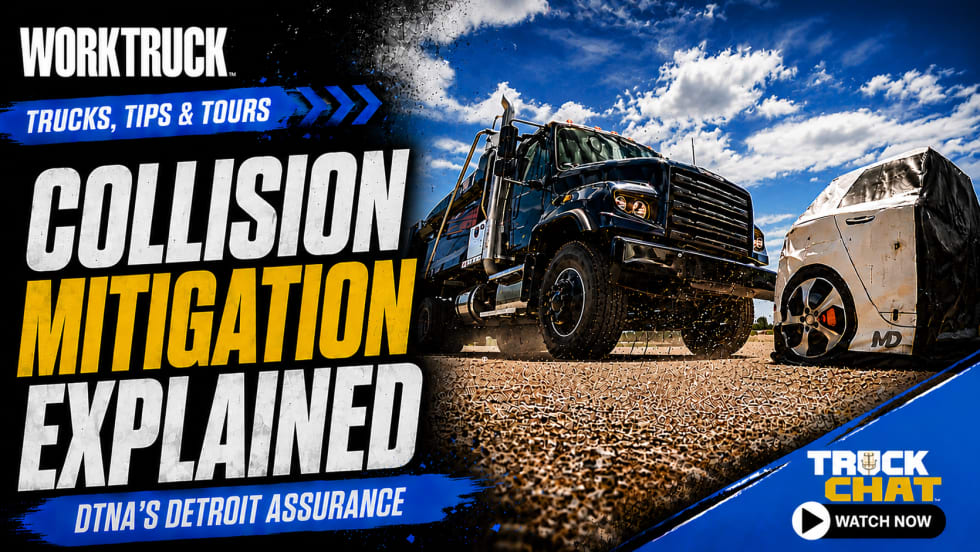
How Detroit Assurance with Active Brake Assist Works
Do you want to see what it is like to experience Detroit Assurance’s Active Brake Assist? In this video, Work Truck will put you in the cab to see how it all works and then hear more details from DTNA’s Mike Young.
Read More →
Get Left of Loss: A 5-Step Workplace Violence Prevention Framework for Fleet Operators
Violence risks do not stop at the driver’s door. Learn five practical steps fleets can take to spot threats early and protect workers before loss occurs.
Read More →
Sponsored•July 17, 2026
How Better Visibility Cut Speeding Violations by 48%
Fleet leaders don't need more data, they need clearer visibility into what the data is saying. This case study explores how one utility replaced speeding-event counts with a single metric — miles driven in violation — to strengthen safety and significantly reduce speeding violations.
Read More →