




31% Say Self-Driving Cars Safer Than Distracted Drivers
New research indicates that one in three Americans would feel safer knowing autonomous vehicles were on the road.
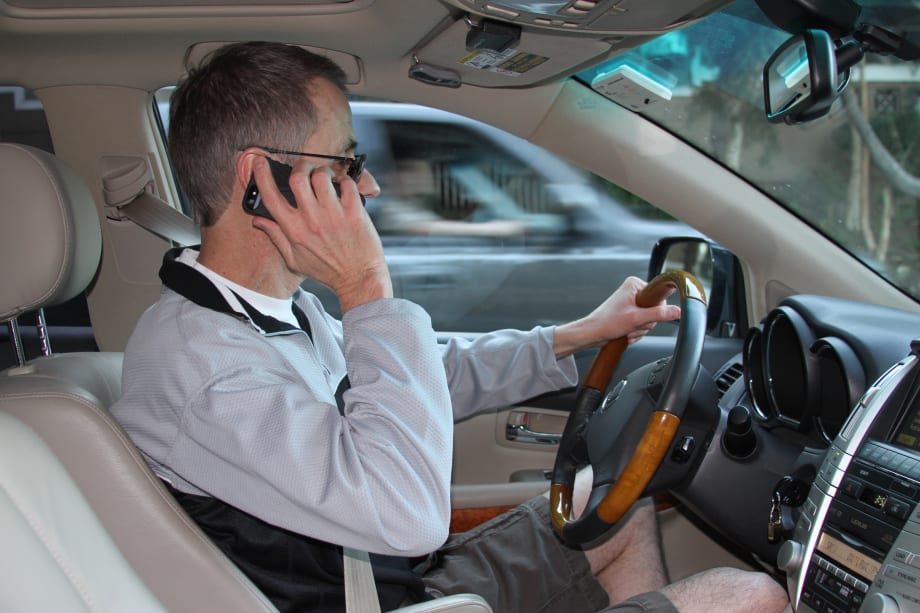
Automotive Fleet photo.
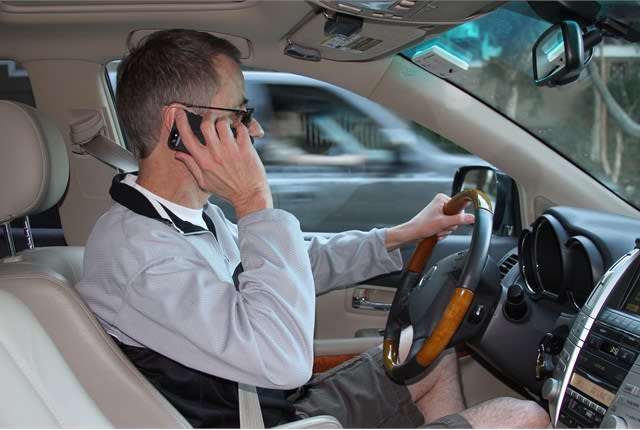
Automotive Fleet photo.
A new survey from Mobileye highlights changing American perspectives on the threat of distracted driving and the future role of autonomous vehicles in preventing crashes.
Nearly one in three polled Americans (31 percent) said they’d feel safer knowing autonomous cars were on the road. Almost half of cyclists (46 percent) who had biked in the past month said they would feel safer with such self-driving vehicles on the road.
The threat of distracted driving is helping to fuel growing American support for autonomous vehicle development and advanced collision avoidance systems, according to Mobileye.
More than half of surveyed American drivers (54 percent) claimed they’re distracted only 10 percent of the time or less while behind the wheel. But one in 10 (10 percent) reported they had been hit or almost hit by a vehicle more than once while walking in the past six months. In fact, one in six Americans (16 percent) said they had been hit or almost hit at least once in the past six months while walking.
Clearly, Americans are more distracted than they realize, and cities and fleet owners face an increasing challenge to help curb America’s bad driving habits, Mobileye said of the survey results.
Mobileye, a developer of advanced collision-avoidance systems, commissioned YouGov to poll the views of 1,078 American adults about their experiences on the road and their vision of an accident-free future. Pedestrians, cyclists and drivers alike reported frequent collisions or near misses in the past six months.
Poll results highlighted the need for better efforts to understand driver distractions and urban infrastructure “pain points” that create safety risks.
Here are some additional key survey findings:
Nearly one in 10 Americans (9 percent) reported they had to make a trip to the hospital for an injury that resulted from a car accident where the driver was distracted.
One in eight Americans (13 percent) didn’t have to visit the hospital, but reported an accident they have been in resulted from driver distraction.
Millennials (ages 18-34) are more at risk than other age groups to be hit by a vehicle. One in six (16 percent) said they had been hit or almost hit by a vehicle while walking in the past six months.
Just over one in 10 Americans (11 percent) in the Northeast and one in seven Americans (15 percent) in the Western U.S. have been hit or almost hit by a vehicle more than once while walking in the past six months, compared to just 5 percent in the Midwest and 9 percent in the Southern part of the country.
One in five (21 percent) cyclists who have biked in the past month reported that they have been hit or almost hit by a car at least once while on a bicycle in the past six months.
One in 11 (9 percent) cyclists reported having been hit or almost hit more than once in the past six months while cycling.
Just over one in six Americans (18 percent) reported they have been in a public or car service vehicle (taxi, city bus, Uber, airport shuttle, etc.) that has been in an accident.
Just over one in 10 (11 percent) Americans said they had not been in an accident with those types of vehicles but did know someone who had.
“Whether it’s a bus driver trying to navigate a crowded intersection or a car service trying to find the right gate at the airport, there are so many potential ways for a driver to be distracted that are beyond their control,” said Yonah Lloyd, chief communications officer and senior vice president of business development at Mobileye. “The hope for governments, municipalities, fleet owners and car manufacturers tasked with addressing these challenges can be found with new technology available, including Mobileye, that can provide the tools needed for safe driving behavior.”
According to Mobileye, car manufacturers and commercial fleet owners can proactively look toward current and future technology to promote greater safety on the road.
The top five in-demand safety features, reported by Americans who think high-tech safety features should be installed as standard on new vehicles, were:
Forward collision warnings (71 percent)
Pedestrian/bicycle detection (71 percent)
Lane departure warnings (70 percent)
Speed limit indicators (51 percent)
Headway (tailgating) monitoring (49 percent)
Pedestrian/bicycle detection was the most popular feature for cyclists (who had biked in the past month), with 75 percent of them saying they think the technology should be installed as standard.
“Mobileye’s research showed Americans are incredibly open to embracing new technologies if it can create a safer driving experience for everyone,” Lloyd said. “We are encouraged by the actions of agencies like NHTSA that have begun to incorporate active safety technology, such as that offered by Mobileye, into the star-safety ratings and by the many car manufacturers that are integrating such technology in their vehicles.”
The auto industry is shifting gears away from its traditional focus on injury mitigation, such as seat belts and air bags, to include complete accident prevention, Lloyd noted.
Originally posted on Automotive Fleet
More Safety
When Work Trucks Under 26,001 Pounds Need IRP Registration
Think trucks under 26,001 pounds are automatically in the clear when it comes to IRP? Not always. Learn where lighter vehicles can still run into trip permit, apportioned registration, and IFTA compliance requirements when crossing state or provincial lines.
Read More →
Volvo Trucks Releases New Safety Recommendations for Traveling with Pets
One of the most important recommendations for professional drivers traveling with pets is to ensure pets are properly restrained while the truck is moving. Other tips are available in the new guide from Volvo Trucks North America and Center for Pet Safety.
Read More →
API Issues Refueling Safety Guidelines
The American Petroleum Institute offers a list of safe vehicle refueling guidelines, including ways to avoid potential problems with static electricity discharges in fall, winter, and early spring.
Read More →
Winter Fleet Prep: Expert Tips to Keep Vehicles Running Smoothly
Cold weather can expose weak batteries, tires, fuel systems, and maintenance gaps fast. Use this winter fleet checklist to prepare trucks and drivers before temperatures drop.
Read More →
When a Work Truck Breaks Down, the Job Can Stop, Too
A work truck breakdown can stop more than the vehicle. Discover how payloads, jobsites, and specialty equipment change the roadside response.
Read More →
What Stronger Long-Term Fleet Service Partnerships Actually Require
Fleet service partnerships rarely fall apart all at once. Learn the three warning signs that trust is eroding and what fleets and providers can do before downtime, frustration, and lost revenue follow.
Read More →
Applause & TRUCE Software Partner to Improve Driver Safety Through AI-Powered Telematics & Employee Performance Management
Applause has integrated TRUCE driving metrics directly into its employee-first performance and safety platform that transforms mobile devices into AI-powered telematics.
Read More →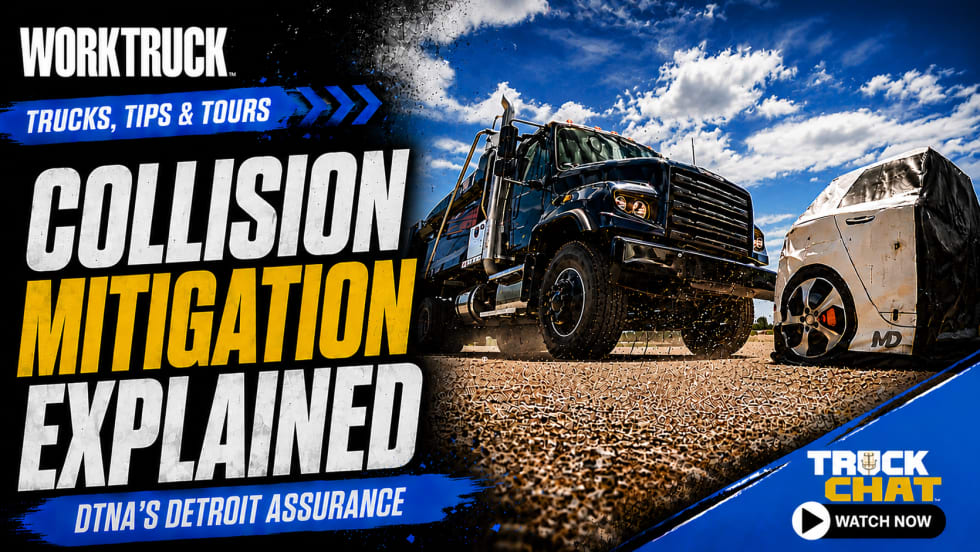
How Detroit Assurance with Active Brake Assist Works
Do you want to see what it is like to experience Detroit Assurance’s Active Brake Assist? In this video, Work Truck will put you in the cab to see how it all works and then hear more details from DTNA’s Mike Young.
Read More →
Get Left of Loss: A 5-Step Workplace Violence Prevention Framework for Fleet Operators
Violence risks do not stop at the driver’s door. Learn five practical steps fleets can take to spot threats early and protect workers before loss occurs.
Read More →
How Better Visibility Cut Speeding Violations by 48%
Fleet leaders don't need more data, they need clearer visibility into what the data is saying. This case study explores how one utility replaced speeding-event counts with a single metric — miles driven in violation — to strengthen safety and significantly reduce speeding violations.
Read More →