




2014 Silverado and Sierra Earn 5-Star NHTSA Ratings Under New System
The 2014 Chevrolet Silverado 1500 and High Country and the GMC Sierra and Sierra Denali 1500 are the first pickup trucks to receive the highest possible five-star Overall Vehicle Score for safety since NHTSA changed its New Car Assessment Program for the 2011 model-year.
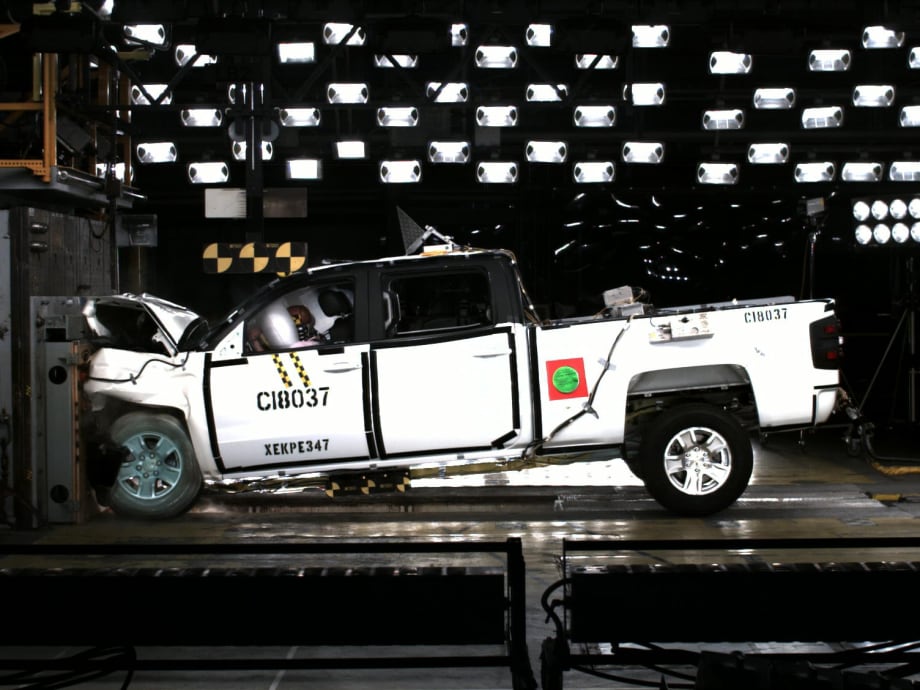
The 2014 Chevrolet Silverado 1500 and High Country and GMC Sierra and Sierra Denali 1500 are the first pickup trucks to receive the highest possible five-star Overall Vehicle Score for safety since the National Highway Traffic Safety Administration changed its New Car Assessment Program for the 2011 model year.
The 2014 Chevrolet Silverado 1500 and High Country and GMC Sierra and Sierra Denali 1500 are the first pickup trucks to receive the highest possible five-star Overall Vehicle Score for safety since the National Highway Traffic Safety Administration changed its New Car Assessment Program for the 2011 model year.
The 2014 ChevroletSilverado1500 and High Country and the GMCSierra and Sierra Denali1500 are the first pickup trucks to receive the highest possible five-star Overall Vehicle Score for safety since the National Highway Traffic Safety Administration (NHTSA) changed its New Car Assessment Program for the 2011 model-year.
NHTSA only tested the Crew Cab models of Silverado and Sierra. Chevrolet and GMC expect Crew Cab models to account for 60 percent of its 2014 light duty full-size pickup truck sales.
“Safety is as important to truck buyers as it is to car buyers,” said Gay Kent, GM general director of Vehicle Safety and Crashworthiness. “Silverado and Sierra set a benchmark for pickup truck safety by offering a full array of advanced features designed to protect occupants before, during and after a collision.”
Silverado and Sierra offer fully boxed frames, extensive use of high-strength steel, and several segment-exclusive safety features are available, including Forward Collision Alert, Lane Departure Warning, and Safety Alert Seat.
Safety Alert Seat warns the driver of potential traffic danger using directional vibration pulses from the seat cushion. The patented warning approach is tied to all of the on-board crash avoidance systems.
Forward Collision Alert technology helps prevent frontal crashes by alerting the driver when the truck is closing in on a vehicle ahead too quickly, giving him or her additional time to react and avoid a crash.
Lane Departure Warning technology alerts the driver when the truck drifts over a lane line when traveling at least 35 mph.
Rear Vision Camera with Dynamic Guidelines allows the driver, when in reverse, to view objects directly behind the vehicle via the radio screen in the center stack, allowing for easier parking and backing maneuvers.
New, standard lap belt pretensions in the front-seat outboard safety belts.
Six standard air bags and 360-degree sensor system, including dual-stage frontal air bags, head-curtain side-impact air bags with rollover protection, and seat-mounted side-impact air bags.
Trailer-Sway Control that works with StabiliTrak to provide the driver with additional assistance when towing a trailer. When it senses trailer sway, it intervenes with braking and/or reduced engine power to bring the trailer under control.
Four-wheel, four-channel, antilock disc brakes (ABS) that help provide straight, more controlled stops by preventing wheel lock-up in most road conditions.
OnStar is available, using GPS and cellular phone technology to automatically call for help in the event of crash. OnStar service also includes MyLink mobile apps, which offer vehicle information and OnStar services via the customer’s smartphone.
View a video on the crash tests below:
RELATED CONTENT
Originally posted on Automotive Fleet
More Safety
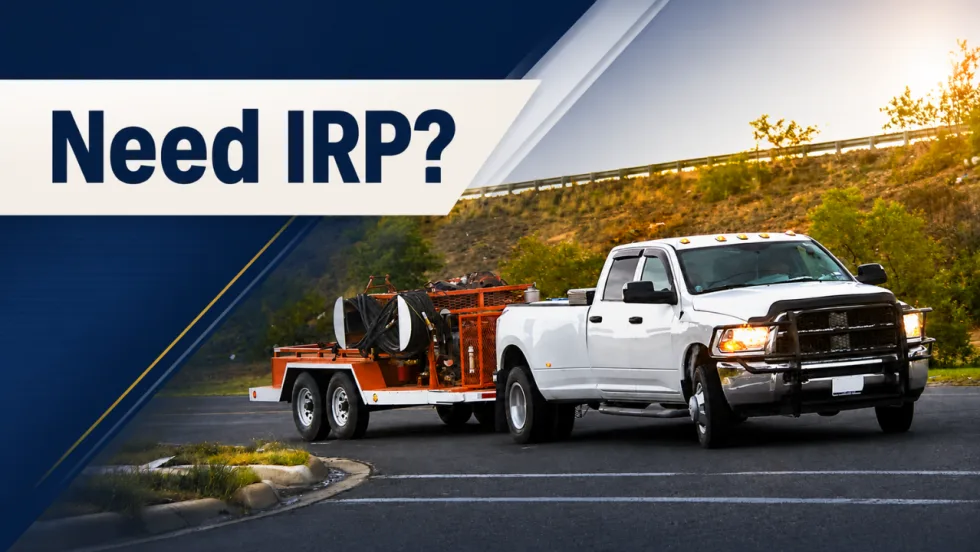
When Work Trucks Under 26,001 Pounds Need IRP Registration
Think trucks under 26,001 pounds are automatically in the clear when it comes to IRP? Not always. Learn where lighter vehicles can still run into trip permit, apportioned registration, and IFTA compliance requirements when crossing state or provincial lines.
Read More →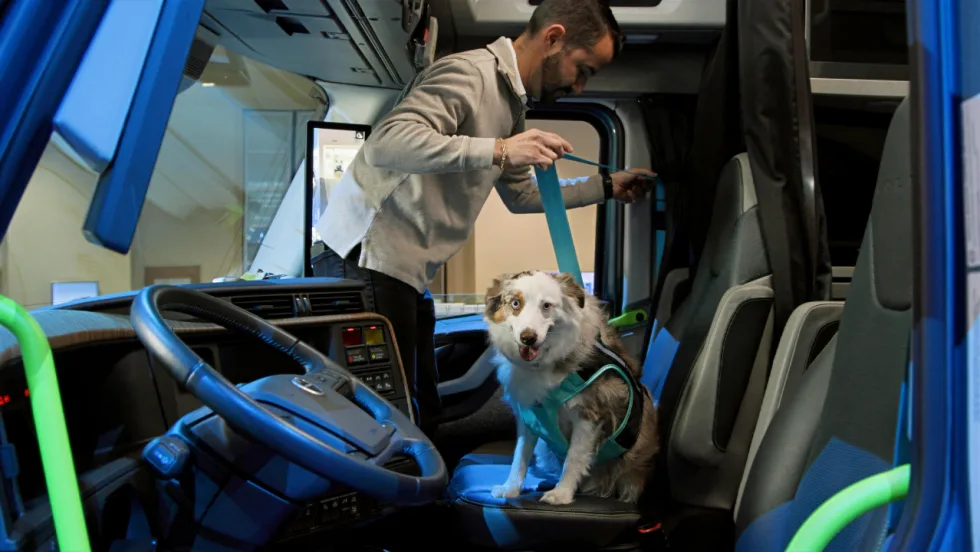
Volvo Trucks Releases New Safety Recommendations for Traveling with Pets
One of the most important recommendations for professional drivers traveling with pets is to ensure pets are properly restrained while the truck is moving. Other tips are available in the new guide from Volvo Trucks North America and Center for Pet Safety.
Read More →
API Issues Refueling Safety Guidelines
The American Petroleum Institute offers a list of safe vehicle refueling guidelines, including ways to avoid potential problems with static electricity discharges in fall, winter, and early spring.
Read More →
Winter Fleet Prep: Expert Tips to Keep Vehicles Running Smoothly
Cold weather can expose weak batteries, tires, fuel systems, and maintenance gaps fast. Use this winter fleet checklist to prepare trucks and drivers before temperatures drop.
Read More →
When a Work Truck Breaks Down, the Job Can Stop, Too
A work truck breakdown can stop more than the vehicle. Discover how payloads, jobsites, and specialty equipment change the roadside response.
Read More →
What Stronger Long-Term Fleet Service Partnerships Actually Require
Fleet service partnerships rarely fall apart all at once. Learn the three warning signs that trust is eroding and what fleets and providers can do before downtime, frustration, and lost revenue follow.
Read More →
Applause & TRUCE Software Partner to Improve Driver Safety Through AI-Powered Telematics & Employee Performance Management
Applause has integrated TRUCE driving metrics directly into its employee-first performance and safety platform that transforms mobile devices into AI-powered telematics.
Read More →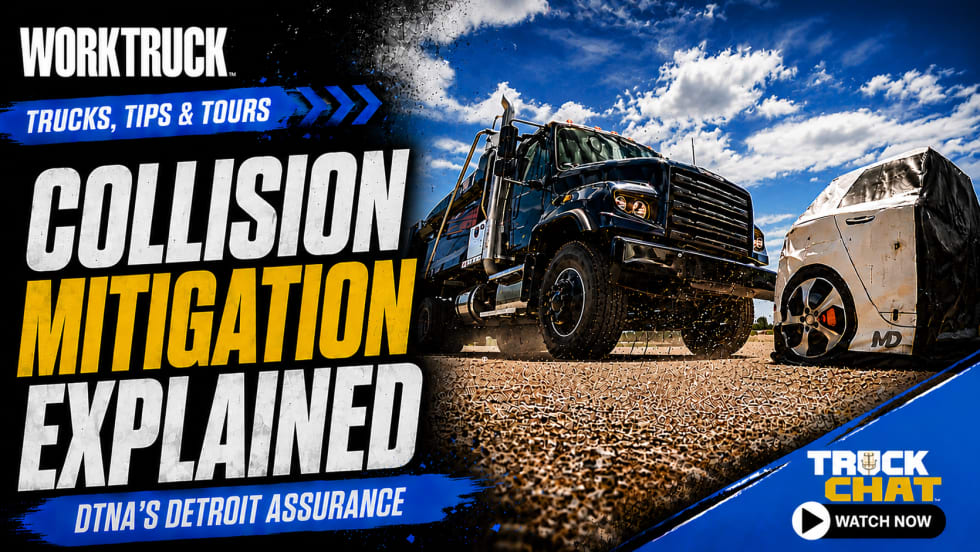
How Detroit Assurance with Active Brake Assist Works
Do you want to see what it is like to experience Detroit Assurance’s Active Brake Assist? In this video, Work Truck will put you in the cab to see how it all works and then hear more details from DTNA’s Mike Young.
Read More →
Get Left of Loss: A 5-Step Workplace Violence Prevention Framework for Fleet Operators
Violence risks do not stop at the driver’s door. Learn five practical steps fleets can take to spot threats early and protect workers before loss occurs.
Read More →
How Better Visibility Cut Speeding Violations by 48%
Fleet leaders don't need more data, they need clearer visibility into what the data is saying. This case study explores how one utility replaced speeding-event counts with a single metric — miles driven in violation — to strengthen safety and significantly reduce speeding violations.
Read More →