




Can Accidents Be Eliminated Through Modern Vehicle Technology?
In the ultimate goal of the elimination of all accidents or crashes, where should the focus lie: the driver, the vehicle, or both?

The management, reduction, and ultimate goal of completely eliminating the occurrence of accidents and crashes are often discussed, top-of-mind goals for all fleet managers. Protecting the drivers of company vehicles, and the public, are two very important keys to a successful and safe fleet operation.
Recently, two schools of thought are surfacing in regards to the elimination of accidents: one that focuses on the driver and another that focuses on the vehicle. Another viewpoint would be an approach involving an equal focus on both.
Today, technology is being further and further integrated into vehicles, frequently focusing on either fuel economy or safety. On the safety side we have technology that includes back-up cameras that now provide an almost 360-degree view around a vehicle; blind spot monitoring, lane departure warning systems, adaptive cruise control, and collision mitigation; and night-vision assist and heads-up displays, OEMs seem to be working toward a lofty goal: a crash-proof vehicle.
“The assumption that a vehicle is going to keep one safe and out of harm’s way is a very dangerous mistake for any driver to make,” said Art Liggio, president of Driving Dynamics, a driver safety training and fleet risk management company. “The key piece of safety equipment in any vehicle is actually located between the driver’s two ears. Overconfidence in technology and a disregard for responsibilities as a driver will catch up with a person over time.”
Regardless of the amount of technology in a vehicle, it is all being monitored and utilized by a human being. Will fleet managers and automakers veer away from ensuring that the human element is operating as safe and efficiently as possible and simply ensure the vehicle cannot be crashed? Is this even a possible goal? Would the aim be making a vehicle simply unable to crash, or would it be making it completely damage-proof?
Liggio noted the issue with Risk Compensation, which points out that as new innovations are introduced to reduce risk, what happens at the driver level may prove to be counterproductive in obtaining the desired result: improved safety performance.
“If you alter a person’s circumstances in such a way as to make him safer, if he is aware of this change, and if his attitude towards risk remains unchanged, he will modify his behavior in such a way that tends to restore the level of risk with which he was originally content,” he said.
He provided anti-lock brake (ABS) systems as an example. “Numbers tracked by the Institute for Highway Safety (IIHS) have pointed out that even though there are more ABS-equipped vehicles than ever before, just as many people are killed in these vehicles as ones without ABS,” he continued.
While some may believe that autonomous vehicles may be the answer to removing the human element out of vehicle operation, current autonomous vehicle concepts are far from crash proof, and frequently require at least a moderate amount of human interaction and attention.
With the light-weighting of trucks, even with their proven equal or increased strength, damage-proof vehicles are most likely not a plausible solution. And, until autonomous vehicles have the kinks worked out and necessary infrastructure put in place, it looks like that option is still a vision of the future. For today’s solution, I believe we are going to need to find a balance between technology and improved driver behavior.
So, what do you think? Is increased technology making drivers overconfident? Are “crash-proof” vehicles possible? Should we push focus in one direction or another, or is a balance called for?
Let me know!
By Lauren Fletcher
Lauren.Fletcher@bobit.com
More Blog Posts

4 Ways to Keep Fleet Nightmares Off Your Halloween Schedule
Don't let the fear of vehicle mishaps spook you! Check out these four tips to ensure your work truck fleet stays on the road, safe and sound, during this hair-raising season.
Read More →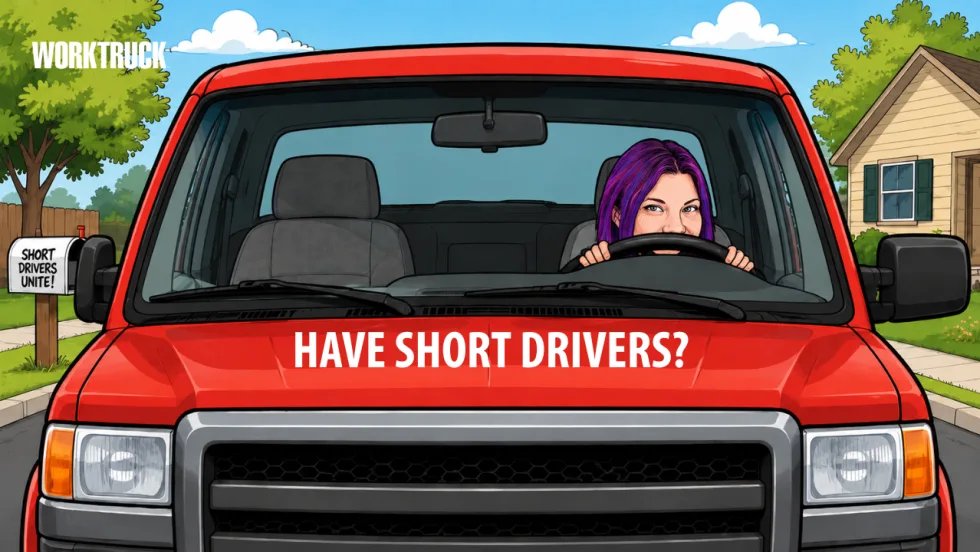
Short Drivers Need to Be Part of the Work Truck Spec, Too
The average truck driver may be around 5'9" for men and 5'4" for women, but fleets aren't spec'ing trucks for averages. Here's what shorter drivers need fleets to consider, from seat height and visibility to 360 cameras, seat belts, and cab access.
Read More →
Does Your Fleet Policy Cover In-Vehicle Gaming?
As in-vehicle gaming, streaming, and connected entertainment expand, fleet policies may need an update. Here’s what fleet managers should be thinking about now.
Read More →
You Can't Tariff an Aluminum Smelter Into Existence
The U.S. wants to rebuild domestic aluminum production, but work truck manufacturers still need material today. What happens to costs and supply in the meantime?
Read More →
Can America Replace Canadian Truck Production Without Hurting U.S. Fleets?
U.S. tariffs are targeting Canadian truck production, but Ford and GM show why moving that manufacturing south isn’t so simple. After 60 years of building one North American supply chain, what could fleets lose by pulling it apart?
Read More →
The Fleet Skills We Keep Missing on Veterans’ Resumes
What if some of the strongest candidates are already out there, but we are overlooking them because their experience is written in a language our industry does not always recognize?
Read More →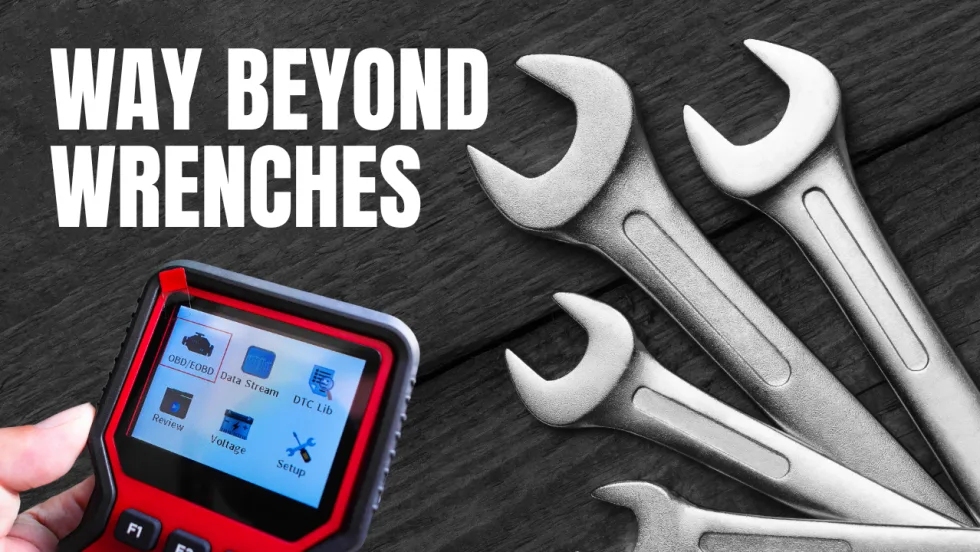
Technicians Are Doing More Than Turning Wrenches
Technicians do far more than repair vehicles. Six professionals reveal the problem-solving, pressure, and pride behind keeping fleets moving.
Read More →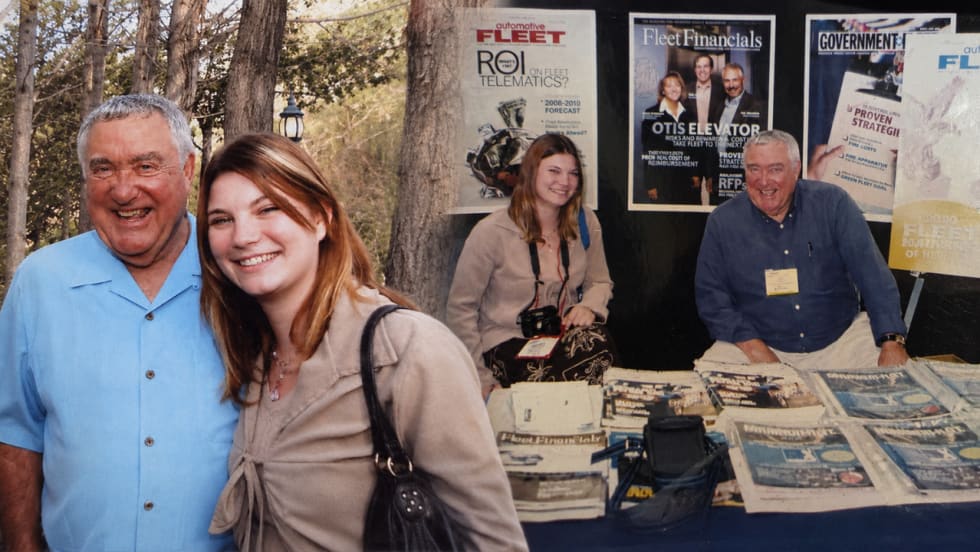
WWCD? What Would Coach Do?
A personal reflection on Ed "Coach" Bobit, the mentor who shaped my career, and why I still ask myself one question 12 years later: WWCD?
Read More →
What the Fleet Industry Still Gets Wrong About Talent
What can the fleet industry learn from the women helping shape its future? A look at talent, leadership, sponsorship, and why new perspectives drive progress.
Read More →
AI Isn’t Killing Content, but Lazy Expertise Is
Thought leadership loses value when AI does the thinking. Here’s why authentic industry voices still matter most.
Read More →