




State of Fuel Industry: Gasoline & Diesel
What to Expect When Piloting a Propane Autogas Fleet
From refueling to maintenance expectations, here’s what fleet owners need to know to get started.
by Steve Whaley, PERC
May 15, 2023
Maintaining a propane autogas engine is more convenient than a diesel engine.
Photo: PERC/Work Truck
5 min to read
As emissions regulations continue to tighten for work truck fleets, more fleet owners than ever are transitioning from diesel and gasoline to alternative-fuel options.
However, before diving all in and switching an entire fleet to a new energy source, many fleet owners run a pilot program.
The Propane Education & Research Council often gets questions from fleet managers who are ready to take the first step but need help figuring out where to start.
Here are answers to common questions on what to expect when running a pilot program with propane autogas vehicles.
What’s the first thing I should do to decide if propane autogas is right for my fleet?
First, any fleet owner should evaluate their current fleet to determine the energy source that best fulfills their operational duty cycles.
For propane autogas, medium-duty (Class 3-7) fleets must consider range, performance, and lowered emissions.
What options are available for fleets interested in piloting with propane autogas?
Gasoline-powered fleets don’t have to wait until they’re ready to purchase new vehicles. They can convert their existing gasoline vehicles to propane autogas with an EPA-certified aftermarket bi-fuel system.
These systems operate on propane autogas as the primary fuel (and reap the fuel’s lower total cost-of-ownership benefits) but still have a gasoline reserve tank for added resiliency. Certified conversion system partners across the U.S. can assist with this process.
While diesel vehicles cannot be converted using the aftermarket fuel system, they can be replaced with a new, comparably powered propane autogas vehicle.
Because propane autogas is easily scalable, fleet owners can start transitioning a portion of their diesel fleet as each vehicle retires and adopt more propane autogas vehicles as necessary.
How long will a conversion take?
Generally, aftermarket conversion system installations range from six to 10 labor hours to install. If scheduling in advance, most service centers can service the vehicle in one day.
What cost savings might I see if I run a propane autogas pilot?
One of the most immediate benefits fleet owners see after transitioning to propane autogas is up to a 40% drop in fuel costs compared to gasoline and up to 50% compared to diesel.
Additionally, since propane autogas is a clean energy source, the engine doesn’t require the expensive exhaust after-treatment systems diesel engines need to meet emission standards.
Propane autogas has fewer residual contaminants in the oil that can damage engines and less carbon build-up on the valves.
Propane autogas users enjoy a longer life cycle with lower maintenance costs when properly maintained.
How difficult will it be to fuel my fleet during a pilot program and beyond?
Fleet owners can set up one of several propane infrastructure options. There are a few temporary options for fleets just starting their pilot program.
Mobile Refueling
This is one of the most common refueling solutions for those piloting with a small fleet.
Fleet owners can work with a propane supplier to customize an on-site refueling plan utilizing a propane bobtail delivery truck. Costs and situations will vary, so check with your propane supplier for details and pricing.
Temporary Refueling
Suppose a fleet owner runs a more extensive pilot with more vehicles. In that case, propane suppliers can deliver a fuel storage tank and dispenser mounted on a trailer to designated locations or work sites.
A propane bobtail truck will replenish the fuel supply on a specific delivery schedule. Like mobile refueling, costs and situations will vary.
As a fleet grows, there are also several permanent infrastructure options available. These options are fully customizable and scalable to meet the needs of any fleet.
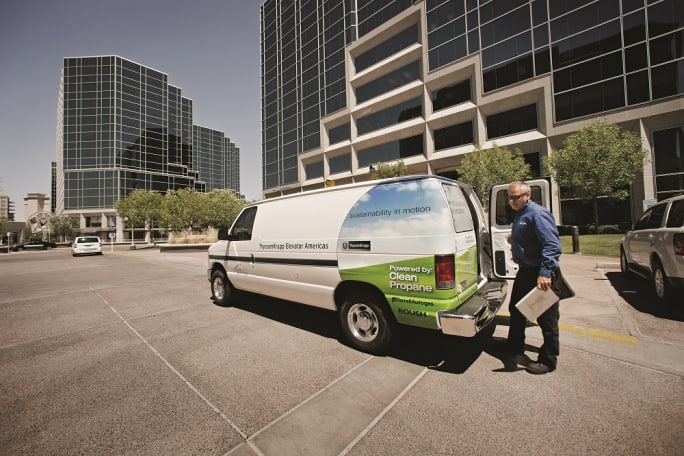
Most fleet owners who use propane vehicles report equal or better performance compared to gasoline or diesel.
Photo: PERC
Standard Private Station
This refueling station is best for fleets with fewer than 50 vehicles. It includes a 1,000- to 3,000-gallon propane storage tank plus one or more dispensers installed on-site in a convenient location.
Advanced Private Station
This option is best for fleets with 50 or more vehicles requiring a centralized refueling location.
This station includes a large propane tank(s) and two or more fuel dispensers. Like all permanent propane autogas refueling solutions, the station can easily grow with the expansion of the fleet.
With both advanced and standard private stations, fleets may have the option to own the infrastructure or lease it at a low cost in exchange for a mutually beneficial fuel contract.
Propane suppliers and infrastructure providers will work with you to determine the best solution for your fleet.
Public Refueling Networks
Public refueling networks in most areas of the country provide fuel for fleets as needed.
Refueling networks provide 24/7 security and convenience and use a card lock system that tracks fuel usage and costs per vehicle. A complete list of public refueling stations is available from the U.S. Alternative Fuels Data Center on the Propane Council website.
How difficult will it be to maintain my propane autogas vehicles?
Maintaining a propane autogas engine is more convenient than a diesel engine because it doesn’t require exhaust after-treatment systems.
Plus, propane autogas engines require less oil by volume than diesel engines, which can decrease preventive maintenance costs.
Propane autogas is an approachable energy source from a service and maintenance standpoint. New propane engines are similar in appearance to gasoline engines.
There are opportunities for technicians to train and become certified to diagnose, maintain, and repair propane autogas fuel systems through OEMs, dealers, and aftermarket fuel system manufacturers.
How common is it for fleets to pilot with propane autogas and then decide on widespread adoption?
According to the 2022 State of Sustainable Fleets report, most fleet owners that have piloted or purchased propane vehicles report equal or better performance compared to gasoline or diesel on:
Emissions, 92%.
Noise, 88%.
fuel cost, 86%.
odor, 84%.
In fact, because of these benefits, most propane autogas users surveyed intended to purchase additional propane vehicles within the last year.
As a clean, affordable, and available energy source with a low barrier to entry, it’s easy for fleet owners to pilot with propane autogas. To learn more, visit Propane.com/Fleet-Vehicles.
Want to learn more about propane? We also dive into all the benefits of a transition to propane autogas, the challenges, and what owners and operators can do to cross this bridge successfully.
Subscribe to Our Newsletter
More Fuel

The Smart Way to Build a Mixed-Energy Fleet Isn’t About Picking a Side
Mixed-energy fleets aren’t about picking a winning fuel. Sarah Booth of WEX explains how vehicle data, duty cycles, charging strategy, and real-world costs can help fleets choose the right energy source for each job.
Read More →
Ignoring This Dashboard Warning Could Cost Your Fleet Thousands in Fuel
New research suggests neglected diesel aftertreatment systems could waste up to $30 in fuel per vehicle each day. Here's why vocational fleets should pay attention.
Read More →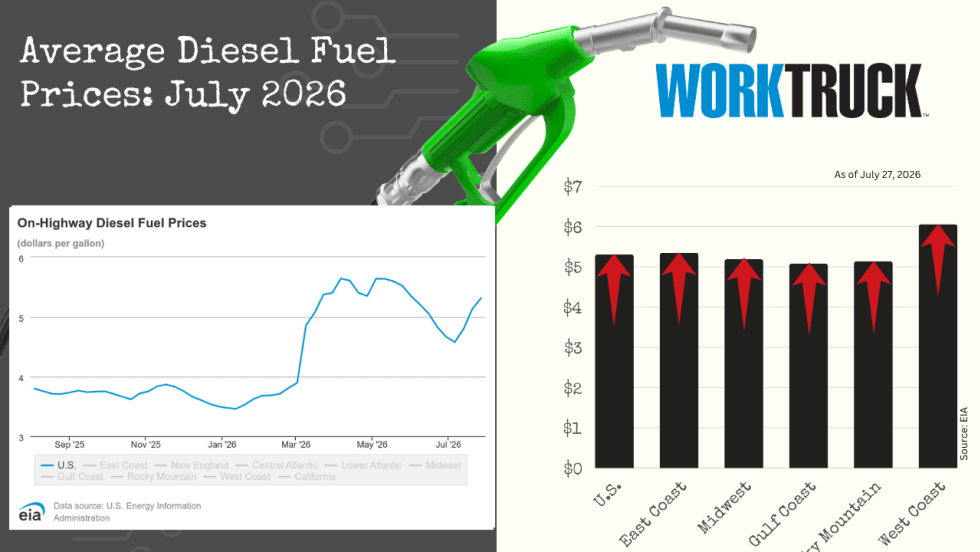
July Diesel Trends Update
The average price of a gallon of diesel increased again this week, and the EIA reported a new national average of $5.31 at the start of the week.
Read More →
WEX Brings Standard Fleet's Connected Vehicle Platform to Fleet Customers
This week’s product launch with Standard Fleet’s connected vehicle platform reflects WEX Venture Capital's strategy of turning startup innovation into customer solutions. Standard Fleet is now available to WEX fleet customers.
Read More →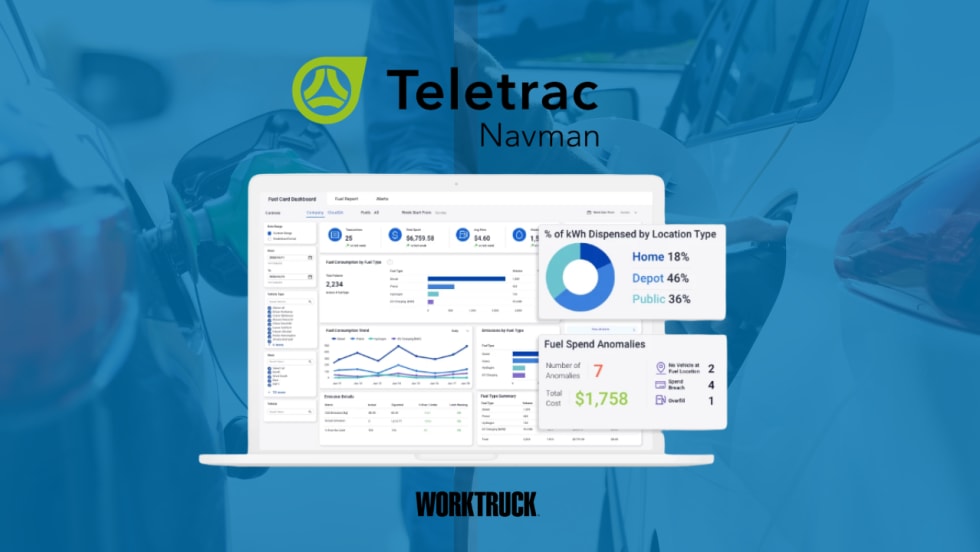
Teletrac Navman Adds Mixed-Energy Fleet Tools to TN360
The new Energy Hub combines fuel transactions, EV charging data, vehicle range, and energy costs in one dashboard for fleets operating multiple vehicle and energy types.
Read More →
WEX DriverDash adds CITGO, Expands Nationwide Access for Fleets
The DriverDash mobile payment app, by WEX, has been integrated into the CITGO merchant network, which means WEX has expanded its U.S. station footprint with the addition of approximately 4,000 CITGO locations.
Read More →
Mixed Energy Fleet Tips for Balancing EVs, Gas and Diesel Vehicles
Mixed energy fleets are becoming the new normal. Learn how fleet managers are balancing EVs, gas and diesel vehicles while controlling costs and planning for the future.
Read More →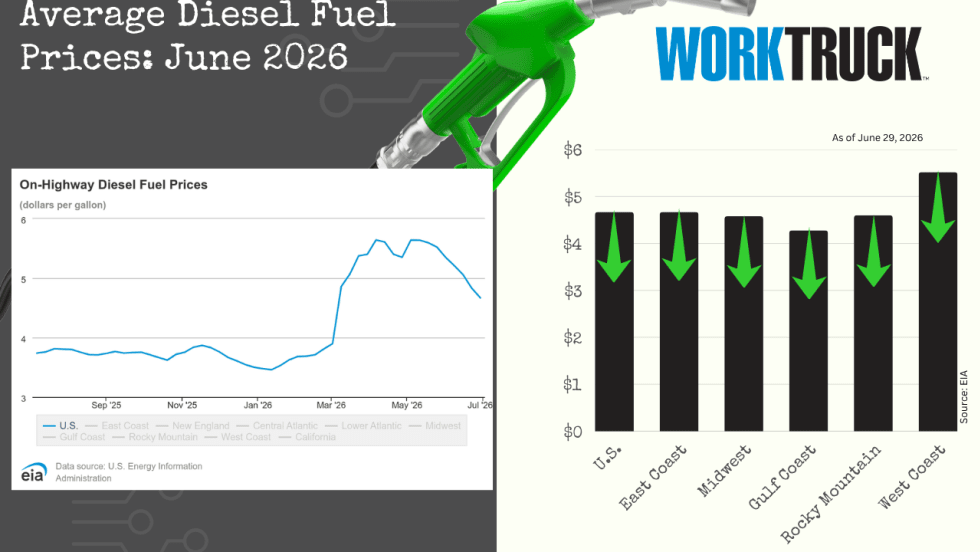
June Diesel Trends Update
The national average price of a gallon of diesel has dropped again, this week by more than 16 cents. All five regions reported lower average prices, ranging from almost 13 cents to more than 28 cents cheaper than a week ago.
Read More →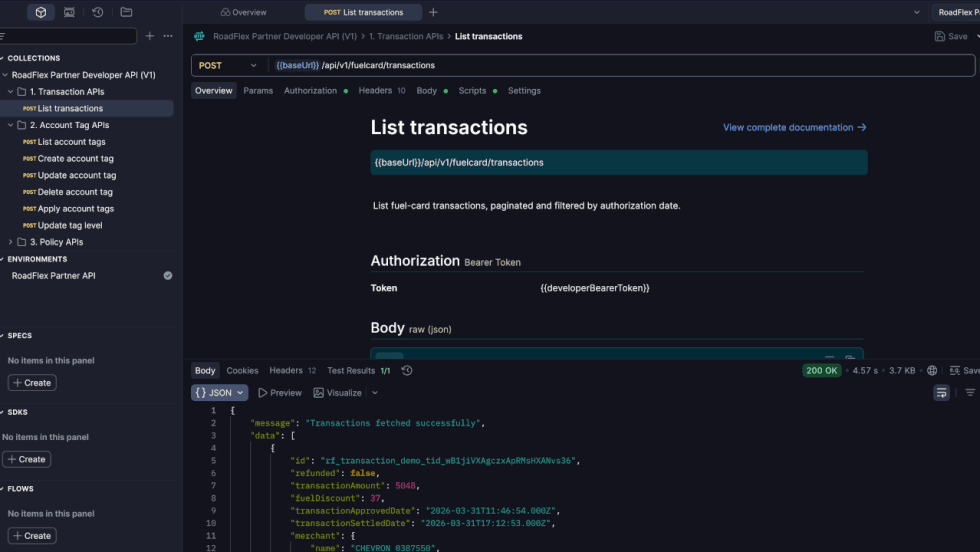
RoadFlex Launches RoadFlex Direct Open API Platform
RoadFlex Direct connects fuel cards, controls, and data to the telematics and fleet management systems fleets already run, from Geotab and Samsara to Fleetio and RTA, with no separate dashboard or double data entry.
Read More →
The Key to Fuel Efficiency Sits in the Cab
Learn how driver behavior, telematics, coaching, and fuel data can help fleets improve fuel efficiency, lower costs, and reduce emissions.
Read More →