




Upfits Designed with Ergonomics in Mind
When spec’ing a truck, fleet managers must also keep in mind the health and well-being of the driver while on the road and at a jobsite. Protecting drivers from musculoskeletal injuries will keep them on the job and the fleet running smoothly.

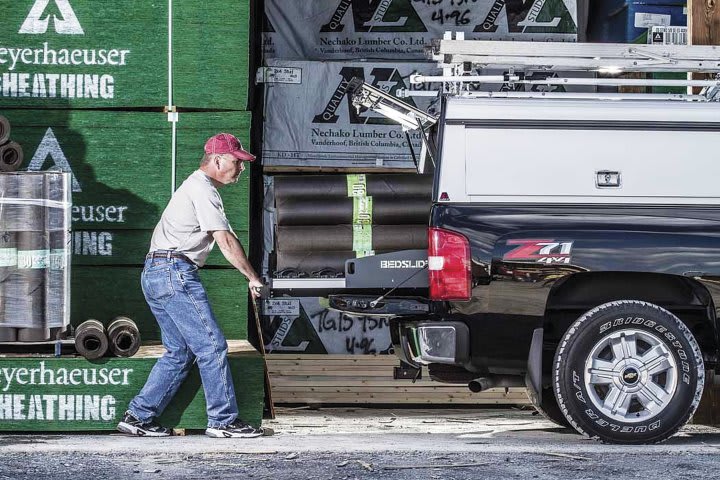
Fleet managers can take advantage of various upfit options, such as a roll out cargo bed (pictured above), to help driver employees safely do their jobs after they get to the job site.
Photo courtesy of Bedslide
Lower back pain, hernia, sprained shoulder — these are just a few examples of musculoskeletal disorders (MSDs) that can occur when a truck or van is not suitable to the worker and the job.
The longer a worker must maintain a fixed or awkward posture, exert force, repeat the same movements, experience vibration, or handle heavy items, the greater the chance that an MSD will occur.
The U.S. Occupational Health and Safety Administration (OHSA) estimates that work-related MSDs in the U.S. account for more than 600,000 injuries and illnesses, about 34 percent of all lost workdays reported to the Bureau of Labor Statistics (BLS). MSDs are especially prevalent in the transportation and material moving sector, with the third-highest incident rate among all industries in 2011, according to the BLS.
And, each reported MSD incident can be expensive to employers, accounting for one out of every $3 spent on workers’ compensation, according to OSHA, which estimates that employers spend as much as $20 billion per year in direct costs for MSD-related workers’ compensation, and up to five times that much for indirect costs, such as those associated with hiring and training replacement workers.
The solution to help curb these costs and protect employees is ergonomics, which the Centers for Disease Control (CDC) defines as “the science of designing the job and the workplace to the capabilities of the workers.” And, in the case of truck and van fleets, the workplace extends to vehicles.
How can fleet managers upfit company vehicles to enhance ergonomics and improve employee safety and productivity?
Here are six areas to start:
1. Installing Recessed Bulkheads/ Partitions
Bulkheads, also known as partitions, are installed behind driver and passenger seats in a cargo van to serve as a protective barrier between the vehicle cabin and cargo area.
A common challenge with standard bulkheads, however, is that they limit how far a seat can be pushed back and recline, causing discomfort for drivers, especially those who are taller and need the extra room.
This can lead to lower back pain and fatigue depending on how much time the driver spends in the vehicle each day.
One solution offered by upfitters, such as Masterack, a division of Leggett and Platt Commercial Vehicle Products, is a recessed bulkhead built out of composite material and designed with a contour (a setback behind the driver) to allow for optimal seatback recline without having to move the entire bulkhead further into the cargo area.
2. Equipping Trucks with In-Cab Work Stations
Using laptops or tablets in vehicles while parked at a jobsite or customer location can save time and boost productivity. But, working with mobile devices may also cause ergonomic issues if drivers operate those devices at awkward angles that strain the wrist, shoulders, or lower back.
One solution is an in-cab workstation — either portable (placed in the passenger seat or on the steering wheel) or mounted permanently at the base of the center console — that’s designed to securely hold a laptop or mobile device on an adjustable platform for optimal height and angle for enhanced ergonomics.
3. Including Drop-Down Ladder Racks
Extension ladders can weigh as much as 80 pounds, so loading a heavy ladder onto a roof-mounted rack on a full size van increases injury risk.
And, with new high roof vans, such as the Ford Transit and Ram ProMaster, workers must reach even further to load and unload ladders.
“With the taller full-size vans, most drivers have to climb onto the bumper to reach ladders on a typical roof-mounted utility rack, which puts them in a very unsafe position,” said Todd Goldmeyer, marketing manager at Adrian Steel Company, a van and truck equipment manufacturer headquartered in Adrian, Mich. “With 28- to 32-foot fiberglass ladders weighing 70 to 90 pounds, try loading and unloading those ladders 8 to 12 times a day off the top of the vehicle. That’s a lot of strain on the body, especially the back.”
To reduce injury risk, Goldmeyer recommended a drop-down style ladder rack. The rack lowers to a level where the ladder can be easily loaded and unloaded, and then raises to its secure travel position with a mechanical, pneumatic, or electric assist, taking the strain completely off the worker’s back.
Although drop-down ladder racks cost about a $1,000 or more per vehicle than standard utility racks, they’re worth the investment in terms of employee safety and productivity in the right applications, Goldmeyer said.
“Suppose a small business has a fleet of vans with three employees. If one of those employees gets injured from loading and unloading ladders, one-third of that company’s workforce is out,” Goldmeyer said. “The lost labor alone would cost the company far more than the extra money they would have invested in selecting the right rack for the job.”
4. Adding Steps and Handles
When workers must over-step into a vehicle, this may increase strain on the lower back and overextend the knees, hips, and other joints. Here are some upfit options to make each step into the vehicle a less stressful event:
Step bumper. This is a step attached to the rear bumper that’s lowered to a point that makes it easier and safer for workers to step into the cargo area of a truck or van.
Integrated steps. This is an option on box bodies that can be placed at either the rear or side cargo door, offering built-in steps into the cargo area.
Grab handles. When positioned appropriately on the vehicle, these handles enable workers to grab onto something sturdy to reducing stress on the lower body by pulling themselves up with their upper body to step into the cargo area.
5. Using Liftgates
Although a worker might be physically capable of lifting a 100-pound piece of equipment or 50-pound boxes off the truck by hand, it only takes one awkward angle to cause an injury. Or, if a driver must complete tasks requiring heavy lifting from the vehicle several times a day, the repeated motion could cause fatigue, increasing the risk of injury as the day progresses.
A liftgate, which uses an electrical motor to drive an hydraulic pump to raise and lower a cargo platform via hydraulic pressure, helps solve this issue by equipping operators to load and unload heavy materials from their trucks more efficiently, in a way that reduces worker fatigue and injury risk.
But, when spec’ing a liftgate, also keep the weight of the platform in mind.
For example, with some stowaway gates (also known as tuckaway, tuck-under or fold-away gates), you must manually open and fold the platform for the gate to store securely under the truck. So, if the liftgate will be used several times a day, consider spec’ing a lighter-weight aluminum platform (versus the standard steel) to make the platform easier to lift and fold over after each use.
“An aluminum platform is significantly lighter than a comparable steel platform, so the force required to open and close the platform is significantly lower than steel,” said Anton Griessner, vice president of marketing & business development, MAXON Lift Corp.
Ergonomics for steel platforms can be improved by adding a torsion spring assist, requiring less effort for workers to open and close the platform, Griessner said.
6. Rolling Out Cargo Beds
One of the challenges to maximizing cargo space in a truck or van is that sometimes there is a need to store product, tools, or gear in areas that are difficult to reach. This negatively impacts productivity by increasing loading and unloading times and puts workers at greater risk of musculoskeletal disorders.
A roll-out cargo bed, which operates like a large flat drawer on the cargo floor in a van or truck bed, could solve this problem and protect the worker’s health, making the most of the cargo space, without having to enter the truck bed or van cargo area, for quicker and safer loading and unloading.
Roll-out cargo beds can cost from $850 to $1,600, according to Joel Ayres, vice president of sales for BEDSLIDE/Takit, Inc., manufacturer of the BEDSLIDE roll-out cargo bed system for trucks, vans, and SUVs.
Ayres said the business case for roll out cargo bed systems is based on increased productivity and reduced injuries.
“Making tools and equipment easier to access not only saves time and energy for workers, but also protects them from getting hurt when they need to get to hard-to-reach items,” Ayres said.
More Safety
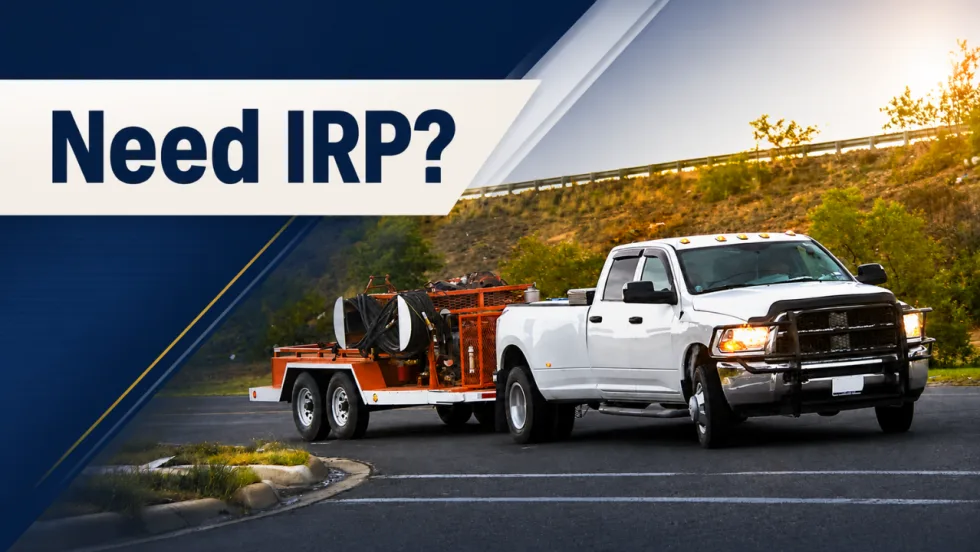
When Work Trucks Under 26,001 Pounds Need IRP Registration
Think trucks under 26,001 pounds are automatically in the clear when it comes to IRP? Not always. Learn where lighter vehicles can still run into trip permit, apportioned registration, and IFTA compliance requirements when crossing state or provincial lines.
Read More →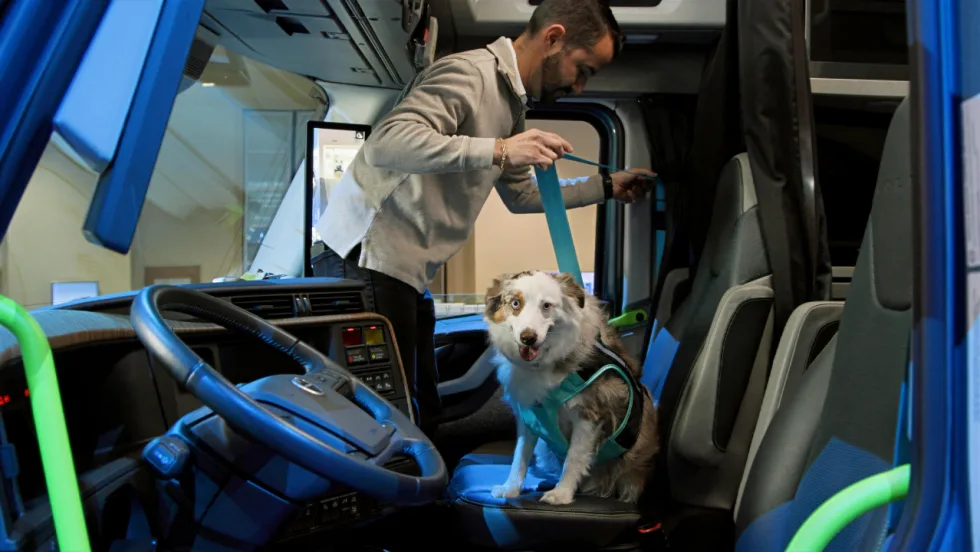
Volvo Trucks Releases New Safety Recommendations for Traveling with Pets
One of the most important recommendations for professional drivers traveling with pets is to ensure pets are properly restrained while the truck is moving. Other tips are available in the new guide from Volvo Trucks North America and Center for Pet Safety.
Read More →
API Issues Refueling Safety Guidelines
The American Petroleum Institute offers a list of safe vehicle refueling guidelines, including ways to avoid potential problems with static electricity discharges in fall, winter, and early spring.
Read More →
Winter Fleet Prep: Expert Tips to Keep Vehicles Running Smoothly
Cold weather can expose weak batteries, tires, fuel systems, and maintenance gaps fast. Use this winter fleet checklist to prepare trucks and drivers before temperatures drop.
Read More →
When a Work Truck Breaks Down, the Job Can Stop, Too
A work truck breakdown can stop more than the vehicle. Discover how payloads, jobsites, and specialty equipment change the roadside response.
Read More →
What Stronger Long-Term Fleet Service Partnerships Actually Require
Fleet service partnerships rarely fall apart all at once. Learn the three warning signs that trust is eroding and what fleets and providers can do before downtime, frustration, and lost revenue follow.
Read More →
Applause & TRUCE Software Partner to Improve Driver Safety Through AI-Powered Telematics & Employee Performance Management
Applause has integrated TRUCE driving metrics directly into its employee-first performance and safety platform that transforms mobile devices into AI-powered telematics.
Read More →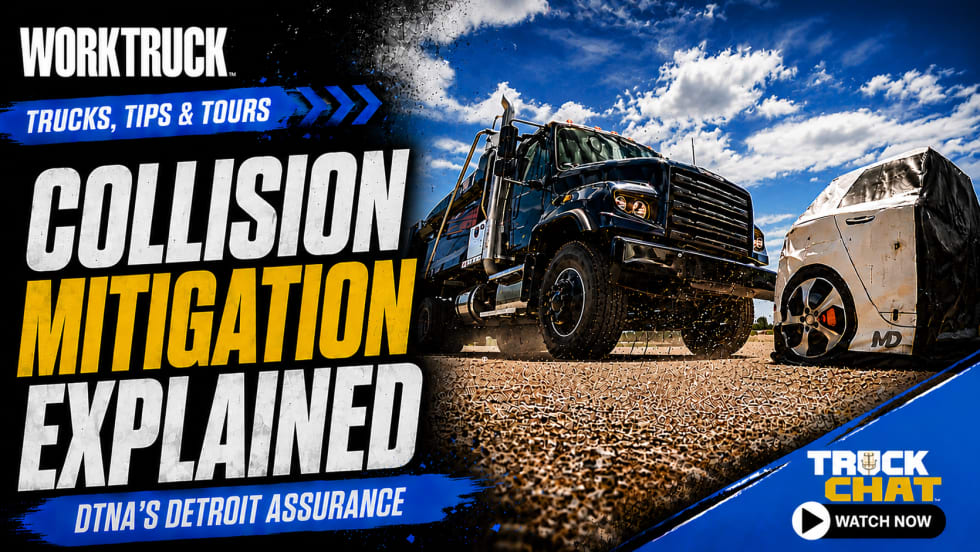
How Detroit Assurance with Active Brake Assist Works
Do you want to see what it is like to experience Detroit Assurance’s Active Brake Assist? In this video, Work Truck will put you in the cab to see how it all works and then hear more details from DTNA’s Mike Young.
Read More →
Get Left of Loss: A 5-Step Workplace Violence Prevention Framework for Fleet Operators
Violence risks do not stop at the driver’s door. Learn five practical steps fleets can take to spot threats early and protect workers before loss occurs.
Read More →
How Better Visibility Cut Speeding Violations by 48%
Fleet leaders don't need more data, they need clearer visibility into what the data is saying. This case study explores how one utility replaced speeding-event counts with a single metric — miles driven in violation — to strengthen safety and significantly reduce speeding violations.
Read More →