




Truck Lift Selection & Safety Tips
Truck lifts are an essential component for many shops, but protecting this investment and the technicians that utilize them should be goal No. 1.

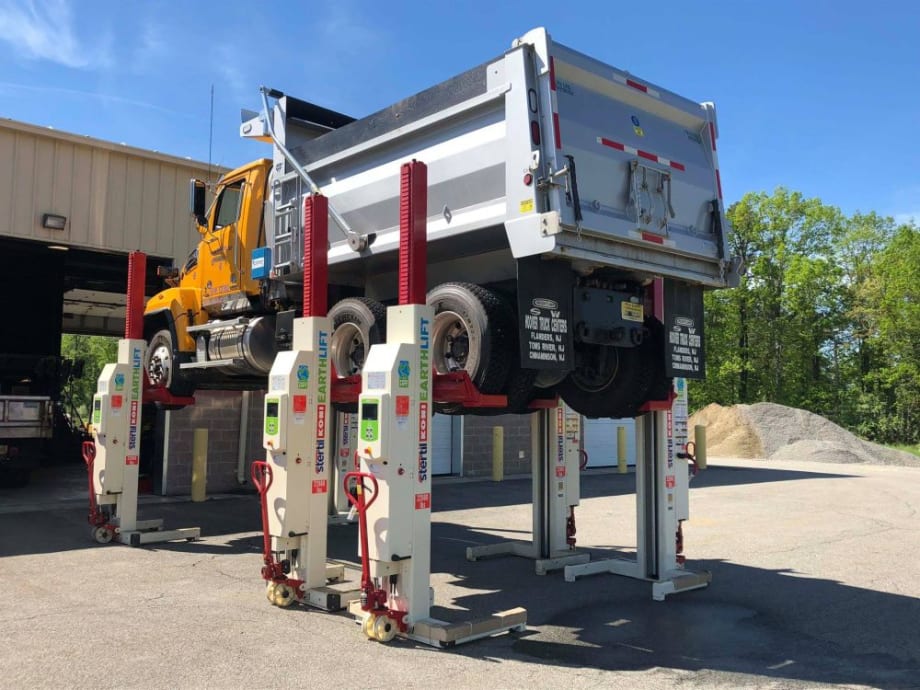
Buying a truck lift is a significant capital expense. Take the time to do your research before you buy.
Photo: Stertil-Koni
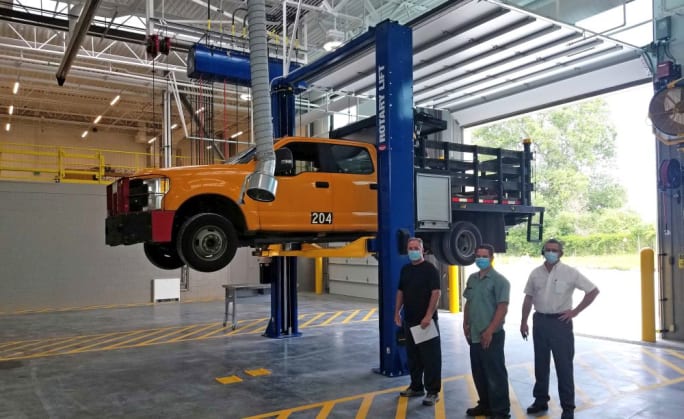
The potential return-on-investment (ROI) for a truck lift varies on the lift purchased and services provided.
Photo: Rotary Lift
Truck lifts may seem like a relatively simple topic – useful tools for work truck maintenance. But things aren’t as simple as you may believe. From selection to safe truck lift operation to maintenance and more, make sure your fleet operation is fully educated on their truck lifts.
“There are numerous advantages to using a vehicle lift, including increased productivity and profitability, improved ergonomics and safety, and improved employee recruitment and retention,” said Doug Spiller, director of heavy-duty product management for Rotary Lift.
Professional heavy-duty vehicle lifts are ideal for servicing a vocational, work truck fleet for several reasons.
“High-performance vehicle lifts operated by skilled technicians enhance safety. Ergonomics are greatly improved as technicians can stand comfortably underneath a vehicle being serviced; redundant mechanical locks provide meaningful layers of security; and touchscreen controls provide precision lifting accuracy,” explained Peter Bowers, technical sales manager for Stertil-Koni USA.
Additionally, heavy-duty vehicle lifts bolster shop efficiency by significantly reducing the time needed to complete tasks, allowing service bays to handle more trucks per shift.
When looking at the return-on-investment (ROI) for these major purchases, it varies based on lifts purchased and services provided.
“Heavy-duty vehicle lifts typically see positive ROI in one to three years via a reduction in service time allowing for more services to be completed and improving employee satisfaction, thus reducing turnover,” Bowers added.
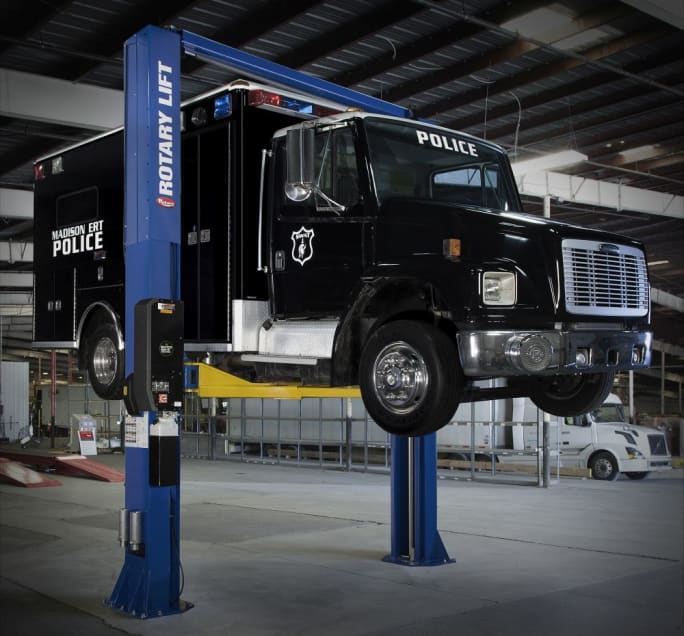
Professional, heavy-duty vehicle lifts areideal for servicing awork truck fleet.
Photo: Rotary Lift
Selecting the Right Truck Lift
First and foremost, carefully evaluate your fleet.“Consider vehicle weight, wheelbase, axle load, and even geographic location. All of these factors can have a direct impact on how a vehicle will be lifted and inform the maintenance facility manager as to what type of lifts are best suited for a particular locale,” said Bowers of Stertil-Koni USA.
It’s vital to have equipment that can keep up with the wide range of work being done.
“First, consider the different types of vehicles being serviced, then determine the proper lift needed to support both the business and technicians, now and in the future,” said Spiller of Rotary Lift.
But don’t select a lift based solely on the heaviest vehicle in the fleet.
“Sizing a lift for a single vehicle in a fleet is great in theory, but consider how often that vehicle gets serviced. If it’s only once a year or so, that vehicle may be able to be serviced on a different style lift or a different location. Picking a lift based on the heaviest vehicle could make it harder to work on the lighter vehicles,” Spiller said.
Once you have evaluated your fleet, evaluate the tasks to be completed.
“Fluid changes, hub-centric repairs, or intensive repairs such as transmission replacements all have a bearing on the type of lift to be selected,” Bowers added.
Another important thing to consider is your workspace and maintenance facility layout.
“Evaluate the amount of space allotted for a lift. Lifts can be rather larger, not to mention approach ramps that are often needed or overhead space that is required for the lift. There could be another style of lift that is more flexible or adjustable to fit the space, like a mobile column lift,” Spiller said.
Bowers agreed, recommending fleets evaluate ceiling height, concrete depth and type, water table, and power availability, as each item has an impact on your lift selection.
One top piece of advice from Spiller to fleet managers looking for lifts: find a local vehicle lift distributor or lift expert to survey your fleet, your needs, and your facility to help come up with a solution that fits your needs and your budget.”
Safe Lift Operation Tips
When it comes to lift safety, the advice is simple but not following it can have huge consequences. Make sure your technicians are properly trained and follow the user manual guidelines.
Proper technician training is important to keeping everyone safe.
“The No. 1 mistake made is having technicians who are not properly trained to operate the lift. Initial product training and then annual refresher training is always the best bet,” said Spiller of Rotary Lift.
Technicians need to know how to lift by the vehicle manufacturer’s recommended pickup points.
“Additionally, equipping the lift with ALI-certified accessories such as extended-height or wide-frame adapters will help ensure proper contact is being made between the lift and the vehicle,” Spiller said.
Other common mistakes in safe lift operation stem from a failure to follow the guidelines outlined in the lift user manual and by the vehicle lift watchdog, the Automotive Lift Institute (ALI).
“The most notable among these mistakes is the improper evaluation of lift contact points and improper evaluation of lifting capacity. Weight distribution and axle loads may be overlooked, creating an unsafe lifting situation,” said Bowers of Stertil-Koni USA.
Product distributors are a great resource for fleet managers, as they are able to train technicians on how to use and maintain lifts properly. A terrific resource for any facility is the ALI Lifting It Right guide.
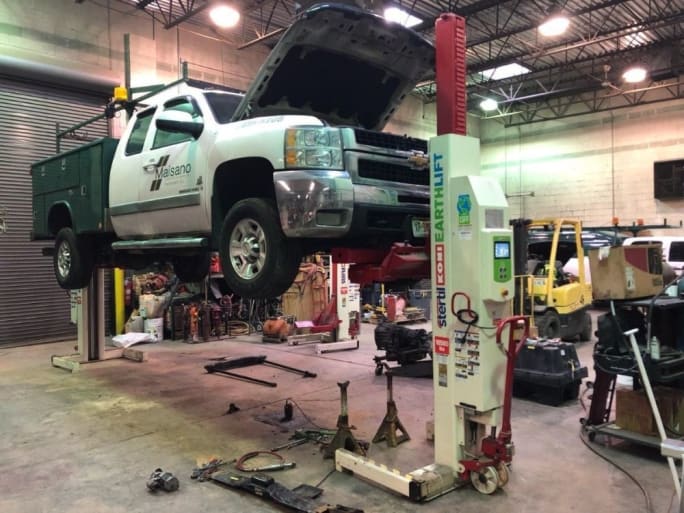
When purchasing a truck lift, first, you need to evaluate your fleet. Once your fleet is evaluated, next evaluate the tasks to be completed on the lifts.
Photo: Stertil-Koni
Proper Maintenance Reduces Replacement
A properly maintained lift from a well-known manufacturer can last 20 years or more, but a poorly maintained lift may not last 10.
“Lifts should be inspected annually for safety and functionality,” said Bowers of Stertil-Koni. “Our nationwide network of factory-trained lift inspectors and technicians are poised and ready to keep your investment running smoothly for years to come.”
But in the day-to-day operation, it’s best to perform daily maintenance checks, per the manufacturer’s recommendation, and have all lifts inspected annually by an ALI-certified lift inspector.
“Lifts are a big financial investment, and regular maintenance and lift inspections are two of the easiest ways to protect that investment,” said Spiller of Rotary Lift. “To ensure safety and reliability of lifts, performing routine inspections is key. As product usage increases, issues will naturally arise, and repairs or replacements may need to be made."
Here are a few indicators Spiller noted to look for during routine maintenance checks that indicate service is needed or it may be time to get a new lift:
Hydraulic fluid leaks develop.
Locks or restraints are not working correctly.
Deformation or excessive wear in any of the lift components is detected.
Lift contact points, including adapters, become damaged or are excessively worn.
Cracks or loose concrete develop around floor anchors.
Safety is the Bottom Line
When lifting trucks, safety is mission No. 1.
“Go with a lift company that has a proven track record, a history of performance and safety, and offers a host of safety features to improve workplace safety and efficiency,” said Bowers of Stertil-Koni.
Buying a lift is a significant capital expense, so taking the time to do your research is absolutely essential.
“Understand not only the initial cost of the lift, but also compare the overall cost of ownership. The costs of repairs and downtime from a low-priced lift can easily outweigh any up-front savings. Also, consider whether there is a local representative to help if needed,” said Spiller of Rotary Lift. “And always look for the gold label that reads: ALI Certified. Only lifts that have passed independent safety testing can use this label.”
More Maintenance
Les Schwab Expands Commercial Tire Footprint Into Arizona
Les Schwab Tires has expanded into Arizona with two commercial tire locations in Phoenix and Tucson, strengthening its fleet service footprint in the Southwest.
Read More →
Volvo Trucks’ 'Lock and Leave' Software Updates Go Live Across North America
Unattended over-the-air software updates are now available in Volvo trucks across the U.S. and Canada. The new capability lets trucks stay current with the latest software without interrupting operations or requiring a dealership visit.
Read More →
Why Technician Appreciation Can’t Be a Once-a-Year Thought
For fleets trying to keep skilled technicians, recognition cannot begin and end with Technician Appreciation Week. Learn what year-round appreciation really looks like and why the everyday technician experience matters just as much as pay when fleets are trying to keep good people.
Read More →
How Faster Driver Reporting Can Keep Small Truck Problems Small
When minor damage, warning lights, or equipment issues are reported late, small problems can quickly become bigger maintenance headaches. Conversational AI can help shorten the path from what a driver notices in the field to the person who can act on it.
Read More →
BendPak’s Ranger Wheel Service Equipment Achieves North American Safety Certification
BendPak’s full line of Ranger tire changers and wheel balancers has been ETL certified to UL and CSA standards to improve operator safety.
Read More →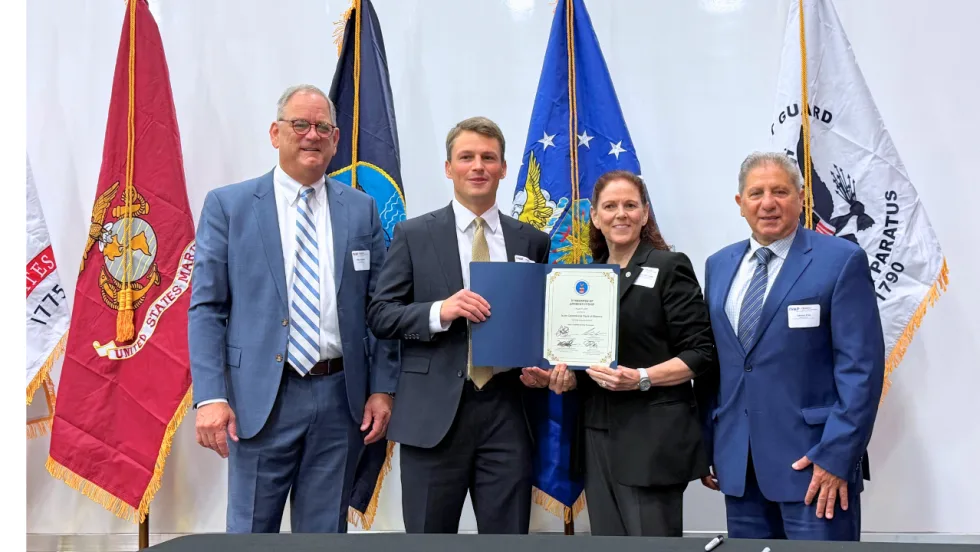
Isuzu & U.S. Department of Labor Celebrate Milestone for Veterans Apprenticeship Program
The Isuzu Veterans Apprenticeship Program (IVAP) signing ceremony highlighted Isuzu’s long-term commitment to veterans, Isuzu dealers, and the skilled workforce supporting its customers and the commercial transportation industry.
Read More →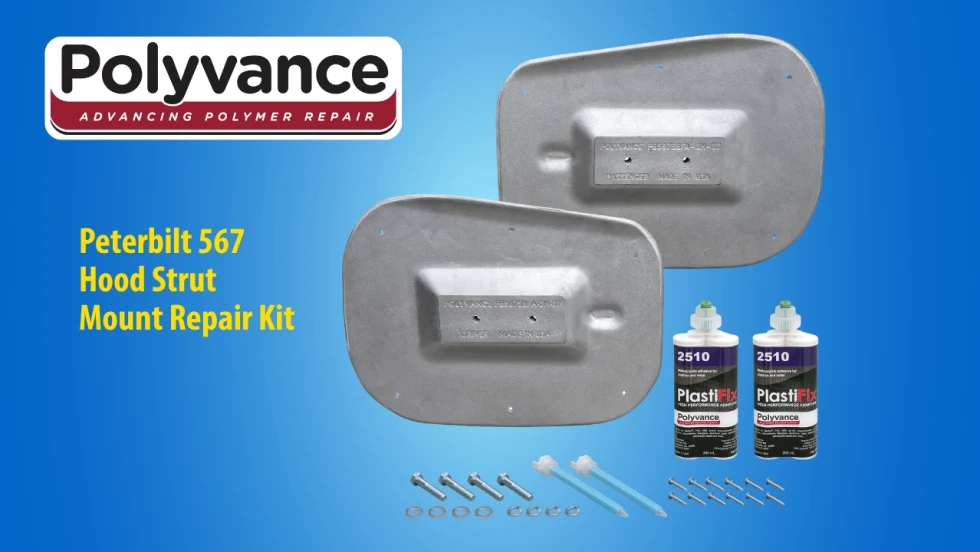
Polyvance Introduces New Peterbilt 567 Hood Strut Mount Repair Kit
Polyvance has launched a repair solution for Peterbilt 567 hood struts, helping truck owners and repair facilities avoid costly hood replacements.
Read More →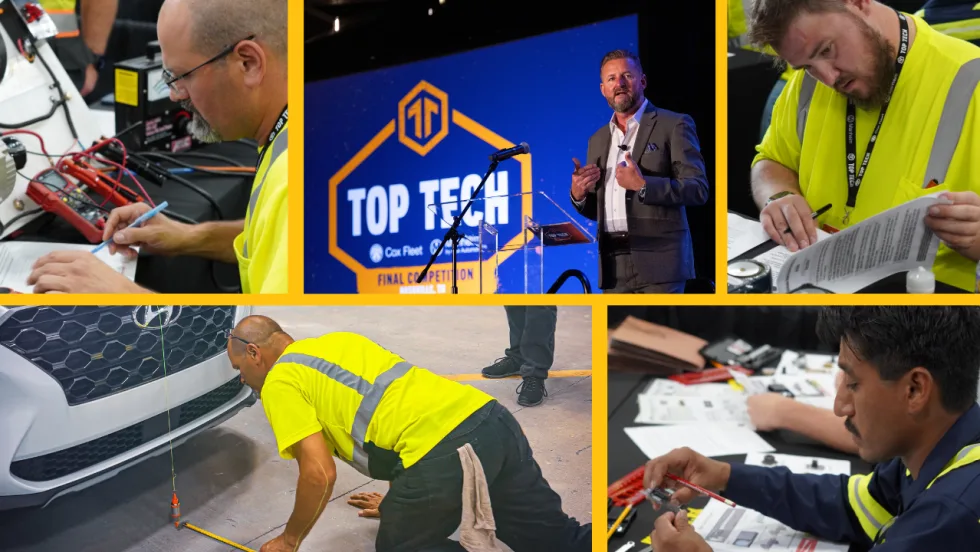
Cox Automotive Celebrates Technical Excellence at 2026 Top Tech Finals
The top technicians from Cox Fleet and Manheim tested their skills in Nashville, Tennessee, at Cox Automotive’s 2026 Top Tech Finals. The overall winners will advance to compete at the American Trucking Association’s TMC SuperTech competition.
Read More →
Grote Industries Appoints Vice President of North American Operations
Grote Industries has appointed Patrick Smith as vice president of North American operations as it celebrates 125 years of innovation and manufacturing excellence. He has more than 20 years of manufacturing leadership experience.
Read More →
Winter Fleet Prep: Expert Tips to Keep Vehicles Running Smoothly
Cold weather can expose weak batteries, tires, fuel systems, and maintenance gaps fast. Use this winter fleet checklist to prepare trucks and drivers before temperatures drop.
Read More →