





Fleet 101: A Guide to Vehicle Classes and Uses
Top 7 FAQs on Periodic Vehicle Inspections
Effective scheduling, understanding the requirements, and developing a process can make complying with the annual inspection requirement much easier.
June 10, 2024
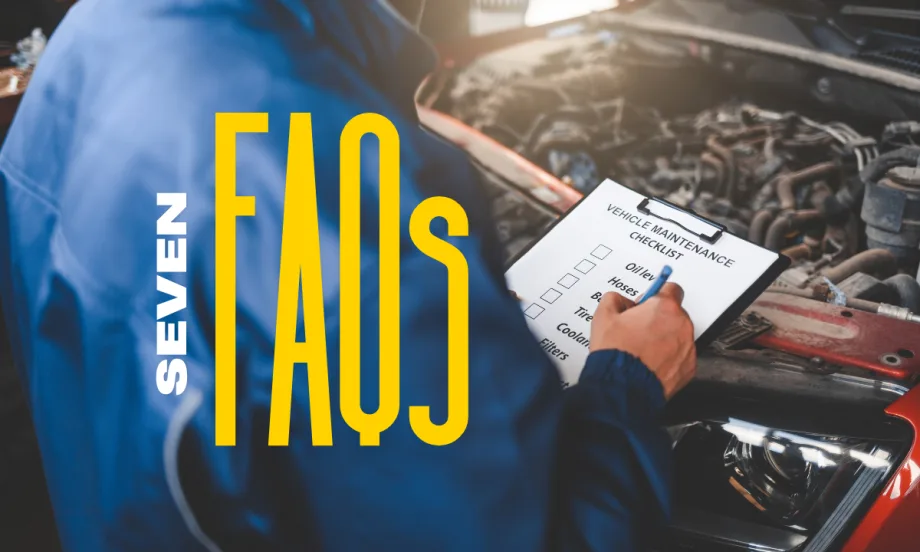
By effectively scheduling and developing a thorough process, you can ensure that your vehicles meet the necessary safety standards, helping to keep your operations running smoothly and avoiding potential fines or citations.
Photo: Work Truck
3 min to read
The periodic (or annual) vehicle inspection continues to confuse many who operate commercial motor vehicles (CMVs).
In 2023, the third most cited roadside inspection violation was "Operating a commercial motor vehicle (CMV) without proof of a periodic (annual) inspection." That same year, the thirteenth most cited violation during audits by the Federal Motor Carrier Safety Administration (FMCSA) was "Using a CMV not periodically inspected."
With the opportunity to be cited and fined on the line, it is important to understand the basics of the requirement.
Understanding Periodic Vehicle Inspections
The following frequently asked questions summarize several key points on the topic.
1. Which vehicles must be inspected?
If a vehicle meets 390.5's definition of a commercial motor vehicle, it is subject to periodic (usually annual) inspection regulations.
This means a vehicle must be periodically inspected if it is used in interstate commerce and:
Has a vehicle or combination weight rating or actual vehicle or combination weight of 10,001 pounds or more, whichever is greater;
Is designed to transport more than eight passengers (including the driver) for compensation;
It is designed to transport 16 or more people, including the driver, without compensation or
Hauls placardable amounts of hazardous materials.
2. Do trailers need an annual inspection?
Yes. Suppose the trailer is part of a combination commercial vehicle (the combination weighs or has a combined rating of 10,001 pounds or more, etc.). In that case, the trailer must be annually inspected (see the beginning of 396.17(a)).
3. What are the standards for passing the inspection? Does the vehicle need to be in perfect condition?
The vehicle must meet the conditions detailed in Appendix A to Part 396, which look at the safety critical components and systems on the vehicle (brakes, coupling systems, lights, suspension, tires, etc.).
Parts and components not listed in Appendix A are not part of the inspection and do not influence the pass/fail decision. A vehicle cannot be passed if a defective component is discovered in one of the critical areas. It must be repaired before it is passed.
4. Proof of the inspection must be on the vehicle. What is acceptable proof of inspection?
The vehicle can have either a copy of the inspection report or a decal with the information listed in 396.17(c) on it (e.g., the month and year of the inspection, the location of the inspection report, etc.).
5. What if my state requires quarterly or semiannual inspections?
If the state where you are based requires a periodic inspection to be done more frequently than annually, you must follow your state's requirements.
6. If state inspections are mandatory, can the federal inspection be skipped?
In general, yes. If the state has an inspection program that the FMCSA has determined to be equivalent to the inspection required in 396.17, then the state inspection can be done in place of the federal one.
However, the vehicle must carry proof of the inspection, and a copy of the inspection report must be on file in your office or shop.
7. Can I do my own inspections?
Yes, provided you have technicians who meet the qualification requirements in 396.19 (one year of experience, training on doing annual inspections, etc.).
The exception is if the state where you are based has a mandatory program and requires the inspection to be done at a state-licensed facility, and you cannot license your personnel or facility to do the inspections.
Taking Proactive Fleet Measures
Understanding the requirements and taking proactive measures can make complying with the annual inspection requirement much easier.
By effectively scheduling and developing a thorough process, you can ensure that your vehicles meet the necessary safety standards, helping to keep your operations running smoothly and avoiding potential fines or citations.
Subscribe to Our Newsletter
More Safety & Compliance
Navigating the Effects of Daylight Saving Time on Work Truck Fleets
Discover how daylight saving time impacts work truck fleets and get essential tips for fleet managers and drivers to navigate the "fall back" transition.
Read More →
How Halloween Changes the Job for Work Truck Drivers
Truck traffic doesn’t take the same Halloween break as other drivers. What fleet managers should know about timing, neighborhood stops, and braking data.
Read More →
Tips for Driving Safely on Halloween Night
This video features a reminder from the Connecticut Department of Transportation (DOT) and the Connecticut Police Chiefs Association, urging drivers to prioritize safety this Halloween.
Read More →From Our Partners



Re-rating Gross Vehicle Weight Ratings (GVWR): Why and How it's Done
Sometimes, it is not in a fleet’s best interests to have a vehicle at a given GVWR. Changing the GVWR to a special value can be done, but the process is complicated.
Read More →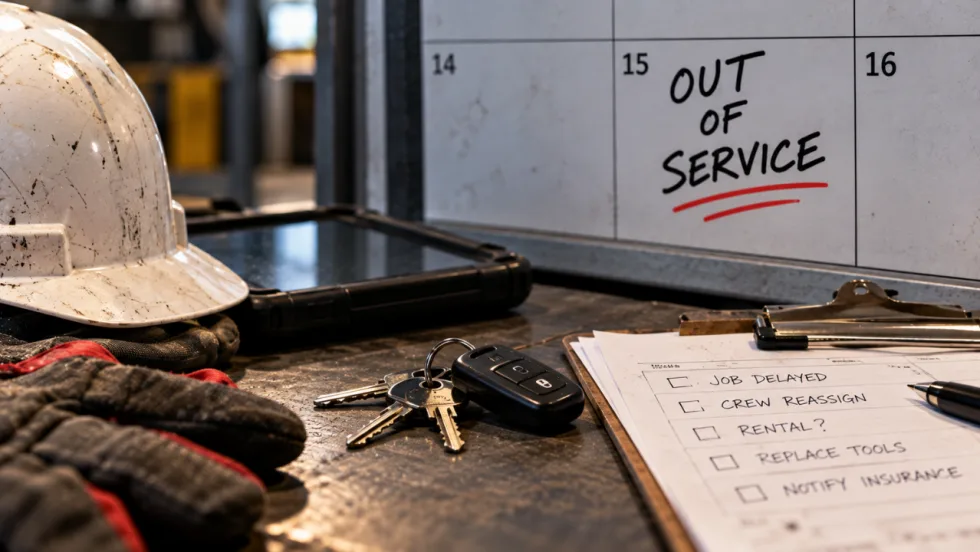
When a Work Truck Gets Stolen, the Real Loss Is Time
A stolen work truck can take more than a vehicle off the road. From tools and access cards to crew downtime, here’s how fleets can prepare for theft before it disrupts the entire workday.
Read More →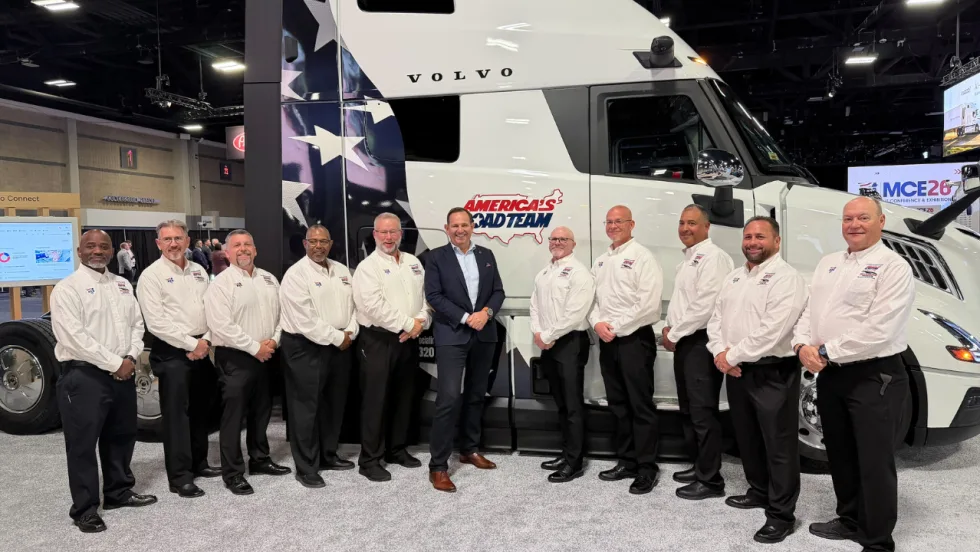
Volvo Trucks Marks 25 Years as Exclusive Sponsor of America's Road Team
Volvo Trucks North America will serve as the exclusive sponsor of the American Trucking Associations' America's Road Team, marking 25 years of Volvo sponsorship. The group of professional drivers promotes safety and the industry as they travel the country.
Read More →
Streamlight’s High-Output Scene Light Recognized with Occupational Safety Award
Streamlight’s Portable Scene Light III (PSL III) won the 2026 Occupational Health & Safety (OH&S) New Product of the Year Award in the Lighting category.
Read More →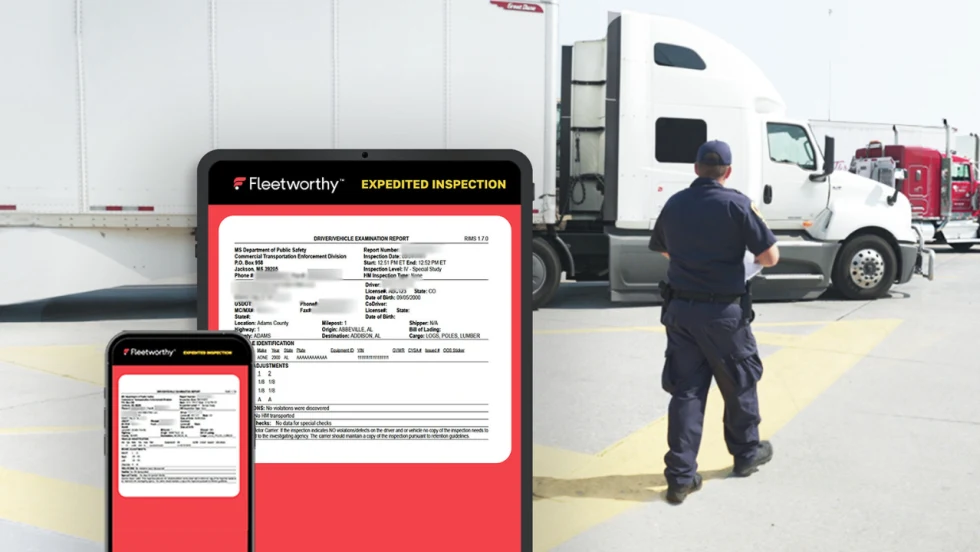
Fleetworthy Expands Expedited Inspection to 5 States
Following its industry-first launch in Nevada, Fleetworthy’s automated inspection technology is now live in California, Michigan, Vermont, and Maine.
Read More →
Crossing State Lines in a Light-Duty Work Truck? Check These Rules First
Crossing state lines in a lighter work truck? J.J. Keller's Kathy Close explains when IRP registration, trip permits, and towing rules come into play.
Read More →
Simple Tire Checks That Help Keep Your Business Fleet Moving
A survey found that nearly one in every 10 passenger vehicles has at least one bald tire. What's more, 27% -- more than one in four -- of vehicles are driven with one or more severely under-inflated tires.
Read More →