The Data of Fleet Fuel Cards and Their Role in Operational Efficiency
Uncover how fleet fuel cards provide more than just fuel savings—they can transform your entire fleet operation with data-driven insights that drive efficiency and reduce costs.
by Jim Perkins, Shell Fleet Solutions US
January 16, 2025
Fleet managers can track real-time fuel data to optimize consumption and cut costs across their fleets.
Photo: Shell Fleet Solutions US
3 min to read
Do not underestimate the transformative power of data in fleet management.
Ad Loading...
Data isn't just an administrative fleet management tool, but a strategic asset that can drive operations on and off the road. Work truck fleet managers can make informed decisions that help optimize mileage, reduce fuel costs, and enhance overall efficiency by automating the capture and analysis of data.
Ad Loading...
As technology continues to evolve, the potential for data-driven fleet operations will continue to grow. Emerging solutions such as artificial intelligence, machine learning, and telematics are already revolutionizing the industry, providing even deeper insights and more sophisticated tools to quantify how fleets work. Integrating new technologies will continue to enhance the ability to manage commercial and work truck fleets effectively in today's competitive landscape.
However, with so many new options coming online, it's easy to overlook one of the most valuable and easy-to-use tools already available to fleet managers: the fleet fuel card. Widely used across the industry, fleet fuel card programs provide a wealth of information that goes beyond simple fuel costs.
Here are some key solutions that fleet fuel cards offer:
Real-Time Transaction Data: Fleet fuel cards capture real-time data on fuel purchases, providing detailed information on spending across fleets and drivers. This data allows managers to monitor fuel consumption patterns and identify areas for improvement.
Purchase Controls: Managers can set spending limits and control purchases. This feature helps prevent fuel fraud – sometimes hidden in unattended spending habits – ensuring that fuel budgets are being followed.
Simplified Accounting: Fleet fuel cards integrate seamlessly with most accounting and bookkeeping software, streamlining the reconciliation process and reducing administrative burden.
Fuel Use Trends: Fleet managers can track fuel use habits and vehicle performance by analyzing transaction data. This is crucial for making data-driven decisions that can help enhance fleet efficiency.
Tracking Savings: Most fleet fuel cards come with notable rebates on fuel. Managers can track savings over time, providing a clear picture of cost reduction achieved through both these savings and effective fuel management practices.
Reporting and Analytics: Advanced reporting features and data analytics allow businesses to identify fuel-saving strategies that can help lead to significant cost savings and operational improvements.
Advanced reporting features of fuel cards help streamline accounting and identify new savings opportunities.
Photo: Shell Fleet Solutions US
How Fleet Fuel Cards Can Improve Cost Control and Accountability
How do we apply the numbers after they are gathered? Work truck fleet operators should consider these scenarios:
Ad Loading...
Optimizing Routes: Identify the best vehicle routes by analyzing GPS data and fuel consumption patterns. This helps reduce fuel costs but also aids in minimizing wear and tear on vehicles, which can help extend their lifespan.
Improving Driver Behavior: Fleet managers can track data to create driver-specific reports or compare vehicle fuel usage. They can set purchase controls to cut down on unauthorized spending and spot drivers who use more fuel than others, possibly highlighting a need for driver training.
Preventive Maintenance: Fleet data can help managers schedule preventive maintenance based on actual vehicle usage rather than fixed intervals. This proactive approach ensures that vehicles are serviced when needed, helping to maximize fuel mileage and reducing the risk of breakdowns and costly repairs.
The data produced by fleet management tools can help drive significant improvements in costs and overall performance. By leveraging them and the advanced analytics they provide, fleet managers and drivers alike gain valuable learnings across assets – often without the additional headache that comes from manual pen-and-paper operations.
Fleet fuel cards are a powerful advantage, helping work truck teams streamline expenses and focus on achieving their goals.
About the Author: Jim Perkins is Director of Shell Fleet Solutions USA. He has worked for a variety of Shell businesses during his 30-year career. Before joining the Shell Fleet Solutions team in 2014, he spent much of his career with Shell Mobility and Jiffy Lube. This article was authored and edited according to Work Truck editorial standards and style. Opinions expressed may not reflect that of WT.
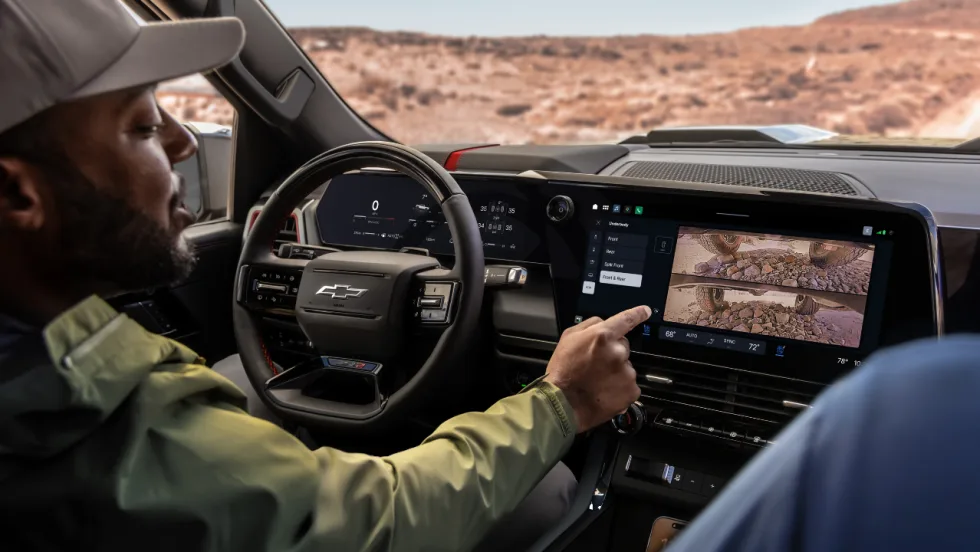
GM's new pickup interface puts trailering data, camera views, vehicle controls, and smartphone integration closer to the driver in the 2027 Silverado and Sierra.
Samsara’s new driver rewards program was built with a broader professional driver in mind, including employees who split their day between driving, job sites, service calls, and other work.
Verra Mobility has launched a new AI-driven Title & Registration platform to help fleets move vehicles from acquisition to the road the same day while reducing compliance risk.
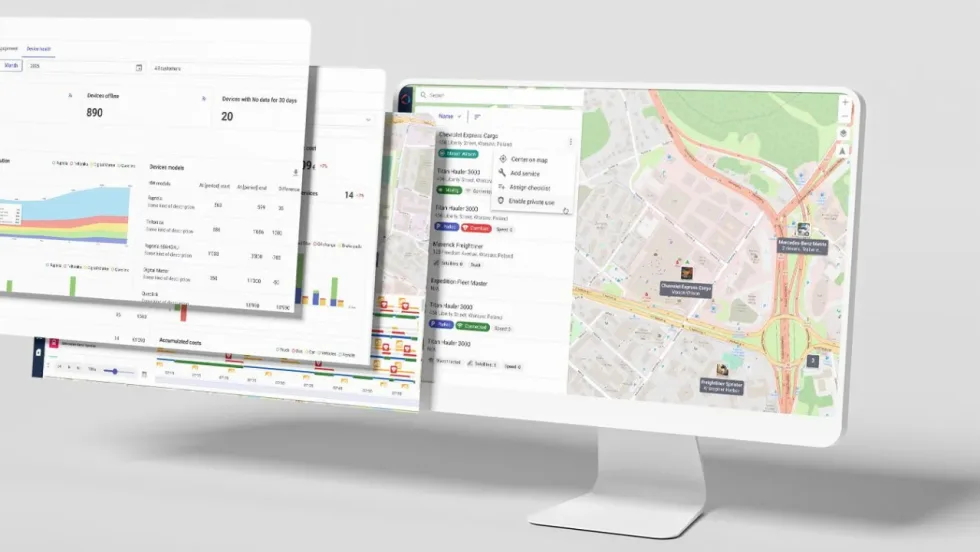
Wialon has introduced hardware-free OEM integration as the EU Data Act accelerates the shift in vehicle data access across the fleet industry in many countries.
Teletrac Navman’s next CEO, Ricardo Buranello, has served as the company’s chief financial and operating officer. He brings deep financial and operational expertise, a strong strategic orientation, and an intimate knowledge of the business to his new role.
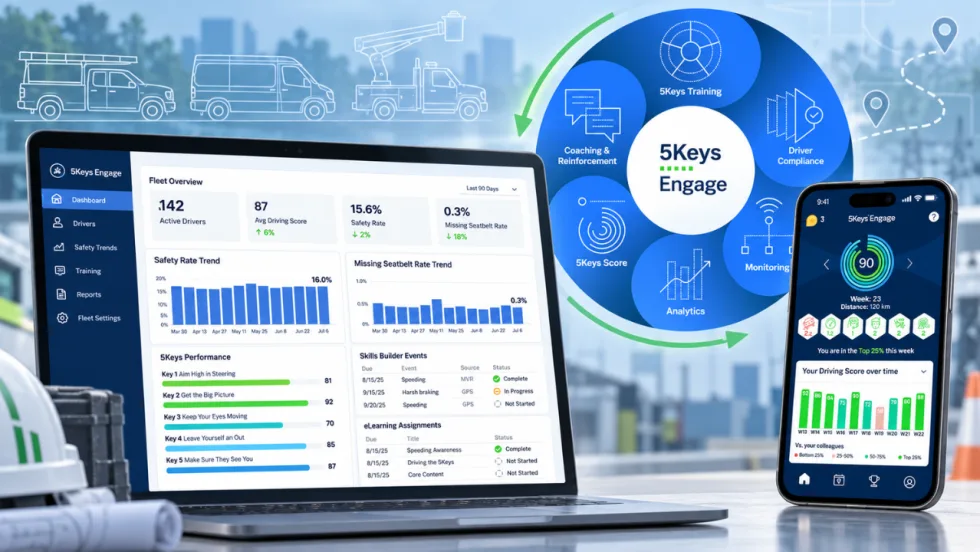
Smith System’s new Driver Risk Management program is built to help mixed work truck fleets turn telematics alerts and observations into specific behaviors, coaching actions, and measurable follow-up.
Check out the latest Ford Pro software updates, including Google Maps integration, Remote Vehicle Alarm integration, Motor Pool for easier management of shared pool vehicles, and more.
AI is moving past the buzzword stage and into the daily fleet workflow. Fleetio’s Brianna Perry Lang breaks down where fleets are seeing real time savings, from maintenance and data entry to repair decisions, safety, and compliance
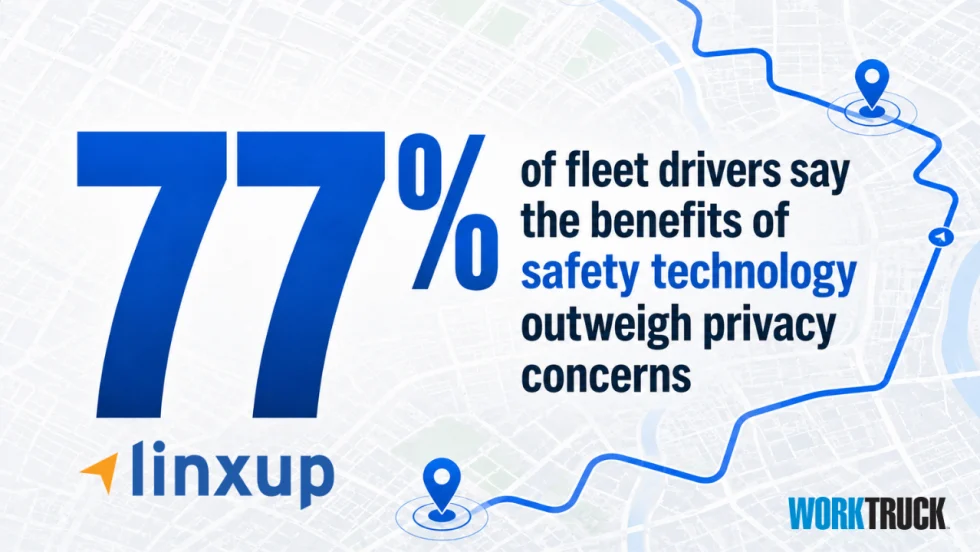
A new survey finds field-service drivers may be more comfortable with dash cams and GPS tracking than fleet managers think, especially when the technology helps protect them after a crash.