




Telematics '13: Panoramic Fleet Management
Telematics devices still do a great job of identifying vehicle location, but they can also tell a lot about how the vehicle is operating — and how the driver is operating it.
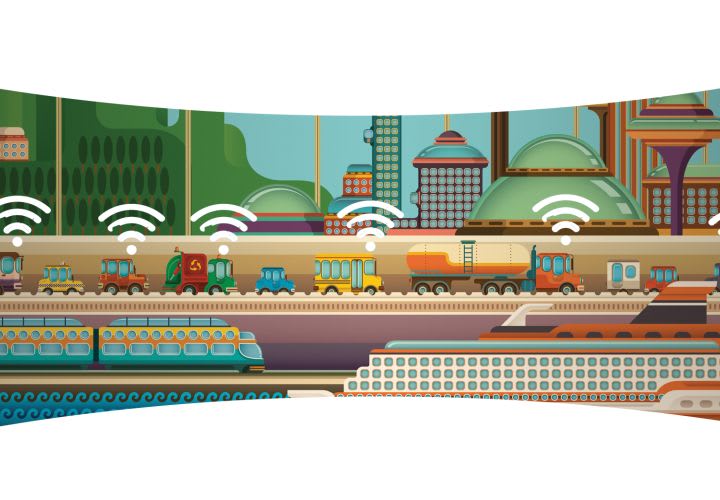
Anyone who thinks telematics are only as good as any GPS unit hasn't looked into telematics lately. Telematics devices still do a great job of identifying vehicle location, but they can also tell a lot about how the vehicle is operating — and how the driver is operating it. And they're not just for vehicles anymore. Telematics devices can be used on any number of assets, from trailers, mowers, and generators, to containers, snowplows, and buckets.
Take the Robert J. Dole VA Medical Center in Wichita, Kan. The center's telematics showed that a van was headed to the VA Hospital in Kansas City. But more importantly, it warned that the van was approaching 100 miles an hour on the turnpike and in a rainstorm — an incredibly dangerous situation for the driver and the veterans in his van.
Thanks to telematics, the driver was given immediate cell phone orders to slow down. And by the time he returned, tracking of previous trips revealed a history of speeding and led to his dismissal.
Telematics today have much farther-reaching effects than ever before. So much more can be tracked — and so much more can be done with the data. From preventive maintenance and customer satisfaction to theft, safety, and productivity, telematics are helping organizations run better and safer.
Tracking More Than Ever Before
Even though telematics technology has called vehicles home for years now, they've taken up residence elsewhere, including in other powered assets like lawn mowers and bobcats; in non-powered assets, like fuel tanks and trailers; and on pieces and parts of snowplows and bulldozers.
Equipment and Trailers
Telematics can be used on just about any asset and can adapt per industry requirements.
For Anthony Foster, Fleet Manager, Pioneer Natural Resources, a large, independent oil and gas exploration and production company, telematics help shed light on his fleet's operations, which in turn helps him track utilization and run the entire fleet more efficiently.
"We have installed telematics devices on our equipment and our trailers primarily to manage those assets and dispatch them as needed," Foster said. "Quite simply, telematics help us to connect the dots — it shows us which vehicle or piece of equipment is available and where it is, which maximizes our ability to deploy our fleet quickly and efficiently. Beyond that, we're currently exploring the potential benefits of using telematics to monitor and track trailer utilization, especially with regard to productive idle time versus non-productive idle time."
Companies have used telematics devices for similar purposes but on different equipment. Some fleets install units on lawn mowers for productivity (tracking whether the blade is up or down, and run time vs. idle time) and golf carts for theft and utilization.
The Iowa Department of Transportation (DOT) even uses telematics devices on its dynamic messaging signs, according to Annette Dunn, Winter Operations Administrator, Iowa DOT. This helps prevent theft and verify that signs are located in the right place.
Many companies also install asset trackers on booms, bulldozers and other expensive equipment for similar purposes. And if they're renting out assets they're not using at the time, they can track them and their length of use.
Snowplows
Telematics can help fleet managers understand the productivity of their snowplows as well. When installed on the plow itself, telematics can show whether a street has been plowed yet and at what time.
Telematics can also be used to show how much salt or sand has been spread, which streets were treated, when, and at what rate. This ability helps organizations track productivity as well as helps deliver better customer service to snowed-in customers, while also better managing resources.
"Our snow plows use telematics for location and pertinent winter operations information to assist us in adjusting our practice on the fly and giving us data to assist us in resource and asset management," Dunn said. "We use the system to give us pertinent business information to assist us in short-term and long-term decisions for snow plow positioning and treatment of the roadway."
Preventive Maintenance
Preventive maintenance prolongs the life of vehicles and assets and prevents costly repairs — so it's no wonder fleets keep on top of it with regular maintenance schedules and vehicle maintenance histories. But what happens when a vehicle needs maintenance before the next scheduled service? Or if a vehicle isn't quite due for service yet and could stay on the road longer? Telematics offer deeper insight into these situations.
Timely Maintenance
Telematics can be used to monitor things like oil life, engine hours, and pre-set parameters and thresholds for usage. This helps fleet managers pull vehicles in for maintenance at the right time, keeping vehicles productive and preventing roadside breakdowns.
"With many of our vehicles, maintenance can be a challenge," Foster said. "Some of our vehicles are asked to do a lot and can often need preventive maintenance on a different, more aggressive schedule than is normally recommended. Others may not get as much usage and may be able to go for longer periods of time than would normally be recommended. But either way, I am able to make that determination because of telematics."
For example, Foster uses telematics to properly time oil changes. On each asset he gets a reading from the vehicle's oil life indicator that tells him exactly what that vehicle's current oil life percentage may be.
"This helps me decide whether it is time to bring that vehicle in for an oil change," he said. "With telematics, if a vehicle is in heavy use and needs an oil change sooner than what is recommended within the manufacturer's recommended time frame, we know it. And, if a vehicle doesn't need to be brought in, we know that too and are able to keep it on the road and on the job. That kind of knowledge is invaluable."
Proactive Repairs
Telematics can also be used for engine diagnostics. For example, when a problem arises, the device sends an alert with the trouble code in real time. This helps fleet managers repair problems before they become worse — or conversely, lets drivers know it's safe to finish the job before bringing in the vehicle.
"We use telematics to monitor vehicle diagnostics; it e-mails me and if there is a major problem, I can read out the codes and advise the driver to proceed or dispatch a tow truck if needed," said Danny Schepis, Vehicle Manager, Robert J. Dole VA Medical Center. "This constant monitoring also allows me to see drops in fuel mileage and advise either maintenance checks or driver adjustment."
Tracking Customer Satisfaction
With the ability to monitor vehicles and driver behavior, organizations can use telematics to boost driver safety, get drivers to the job faster, and ensure the job gets done.
In the towing industry, this means stranded drivers find refuge faster when every minute counts. "The towing business is all about service," said Nick Schade, Director of Operations, Tony's Wrecker Service, Louisville, K.Y. "If we say we will be there in 20 minutes, we need to be there in 20 minutes. Telematics make it easier to handle issues with estimated times of arrival. We know where drivers are at the click of a mouse. Being able to track the entire tow either locally or long distance allows us to provide additional customer service. We can actually allow our customers to watch their particular tow online, for a set period of time. This takes the call away from our dispatcher and allows the customer to see the progression."
For Foster, telematics help improve safety and productivity, which translates to better customer service. "Telematics not only help us ensure that our drivers are driving safely but also help us understand if work has been allocated appropriately and drivers are routed properly," he said. "A driver that may be exhibiting poor or problematic driving may not have a route that is optimized, which is leading to the problem in the first place. Telematics help us to see that problem, understand it and address it, which in turn leads to better drivers, more productive employees, and higher customer satisfaction."
The impact of telematics on customer satisfaction can play out differently depending on the industry. For one HVAC company, having telematics allowed them to implement a policy in which the appointment was free if a service person arrived five minutes late. Not only did the move mean better customer service, it also differentiated them in the marketplace. For a utility company, it might be getting the lights back on faster. Whatever the industry, the potential for improved customer satisfaction is limitless.
Safety on the Road
With the ability to track unsafe driving practices like hard braking, fast cornering, rapid acceleration, and speeding, telematics devices tell fleet managers a lot about whether their drivers are staying safe on the road and following company guidelines for driver behavior.
"When it comes to safety, telematics help us manage driver behavior and ensure that our drivers are operating their vehicles in a safe and responsible manner," Foster said. "A safe driver is a driver that is good for your bottom line — and for the environment too. Safe drivers are able to help you minimize risk, maximize the life of a vehicle, and save on fuel by maintaining safe speeds. Telematics help us with all of that. Not only am I able to get basic GPS information, such as where a vehicle may be and for how long, but I'm also notified if a driver neglects to use his seat belt or if an air bag is deployed."
With increased visibility into driver behavior, telematics have also helped Foster enforce safety policies. "To be completely truthful, I didn't know how bad of a driver I was until I saw my own driver scorecard," he said. "But, with telematics, we're able to see how our drivers are doing from day to day and use that information as a coaching tool to help them improve if necessary. Telematics help when it comes to risk assessment and give us a better overall picture of what a driver's habits really are. It also allows us to be proactive in a very strategic way. While we still offer regular training and routine reminders about our safety policies, if we see via the data that a certain driver needs more, we don't have to do blanket training; instead, we can target our training and help that driver improve."
Drivers' Personal Safety
On top of preventing accidents through improved driver behavior, telematics can also help ensure the safety of drivers in the event of breakdowns — especially in rural areas.
Schepis' drivers at the VA Medical Center often drive to remote areas to pick up or provide medical care to veterans, so naturally he and the drivers worry about their safety out on the road alone.
"Much of Kansas looks like everywhere else in the state, so it is reassuring to them to know we can find them," Schepis said. "We had a vehicle break down at a rest stop and the tow truck could only take two passengers with it on to the city they were going to, leaving one lonely guy waiting in the rest stop in the middle of a field in Kansas. And it was the middle of winter. We were able to check for the closest vehicle and call them to detour to pick him up."
Quality Stops
Beyond vehicle and driver behavior, telematics data can also be integrated with other data — say, sales metrics — to learn how to maximize the quality of drivers' stops.
For instance, a pharmaceutical company might learn from the data that sales reps who make 30 minute stops have higher sales ratios than those who stop for 15 minutes or an hour. Armed with that knowledge, they can coach their reps to time their visits accordingly, and in turn see high productivity and sales.
"We have looked at average stop time and continue to monitor that for deliveries," said Brian D. Campbell, President, Campbell Oil Company. "The system has allowed us to develop KPI (Key Performance Indicators) for the drivers and we are rewarding them if they hit certain thresholds."
Theft
While telematics can tell us much about what a vehicle is doing while it's in use, sometimes the data is just as valuable when it's at rest.
For instance, construction sites are often in remote locations or can be large in size, leaving them susceptible to theft. The same can be true for the oil and gas industry. That is a major loss, especially when it comes to large pieces of equipment like bulldozers and excavators.
But with GPS satellite asset trackers, companies in remote locations with poor coverage can see exactly where their assets are. And, with geofences in place, they can get an alert the instant a piece of equipment leaves the area.
Downsizing
With fleet utilization reports based on telematics data, fleets can see which vehicles are being underutilized, or where they can be shifted to be more productive.
For instance, a large communications company was set to purchase 50 new vehicles, but the company identified with its Fleet Utilization Report that 10% of its fleet vehicles were not being used. The company not only avoided new purchases but sold off many others. This one report alone paid for the program for many years to come.
"In terms of total cost of ownership, if you don't use a vehicle for more than 500 miles over a six-month period, it isn't worth keeping that vehicle," Foster said. "We are in the process of taking an in-depth look at our data to see where we might have vehicles that are not being used and whether it makes sense to reduce our total fleet numbers accordingly."
Fleet Growth
Telematics can also help fleets grow. In fact, a limousine company in Atlanta was able to grow its business due to a telematics solution. The company went from 10 to 60 vehicles.
Schepis uses reports based on telematics data to quantify the usage of his vehicles. "I have subfleet managers in the different services that oversee their service vehicles and shift them around as needed to see that all requirements are met," he said. "This is overseen by a committee of people from all services that oversees vehicle usage and determines if we add or subtract vehicles assigned to them. If a vehicle is added, the service uses usage records and projected usage and reasoning to obtain a vehicle. I quantify usage and determination of what the best vehicle would be for the usage."
As his fleet has grown from 19 to 85 vehicles, Schepis has been able to customize reports that make reporting easier and help him justify his fleets' size.
The Bigger Picture of Fleet Management
The evolution of telematics has allowed fleet managers to track so much more than location. From driver behavior and engine diagnostics to equipment productivity, with the help of telematics fleet managers can see the bigger picture of their fleets.
Originally posted on Automotive Fleet
More Technology
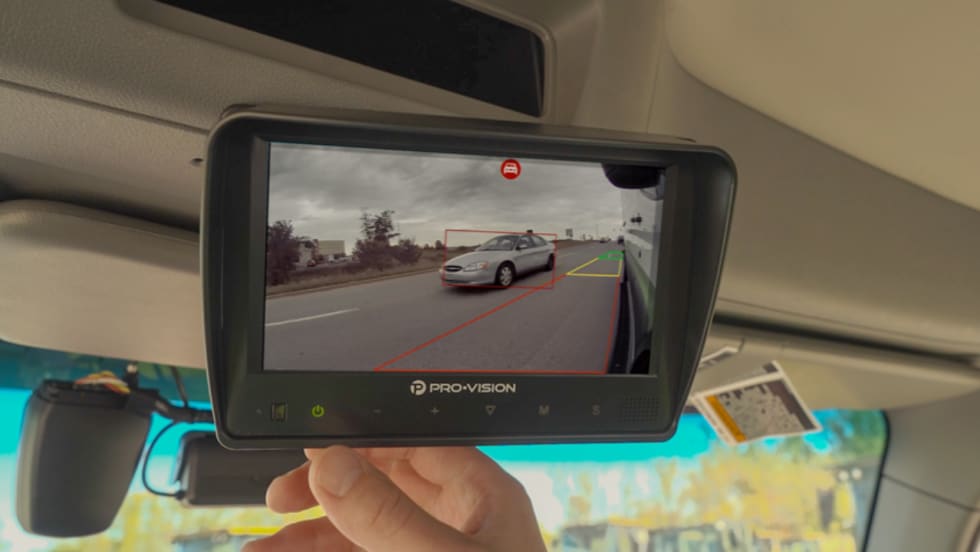
Pro-Vision Brings AI Hazard Detection to More Camera Views Around the Vehicle
Pro-Vision's latest AI camera and inline processing module help commercial drivers detect pedestrians and vehicles during backing, merging, and lane changes.
Read More →
Motive Announces 2026 Visionary Customer Award Winners
The 2026 Motive Visionary Customer Awards honor forward-thinking leaders across global industries and regions who have harnessed the power of AI to drive measurable improvements in safety, productivity, and profitability in physical operations.
Read More →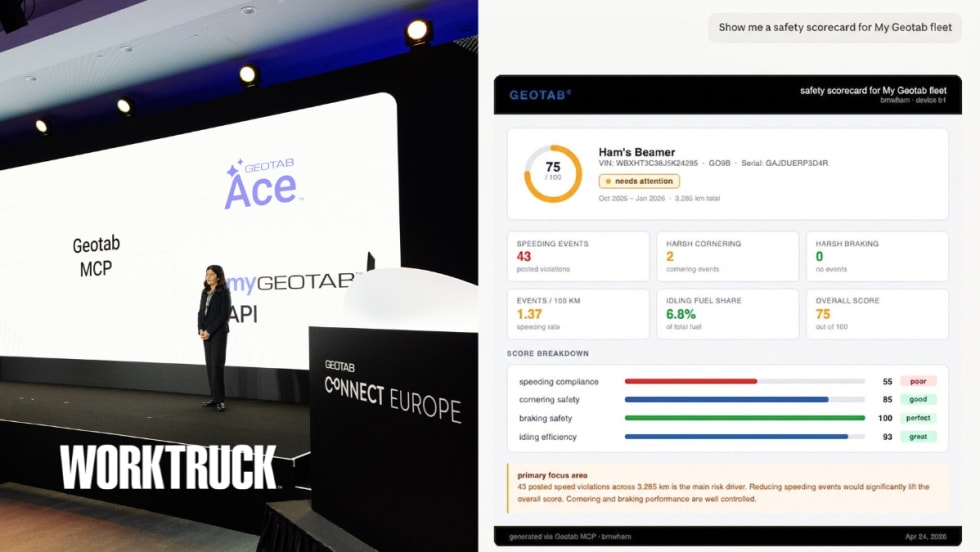
Geotab's New AI Connector Could Help Fleets Cut Maintenance Admin and Reduce Downtime
Geotab's new AI connector brings fleet data into ChatGPT and other platforms, helping fleets automate maintenance decisions and reduce downtime.
Read More →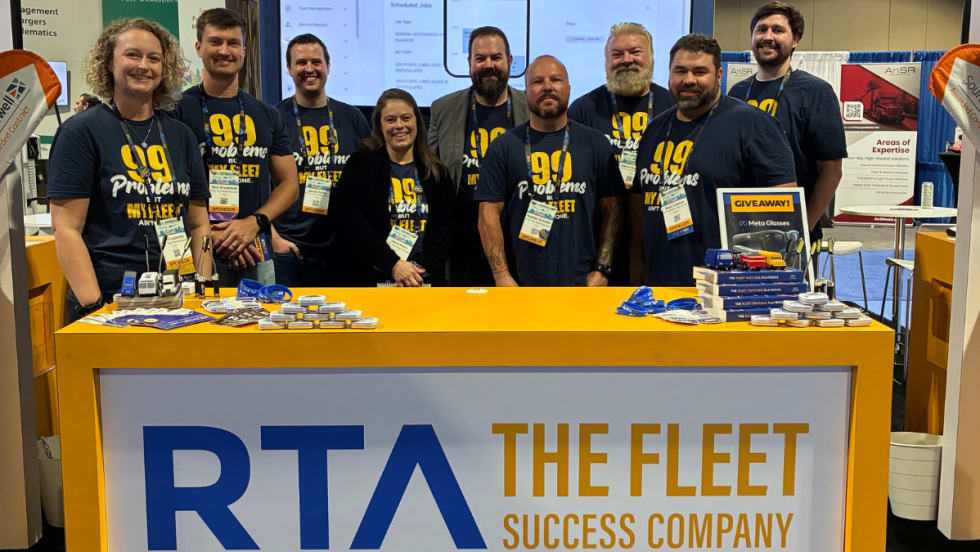
RTA Introduces Ron360 AI Assistant for Fleet360 Users at Government Fleet Expo 2026
Unveiled at Government Fleet Expo 2026, Ron360 embeds AI into Fleet360, helping fleets quickly find data and generate insights.
Read More →
How Real-Time AI Coaching Is Changing Fleet Safety
Learn how AI-powered driver coaching, real-time alerts, and behavior-based insights help fleets reduce risk and improve safety.
Read More →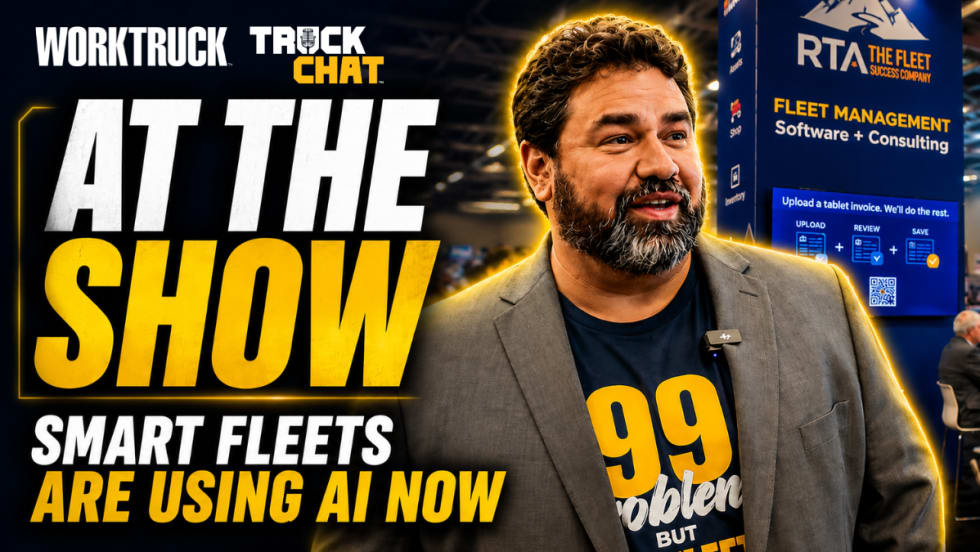
AI Is Reshaping Fleet Management Faster Than Most Fleets Realize
Learn more about how AI, data, and operational intelligence are transforming fleet management, replacement planning, and the future of fleet operations.
Read More →
What is Motive Vision?
Motive Vision brings together fleet operators, safety leaders, and industry professionals to collaborate, share insights, and help shape the future of fleet technology. Learn why the Motive innovation summit continues to grow year after year.
Read More →
Motive Focuses on Integration & Automation as it Rolls Out New AI-Driven Systems & Hardware
Motive unveiled new AI-driven safety tools, systems, and hardware during its annual innovation summit. New launches included the Atlas AI assistant, Automations, AI Omnicam Plus, and updates to AI Dashcam Plus.
Read More →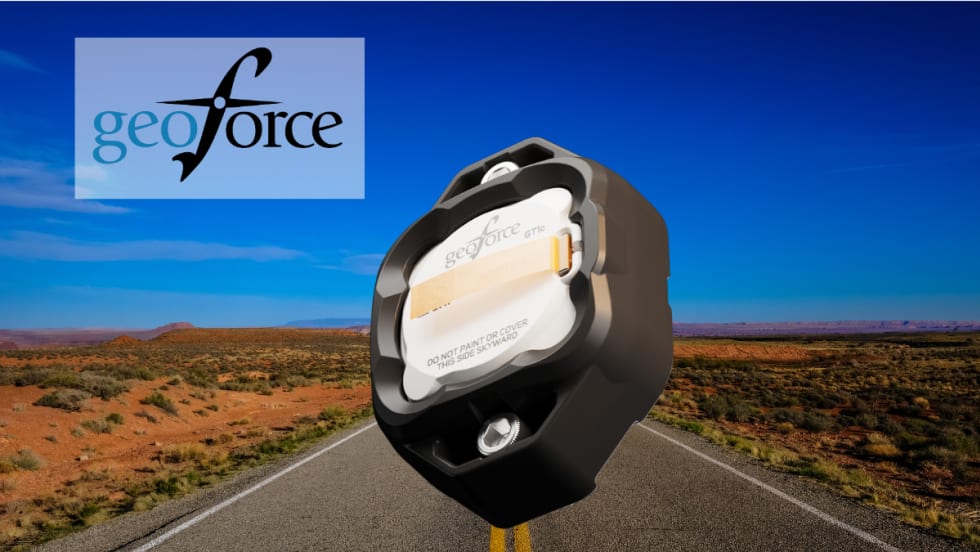
Geoforce Launches GT1c with AT&T Business for Rugged Cellular Asset Tracking
Geoforce, a global leader in rugged asset tracking, has launched the GT1c, which leverages cellular technology and has a more cost-effective, purpose-built design to enable rugged cellular equipment tracking at scale. The GT1c complements Geoforce's full range of satellite tracking devices.
Read More →
Lytx Expands All-In-One Fleet Platform Strategy With AI, Video, and Asset Tracking Updates
Lytx introduces LytxOne and expands its all-in-one ecosystem with AI insights, 360-degree visibility, and integrated asset tracking.
Read More →