




Taking Action: Getting Prepared for the ELD Mandate
Taking action to ensure on-time compliance with the upcoming ELD mandate is important. Here are 10 steps fleet managers can take to be fully compliant by the December deadline.


Photo: iStockphoto.com
Navigating the waters of electronic logging device (ELD) compliance can be tricky. ELD compliance is required by Dec. 18, 2017, while the extension for automatic on-board recording device (AOBRDs) is Dec. 16, 2019.
Ten steps to help ensure you are in compliance with the upcoming electronic logging device (ELD) mandate are:
STEP 1: Determine Compliance Needs
At this point, you should know if you have drivers required to comply with the ELD mandate, but if you are still uncertain, check out, “All About the ELD Mandate,” for more information.
In short, if you can answer “yes” to any of the following questions, it’s time to get started:
Are your drivers currently required to keep records of duty status (RODS)?
Do your drivers currently utilize an AOBRD?
Do your drivers not qualify for short-haul exemptions?
STEP 2: Get Started
Don’t delay on getting started with compliance activities. If you choose or need to utilize an ELD, don’t wait until the last minute to do your research. You will need to fully understand the rules for compliance requirements so start with researching the rule itself for details related to supporting documents and other requirements the carrier or fleet operator will need.
STEP 3: Create a Plan
When starting any new program or making changes to your operation, it’s always smart to start with an implementation plan. Note the deadlines for compliance if you already have AOBRDs or if you are looking to fully comply with ELDs and plan out implementation accordingly.
And, once you create a plan, stick to it and the timeline you set in place.
STEP 4: Inform Your Drivers
Keeping drivers informed on any changes related to their day-to-day operations is key to successful implantation. If you currently utilize AOBRDs and will be transitioning to ELDs by the deadline, let your drivers know right away. Consider including some driver stakeholders in the selection process.
STEP 5: Select a Solution
Selecting an ELD solution also requires some research. If you decide to (or need to) utilize an ELD solution, be sure to narrow down the options. Create a list of possible questions you can ask about the solution that relates specifically to your fleet operation. When asking questions, some important ones to include are whether the solution meets ELD certifications and offers support that matches your hours of business, among others.
STEP 6: Install & Train
Once you have selected the system that will best fit your fleet needs, it’s time to install it into your vehicles. Take time to ensure that solutions are installed correctly and work with your provider(s) to get the most out of your system.
Once the system is installed, be sure to arrange the time to train employees and drivers on proper operations. Training drivers to use the solution efficiently will go a long way toward cost savings and overall driver happiness. Training office staff on what paperwork they need to retain and for how long will also need to be done.
STEP 7: Test the System
As soon as drivers and necessary employees are trained, test the system before the compliance deadline. Don’t wait until December 15 to go live! Testing the system allows all users to work out any problems before the compliance deadline, which can reduce stress and allow for a much smoother transition. Once the system is in action, take the time to determine any issues and work out any possible problems with utilization or reporting.
STEP 8: Make Necessary Changes
Once you have determined any needs to ensure a smooth transition and continued operation, make the necessary changes and test the system again. Provide any additional training that may be needed for drivers and carrier staff, and work with your provider(s) to ensure you are getting the most out of your solution.
STEP 9: Prepare for Possibilities
Audits from the DOT are always a possibility and it’s smart to be prepared at all times. Conduct a mock audit and be prepared by ensuring all required documentation and reports are available and in compliance with regulations. Audits can be stressful but are necessary. Don’t let it become a pain point, if an auditor calls, know you have everything in line and are fully compliant.
STEP 10: Celebrate!
At this point, your drivers and operation are fully ELD-compliant. The system has been tested, compliance has been measured, and you are ready to celebrate your victory at completing a full ELD implementation before the December deadline. Celebrate!
More Safety & Compliance
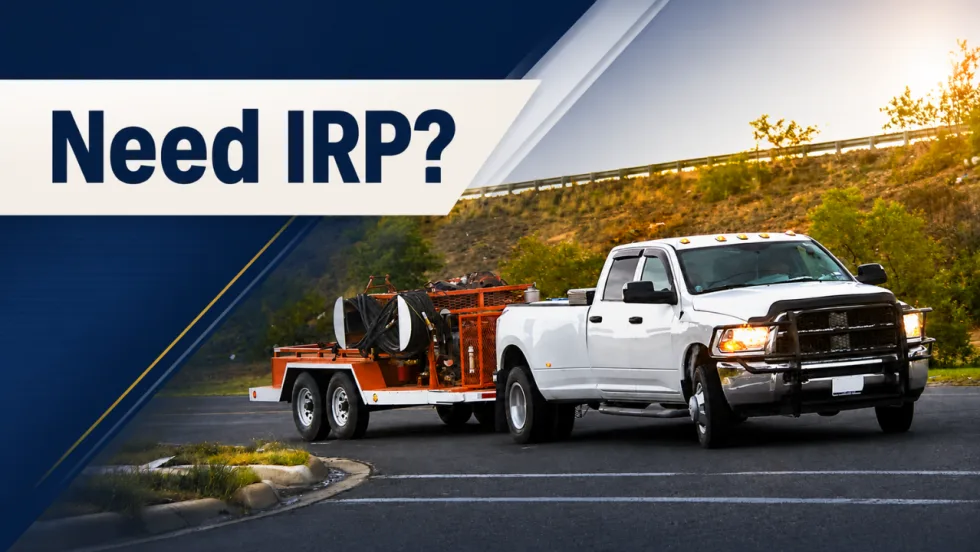
When Work Trucks Under 26,001 Pounds Need IRP Registration
Think trucks under 26,001 pounds are automatically in the clear when it comes to IRP? Not always. Learn where lighter vehicles can still run into trip permit, apportioned registration, and IFTA compliance requirements when crossing state or provincial lines.
Read More →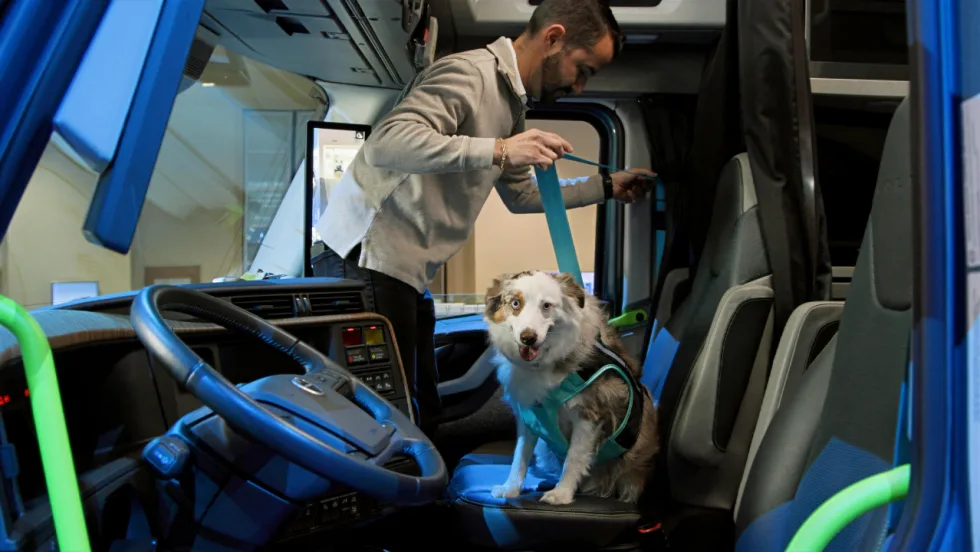
Volvo Trucks Releases New Safety Recommendations for Traveling with Pets
One of the most important recommendations for professional drivers traveling with pets is to ensure pets are properly restrained while the truck is moving. Other tips are available in the new guide from Volvo Trucks North America and Center for Pet Safety.
Read More →
API Issues Refueling Safety Guidelines
The American Petroleum Institute offers a list of safe vehicle refueling guidelines, including ways to avoid potential problems with static electricity discharges in fall, winter, and early spring.
Read More →


Winter Fleet Prep: Expert Tips to Keep Vehicles Running Smoothly
Cold weather can expose weak batteries, tires, fuel systems, and maintenance gaps fast. Use this winter fleet checklist to prepare trucks and drivers before temperatures drop.
Read More →
When a Work Truck Breaks Down, the Job Can Stop, Too
A work truck breakdown can stop more than the vehicle. Discover how payloads, jobsites, and specialty equipment change the roadside response.
Read More →
What Stronger Long-Term Fleet Service Partnerships Actually Require
Fleet service partnerships rarely fall apart all at once. Learn the three warning signs that trust is eroding and what fleets and providers can do before downtime, frustration, and lost revenue follow.
Read More →
Applause & TRUCE Software Partner to Improve Driver Safety Through AI-Powered Telematics & Employee Performance Management
Applause has integrated TRUCE driving metrics directly into its employee-first performance and safety platform that transforms mobile devices into AI-powered telematics.
Read More →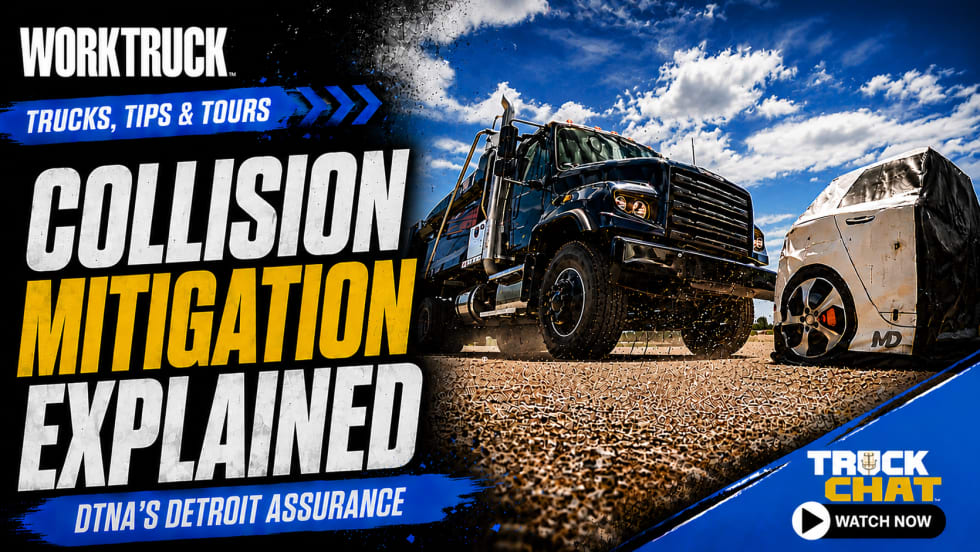
How Detroit Assurance with Active Brake Assist Works
Do you want to see what it is like to experience Detroit Assurance’s Active Brake Assist? In this video, Work Truck will put you in the cab to see how it all works and then hear more details from DTNA’s Mike Young.
Read More →
Get Left of Loss: A 5-Step Workplace Violence Prevention Framework for Fleet Operators
Violence risks do not stop at the driver’s door. Learn five practical steps fleets can take to spot threats early and protect workers before loss occurs.
Read More →
How Better Visibility Cut Speeding Violations by 48%
Fleet leaders don't need more data, they need clearer visibility into what the data is saying. This case study explores how one utility replaced speeding-event counts with a single metric — miles driven in violation — to strengthen safety and significantly reduce speeding violations.
Read More →