




Related: Tips to Reduce & Prevent Incidents
Steel Hauler Jump Starts Driver Training
The small steel-hauling fleet received a safety-related wake-up call that something needed to change. Documented driver training has made a difference.
by Ryan Siefkes
June 21, 2019
Since implementing CarriersEdge in 2016, the company has experienced a dramatic improvement in its safety score.
Photo: Dean Cartage
6 min to read
Trust isn’t something that is quickly earned, and once it’s broken, it can take quite some time to rebuild. For Steve Dean, owner of Dean Cartage Inc., that lesson is all too familiar.
Dean Cartage, based out of Stony Creek, Ontario, specializes in steel hauling. It primarily delivers steel products for ArcelorMittal Dofasco, a steel manufacturer in Hamilton, Ontario, to Taylor Steel (a steel processor), in the Stony Creek community of Hamilton. ArcelorMittal Dofasco is the Canadian division of ArcelorMittal, the world’s largest steel producer. With Dofasco and Taylor Steel located just over 6 miles from each other, drivers make up to six trips a day between the two facilities. Drivers also transport processed steel from Taylor Steel to stamping plants throughout the greater Toronto area. The company prides itself on working around the clock to meet the needs of its customers.
Since the company’s founding in 1956 by E.E. Dean (Steve’s father), Steve Dean has grown the company from two trucks to a fleet of 24. The company operates 10 company trucks – primarily day cabs – and contracts with 14 owner-operators.
A Wake-Up Call
For years, Dean instilled a high level of trust in his drivers to make the right decisions on the road. Dean Cartage consistently received excellent safety reviews. So when the Ministry of Transportation Ontario came knocking on Dean’s door to see what safety and preventative maintenance programs the company had in place, it came as a total surprise.
“Shortly after that visit, we checked our safety score, and sure enough, it had risen substantially and soon after, our insurance rates spiked 20%,” said Dean. “We knew something was seriously wrong, and we were able to identify that a few of our owner-operators were racking up traffic violations and that went against our authority. It turns out our Ontario safety score was at 54%, which blew me away. At 50%, you receive a letter from MTO that lets you know they are monitoring you. All those years of achieving great safety scores went down the drain. We knew at that point we’d have to change our approach at training our drivers.”
Dean Cartage prides itself on being a small, family-run company that develops a relationship with its drivers. It’s a big reason why the majority of Dean’s drivers have been with the company for years, and why the company doesn’t hire many new drivers. While the owner-operators who crippled Dean Cartage’s safety scores no longer work for the company, Dean had to put measures in place to protect the company.
“The audit from MTO was a wakeup call for the company,” said Dean. “It was a tough pill for us to swallow, and you never expect to have something like this happen to your company. We looked at the situation as a learning experience and an opportunity for us to improve our training practices.”

Since the company’s founding in 1956, by E.E. Dean, Steve Dean has grown the company from two trucks to a fleet of 24.
Photo: Dean Cartage
Reviewing Driver Training
In the past, Dean would use videos to train his drivers, and the company would host quarterly safety meetings to check in on drivers, but it was a hassle to bring in all of his drivers for those meetings. It was evident to Dean that the company needed to take another approach.
“When I met with the insurance company to discuss our rates, they suggested we try CarriersEdge’s training modules. They told us they’ve seen fleets improve their safety scores after using them, so after going through our options, we decided to give CarriersEdge a shot.”
Before hitting the road, all new hires and owner-operators complete a series of CarriersEdge training modules that cover topics ranging from hours of service and logbook regulations to practical cargo securement and vehicle inspection. Once those are completed, new hires take a yard test and a road test. After the driver passes those tests, they will do a run with a supervisor to simulate everything they have learned in the training program. Drivers are expected to show that they can properly load their trailer, stay safe in the yard, and show their driving skills during an actual delivery.
Once onboarded, drivers take a variety of refresher courses, which are given to drivers every quarter. Drivers also attend safety meetings, which are held twice a year. Jim Moore, lead hand for Dean Cartage, who has more than 40 years of experience in trucking, oversees the training program.
“With our new approach concerning driver training, Jim’s role with our company transitioned into overseeing driver training,” said Dean. “We can pick the training modules that best match the specific needs of our company. Drivers usually groan at the idea of more training, but our drivers like the CarriersEdge modules. They are more interactive than other training programs, and I believe our drivers can retain the information they learn better because of that.”
Making a Safety Difference
Moreover, documented training gives Dean Cartage an added sense of security. A few years ago, one of Dean Cartage’s long-tenured drivers was making a delivery when he saw a car pull out in front of him. Dean’s driver slowed and let the car safely into his lane. Hovering overhead happened to be a law enforcement aircraft, which saw Dean’s driver allegedly following too close, which is a $300 fine in Ontario. A citation like this would have cost the company three safety points, points that the company couldn’t afford to lose.
“The driver came to me and told me what happened,” said Dean. “He was adamant that he did nothing wrong, and that he simply slowed down to let a car in that jumped in front of him. Thanks to CarriersEdge, we had documented proof that our driver went through the defensive driving module recently and that he made a defensive driver maneuver to keep him and the car in front of him safe. We had the opportunity to go to court to fight it, and we were well prepared to defend our case, with proof that our drivers were taking training programs on defensive driving. The citation was eventually thrown out.”
Since implementing CarriersEdge in 2016, the company has experienced a dramatic improvement in its safety score.
“Our drivers aren’t operating safely based off trust,” said Dean. “I know they are better and safer drivers now from the information they receive from the training modules and it’s been reflected in our stellar safety score. I’m so confident in our training program that I’ve invited the MTO to come back so I can give them a first-hand look at the major improvements we’ve made since the time they came knocking on our door to audit us.
“When we renew our insurance, I surely hope our rate is reflective of our safety score. But the biggest thing is I can now rest easier knowing that my drivers are safer on the road. It’s been a long process, but we’re finally back to where we want to be.”
Subscribe to Our Newsletter
More Safety & Compliance
Fleetworthy Expands Expedited Inspection to 5 States
Following its industry-first launch in Nevada, Fleetworthy’s automated inspection technology is now live in California, Michigan, Vermont, and Maine.
Read More →
Crossing State Lines in a Light-Duty Work Truck? Check These Rules First
Crossing state lines in a lighter work truck? J.J. Keller's Kathy Close explains when IRP registration, trip permits, and towing rules come into play.
Read More →
GeoFencing Adds to Your Truck Security Arsenal
Geofencing is a familiar fleet tool today, but its early adoption marked a major shift in vehicle tracking, route monitoring, and the debate over employee privacy.
Read More →From Our Partners



Recalls You Need to Know About in October 2026
In October 2026, what recalls might impact your fleet? Work Truck has the answers in this comprehensive overview of recent NHTSA recalls.
Read More →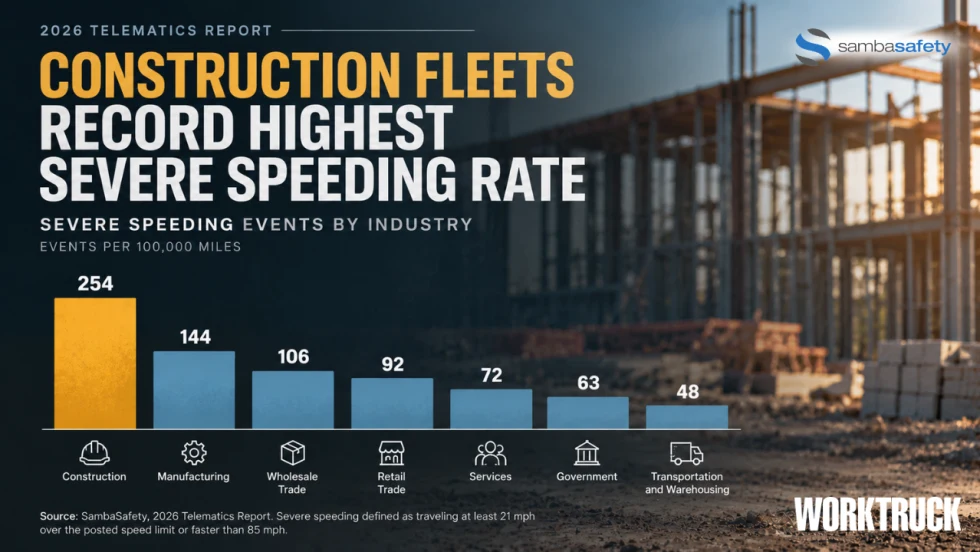
Construction Fleets Show Telematics Adoption Alone May Not Reduce Driving Risk
SambaSafety found construction fleets monitor roughly 92% of their vehicles but recorded the highest severe speeding rate among industries studied.
Read More →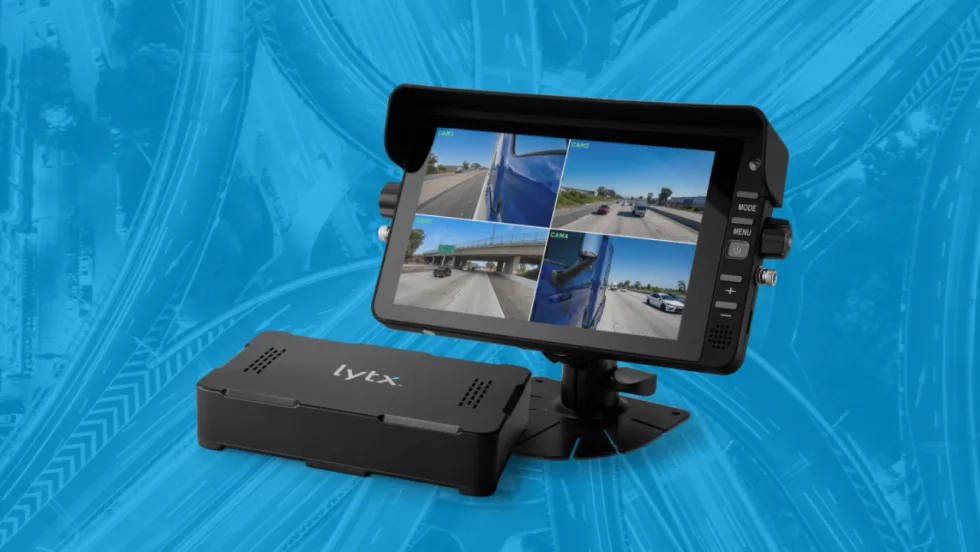
Lytx Launches 360 Hub Kit for Expanded Fleet Camera Visibility
Lytx’s new AI-ready gateway and HD auxiliary camera ecosystem, the Lytx 360 Hub Kit, extends visibility across side, rear, cargo, and blind-zone views to help fleets see more and respond faster.
Read More →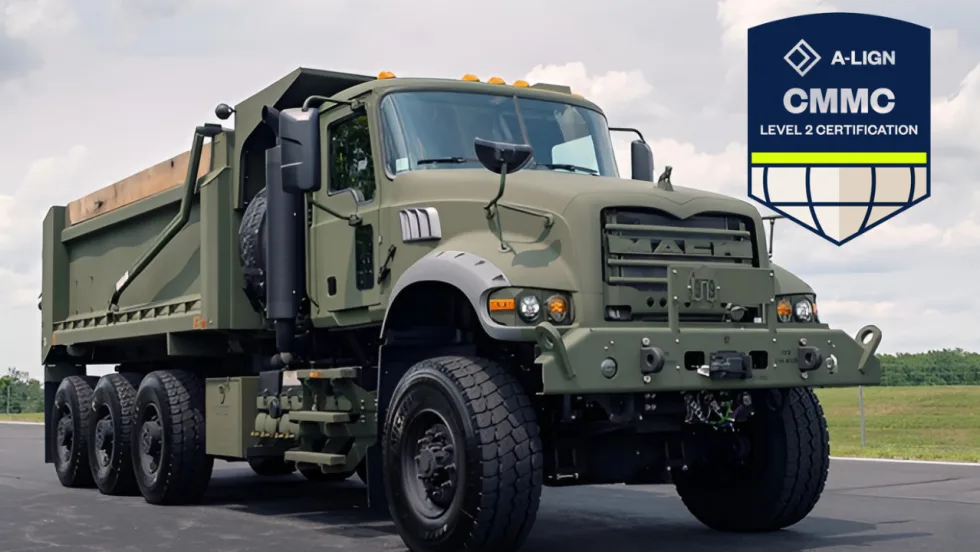
Mack Defense Achieves Cybersecurity Maturity Model Certification Level 2
After an assessment conducted by an authorized Certified Third-Party Assessment Organization (C3PAO), Mack Defense has achieved Cybersecurity Maturity Model Certification (CMMC) Level 2.
Read More →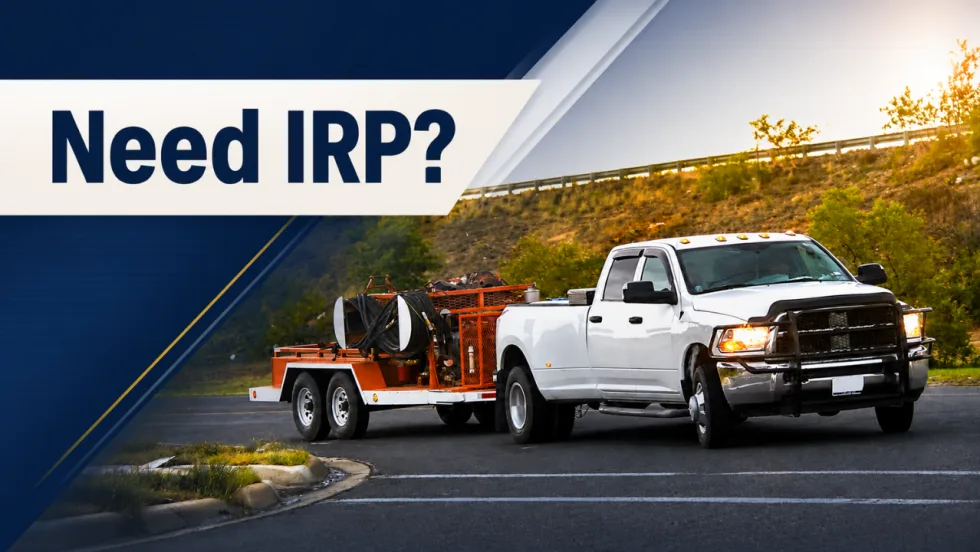
When Work Trucks Under 26,001 Pounds Need IRP Registration
Think trucks under 26,001 pounds are automatically in the clear when it comes to IRP? Not always. Learn where lighter vehicles can still run into trip permit, apportioned registration, and IFTA compliance requirements when crossing state or provincial lines.
Read More →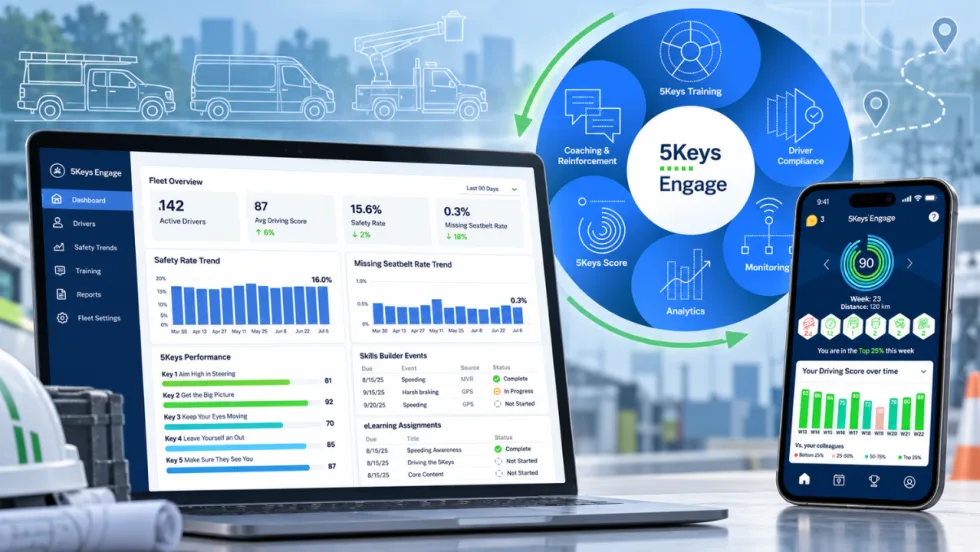
Smith System Wants Work Truck Fleets to Look Beyond the Driver Alert
Smith System’s new Driver Risk Management program is built to help mixed work truck fleets turn telematics alerts and observations into specific behaviors, coaching actions, and measurable follow-up.
Read More →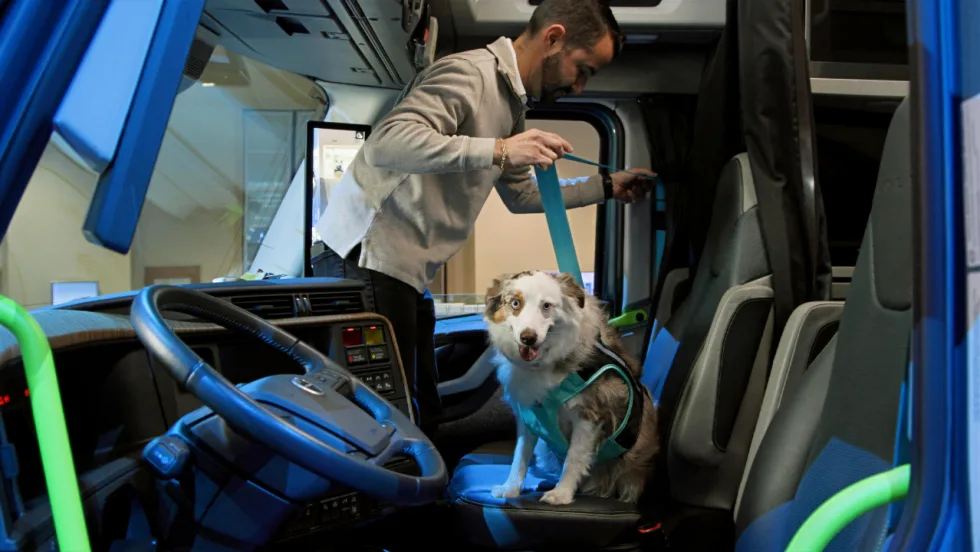
Volvo Trucks Releases New Safety Recommendations for Traveling with Pets
One of the most important recommendations for professional drivers traveling with pets is to ensure pets are properly restrained while the truck is moving. Other tips are available in the new guide from Volvo Trucks North America and Center for Pet Safety.
Read More →