





Related: How a Tough Winter Impacted Trucking
Staying Safe in the Winter with Telematics
It’s a lot easier to get stuck or stranded in the winter than some drivers may believe. Telematics and smart video solutions can help save the day.
November 11, 2019

More than 70% of the nation's roads are in snowy regions, which receive more than 5 inches average snowfall annually, according to the U.S. Federal Highway Administration.
Photo: freestocks.org from Pexels
4 min to read
It’s a lot easier to get stuck or stranded in the winter than some drivers may believe. And while stories of miraculous survival abound, such as the gentleman in the Pacific Northwest who survived a few days stuck in the snow on Taco Bell hot sauce packets, the safest option is not getting stuck in the first place. The next safest option is the ability to notify someone of your situation and location.
And while our California, Texas, and Florida residents (to name a few) may not be as impacted, more than 70% of the nation's roads are in snowy regions, which receive more than 5 inches average snowfall annually, according to the U.S. Federal Highway Administration. And, nearly 70% of the U.S. population lives in these snowy regions.
Surviving Winter Driving Conditions with Technolgy
Telematics can help reduce accidents and liability year-round, and especially during winter months.
“According to the National Highway Traffic Safety Administration, driver error causes 94% of all vehicle collisions. Along with the physical and psychological consequences accidents cause to all parties, they can also have far-reaching financial liability for businesses if company drivers are found to be the negligent party,” noted Ryan Driscoll, VP of marketing at GPS Insight.
The FHA also reports that annually, 24% of weather-related vehicle crashes occur on snowy, slushy or icy pavement and 15% happen during snowfall or sleet.
“Driving in winter weather conditions amplifies these risks, and without the proper precautions, a company’s drivers may cause a fatal accident on icy or snow-covered roads if they speed when running late, make harsh stops when distracted, or rapidly accelerate in traffic,” Driscoll added.
For fleets that operate snow plows, data is critical.
“Fleet managers can use telematics to know when the slow plow is in use, where, and for how long. Some solutions can even share how much salt is released from the spreader. This helps with accountability for drivers as well as accountability to customers and constituents in being able to verify if a road or driveway was plowed,” Driscoll said.
Another way fleets can use telematics in the winter, that may be surprising? The use of smart video. Winter driving adds several new and dangerous variables, increasing the possibility of incidents blamed on your drivers.
“Smart video solutions can show what is happening from the driver’s point of view. Leveraging smart video will enhance driver safety by capturing and analyzing every minute on the road, which eliminates viewing hours of footage. It allows the fleet to see an overall view of driver behavior, proving who’s responsible when incidents occur,” Driscoll said. “Smart video can also be used to exonerate drivers and provide protection for not at fault-related incidents and provide evidence against a false claim. It also gives you video footage to use in driver coaching to ensure you keep risk as low as possible during winter weather,” he added.
Top 3 Tips for Winter Survival with Telematics
1. Closely monitor driver speed
“Companies usually set real-time speeding alerts with some room for driver error. Leaving this room for drivers includes setting posted speed alerts that do not trigger unless the driver is traveling at least 10 mph over the posted speed limit or set high speeding thresholds in general where the alert only hits if the driver is going above 80 mph,” said Driscoll.
A best practice during winter months is to set speeding thresholds much lower and become more stringent on violating these expectations.
“For example, setting the posted speed limit violation threshold to 2 mph over the posted speed of the road to ensure drivers are staying close to the limit and taking their time getting to their next stop,” he recommended.
2. Stay alert on maintenance demands.
Telematics solutions can also monitor for various vehicle maintenance needs, such as oil life and tire pressure, in real time and notify the fleet manager when maintenance is needed.
“Batteries die faster in cold weather, especially when they sit for extended periods. By utilizing a telematics solution, fleet managers can receive alerts informing them when batteries drop below a specific voltage. Setting this alert serves as a reminder to start the vehicle or do some investigation to prevent a dead battery.
“This knowledge can save a fleet thousands of dollars in unnecessary maintenance spend, many hours of downtime, and improve the safety for drivers by reducing the number of faulty vehicles.
3. Proactively coach drivers to navigate tough road conditions.
“Speeding, rapid acceleration, harsh braking, and distracted and drowsy driving should always be avoided, and these occurrences are particularly dangerous in winter weather environments. By harnessing the power of GPS telematics, fleet managers can catch patterns of unsafe driving behavior before it results in a serious accident. Rather than rely on general training for all drivers, fleet managers can provide one-on-one evaluations that focus on each driver’s pain points using real-time alerts, reactive reports and driver scorecards,” Driscoll concluded.
Subscribe to Our Newsletter
More Safety
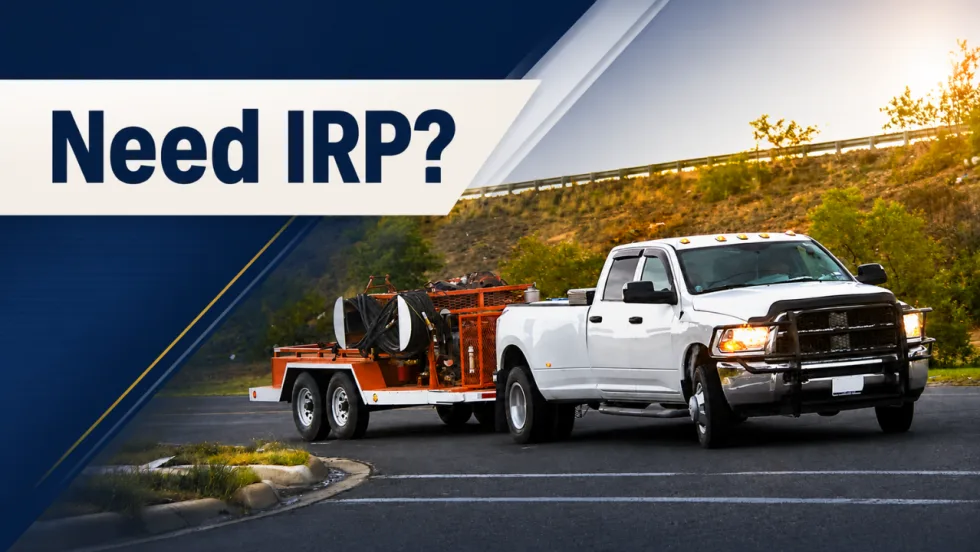
When Work Trucks Under 26,001 Pounds Need IRP Registration
Think trucks under 26,001 pounds are automatically in the clear when it comes to IRP? Not always. Learn where lighter vehicles can still run into trip permit, apportioned registration, and IFTA compliance requirements when crossing state or provincial lines.
Read More →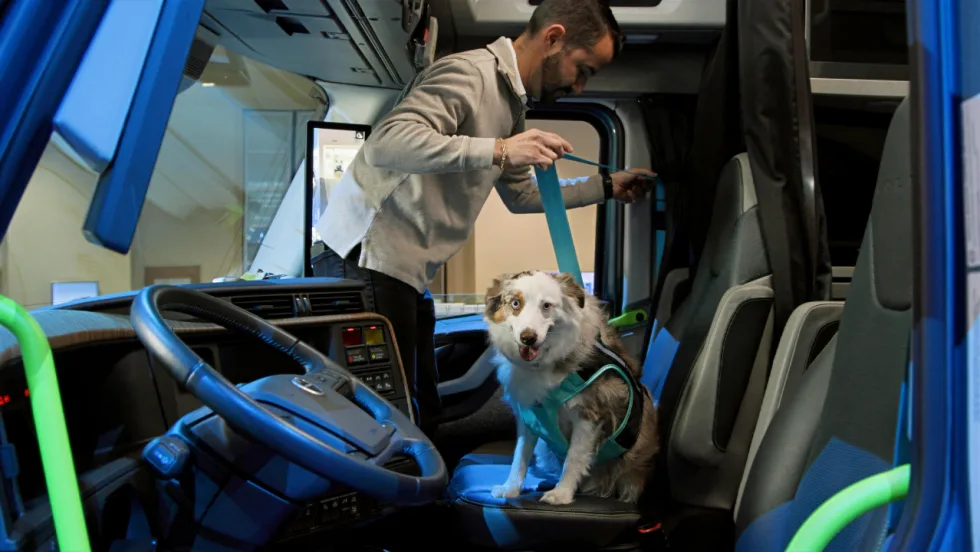
Volvo Trucks Releases New Safety Recommendations for Traveling with Pets
One of the most important recommendations for professional drivers traveling with pets is to ensure pets are properly restrained while the truck is moving. Other tips are available in the new guide from Volvo Trucks North America and Center for Pet Safety.
Read More →
API Issues Refueling Safety Guidelines
The American Petroleum Institute offers a list of safe vehicle refueling guidelines, including ways to avoid potential problems with static electricity discharges in fall, winter, and early spring.
Read More →
Winter Fleet Prep: Expert Tips to Keep Vehicles Running Smoothly
Cold weather can expose weak batteries, tires, fuel systems, and maintenance gaps fast. Use this winter fleet checklist to prepare trucks and drivers before temperatures drop.
Read More →
When a Work Truck Breaks Down, the Job Can Stop, Too
A work truck breakdown can stop more than the vehicle. Discover how payloads, jobsites, and specialty equipment change the roadside response.
Read More →
What Stronger Long-Term Fleet Service Partnerships Actually Require
Fleet service partnerships rarely fall apart all at once. Learn the three warning signs that trust is eroding and what fleets and providers can do before downtime, frustration, and lost revenue follow.
Read More →
Applause & TRUCE Software Partner to Improve Driver Safety Through AI-Powered Telematics & Employee Performance Management
Applause has integrated TRUCE driving metrics directly into its employee-first performance and safety platform that transforms mobile devices into AI-powered telematics.
Read More →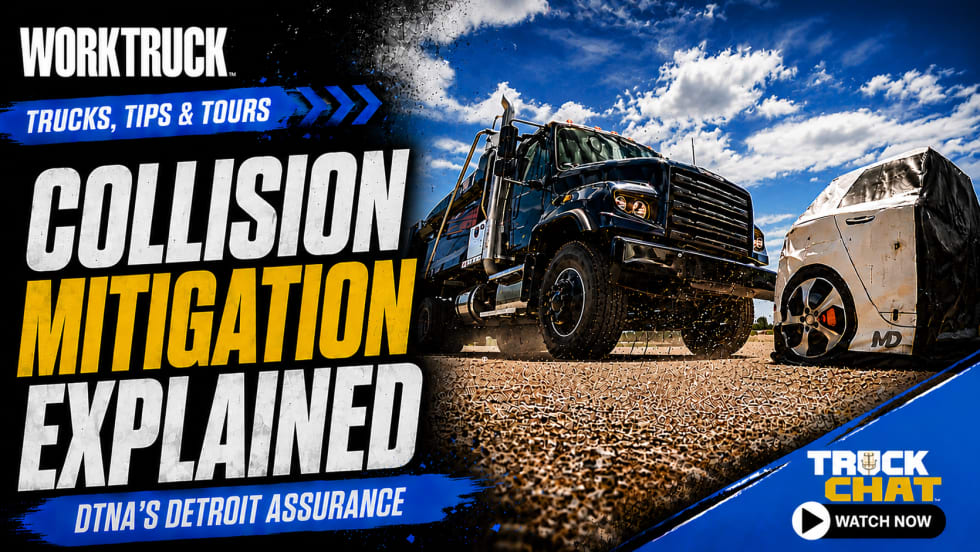
How Detroit Assurance with Active Brake Assist Works
Do you want to see what it is like to experience Detroit Assurance’s Active Brake Assist? In this video, Work Truck will put you in the cab to see how it all works and then hear more details from DTNA’s Mike Young.
Read More →
Get Left of Loss: A 5-Step Workplace Violence Prevention Framework for Fleet Operators
Violence risks do not stop at the driver’s door. Learn five practical steps fleets can take to spot threats early and protect workers before loss occurs.
Read More →
Sponsored•July 17, 2026
How Better Visibility Cut Speeding Violations by 48%
Fleet leaders don't need more data, they need clearer visibility into what the data is saying. This case study explores how one utility replaced speeding-event counts with a single metric — miles driven in violation — to strengthen safety and significantly reduce speeding violations.
Read More →