


GreenPower Electric Van Walkaround
Top Advances in Work Truck Fleet Technology Today
GreenPower Delivers 10 All-Electric Cab and Chassis to WeShip
 MENU
MENU SEARCH
The decision to go green requires fleets to first establish the means and objectives to be attained. Challenges include financial considerations, government mandates, and infrastructure concerns, which must be planned for in advance.
There are many different ways to reduce a fleet’s environmental impact and the reasons for doing so are numerous.
Today, an increasing number of fleets plan to go green. But, what really constitutes as “green?” Some fleet managers believe that, in order to be green, the fleet must operate hybrids, pure electrics, or use a clean alternative fuel. All of these alternatives are environmentally friendly; however, in reality, any initiative that significantly reduces a fleet’s environmental impact is considered green.
For example, a conventional fleet that reduces fuel consumption by 35% through better specifications and improved utilization is potentially just as green as a fleet that converted to hybrids or an alternative fuel.
There are many different ways to reduce a fleet’s environmental impact and the reasons for doing so are numerous.
But, if a fleet is considering adopting a green program, it’s important to first accurately define why it is considering such a big leap. Once that's determined, fleet leadership must establish a broad performance objective. This will help determine the steps fleet will take to become green and establish a means to measure the program’s success.
While there may be multiple objectives, they will likely fall into one or more of the following general categories:
Enhance the company’s public image.
Minimize fuel costs.
Lower overall operating costs.
Minimize CO2 emissions.
Eliminate use of conventional, hydrocarbon fuels.
Utilize a fuel that will be readily available in the fleet’s area of operation.
Fulfill government mandates.
One of the first issues that may be encountered during the process of greening a fleet involves government mandates. The government may have requirements as to how the greening process is going to proceed.
There are numerous alternatives when it comes to greening a fleet, including changing fleet operatations, increasing vehicle efficiency, adopting electric or hybrid vehicles, using drop-in liquid alternative fuels or switching to gaseous alternative fuels, or exotics (e.g., hydrogen or dimethyl ether aka DME).
Often, the alternatives can be combined. For example, a fleet can convert to an alternative fuel and make management changes to improve fleet utilization. The real question is: Which alternative should be used?
To find the best solution, a fleet manager should start by defining drive and duty cycles. The fleet may also be constrained by regulations, availability, alternative fuel pricing, funding, and operating considerations. This last issue is very important for utility fleets that may have to respond to emergency situations (e.g., storms or floods) outside of normal operating areas.
The terms “drive cycle” and “duty cycle” are often used interchangeably, but they actually measure two different aspects of vehicle utilization. A drive cycle defines how a vehicle is used, while a duty cycle defines how much it is being used.
A drive cycle typically measures factors such as vehicle speed, starts and stops over a given time period, idle time (incidental and extended), and engine off time. It may also incorporate data on power export (PTO operation, etc.). This information is normally graphed showing vehicle speed over time. The chart below defines an urban dynamometer test drive cycle but is typical of how a drive cycle graph will look.
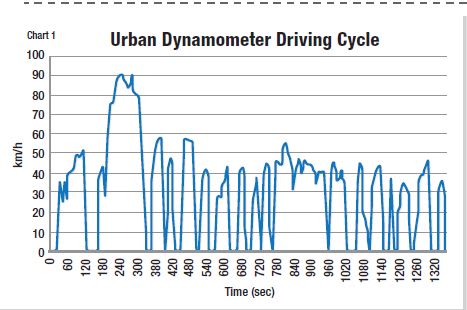
A drive cycle typically measures factors such as vehicle speed, starts and stops over a given time period, idle time (incidental and extended), and engine off time.
SOURCE: NTEA
Duty cycles measure how much a vehicle is used. The primary factors tracked include frequency and length of use, utilization cycles per measurement period, distance driven per measurement cycle, on-road versus off-road use, load profile, and total vehicle lifecycle. There are numerous ways to track a drive cycle, such as the use of a data logger, downloading information from the CANbus, or by utilizing a telematics system.
Duty cycle data typically comes from a combination of data logging and historical data, but experience shows that perceived duty cycles and actual duty cycles are not always the same, so it is important to ensure accurate usage data.
Once the drive and duty cycles for a specific application have been defined, it becomes much easier to pick the right alternatives. Just remember that drive and duty cycles frequently vary by vehicle type, operating environment, specific application, and even the time of year.
Other factors — such as overall objectives, mandates, financial considerations, and application constraints — may also impact the final selection.
Ultimately, there is no single right answer — a fleet manager must make an educated decision for each situation. The selections must be consistent with operational requirements such as range requirements, availability of alternative fuels, charging cycles and usable range for electric vehicles and plug-in hybrid-electric vehicles (PHEVs), payload factors, vehicle tare weight, usable cargo space, and vehicle utilization flexibility.
Organizations such as the Green Truck Association and green technology conferences such as the annual Green Truck Summit, which is produced by the NTEA and CALSTART, are excellent resources to help with the selection of viable green alternatives.
Even if a vehicle drive cycle is a perfect match for a specific green alternative, the associated duty cycle and investment constraints may preclude its use.
For example, with its drive cycle (low mileage and speeds, frequent stops, and high idle times), an inner-city truck appears to be the perfect application for a hybrid or electric vehicle. However, both options typically represent a high initial investment, so there are financial considerations.
In addition, an analysis of the application’s duty cycle may show the vehicle will never drive enough miles during its life to pay back the investment. Conversely, the high idle time indicated by the drive cycle analysis may make an excellent case for the installation of a lower cost idle management system. In a related scenario, if a vehicle is utilized for two shifts a day, the use of an electric vehicle may be contradicted by the amount of dwell time needed to recharge the batteries between shifts.
When evaluating alternatives, don’t overlook the benefits of making relatively simple changes to fleet vehicles. In many cases, efficiency increases of 30% or more are attainable through the use of technologies such as: driver behavior modification, optimized powertrains, electrification of accessory loads and power export (electric PTOs), aerodynamics, weight reduction, reduced rolling resistance, idle management, and telematics.
Be careful not to overlook hidden infrastructure costs when evaluating advanced green alternatives. In almost all cases, it will be necessary to factor in costs for new shop equipment and technician training. In addition, specific alternatives have their own associated costs. Examples when dealing with gaseous fuels include, but are not limited to: modification of shops and parking facilities to meet fire codes; heating and ventilation modifications; lighting and other wiring modifications; upgrades to electrical systems for operation of a compressor station; type and size of compressor station needed; and potential for incurring demand billing for electrical service.
Likewise, when considering electric vehicles, don’t overlook:
Upgrades to electrical systems (charging requirements).
Required charge level (1, 2, or 3).
Demand billing considerations.
Regardless of why a fleet elects to go green, there should be some means to measure success. In the end, if original goals have been met, the fleet is financially viable, and operations have not been negatively impacted, it may be fairly safe to say the program is a success. However, don’t forget, more can always be done.

New one-day registration gives fleet professionals the flexibility to attend Tuesday, Wednesday, or Thursday, with passes available for $199 through Sept. 18.
Read More →
CALSTART has rebranded as Catalyst Mobility and will combine with Forth at the start of 2027. The new organization said it is poised to become one of the world's largest, strongest, and most impactful clean transportation nonprofits.
Read More →
Together, the Port Authority of New York and New Jersey and CALSTART will electrify drayage and terminal operations serving the East Coast’s busiest container port. A pair of incentive programs totaling $45 million has launched to accelerate adoption of zero-emission drayage trucks and terminal tractors.
Read More →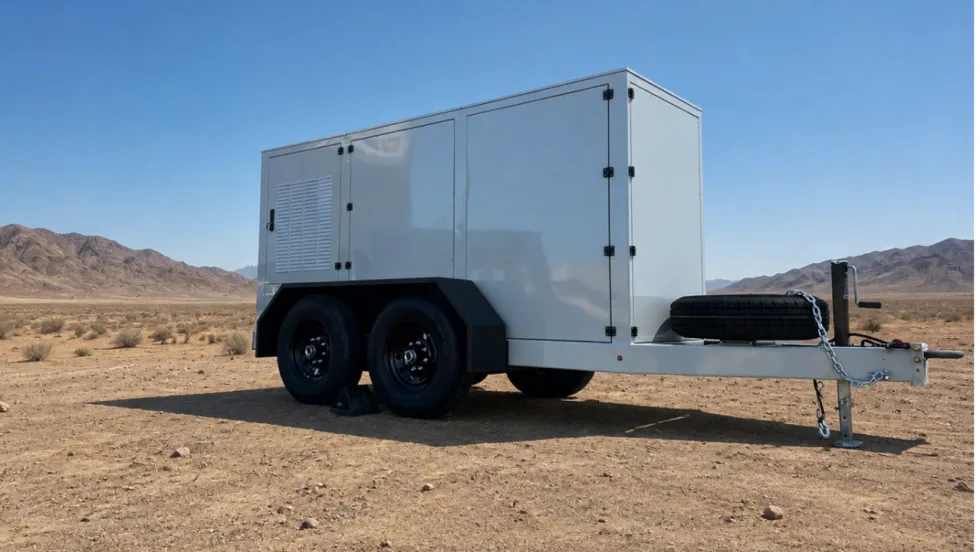
A single Xos Hub has surpassed one gigawatt-hour of energy across more than 33,600 charging sessions in the field, demonstrating performance that supports Xos' expansion across new products and markets.
Read More →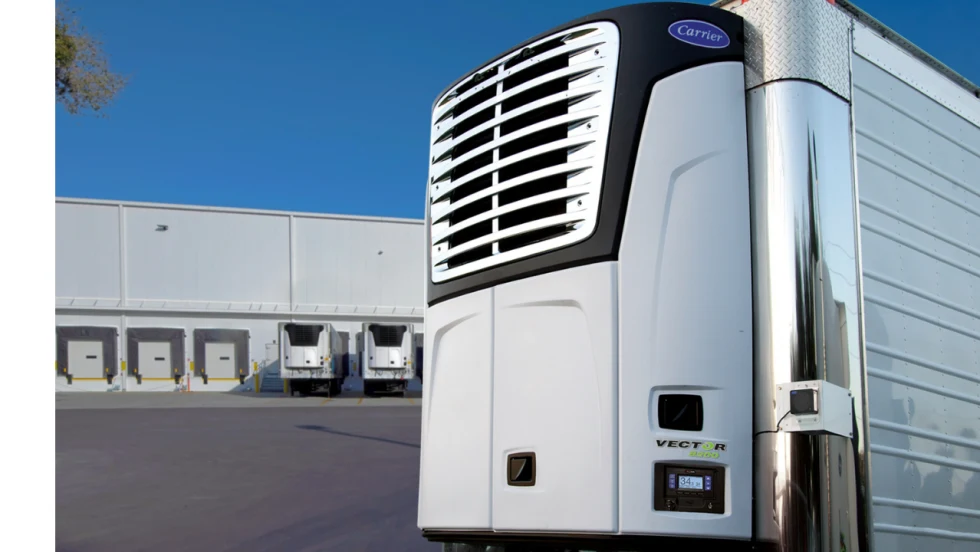
Carrier Transicold’s first engineless multi-temperature TRU helps fresh- and frozen-food fleets add supplemental cold storage capacity during seasonal peaks.
Read More →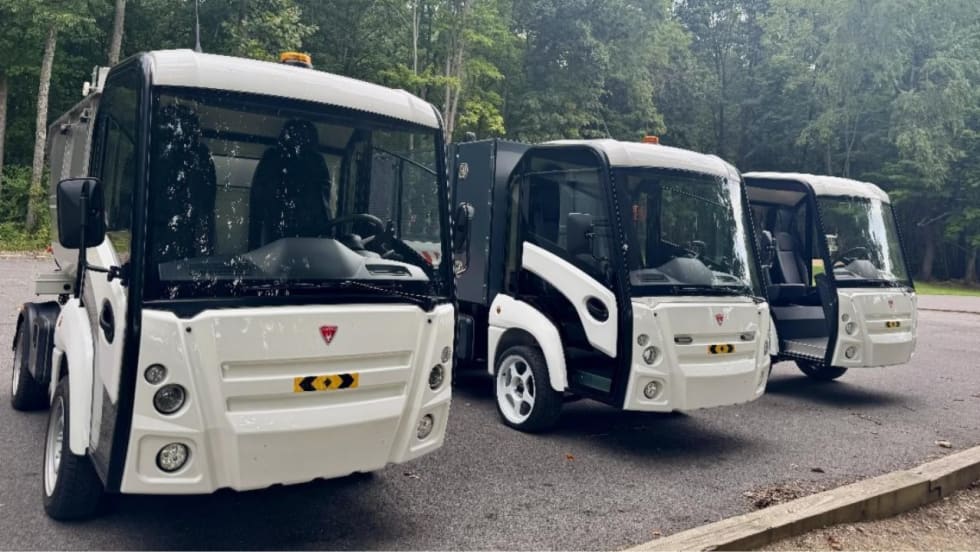
Narro Trucks officially launched its operations on Aug. 20 and hosted a ride and drive to showcase its electric truck, which will be produced in Virginia.
Read More →
Samsung SDI is taking full control of its Indiana battery plant with GM, marking a major shift from the EV-focused joint venture Charged Fleet first covered in 2023.
Read More →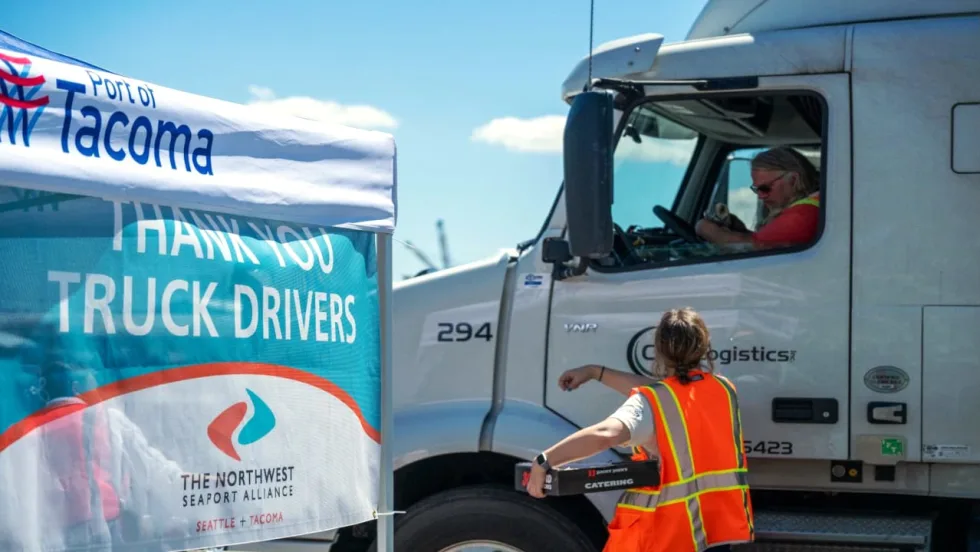
CALSTART will provide free technical assistance services to drayage fleets serving the Ports of Seattle and Tacoma and looking to transition to cleaner technologies and help decarbonize freight hubs.
Read More →
Electric work truck upfits bring new compatibility questions. Learn how parts availability, OEM guidance, power demands, and route planning can affect fleet performance.
Read More →
Peterbilt Motors Company’s cooperative purchasing agreement with Sourcewell and its Canadian partner, Canoe Procurement Group, now includes including Peterbilt's battery-electric vehicle lineup.
Read More →