





Related: Optimize Routes & Digitize Maps for Enhanced Driver Safety
Optimizing Routing During COVID-19
Four stories are shared about how fleets are succeeding during the pandemic.
August 4, 2020

COVID-19 forced many businesses to close their doors to the public, leaving them to shift their business models to delivery virtually overnight.
Photo: Gettyimages.com/matejmo
5 min to read
As COVID-19 has dramatically changed the way we live and work, essential personnel like healthcare workers have rightfully been celebrated for their heroic efforts to support the pandemic response. What people may not be as conscious of, though, is how technology has been doing its part behind the scenes to help, too.
As businesses shifted their strategies, schools employed remote learning, and everyone was doing their best to stay safe; route optimization is one such technology that has stepped in for the assist. Four providers shared stories of how their route optimization platforms kept businesses and on-profits running amidst all of the chaos.
Keeping the Doors Open with Improved Productivity
COVID-19 has forced many businesses to shutter their doors, while others are struggling to hang on. Steve Milroy, President, OnTerra Systems, developers of RouteSavvy, said route optimization could help businesses shoe-horn extra deliveries or service calls into their schedules, which can generate additional (and much-needed) revenue.
“As businesses hit hard by the COVID-19 pandemic have shifted their business model to home deliveries to survive, they ALL should be using affordable route optimization to save every dollar possible during these hard economic times,” Milroy said. “The money that route optimization can save could mean the difference between keeping the doors open or shutting the business down.”
On top of increasing productivity that results in profitability, Milroy said route optimization eliminates printed paper routes, thereby reducing potentially hazardous contact.
Pivoting to Deliver
COVID-19 forced many businesses to close their doors to the public, leaving them to shift their business models to delivery virtually overnight. As companies figured out how to disperse their products to customers rather than serving them in-store, many looked to route optimization to help.
“We had an influx of interest in our route optimization software from businesses that were forced to shutter storefronts and pivot to offer delivery overnight,” said Marc Kuo, Founder and CEO of Routific. “We’ve been working with a plethora of businesses ranging from farms to grocery stores to breweries to restaurants.”
To help get these businesses up and running, Routific offered free resources and training, including one-on-one demos, free webinars, and a free eBook that teaches businesses how to launch and scale a delivery business profitably. Kuo also provided Routific for free to all non-profits delivering essential goods like food, medicine, and masks to vulnerable populations stuck at home.
Route optimization has been able to support these businesses’ changing business models.
For instance, when the COVID-19 pandemic began, a Toronto-based charity dedicated to alleviating food insecurity had to suspend regular meal programs. Instead, the non-profit shifted its focus to support low-income households with children who normally rely on schools for their meals during the year. The non-profit was able to scale very quickly with the help of Routific, delivering grocery care packages to more than 7,000 homes across the city of Toronto, all with a volunteer fleet of 55 drivers.
Supporting At-Home Education
Businesses aren’t the only ones impacted by COVID-19. As everyone is well aware, COVID-19 had a major impact on education. With shelter-in-place orders forcing schools to close and institute at-home learning, Campbell Union High School District had to find a way for students to continue their education online.
The school had about 400 Chromebook laptops slated for recycling but putting them in the hands of students who needed technology to enable remote learning gave them a new purpose. The question was how to get them there.
Initially, the district used its vans to distribute Chromebooks and WiFi hotspots to campuses throughout the district where students could pick them up. The problem was, some students didn’t have transportation to get there. They needed to deliver the technology directly to students’ homes.
“Campbell Union High School District was able to adapt operations in light of COVID-19 and leveraged Samsara to find the most efficient routes while delivering Chromebooks and WiFi hotspots to students who needed these resources to learn from home,” said Sean McGee, director of Product Management, Samsara.
Without Samsara, the district would have had to manually enter individual students’ addresses into MapQuest and draw out the routes by hand. With Samsara, the team uploaded students’ home addresses and found the most efficient routes.
In the first eight weeks of the shelter-in-place order, the district was able to deliver and distribute more than 650 Chromebooks and 250 WiFi hotspots, which helped keep students from falling behind.
Keeping Drivers Safe
Route optimization has also done its part to keep drivers safe. Using the software to manage driver assignments has allowed businesses to allocate high-risk drivers with underlying health issues to lower-risk deliveries.
“This enables businesses to meet increasing demand brought on by the pandemic while exercising a duty of care for their driver workforce,” Jim Endres, Paragon Sales Manager at Aptean.
Endres said Aptean’s Paragon Routing and Scheduling software offers fleets the ability to model hypothetical strategies, like changes to delivery frequency, volumes, and even distribution points, before committing to them. This lets fleets run what-if scenarios, helping them be better prepared for and responsive to change. “The COVID-19 pandemic has highlighted the need for distribution businesses to scale up or down rapidly and to be able to pivot quickly to new products, customer locations, and protocols, to name a few,” Endres said. “The businesses that have already played forward a wide range of outcomes are in great shape to go with market changes instead of being left behind.”
Subscribe to Our Newsletter
More Technology & AI
Fleet Downtime, Truck Theft, and Electric Growth Lead This Month
Where is your fleet losing time? This Truck Chat recap connects repair delays, theft risks, storm planning, and lessons from scaling electric trucks.
Read More →
HCSS Partners with Verizon Connect to Deliver Fleet Intelligence for Construction Fleets
HCSS has integrated with Verizon Connect to provide near real-time fleet insights so contractors can spend less time tracking assets and more time keeping projects on schedule.
Read More →
How Fleets Can Use Technology to Fight Fuel Fraud
Fuel fraud and theft remain significant challenges for commercial fleets, whether the problem involves third-party fraud or driver misuse. In this video, David Abraham of WEX explains how SecureFuel uses vehicle geolocation, telematics, transaction information, and AI to help fleet managers identify suspicious fuel purchases and make more informed decisions.
Read More →From Our Partners
Basic Tracking vs Next Generation Fleet Technology
Sponsored by AT&T Business

5 Facts Every Fleet Manager Should Know About Embedded Telematics
Sponsored by Stellantis/Mobilisights

How AI Video Telematics Boosts Driver Safety and Helps to Avoid Unnecessary Costs
Sponsored by Verizon Connect

Charting the 8 Bottom-Line Benefits of Workforce Optimization
Sponsored by Verizon Connect

Can AI Agents Help Small Work Truck Fleets Do More With Less?
Motive's new AI Agents automate fleet safety, maintenance, compliance, and dispatch tasks. Here's how they work for smaller fleets, what managers control, and what early users are seeing.
Read More →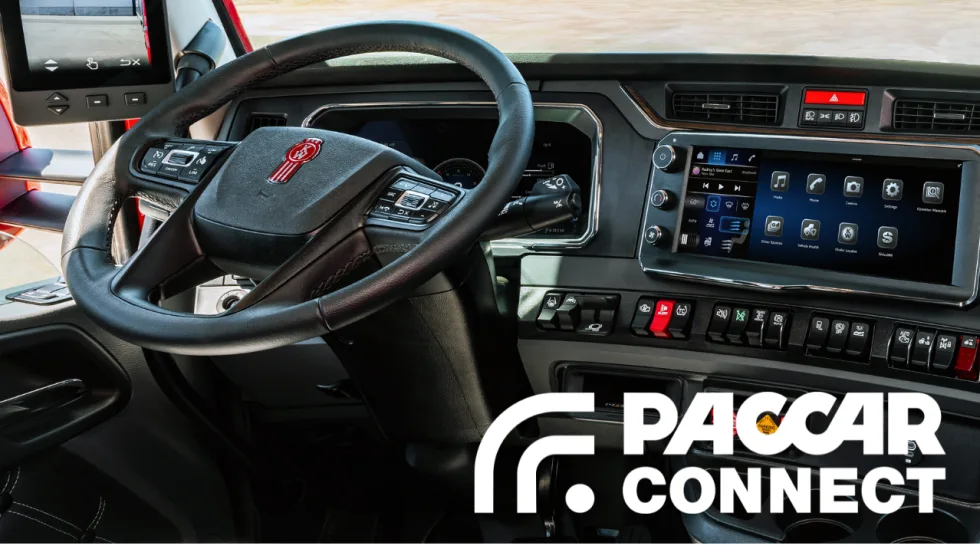
Paccar Launches Paccar Connect for Peterbilt and Kenworth Trucks
The new Paccar Connect offers touchscreen displays, telematics capabilities, and an expanding app ecosystem to boost productivity and streamline driver workflows.
Read More →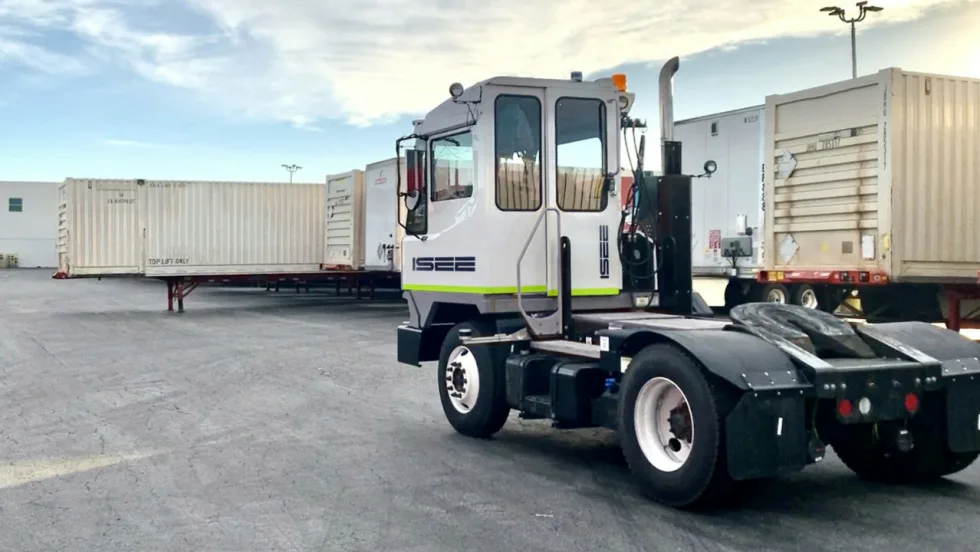
Holman and ISEE Partner to Expand Autonomous Yard Truck Operations
The partnership combines Holman's fleet management and upfitting capabilities with ISEE's autonomous driving technology to help businesses deploy and manage driverless yard trucks.
Read More →
Who You Gonna Call? Rivian Turns Electric Vehicles Into Ghostbusters Rides
Rivian teams up with Sony Pictures for a Ghostbusters-inspired Halloween software update, complete with custom sounds, lighting effects, and a special Ecto-R1.
Read More →
The Second Trip and What Missing Tools Really Cost a Service Business
For service fleets, missing tools and equipment can lead to second trips, lost technician time, higher operating costs, and delayed jobs. Equipment tracking can help HVAC, plumbing, electrical, landscaping, and other service businesses improve visibility and reduce downtime.
Read More →
GeoFencing Adds to Your Truck Security Arsenal
Geofencing is a familiar fleet tool today, but its early adoption marked a major shift in vehicle tracking, route monitoring, and the debate over employee privacy.
Read More →
Geotab Data Shows Regional Trucking Growing Faster as Last Mile Routes Get Denser
Geotab's first U.S. supply chain report finds stable long-haul activity, stronger regional freight movement, tighter hub-and-spoke utilization, and more last-mile trips on shorter routes.
Read More →