




The Power of Predictive Analytics: Turning Data into Decisions
Maximizing Fleet Efficiency: Best Practices for Strict Preventive Maintenance
Keeping a safe and functional vehicle fleet on the road is a tall task for any company. Here are preventive maintenance best practices for work trucks to facilitate efficient operations.
by Bob Adamsky, AWP Safety
August 21, 2023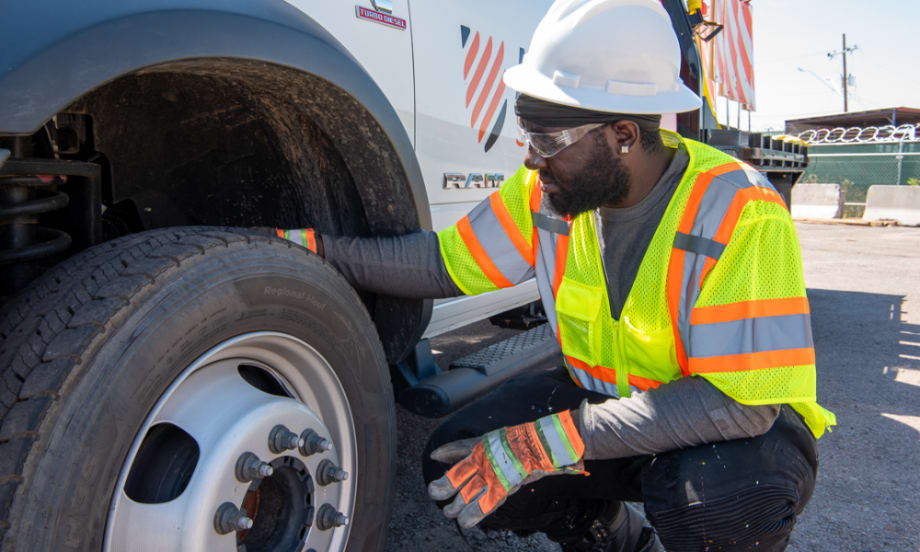
Be sure to choose a provider that specializes in FHWA inspections, diesel and gas engine diagnostics, suspension and steering, and transmission/driveline maintenance specific to work trucks and trailers.
Photo: AWP Safety
5 min to read
In today's fast-paced business environment, keeping a safe and functional vehicle fleet on the road is a tall task for any company. What often gets overlooked is that adhering to strict preventive maintenance (PM) schedules makes it much easier to minimize your vehicle’s out-of-service rates and costs.
Over the past 12 months, a thoughtful approach to preventive maintenance has helped cut out-of-service rates in half for AWP Safety’s own fleet of thousands of traffic safety vehicles. Supported by driver training and fleet management technology solutions, the service process for employees is further streamlined through establishing national contracts with a variety of partners across the country, helping to ensure maintenance is timely, thorough and conducted by technicians trusted to perform the work.
In this article, we touch on PM best practices for work trucks and how national contracts help to facilitate efficient operations.
Steps to Avoid Emergency Repairs
Strict preventive maintenance is the cornerstone of maintaining work truck fleets.
By implementing best practices such as developing a comprehensive plan utilizing fleet management software, training and empowering drivers, leveraging the latest technologies, and establishing full-service partnerships with qualified mechanics, fleet managers can optimize vehicle performance, extend longevity and enhance safety.
Embracing a preventive approach fosters predictable maintenance cycles and makes work trucks more likely to be consistently reliable when needed.
No. 1 — Developing a comprehensive PM plan
This plan should include recommended service intervals, routine inspections and a list of components to monitor. Consult with vehicle manufacturers and mechanics to tailor the plan to your fleet's requirements. The right fleet management software also makes tracking schedules easier, generating automated reminders and providing instant data on vehicle health, streamlining operations and creating a robust repair log.
Regardless of the software platform you choose, the important thing is that maintaining detailed records such as inspections, component replacements and costs enables precision tracking of fleet performance, early identification of worrisome trends, and the data to make informed decisions.
No. 2 — Training and empowering drivers
Drivers play a crucial role in fleet maintenance and should be mindful to report any unusual sounds, vibrations, or warning lights. Drivers should also receive comprehensive training on basic vehicle inspections, reporting procedures, and maintenance tasks to play an active role in preventative care.
This includes a Driver Vehicle Inspection Report (DVIR) to be completed daily for any commercial vehicle in operation. Federal Law 49 CFR 396.11 and 396.13 and enforced by the United States Department of Transportation and Federal Motor Carrier Safety Administration specified that the DVIR aims to reduce the number of crashes, injuries and fatalities related to poor vehicle maintenance.
No. 3 — Leveraging the latest technologies
Technology is also helping fleet managers better control their vehicles and manage maintenance requirements by preventing unexpected repairs. AWP Safety has specifically improved fleet performance using Derive VQ efficiency technology that seamlessly reduces vehicle idle rate without impacting ventilation or heating performance.
The technology can also govern speed and adjust automatic transmission parameters to minimize fuel usage along a driver’s route. The result is a fleet that consistently operates within the manufacturer’s parameters, that consumes less fuel and is less likely to experience premature wear and tear.
No. 4 — Establishing partnerships with qualified mechanics
Collaborating with reputable repair shops or certified mechanics who specialize in work truck fleets is equally critical to proper preventive care. At AWP, our constant mission is protecting the motoring public with a special focus on keeping our drivers and their vehicles safe on the road.
And while quick-service maintenance such as oil changes, tire repairs and basic inspections has its time and place, the reality is that express services tend to fall short when it comes to ensuring the long-term reliability of work trucks. Full-service maintenance, on the other hand, offers a comprehensive approach addressing not only routine tasks but also a complete, scheduled examination of crucial systems and components.
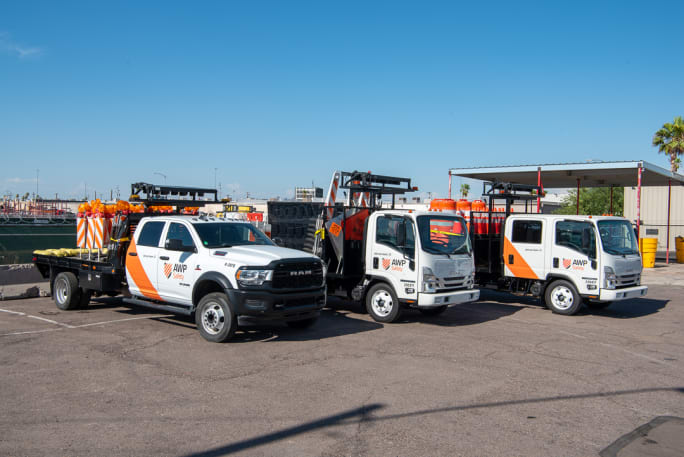
Scheduling professional preventive work truck maintenance helps to avoid emergency repairs.
Photo: AWP Safety
Seeking Full-Service PM Providers
To ensure all work truck maintenance visits are conducted meticulously, businesses should consider establishing national contracts with a variety of trusted partners across the country. This approach offers the advantage of consistent quality and oversight as full-service contracts generally provide a standardized set of maintenance protocols and expectations across locations.
These contracts often require technicians to undergo standardized training and adhere to specific guidelines for individual fleets, ensuring a higher level of professionalism and expertise than is typically provided by quick-lube services.
Full-service contracts also facilitate streamlined, proactive scheduling of maintenance opposed to waiting for issues to arise and best position companies to negotiate favorable pricing terms due to the volume of work promised. In fact, savings can be significant compared to the variable pricing structures typically encountered at quick-lube destinations, potentially saving large fleets hundreds of thousands of dollars or more annually.
Setting Service Benchmarks for Fleets
Regular service intervals provide an opportunity to inspect work trucks for signs of wear, damage and potential issues. Skilled technicians can identify minor problems before they escalate into major repairs. This is why AWP adheres to a strict 5,000-mile OR 200-engine-hour OR six-month service schedule — whichever comes first — for all traffic safety vehicles.
Frequent service is crucial for spotting issues such as leaks, worn-out belts and loose connections early, and ensuring that essential components such as filters, fluids, and lubricants are clean and functioning optimally.
This also lets fleet managers plan by knowing, for instance, that a vehicle that travels 15,000 miles annually will need to be serviced at least three times throughout the year, meaning visits can be strategically scheduled with minimal disruption to operations.
As another rule of thumb, AWP aims to perform 80% of vehicle maintenance according to the manufacturer’s recommended intervals. In other words, no more than 20% of service and repairs should be unscheduled over the life of a vehicle. Adhering to manufacturer guidelines is essential for preventing potential disputes over warranty claims and helps ensure that the vehicle operates safely and dependably within its intended parameters.
Take Time to Prevent Repairs
Developing a comprehensive PM plan is vital for work truck fleets aiming to maximize efficiency, minimize downtime and reduce operational costs. By establishing a comprehensive schedule, conducting routine inspections, documenting maintenance data, training drivers, utilizing technology, and partnering with trusted full-service providers, work truck fleets can operate smoothly and contribute to the success of their respective industries.
To ensure fleet longevity, it is advisable to establish a partnership with a specialized full-service maintenance provider who understands the specific needs of these heavy-duty vehicles. Investing in quality maintenance practices ultimately pays dividends in improved vehicle uptime and increased customer satisfaction when jobs stay on schedule.
Subscribe to Our Newsletter
More Maintenance
Les Schwab Expands Commercial Tire Footprint Into Arizona
Les Schwab Tires has expanded into Arizona with two commercial tire locations in Phoenix and Tucson, strengthening its fleet service footprint in the Southwest.
Read More →
Volvo Trucks’ 'Lock and Leave' Software Updates Go Live Across North America
Unattended over-the-air software updates are now available in Volvo trucks across the U.S. and Canada. The new capability lets trucks stay current with the latest software without interrupting operations or requiring a dealership visit.
Read More →
Why Technician Appreciation Can’t Be a Once-a-Year Thought
For fleets trying to keep skilled technicians, recognition cannot begin and end with Technician Appreciation Week. Learn what year-round appreciation really looks like and why the everyday technician experience matters just as much as pay when fleets are trying to keep good people.
Read More →
How Faster Driver Reporting Can Keep Small Truck Problems Small
When minor damage, warning lights, or equipment issues are reported late, small problems can quickly become bigger maintenance headaches. Conversational AI can help shorten the path from what a driver notices in the field to the person who can act on it.
Read More →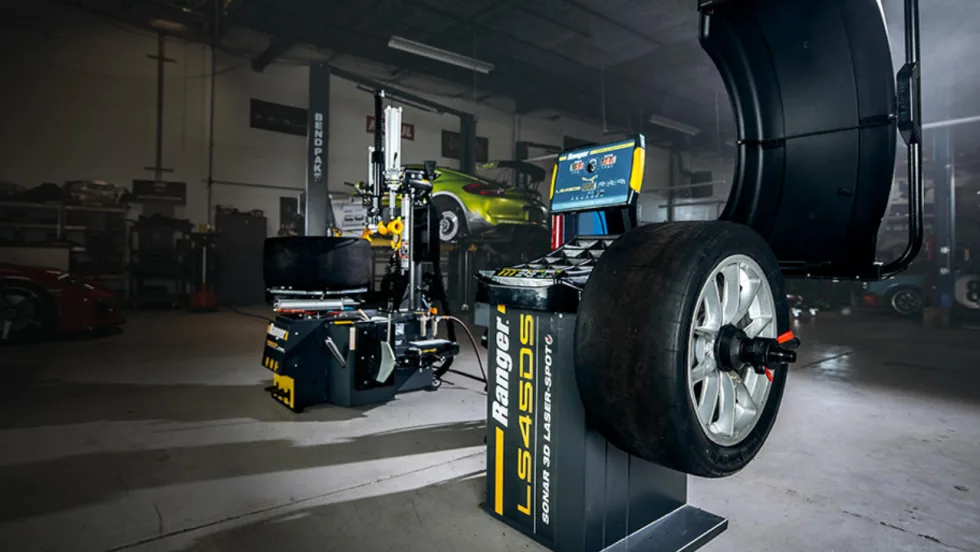
BendPak’s Ranger Wheel Service Equipment Achieves North American Safety Certification
BendPak’s full line of Ranger tire changers and wheel balancers has been ETL certified to UL and CSA standards to improve operator safety.
Read More →
Isuzu & U.S. Department of Labor Celebrate Milestone for Veterans Apprenticeship Program
The Isuzu Veterans Apprenticeship Program (IVAP) signing ceremony highlighted Isuzu’s long-term commitment to veterans, Isuzu dealers, and the skilled workforce supporting its customers and the commercial transportation industry.
Read More →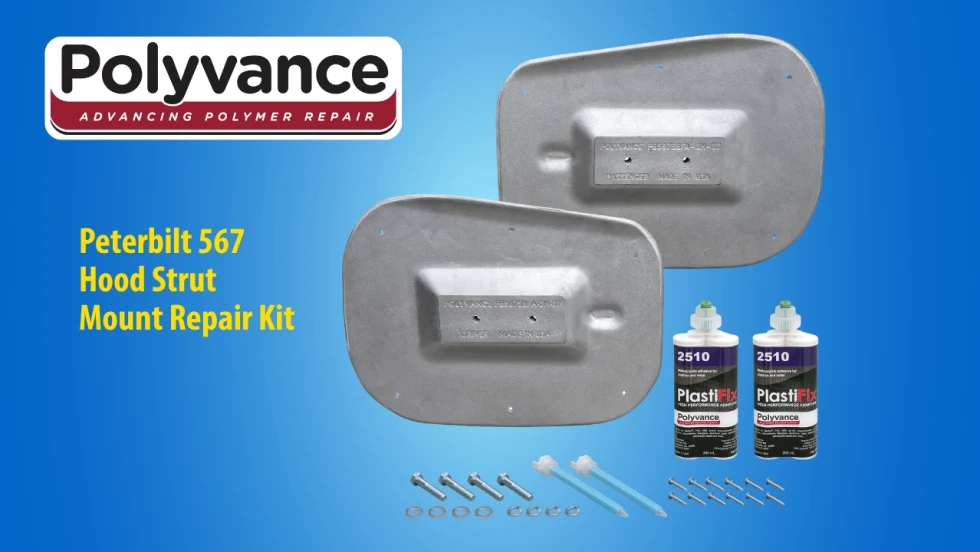
Polyvance Introduces New Peterbilt 567 Hood Strut Mount Repair Kit
Polyvance has launched a repair solution for Peterbilt 567 hood struts, helping truck owners and repair facilities avoid costly hood replacements.
Read More →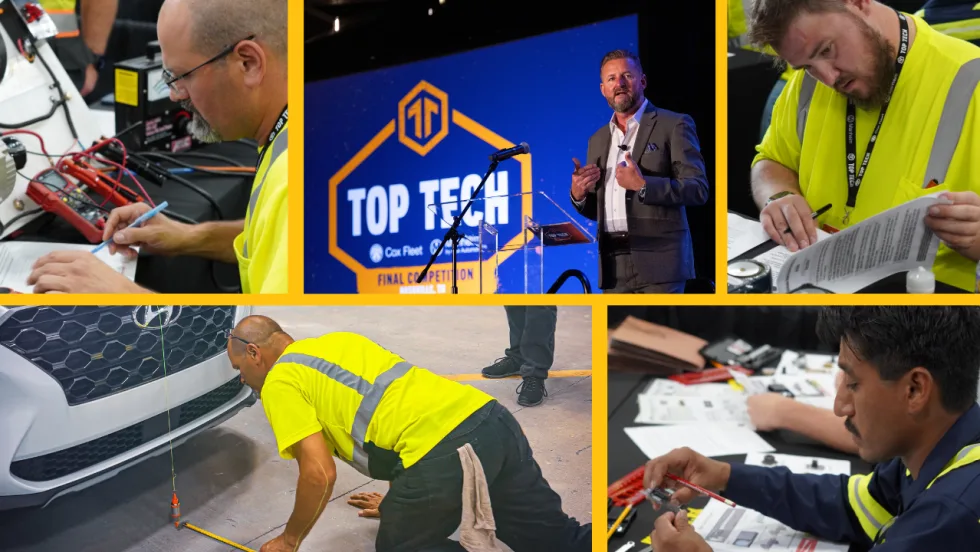
Cox Automotive Celebrates Technical Excellence at 2026 Top Tech Finals
The top technicians from Cox Fleet and Manheim tested their skills in Nashville, Tennessee, at Cox Automotive’s 2026 Top Tech Finals. The overall winners will advance to compete at the American Trucking Association’s TMC SuperTech competition.
Read More →
Grote Industries Appoints Vice President of North American Operations
Grote Industries has appointed Patrick Smith as vice president of North American operations as it celebrates 125 years of innovation and manufacturing excellence. He has more than 20 years of manufacturing leadership experience.
Read More →
Winter Fleet Prep: Expert Tips to Keep Vehicles Running Smoothly
Cold weather can expose weak batteries, tires, fuel systems, and maintenance gaps fast. Use this winter fleet checklist to prepare trucks and drivers before temperatures drop.
Read More →