




Tim Baughman's entire keynote address at the 2021 Fleet Forward Conference is available on demand, as are the rest of the seminars.
Managing the Transition to an EV Fleet
Ford Pro’s Tim Baughman explains how transitioning to an electric vehicle fleet goes beyond the vehicle to dealing with different utilities and rates, installing charging infrastructure at depots and in homes, and using connected vehicle data to maximize uptime.
by Chad Simon
November 18, 2021
Tim Baughman, Ford Pro general manager, North America, delivered the opening keynote at the 2022 Fleet Forward Conference in San Jose, Calif.
Photo courtesy Ross Stewart, RMS3Digital
6 min to read
Vehicle electrification is beginning to gain more traction, especially with corporate and commercial fleets. Among the driving forces behind electrification are sustainability interests and federal, state, and local government mandates, according to Tim Baughman, Ford Pro general manager, North America. He delivered the opening keynote, “The Electrification Path Forward for Fleets,” on Nov. 11 at the Fleet Forward Conference in San Jose, Calif. — one state that is requiring all vehicle purchases to be electric by 2035.
“We are reaching a major inflection point,” Baughman said. “Nearly every industry, from construction to telecom, is facing a change when it comes to electrification. At Ford, we believe electrification will make a profound difference in a company’s profitability. The ones at the forefront will have the advantage over the others.”
Ford Pro is the rebranding of the automaker’s commercial business, which goes beyond selling and servicing vehicles to how Ford connects the vehicle’s physical hardware with software, including telematics data.
Investing in Electric
As fleets transition toward electric, they’re experiencing personnel challenges due to the ongoing labor crisis and generational changes in the workforce, which are leading businesses to focus more on employee retention and become vested in company values, according to Baughman.
“We’re seeing electric vehicles (EV) play into that,” he said. “Commercial customers are starting to understand that EVs are good for business, from reducing emissions to increasing sustainability, building brand value, productivity gains and a 40% reduction in operating costs as it relates to maintenance. This means lower cost of ownership and payback, which starts at day one. Demand is growing and the ones that win the race will have solutions for their customers.”
According to Baughman, Ford has invested more than $30 billion in electrification, including its BlueOval SK Battery Park — a $5.8 billion 1,500-acre manufacturing complex in Glendale, Ky., which includes two battery plants designed to support all of North America’s electrified vehicles — and Blue Oval City — a $5.6 billion 3,600-acre facility in West Tennessee expected to be the largest, most advanced and efficient automotive production campus in Ford’s history.
“The commercial market for Ford is of utmost importance,” Baughman said “We’re leaders in Class 2-6 vans and trucks with 40% market share, and we don’t plan to give any of that up. Companies need to start thinking about electrification now because some are turning 10%-15% of their fleets over every year.”
Overcoming Charging Challenges
The charging issue is a complex undertaking, Baughman admits. A vehicle’s usage, number of miles driven per day, and infrastructure are all factors to take into consideration. If employees are allowed to take vehicles home, fleet managers must also consider whether to install expensive charging stations in their homes.
With more than 3,300 utility companies in the United States, fleets that have multi-state locales are going to have to deal with different utility companies, which is no small task. Each one has its own rate structure, but through software, Ford is able to integrate into the utility directly, find out the lowest-cost time for a fleet to charge and orchestrate that information with the fleet’s operations.
“We’re working on knitting this together so you can have a solution that works across all those utilities,” Baughman said. “Electric rates vary, and it depends on when you charge, how fast you charge, where you charge and how much you charge. If you don’t manage your costs correctly, you’re going to see bills that are two to three times the normal price of diesel.”
Ford’s 3,000 dealers and 650 commercial dealers will all be EV certified with service and charging capability. The Blue Oval Charge Network offers 63,000 public chargers, which can be located using the FordPass app. During the consultation phase with Ford, fleets can determine what their needs are, their locale, how many units they want, and whether they need home and public charging, and tailor this around their operational requirements.
Baughman advises fleets to understand their power needs for each depot and whether the utility that serves them can handle those loads.
“Plan your charging and depot strategy. Can you get the parts there? These are things that need to be taken into consideration concurrently with the vehicle decision, if not before.”
Improving Vehicle Uptime
Ford Pro is also investing in its connected vehicle capability with a free telematics service for both electric and gas-powered customers. This program allows Ford access to vehicle health, odometer readings, diagnostic trouble codes, and information on oil life, engine hours, and recalls for all Ford vehicles in the fleet.
“Our vision is 100% uptime,” Baughman said. “Unscheduled downtime means lost business productivity. Customers are interested in long-term savings that come with reduced maintenance and uptime. We’re seeing a significant reduction in the time it takes to get back on the road.”
Ford is currently running pilot programs with some of its electric vehicle offerings, and customers will begin to take delivery of E-Transits and F-150 Lightings next year. During the freeze in Texas earlier this year, people were using their F-150s to charge their home, and the Lightning will have the capability to supply power back to the grid.
“It’s no longer just about the vehicle themselves,” Baughman said. “It’s about the vehicle and the software solution that results in improved data and services that lower the total cost of ownership, increase productivity, and improve uptime and operational safety.”
Assessing Electric’s Viability Per Application
Ford Pro conducts an assessment with potential customers to understand the range they’re looking for and their charging infrastructure.
“Electric vehicles are not right for every single application,” said Muffi Ghadiali, head of Ford Pro Charging, who joined Baughman onstage. “The last thing we want is for the vehicle to land in the wrong application, so we are incredibly careful about who gets these vehicles and how they’re deployed. With intelligence and charging insight, we can actually look at how these vehicles are behaving on a daily basis and make recommendations to get better range in tough environmental conditions.”
Utilities see EVs as a huge opportunity but also a challenge. There’s going to be a massive load showing up on the grid and they are trying to figure out where the depots will be located so that they can manage the energy generation and distribution.
“We work with them on demand response to turn down charging when demand is high, Ghadiali said. “That is a direct economic benefit for the customer because the utility is going to pay for you to reduce your load. We try to deflect that away from the customer so they can focus on what matters most, and that is running their fleets.”
Ford Pro is also looking at solutions for battery storage to offset some of the grid load.
“This is one moment in history where the grid is going to be redefined,” Ghadiali said. “Our utility infrastructure is more than 100 years old. The grid is already being pushed to the limit. Electrification is going to help redefine the next grid, most likely distributed to the edges, and fleets will be the ones that will force this.”
Originally posted on Automotive Fleet
Subscribe to Our Newsletter
More Green Fleet

Fleet Forward Conference Introduces One-Day Passes for 2026
New one-day registration gives fleet professionals the flexibility to attend Tuesday, Wednesday, or Thursday, with passes available for $199 through Sept. 18.
Read More →
CALSTART Rebrands as Catalyst Mobility, Will Combine with Forth in 2027
CALSTART has rebranded as Catalyst Mobility and will combine with Forth at the start of 2027. The new organization said it is poised to become one of the world's largest, strongest, and most impactful clean transportation nonprofits.
Read More →
Electric Truck and Charging Programs to Boost Sustainability at NY & NJ Ports
Together, the Port Authority of New York and New Jersey and CALSTART will electrify drayage and terminal operations serving the East Coast’s busiest container port. A pair of incentive programs totaling $45 million has launched to accelerate adoption of zero-emission drayage trucks and terminal tractors.
Read More →
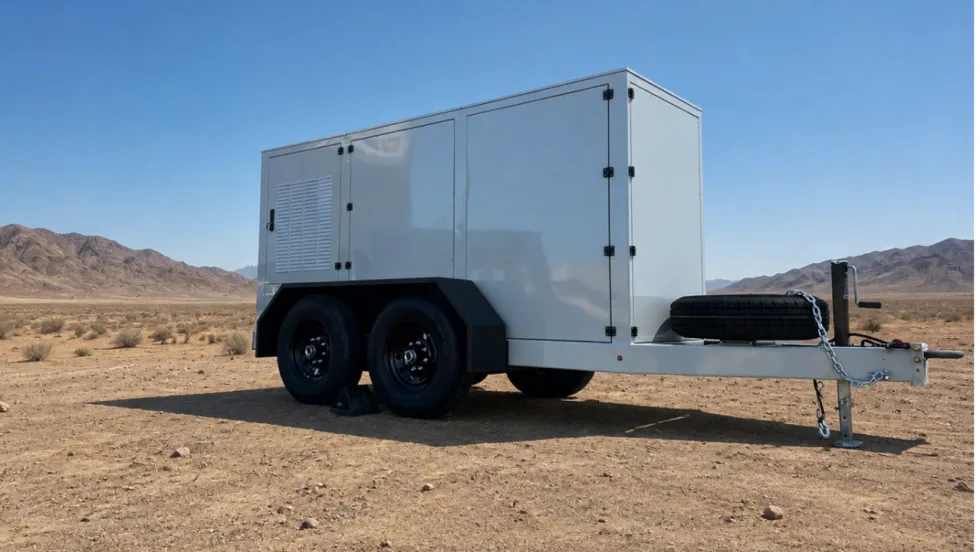
Xos Hub Surpasses One Gigawatt-Hour of Energy Delivered in the Field
A single Xos Hub has surpassed one gigawatt-hour of energy across more than 33,600 charging sessions in the field, demonstrating performance that supports Xos' expansion across new products and markets.
Read More →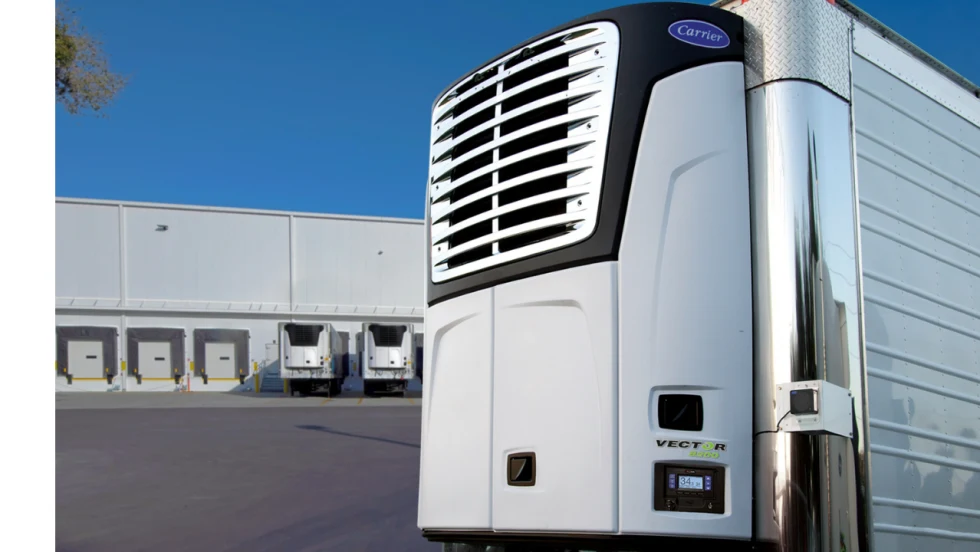
Carrier Transicold Launches All-Electric Vector 8200 TRU for Diesel-Free On-Site Cold Storage
Carrier Transicold’s first engineless multi-temperature TRU helps fresh- and frozen-food fleets add supplemental cold storage capacity during seasonal peaks.
Read More →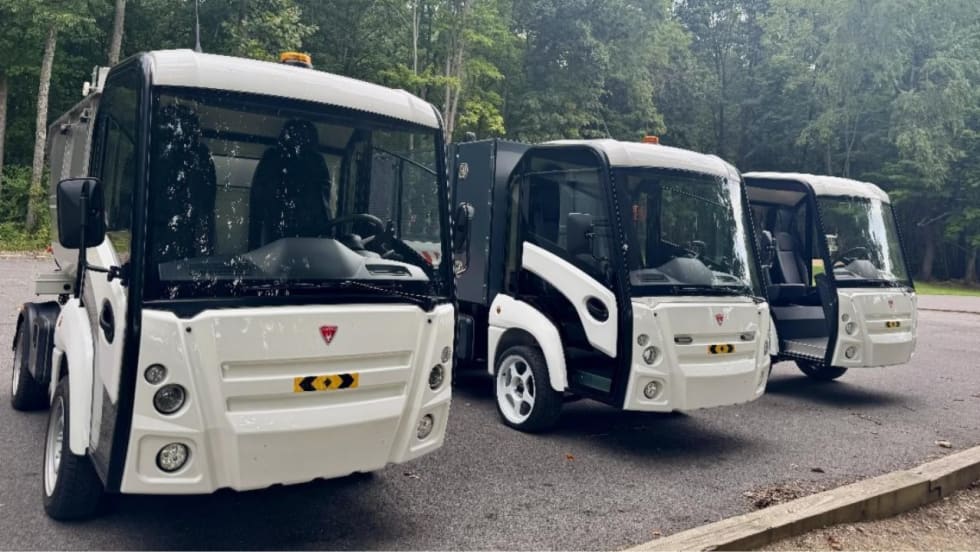
Narro Trucks Introduces Electric Utility Vehicle
Narro Trucks officially launched its operations on Aug. 20 and hosted a ride and drive to showcase its electric truck, which will be produced in Virginia.
Read More →
Samsung SDI Takes Full Control of GM Battery JV as Indiana Plant Pivots to Energy Storage
Samsung SDI is taking full control of its Indiana battery plant with GM, marking a major shift from the EV-focused joint venture Charged Fleet first covered in 2023.
Read More →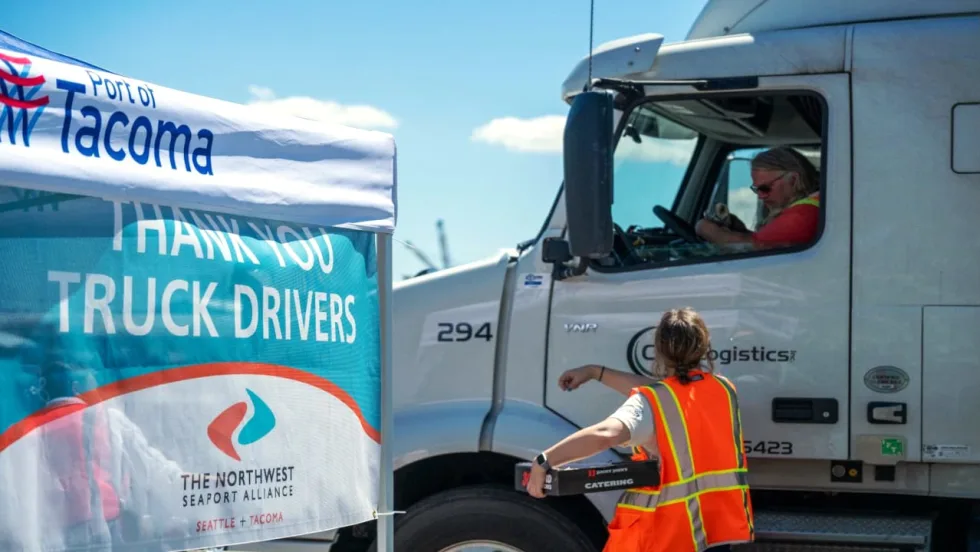
NWSA Taps CALSTART to Administer Zero-Emission Drayage Assistance Program
CALSTART will provide free technical assistance services to drayage fleets serving the Ports of Seattle and Tacoma and looking to transition to cleaner technologies and help decarbonize freight hubs.
Read More →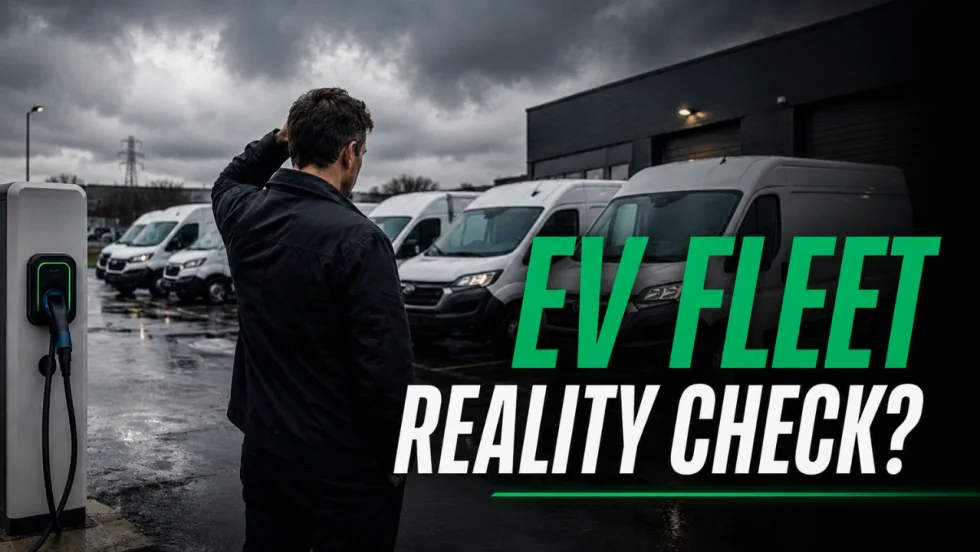
EV Fleet Reality Check: What Operators Wish They Knew Before Electrifying Their Work Vans
Electric work truck upfits bring new compatibility questions. Learn how parts availability, OEM guidance, power demands, and route planning can affect fleet performance.
Read More →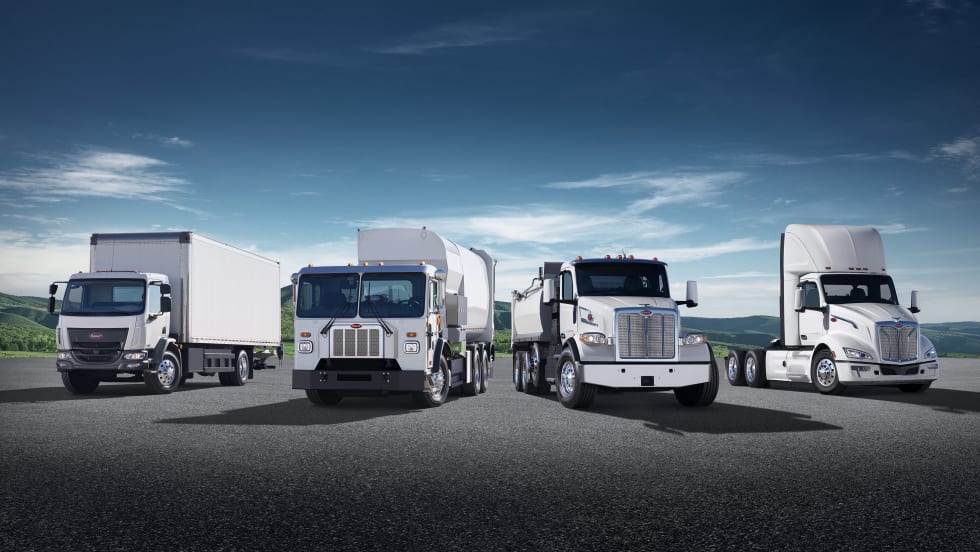
Peterbilt Expands Sourcewell Partnership with Electric Vehicle Lineup
Peterbilt Motors Company’s cooperative purchasing agreement with Sourcewell and its Canadian partner, Canoe Procurement Group, now includes including Peterbilt's battery-electric vehicle lineup.
Read More →