




How to Keep Drivers Alert, Not Annoyed
Keeping driver’s focused on the road is important. Nauto found a way to notify drivers of risky behavior without distracting or annoying them.

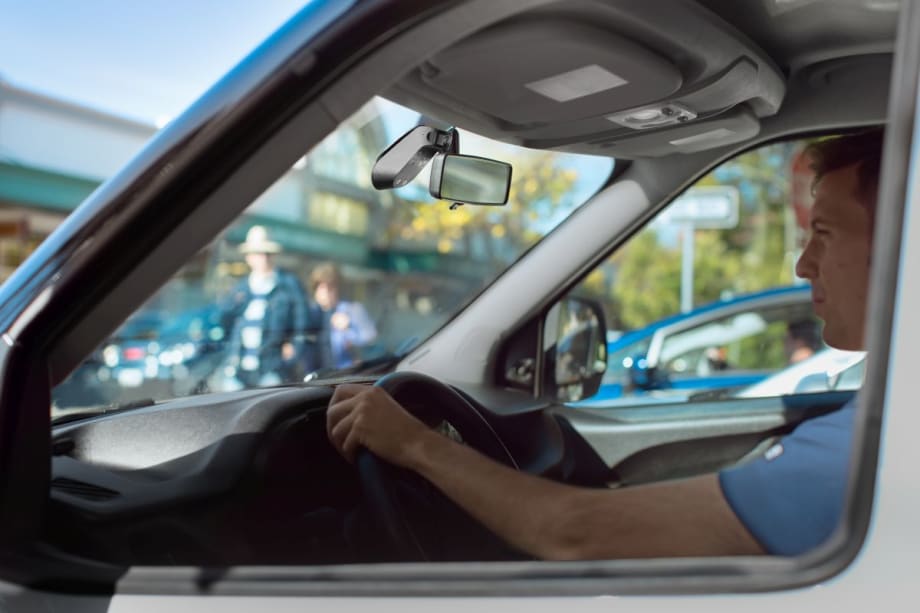
To date, Nauto has helped its customers avoid more than 25,000 collisions and save more than $100 million in claims.
Photo: Nauto
Nauto is a real-time, artificial intelligence (AI)-powered driver behavior learning platform. It predicts, actively prevents, and helps reduce high-risk events.
What sets Nauto apart from its competition is its “AI on the edge capabilities.”
“This capability makes Nauto the only solution on the market that can analyze sensor data from driver behaviors, exterior hazards, and vehicle movement on the device, in the vehicle, and in real-time. By deploying AI, Nauto can detect risky driving events with high accuracy in real-time, enabling our technology to alert a driver to help them avoid an incident,” said Shweta Shrivastava, chief product officer at Nauto.
To date, the company has helped its customers avoid more than 25,000 collisions and save more than $100 million in claims.
“Nauto saves fleets time and money by providing fleet managers with the data to create better safety programs, expedite claims filing processes, and monitor driver safety. Nauto’s technology has helped reduce customers’ reported claims by over 35% on average, with some customers reporting a more than 80% reduction in claims. What’s more, the ongoing benefits provided by Nauto help fleets lower their insurance premiums over time,” Shrivastava added.
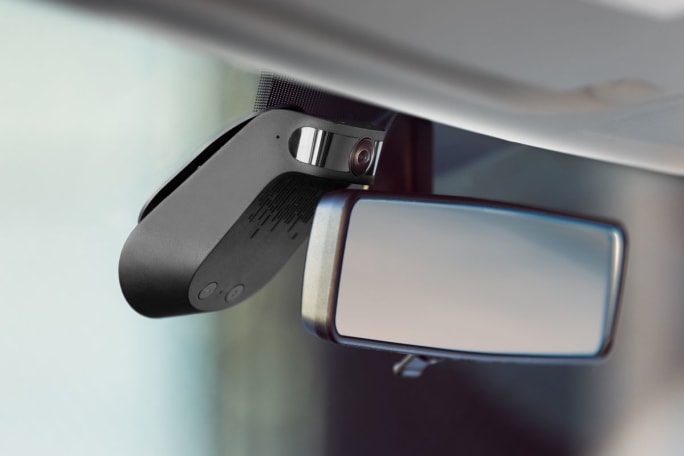
Knowing that more than 70% of collisions involve distracted driving, Nauto designed its in-vehicle alerts to predict and prevent high-risk events, getting the driver’s attention back on the road.
Photo: Nauto
Safety Alert Tech Saves Lives
While automotive safety alerts such as lane departure warnings have their purpose, the crux of the issues they solve generally relates to driver distraction, according to Nauto.
“Aside from not addressing the root of the issue (distracted driving), alerts like lane departure and blind-spot warnings have become so frequent that they get tuned out by drivers,” Shrivastava said.
Knowing that more than 70% of collisions involve distracted driving, Nauto designed its in-vehicle alerts to predict and prevent high-risk events, getting the driver’s attention back on the road.
“With our platform, our customers have noticed a significant decrease in distracted driving frequency, duration, and distance traveled — averaging 40% in reduced distraction frequency. When you’re able to get the driver’s attention back on the road, the need for many of the other types of common safety alerts falls significantly,” Shrivastava said.
Alerts Drivers Listen To
Drivers face alert overload, from tire pressure changes and seatbelt reminders to lane departure notifications. Given how nagging and annoying typical alerts can be to some, data suggests drivers revert to finding ways to disable them.
“For our distraction alerts, we thought hard about what would be effective and not annoying,” Shrivastava said.
Nauto’s system features three levels of alerts depending on the length of distraction:
Behavior nudge: The first alert is issued 2.5 seconds after a distraction event is detected.
Voice coaching: The second alert is activated if the driver continues to be distracted for more than four seconds, and includes a verbal cue, “distracted!”
Urgent Alert: The third alert is triggered if the driver continues to be distracted for more than five seconds.
Video Creates a Full Package
With more than 70% of collisions involving distracted drivers, there is a huge opportunity to address this issue with intelligent, automated alerts.
“Nauto’s embedded AI, combined with our dual-facing camera sensors, can assess situational risk and distraction severity in real-time, allowing our technology to alert drivers in the moment and help prevent collisions,” Shrivastava said.
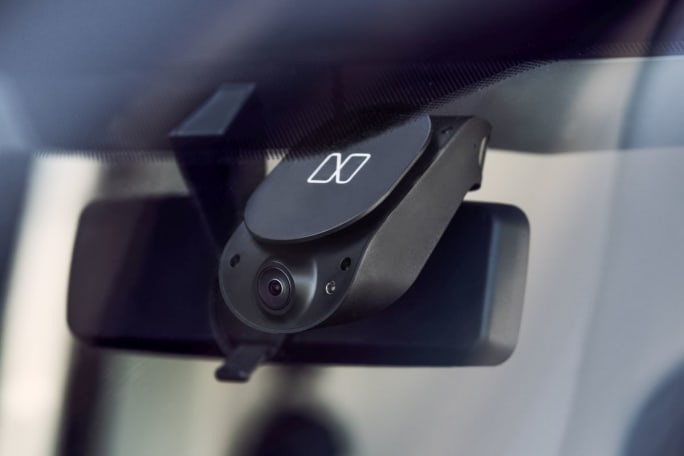
In addition to in-vehicle alerts, Nauto automatically uploads a video of detected risky events to the cloud for fleet managers to review.
Photo: Nauto
In addition to in-vehicle alerts, Nauto automatically uploads a video of detected risky events to the cloud for fleet managers to review.
Combined with other event data, Nauto packages prioritized guided workflows with video of coachable events, equipping fleet managers with the information they need to have an informed conversation with drivers about improving on-the-road decision-making.
“Our technology’s ability to record and automatically upload both in-cabin and exterior incidents to the cloud helps fleet managers save time and money when submitting claims. Moreover, this sort of video evidence helps fleets combat wrongful claims and protect their brand. Some of our customers have seen up to 70% driver exoneration in wrongful at-fault insurance investigations,” Shrivastava said.
2020 Priorities & Tech
One of the most significant expenditures when managing a fleet is the operational cost, which continues to rise for fleets.
“One key area where technology can play a large role in helping manage or reduce costs is collision frequency and severity. Nauto’s ability to reduce distracted driving provides a trickle-down effect of savings: reducing collisions helps fleets save money on their insurance premiums while also keeping a fleet’s vehicles on the road longer and eliminating preventable maintenance downtime,” Shrivastava said.
Additionally, when collisions do occur, Nauto’s platform automatically detects the incident and notifies fleet managers to file first notice of loss, immediately providing all the necessary information for fleet managers to quickly complete their claims, saving both time and money.
It’s no secret that the trucking industry has faced a personnel shortage over the past few years.
“This issue may be compounded as much of the existing workforce reaches retirement age. As fleets look to attract younger drivers to the profession, safety technology plays a key role. Trucking has long been considered a dangerous profession, and new entrants to the industry prioritize organizations that show a true commitment to the safety of their drivers. Additionally, coaching technology is instrumental in training this new generation of truck drivers,” Shrivastava said.
More Safety
When Work Trucks Under 26,001 Pounds Need IRP Registration
Think trucks under 26,001 pounds are automatically in the clear when it comes to IRP? Not always. Learn where lighter vehicles can still run into trip permit, apportioned registration, and IFTA compliance requirements when crossing state or provincial lines.
Read More →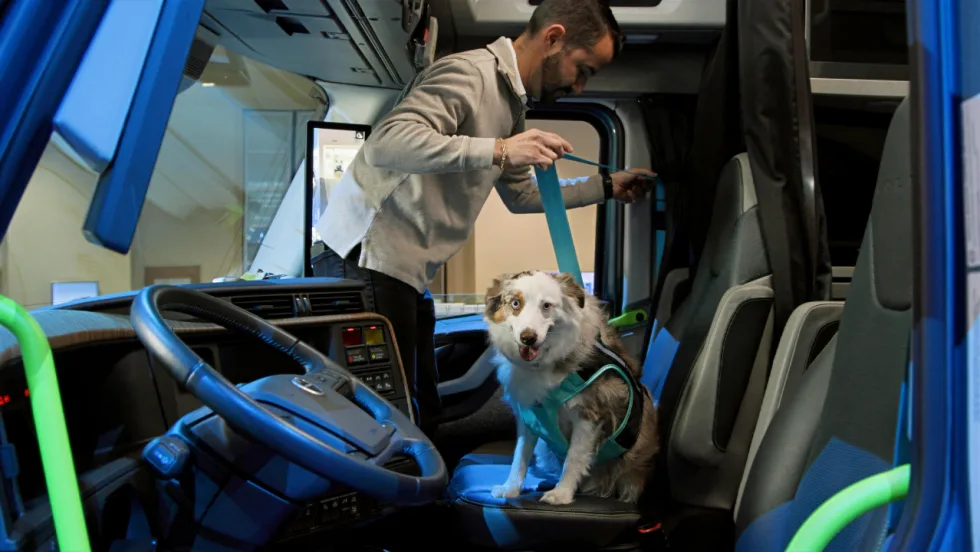
Volvo Trucks Releases New Safety Recommendations for Traveling with Pets
One of the most important recommendations for professional drivers traveling with pets is to ensure pets are properly restrained while the truck is moving. Other tips are available in the new guide from Volvo Trucks North America and Center for Pet Safety.
Read More →
API Issues Refueling Safety Guidelines
The American Petroleum Institute offers a list of safe vehicle refueling guidelines, including ways to avoid potential problems with static electricity discharges in fall, winter, and early spring.
Read More →
Winter Fleet Prep: Expert Tips to Keep Vehicles Running Smoothly
Cold weather can expose weak batteries, tires, fuel systems, and maintenance gaps fast. Use this winter fleet checklist to prepare trucks and drivers before temperatures drop.
Read More →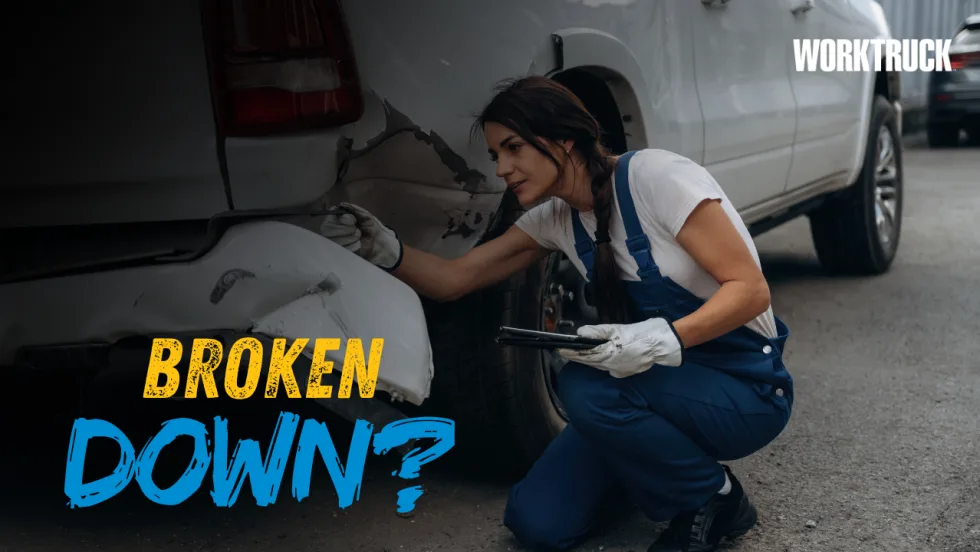
When a Work Truck Breaks Down, the Job Can Stop, Too
A work truck breakdown can stop more than the vehicle. Discover how payloads, jobsites, and specialty equipment change the roadside response.
Read More →
What Stronger Long-Term Fleet Service Partnerships Actually Require
Fleet service partnerships rarely fall apart all at once. Learn the three warning signs that trust is eroding and what fleets and providers can do before downtime, frustration, and lost revenue follow.
Read More →
Applause & TRUCE Software Partner to Improve Driver Safety Through AI-Powered Telematics & Employee Performance Management
Applause has integrated TRUCE driving metrics directly into its employee-first performance and safety platform that transforms mobile devices into AI-powered telematics.
Read More →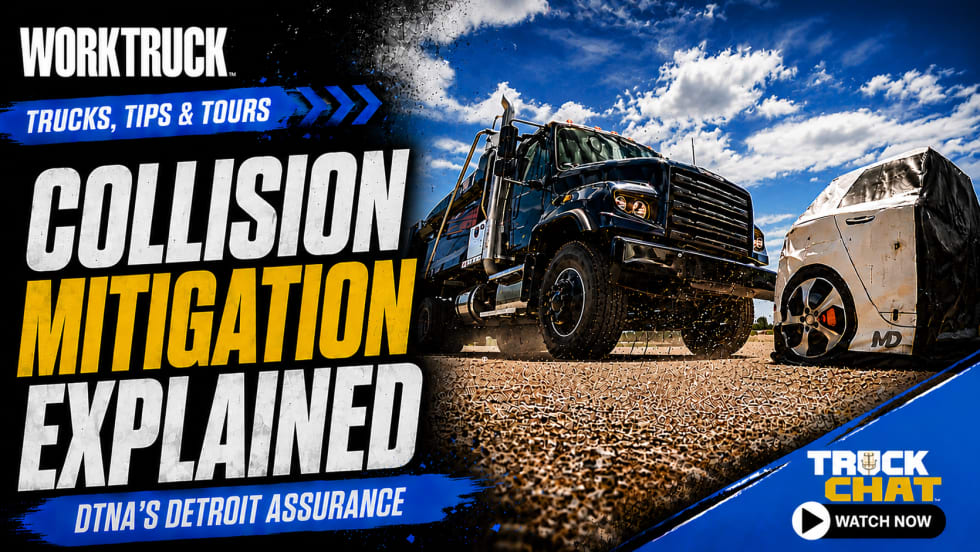
How Detroit Assurance with Active Brake Assist Works
Do you want to see what it is like to experience Detroit Assurance’s Active Brake Assist? In this video, Work Truck will put you in the cab to see how it all works and then hear more details from DTNA’s Mike Young.
Read More →
Get Left of Loss: A 5-Step Workplace Violence Prevention Framework for Fleet Operators
Violence risks do not stop at the driver’s door. Learn five practical steps fleets can take to spot threats early and protect workers before loss occurs.
Read More →
How Better Visibility Cut Speeding Violations by 48%
Fleet leaders don't need more data, they need clearer visibility into what the data is saying. This case study explores how one utility replaced speeding-event counts with a single metric — miles driven in violation — to strengthen safety and significantly reduce speeding violations.
Read More →