




How Lubricants & Specialized Fluids Power EV Technology
Delve into the challenges, from inadequate charging infrastructure for medium-duty vehicles to the technological hurdles faced by lubricant manufacturers in crafting the future of fleet technology.
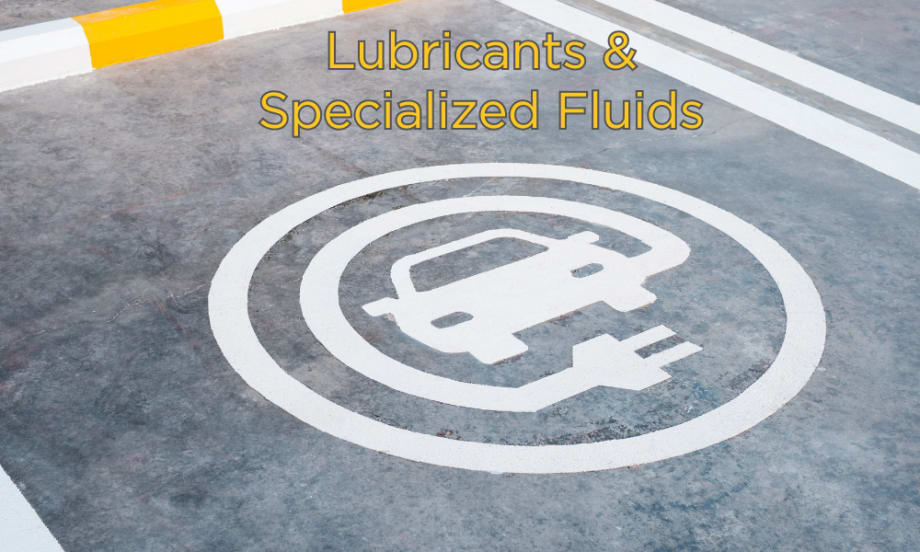
Efficiency is vital in EVs, and driveline lubricants can contribute to maintaining it.
Photo: Work Truck
The electric vehicle emergence is well underway and while some sectors, such as light-duty and passenger cars may seem further ahead than others, the fleet electrification transition is already making strides.
According to a recent Geotab survey of U.S. fleet professionals, 54% have electric vehicles already in their fleet or on order, demonstrating the direction of travel. However, no one within the medium and heavy-duty vehicle industries are under any illusions that the transition will be easy.
The challenges are clear: One of the primary barriers is charging.
The electric charging infrastructure in North America is currently not suitable for the kind of long-haul journeys often undertaken by medium and heavy-duty vehicles, which can render full-scale fleet electrification plans unworkable.
Technology development is another obstacle. Petro-Canada Lubricants, an HF Sinclair brand, recently launched EVR, a new line of purpose-built lubricants and fluids for EVs, to support OEMs in designing the next generation of EV technologies.
Let’s explore some vital considerations for lubricant manufacturers as we work to help develop tomorrow’s fleet technology.
Maintaining Efficiency in EVs
Efficiency is vital in EVs, and driveline lubricants can contribute to maintaining it. Fundamentally, avoiding viscous drag and friction is a crucial factor for electric and traditional engines alike.
One of the unique challenges to EVs is that heat must be removed from the motor as quickly as possible to improve motor performance and overall system efficiency.
EV fluids must have exceptional heat transfer characteristics to enable this. The fluid’s viscosity is critical to ensuring improved fluid thermal management, which means that EV fluids typically have lower viscosity than conventional automatic transmission fluids.
Protection Remains Key for the Next-Gen Vehicles
Electric motors run at high revolutions per minute (RPMs), meaning that EV driveline fluids must work hard to protect gears from wear damage.
Combining appropriate levels of protection with the required performance is the key challenge to enable the next generation of vehicles.
Fluids must reliably transfer power to the wheelbase with minimum drag and churning in the gear set, while providing the protection that is required to keep the asset working for longer.
As EV driveline fluids are typically low viscosity fluids, they offer better flow throughout the e-motor and parts.
An ideal fluid will support friction reduction on the gears and bearings, while allowing improved heat transfer and thermal efficiency. Combined, the motor will be able to run at its highest efficiency, keeping copper windings and motor components within optimal electrical motor efficiency.
Compatibility and Conductivity in Developing an EV Fluid
It’s no surprise that material compatibility is a key factor in developing an EV fluid due to the vehicle’s copper hairpin windings and electronic components. The hardware of an EV is fundamentally different from an internal combustion engine (ICE) and in many cases the motor is in the same compartment as the gearbox.
An ICE-based driveline fluid is primarily focused on durability and performance, so for EV fluids, it is critical to include a balance of conductivity, while avoiding issues with electrical arcing or sudden electrical discharge.
Here is where collaboration is crucial. As there are more components for the electrical current to travel through, EV OEMs must work with fluid developers to design fluids to their optimum conductivity — with the goal of keeping it low and avoiding electrical discharge and damage to the electric drive unit.
The optimum EV fluid will protect the e-driveline unit by providing adequate antiwear protection, alongside the appropriate electrical properties, compatibility with copper, and new materials while improving the unit efficiency.
The Battery Temperature Management Conundrum
Thermal management fluids are crucial to EVs and require a careful balance between thermal insulating quality, and electrical non-conductivity to prevent the build-up of electrostatic charges.
There are two types of fluid technologies for cooling in EVs — direct and indirect.
Most major manufacturers have, to date, used indirect cooling, where the surfaces and plates are cooled by a fluid, which subsequently cools battery cells. The current method does have safety concerns, primarily, the ability of fire to spread between cells and cause an explosion.
Comparably, direct cooling, or immersion cooling, while not directly utilized in mainstream EVs, can employ dielectric thermal transfer fluids to dissipate the heat from the battery, which can reduce the chance of thermal runaway or explosion.
EV Bearing Greases
The high operating speeds and materials compatibility requirements of the electric motors in EVs require specialized greases.
Greases designed for EVs provide extended high-speed bearing life through enhanced oxidative and thermal stability.
High-quality greases will use carefully selected base fluids, thickeners and additive systems to provide both low friction, to extend driving range, and low noise operation. In addition, the additive systems must not use corrosive extreme pressure additives which can damage the copper motor windings.
Other unique factors will impact EV grease choices. EVs are typically significantly heavier than ICE vehicles due to the batteries.
This added weight means extra stress on driveline components such as the constant-velocity (CV) joints. EVs bring an opportunity for more specialized CV joint greases that have higher EP protection than in a traditional vehicle.
As I have detailed, there are technical considerations that fluid manufacturers, alongside hardware manufacturers need to address and overcome to enable the electrification of medium- and heavy-duty fleets.
But the transition has begun, and work is underway to bridge the gap between an electric future and today’s reality.
More Green Fleet

Fleet Forward Conference Introduces One-Day Passes for 2026
New one-day registration gives fleet professionals the flexibility to attend Tuesday, Wednesday, or Thursday, with passes available for $199 through Sept. 18.
Read More →
CALSTART Rebrands as Catalyst Mobility, Will Combine with Forth in 2027
CALSTART has rebranded as Catalyst Mobility and will combine with Forth at the start of 2027. The new organization said it is poised to become one of the world's largest, strongest, and most impactful clean transportation nonprofits.
Read More →
Electric Truck and Charging Programs to Boost Sustainability at NY & NJ Ports
Together, the Port Authority of New York and New Jersey and CALSTART will electrify drayage and terminal operations serving the East Coast’s busiest container port. A pair of incentive programs totaling $45 million has launched to accelerate adoption of zero-emission drayage trucks and terminal tractors.
Read More →

The Smart Way to Build a Mixed-Energy Fleet Isn’t About Picking a Side
Mixed-energy fleets aren’t about picking a winning fuel. Sarah Booth of WEX explains how vehicle data, duty cycles, charging strategy, and real-world costs can help fleets choose the right energy source for each job.
Read More →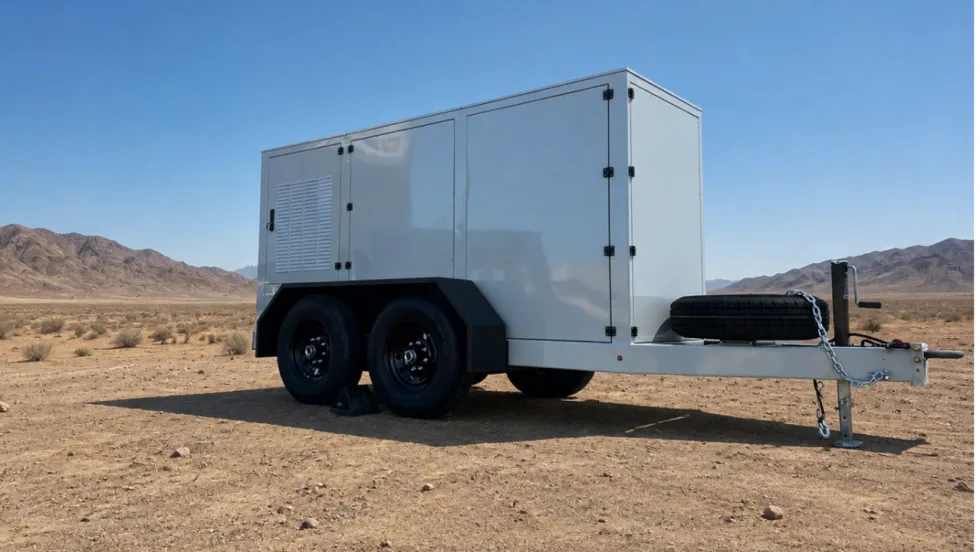
Xos Hub Surpasses One Gigawatt-Hour of Energy Delivered in the Field
A single Xos Hub has surpassed one gigawatt-hour of energy across more than 33,600 charging sessions in the field, demonstrating performance that supports Xos' expansion across new products and markets.
Read More →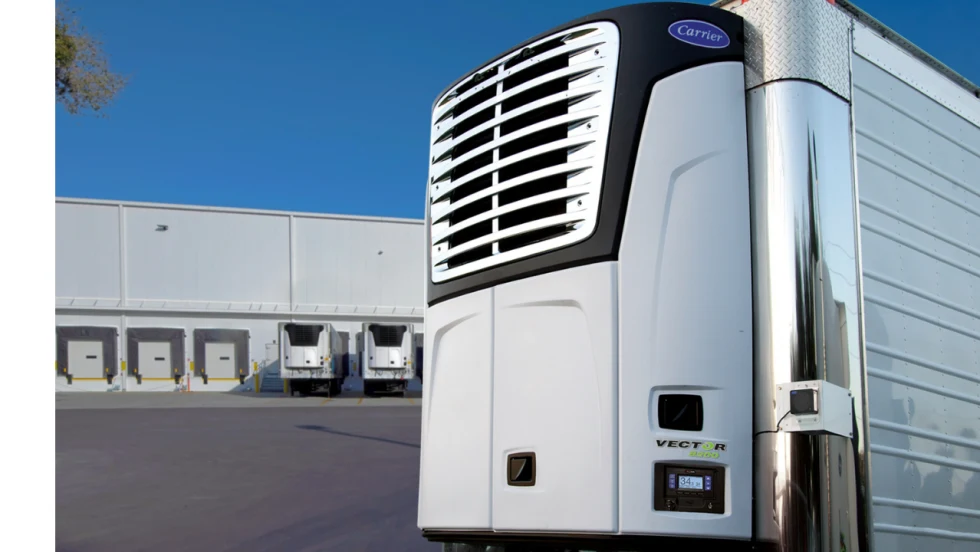
Carrier Transicold Launches All-Electric Vector 8200 TRU for Diesel-Free On-Site Cold Storage
Carrier Transicold’s first engineless multi-temperature TRU helps fresh- and frozen-food fleets add supplemental cold storage capacity during seasonal peaks.
Read More →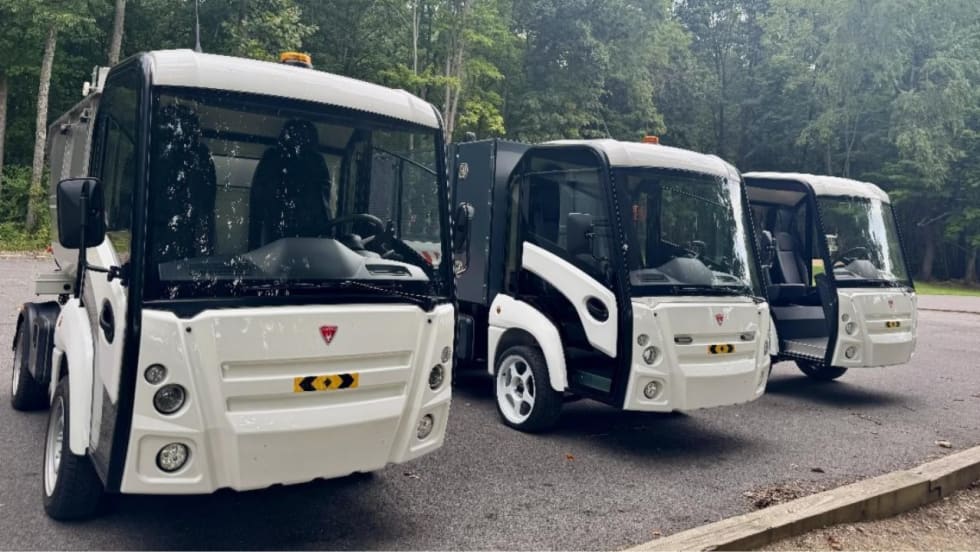
Narro Trucks Introduces Electric Utility Vehicle
Narro Trucks officially launched its operations on Aug. 20 and hosted a ride and drive to showcase its electric truck, which will be produced in Virginia.
Read More →
Samsung SDI Takes Full Control of GM Battery JV as Indiana Plant Pivots to Energy Storage
Samsung SDI is taking full control of its Indiana battery plant with GM, marking a major shift from the EV-focused joint venture Charged Fleet first covered in 2023.
Read More →
NWSA Taps CALSTART to Administer Zero-Emission Drayage Assistance Program
CALSTART will provide free technical assistance services to drayage fleets serving the Ports of Seattle and Tacoma and looking to transition to cleaner technologies and help decarbonize freight hubs.
Read More →
EV Fleet Reality Check: What Operators Wish They Knew Before Electrifying Their Work Vans
Electric work truck upfits bring new compatibility questions. Learn how parts availability, OEM guidance, power demands, and route planning can affect fleet performance.
Read More →