




Learn More: Debunking 5 Synthetic Diesel Oil Myths
The Future of Vocational Heavy-Duty Engine Oils
The new category, PC-12, is anticipated to come into licensing for the model year 2027. Here's what you need to know.
by Darryl Purificati, Petro-Canada Lubricants
October 30, 2023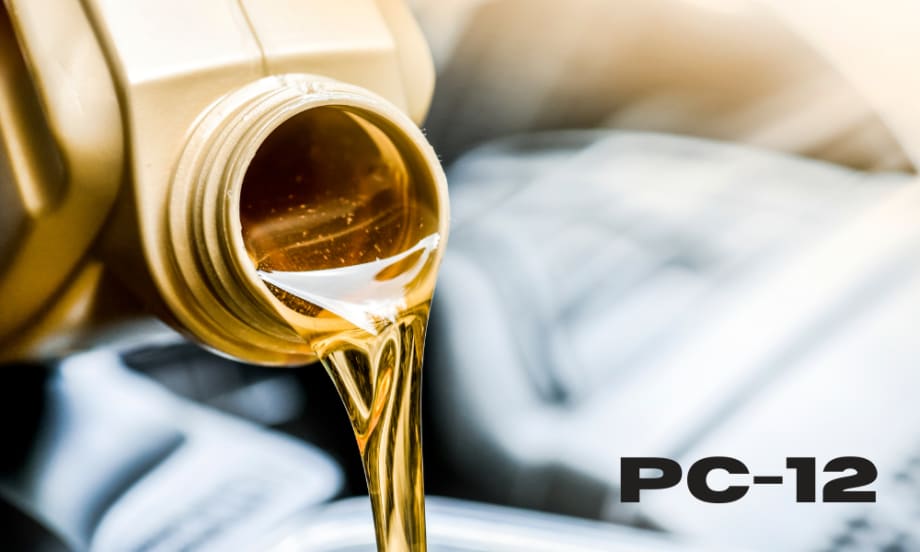
PC-12 is expected to offer lubricants heightened wear protection and oxidation control.
Photo: Work Truck
3 min to read
In line with the latest proposed greenhouse gas and fuel mileage regulations from both the Environmental Protection Agency (EPA) and the California Air Resources Board (CARB), the American Petroleum Institute (API) has begun work on the future of vocational heavy-duty engine oils.
The new category, PC-12, is anticipated to come into licensing for model year 2027 and is being developed to support original equipment manufacturers in meeting the upcoming requirements.
As the discussion in the industry around PC-12 accelerates, let’s recap of what we know so far and the latest updates to come out of the category.
The Basics: Reducing Carbon Emissions and Increasing Fuel Economy
Although category specifications are still under development, PC-12 is expected to offer lubricants heightened wear protection and oxidation control, delivering expanded protection for engines working harder under increased operating temperatures.
Utilizing the latest lubricant technologies, the category is also expected to continue moving toward lower viscosity lubricants, while maintaining durability and improving performance.
Combined, these factors will help fleets increase their fuel economy while reducing carbon emissions, assisting localized and national efforts to reduce greenhouse gas emissions.
PC-12: Two Sub-Categories
To allow OEMs that have developed specific hardware architecture to take advantage of lower HTHS oils, PC-12 is expected to continue with two subcategories. One subcategory will encompass traditional viscosity grades and maintain backward compatibility.
The second subcategory will include lower HTHS oils that are specifically designed to help enhance fuel economy. Additionally, lower viscosity oils (i.e., xxW-20’s) will be targeted in this subcategory, offering outstanding durability and wear protection while further reducing viscous drag to improve overall fuel economy in engines engineered to take advantage of these oils.
Developing new and replacement tests for PC-12 is underway to reassure fleets of the protection and performance offered by the two sub-categories based on the new engine architecture.
Although the tests are unconfirmed, some proposed examples include two new wear protection tests and a scuffing assessment.
The Latest Developments
On April 12, 2023, the EPA announced the highly-anticipated Phase 3 of the federal Greenhouse Gas Standards for heavy-duty vehicles and was taken under review by the American Trucking Association.
Although the details of what these changes will mean are not yet entirely clear, we know that stringent emission standards will be put in place for all vehicles, surpassing the benchmarks established during 2016's GHG Phase 2.
Additionally, on July 6, 2023, CARB and several heavy-duty engine and vehicle manufacturers announced a joint agreement: the Clean Truck Partnership.
Under this agreement, CARB has committed to allowing OEMs greater flexibility under their Heavy-Duty Engine and Vehicle Omnibus Regulation and more closely aligning with EPA’s heavy-duty regulations.
Both these changes in criteria are likely to impact the development of PC-12 and the corresponding testing procedures it will need to undergo.
Setting up for Success
Fleet owners should investigate equipment requirements and the impact these have on OEM engine oil recommendations in advance.
This will allow fleets to explore lower viscosity lubricants, such as SAE 10W-30 engine oils, which can improve engine efficiency, or low viscosity transmission and driveline fluids, which can also support fuel economy efforts.
Additionally, fleet owners should consider the type of equipment they may need to purchase over the next few years. By doing this work now, the benefits offered by the category can be maximized once it arrives.
Supporting Vocational Heavy-Duty Fleets
When making changes to your lubricants and greases, it is crucial to seek advice from your lubricant technical service advisor.
These experts can provide industry insight on developing the specifications and tailored advice on what you should be doing to prepare your fleet.
For example, in line with the trend towards low viscosity that PC-12 is expected to follow, Petro-Canada Lubricants has already produced and trialed an SAE 0W-20 prototype.
Although it is yet to be confirmed whether these lubricants will be included in the upcoming category, Petro-Canada Lubricants is committed to demonstrating innovation and supporting heavy-duty fleets in their journey toward PC-12.
Subscribe to Our Newsletter
More Maintenance & Uptime
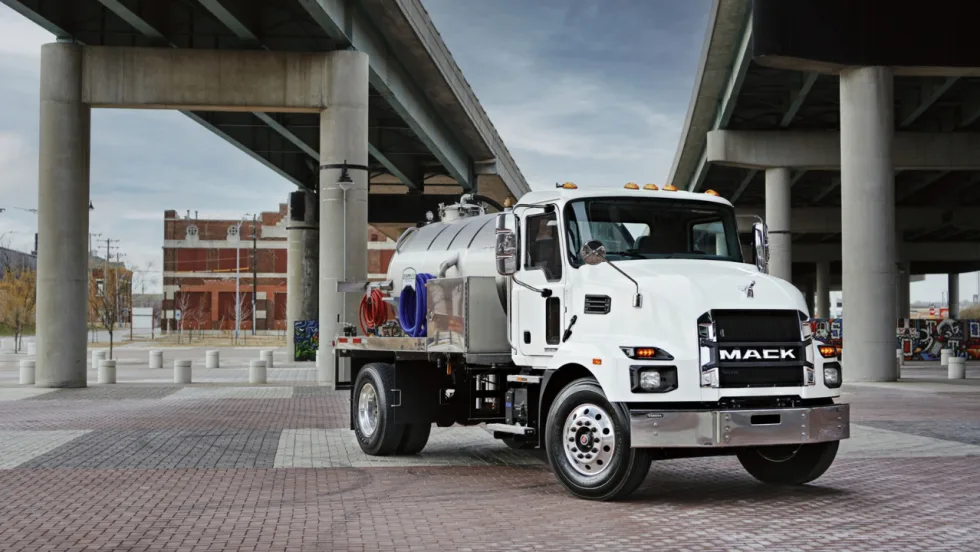
Mack Adds Chassis Coverage Options for Fleet Repair Costs
Mack Trucks introduced four system-specific chassis coverage plans, giving fleets more flexibility to manage repair costs for driveline, HVAC, electronics, safety systems, and other components.
Read More →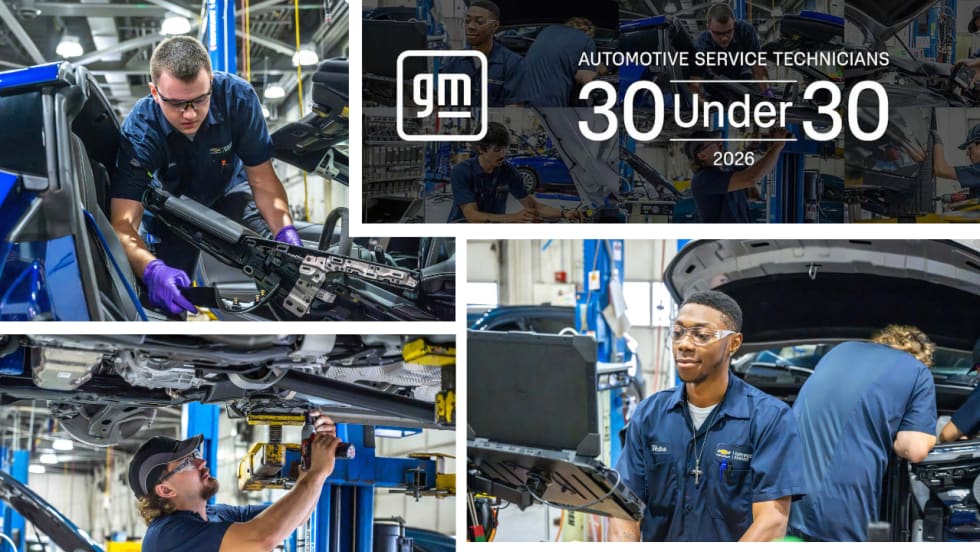
GM Launches ‘30 Under 30’ Program to Elevate Automotive Service Technicians and Inspire the Next Generation
The GM Automotive Service Technicians 30 Under 30 program honors GM service technicians under the age of 30 who demonstrate continuous technical training, exemplary customer service, mentorship, and leadership.
Read More →
Kooner Fleet Management Solutions Named Exclusive On-Site Fleet Maintenance Provider for Safe Truck Parking
A strategic partnership between Kooner Fleet Management Solutions and Safe Truck Parking brings mobile maintenance and 24/7 repair services directly to Safe Truck Parking locations, beginning in San Diego, California, with nationwide expansion planned.
Read More →From Our Partners
How JASPER Keeps Fleets Moving and Profitable
Sponsored by Jasper Engines & Transmissions
Basic Tracking vs Next Generation Fleet Technology
Sponsored by AT&T Business
5 Facts Every Fleet Manager Should Know About Embedded Telematics
Sponsored by Stellantis/Mobilisights
How AI Video Telematics Boosts Driver Safety and Helps to Avoid Unnecessary Costs
Sponsored by Verizon Connect

Charting the 8 Bottom-Line Benefits of Workforce Optimization
Sponsored by Verizon Connect

Building a Better Vehicle Replacement Model
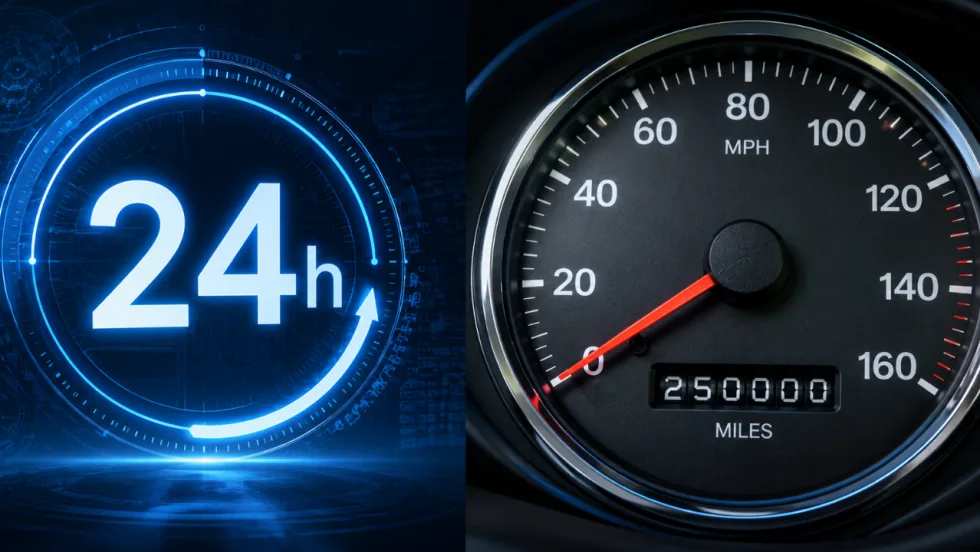
Meter readings still matter, but engine hours, idle time, maintenance trends, and utilization can help fleets spot costly vehicles before the odometer does.
Read More →
Sponsored•September 21, 2026
How JASPER Keeps Fleets Moving and Profitable
Every business decision within fleet management ultimately comes down to financial performance. Investing in dependable replacement powertrain components and responsive support can measurably impact the bottom line.
Read More →
Ryder Honors 2026 Top Technician at 25th Anniversary Skills Competition
Hosted in Nashville, Ryder’s 25th annual Top Technician Skills Competition honored the best technicians across the U.S. and Canada. Top Tech celebrates technician expertise while promoting growth, recognition, and camaraderie. Here are the winners.
Read More →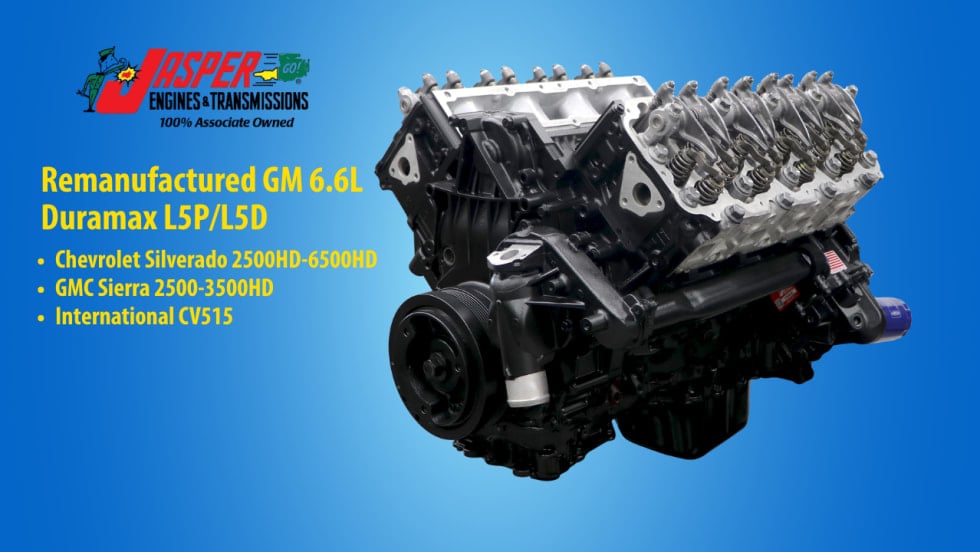
Jasper Offers GM 6.6L Duramax L5P/L5D Complete Format Diesel Engines
Jasper Engines & Transmissions now offers the remanufactured GM Duramax 6.6L L5P/L5D as a complete format engine for several General Motors and International 2017-2023 HD pickup trucks.
Read More →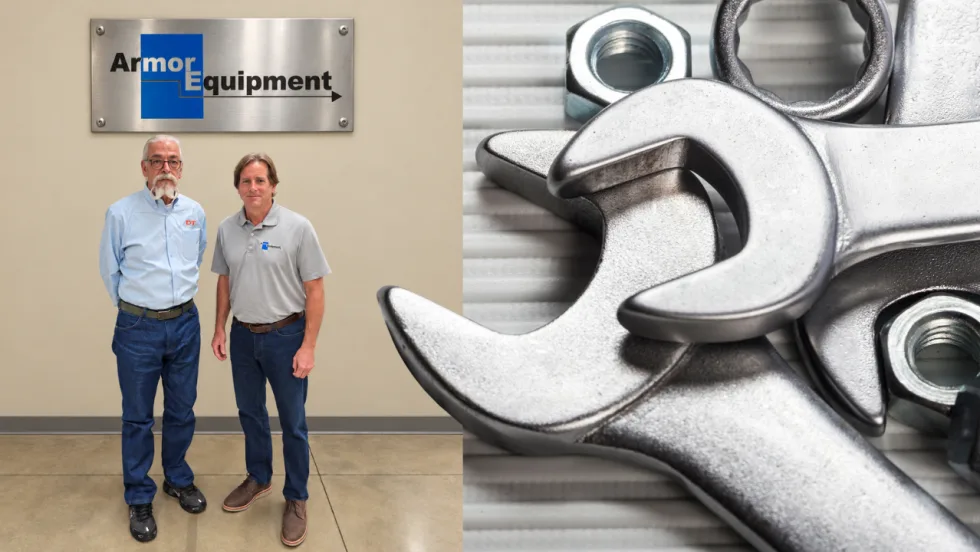
Armor Equipment Strengthens Minnesota Service Capabilities with Acquisition of Dakota Truck
Armor Equipment has acquired Dakota Truck, a medium- and heavy-duty truck and trailer repair business based in Lakeville, Minnesota. The acquisition adds truck and trailer repair expertise, building on Armor’s expansion into the Upper Midwest.
Read More →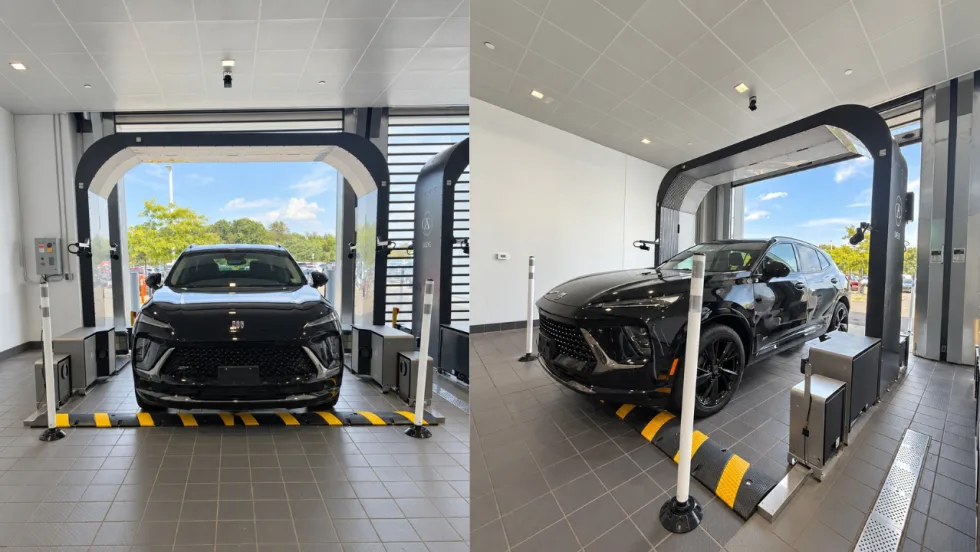
LaFontaine Partners With UVeye to Expand AI Vehicle Inspections in Michigan
LaFontaine is expanding UVeye AI vehicle inspections across Michigan, while UVeye tells Work Truck how the technology can support fleet maintenance and heavy-duty vehicle inspections.
Read More →
Les Schwab Expands Commercial Tire Footprint Into Arizona
Les Schwab Tires has expanded into Arizona with two commercial tire locations in Phoenix and Tucson, strengthening its fleet service footprint in the Southwest.
Read More →