




Fleet 101: All About Work Truck Maintenance
How Can Predictive Maintenance Provide a Competitive Edge?
Most fleets use preventive maintenance to keep their trucks on the road. Predictive maintenance can prevent breakdowns by providing specific insights tailored to the fleet on when a failure may occur.
by Jim Rice, Uptake
October 11, 2022
There’s growing enthusiasm in the fleet management sector for a modern maintenance approach that can turn increased breakdowns around: predictive maintenance.
Photo: Work Truck/Canva
5 min to read
During the supply chain crisis, truck fleets have been stretched past the breaking point. The pandemic increased demand for trucking services, but supply chain issues and a worsening driver shortage make it difficult for fleet managers to purchase new trucks, get the necessary parts to maintain trucks properly, and find drivers to keep trucks on the road.
The National Private Truck Council’s 2022 Benchmarking Survey Report revealed in-house maintenance teams have a 20% higher breakdown rate than private fleets that outsource maintenance. It’s more difficult for in-house teams to replace highly skilled technicians when they experience attrition. Outsourced maintenance operations are larger and often have dedicated recruiting staff, which gives them an advantage in a sector with 80,000 open jobs and only 10,000 new entrants per year into the pool of available candidates.
Maintenance protocols for leased versus privately owned trucks could be another factor. In-house fleet maintenance teams typically work on privately owned trucks, whereas fleets that lease vehicles under a full-service contract outsource maintenance to the leasing company. Other factors may also be at play, including geographical issues that could contribute to this disparity in roadside breakdowns, as in-house maintenance teams are not as equipped with the resources to address these challenges.
But there’s growing enthusiasm in the fleet management sector for a modern maintenance approach that can turn that statistic around: predictive maintenance. In-house fleet managers who adopt this approach can level the playing field on breakdowns and improve overall performance while giving their fleet maintenance teams a competitive edge through greater efficiency. Here’s a closer look at where the industry is now and why it needs to move toward predictive maintenance.
Predictive vs. Preventive Maintenance: What’s the Difference?
Most fleets use preventive maintenance to keep their trucks on the road. Data from individual trucks guide preventive maintenance, but most maintenance activities are prescriptive.
Maintenance is scheduled based on mileage, engine hours, or the calendar, like battery checks based on time or tire rotations and oil changes based on mileage. It’s a better approach than running trucks until a breakdown, but data proliferation means much more is possible with predictive maintenance.
Predictive maintenance can prevent breakdowns by providing specific insights tailored to the fleet on when a failure may occur. This helps in-house maintenance teams focus on the at-risk trucks in their fleet instead of healthy vehicles. It doesn’t replace preventive maintenance — instead, it augments scheduled visits, adding items to the checklist when potential issues are detected so that maintenance teams work more efficiently and avoid situations where recently serviced vehicles break down soon after a visit to the maintenance shop.
Predictive maintenance uses a more specific dataset, considering factors like geography, load, and weather to analyze truck performance more accurately. For example, predictive maintenance puts engine temperature in context when trucks are operating in a region experiencing a heat wave. It can also differentiate spikes in coolant temperature in a truck hauling a heavy load of fuel through the Rockies versus an empty truck traveling through Nebraska, identifying the latter as a potential problem given the context and history of the truck.
Why Now Is the Right Time for a Predictive Maintenance Approach
Predictive maintenance addresses the persistent challenges in-house truck maintenance fleets have struggled with for the past few years and provide a major competitive advantage.
As maintenance shops have done more with less, they’re encountering more challenges since trade cycles have lengthened. Many fleets used to trade vehicles in at the 400,000-mile mark but now routinely run trucks past 600,000 due to new-vehicle scarcity. Predictive maintenance can help in-house teams keep older trucks on the road by providing insights specific to their fleet, empowering teams with new assets to prevent breakdowns.
Since in-house maintenance operations tend to be smaller than outsourced counterparts, they typically have fewer parts in stock. Another challenge maintenance shops face now is that parts are harder to find, and maintenance teams need additional lead time to stock parts and equipment due to supply chain issues.
When in-house teams use predictive maintenance, they get more lead time to ensure the right parts are on hand when a truck comes into the shop for scheduled maintenance. If data indicates a problem, maintenance teams can switch out parts when the truck is in the shop for scheduled maintenance, which is a more efficient way to work.
The data behind predictive maintenance is more granular and truck-specific, but the effect of harnessing that information improves overall fleet health. The technology enables fleet technicians to work on the right problems rather than addressing issues on a mileage or calendar basis. This improves uptime overall, keeping drivers in healthy vehicles and addressing issues in trucks at risk of failure.
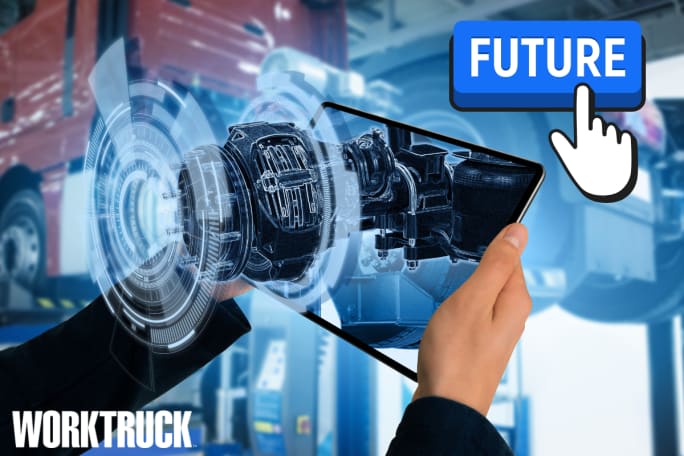
The technology enables fleet technicians to work on the right problems rather than addressing issues on a mileage or calendar basis
Photo: Work Truck/Canva
Use Predictive Maintenance to Level the Field
Breakdowns are a safety risk, putting fleets at greater risk of losing drivers to competitors. Drivers who experience recurrent breakdowns are much more likely to be dissatisfied and quit their current job to work for another fleet, and in the current labor market, it’s hard to replace those drivers. Since truck drivers are an aging demographic, that challenge will remain even if an economic downturn puts employers in a stronger position in the labor market.
Predictive maintenance can help fleet operations attract technicians and drivers by improving uptime and taking a more tech-forward approach to maintenance. It addresses the growing sophistication of vehicle electronics and sensors with a more modern, data-driven method, collecting and applying data in a transformative way that keeps drivers in their seats and helps maintenance professionals work more efficiently and proactively.
The pandemic and ongoing supply chain fallout have presented fleet managers with many tough challenges over the past few years. Still, predictive maintenance is an exciting opportunity to create a lasting edge through happier drivers and technicians and better overall fleet health. Predictive maintenance can give in-house fleets an edge, and fleets that adopt the emerging approach sooner than competitors can get a first-mover advantage, lowering maintenance costs, significantly improving uptime, reducing roadside breakdowns, and increasing technician efficiency.
An ongoing challenge for work truck fleets surrounds driver retention concerns. Check out these four ways to boost fleet truck driver retention to help combat the high cost of driver turnover.
Subscribe to Our Newsletter
More Maintenance
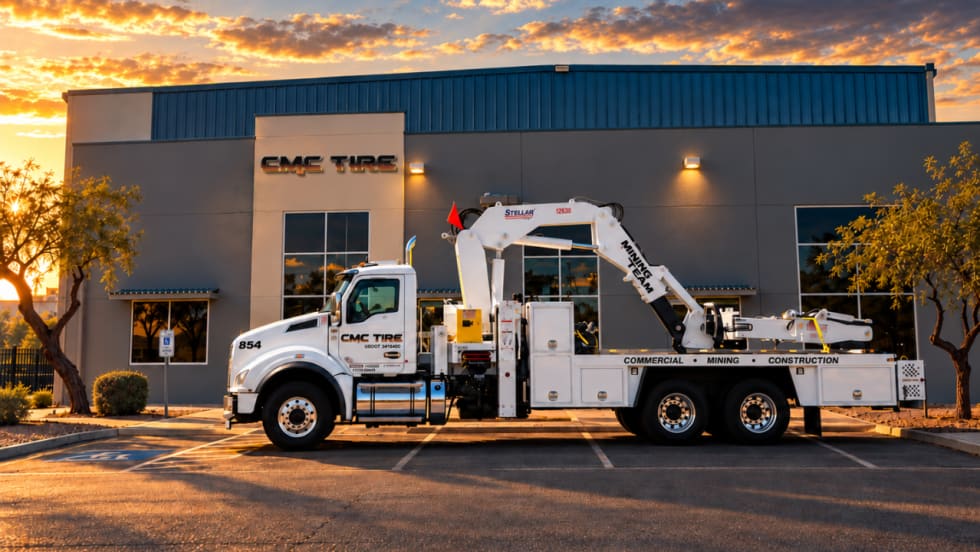
Les Schwab Expands Commercial Tire Footprint Into Arizona
Les Schwab Tires has expanded into Arizona with two commercial tire locations in Phoenix and Tucson, strengthening its fleet service footprint in the Southwest.
Read More →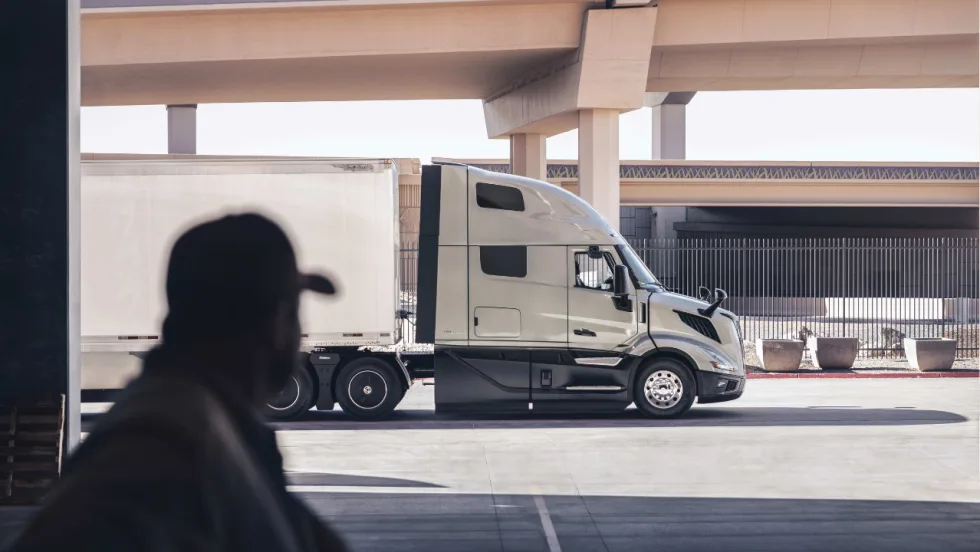
Volvo Trucks’ 'Lock and Leave' Software Updates Go Live Across North America
Unattended over-the-air software updates are now available in Volvo trucks across the U.S. and Canada. The new capability lets trucks stay current with the latest software without interrupting operations or requiring a dealership visit.
Read More →
Why Technician Appreciation Can’t Be a Once-a-Year Thought
For fleets trying to keep skilled technicians, recognition cannot begin and end with Technician Appreciation Week. Learn what year-round appreciation really looks like and why the everyday technician experience matters just as much as pay when fleets are trying to keep good people.
Read More →
How Faster Driver Reporting Can Keep Small Truck Problems Small
When minor damage, warning lights, or equipment issues are reported late, small problems can quickly become bigger maintenance headaches. Conversational AI can help shorten the path from what a driver notices in the field to the person who can act on it.
Read More →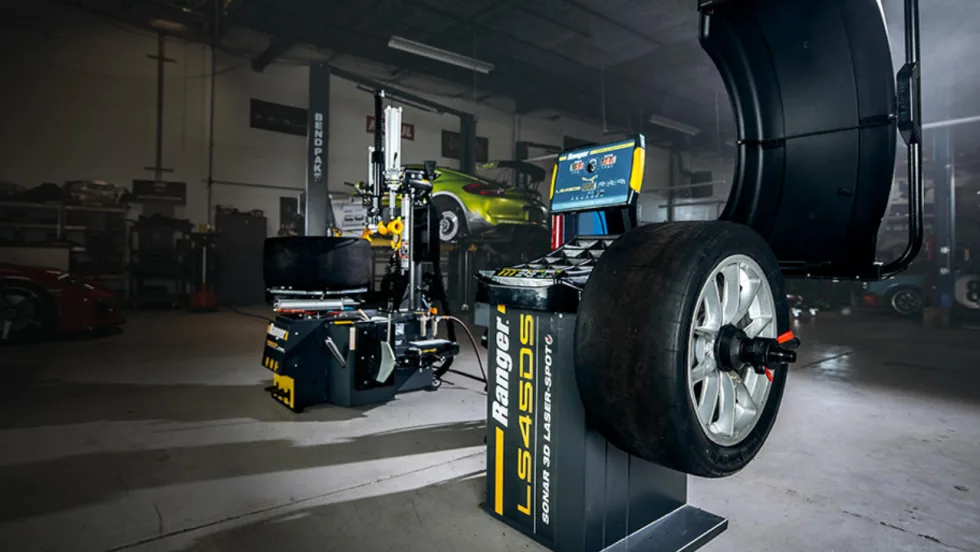
BendPak’s Ranger Wheel Service Equipment Achieves North American Safety Certification
BendPak’s full line of Ranger tire changers and wheel balancers has been ETL certified to UL and CSA standards to improve operator safety.
Read More →
Isuzu & U.S. Department of Labor Celebrate Milestone for Veterans Apprenticeship Program
The Isuzu Veterans Apprenticeship Program (IVAP) signing ceremony highlighted Isuzu’s long-term commitment to veterans, Isuzu dealers, and the skilled workforce supporting its customers and the commercial transportation industry.
Read More →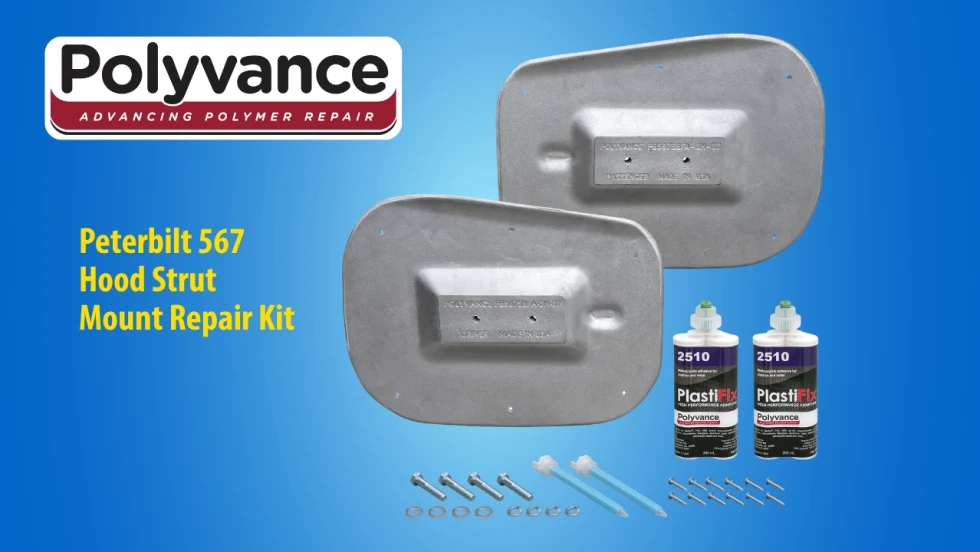
Polyvance Introduces New Peterbilt 567 Hood Strut Mount Repair Kit
Polyvance has launched a repair solution for Peterbilt 567 hood struts, helping truck owners and repair facilities avoid costly hood replacements.
Read More →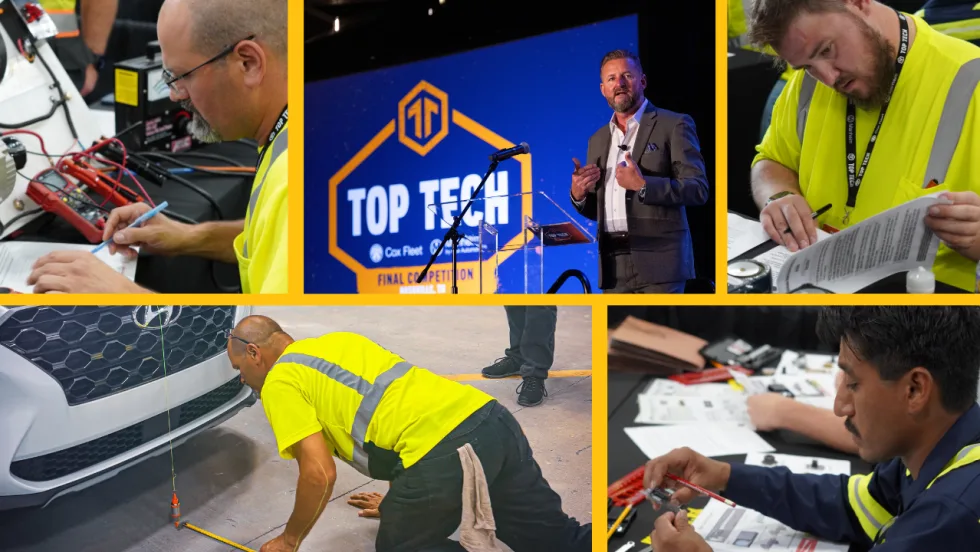
Cox Automotive Celebrates Technical Excellence at 2026 Top Tech Finals
The top technicians from Cox Fleet and Manheim tested their skills in Nashville, Tennessee, at Cox Automotive’s 2026 Top Tech Finals. The overall winners will advance to compete at the American Trucking Association’s TMC SuperTech competition.
Read More →
Grote Industries Appoints Vice President of North American Operations
Grote Industries has appointed Patrick Smith as vice president of North American operations as it celebrates 125 years of innovation and manufacturing excellence. He has more than 20 years of manufacturing leadership experience.
Read More →
Winter Fleet Prep: Expert Tips to Keep Vehicles Running Smoothly
Cold weather can expose weak batteries, tires, fuel systems, and maintenance gaps fast. Use this winter fleet checklist to prepare trucks and drivers before temperatures drop.
Read More →