




Ford Transit Fleet Guide Specs Capability and 2027 Model-Year Updates
Explore 2027 Ford Transit fleet specs, engines, payload and towing capability, cargo configurations, work features, technology, and model-year updates.

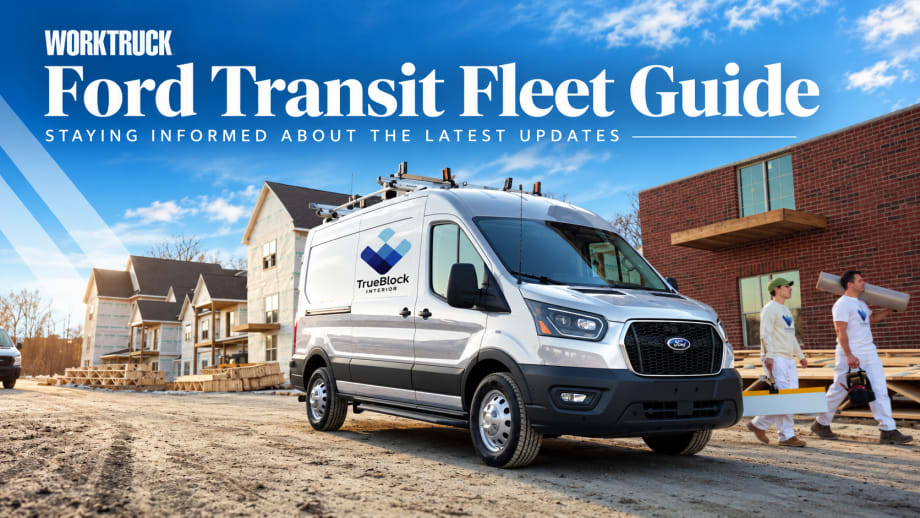
The Ford Transit Fleet Guide covers 2027 Cargo Van configurations, engines, payload, towing, cargo capacity, fleet technology, and vocational features.
Ford | Work Truck
The Ford Transit is Ford's full-size commercial van, offered in configurations ranging from work-focused Cargo Vans to Passenger Vans, Chassis Cab, and Cutaway models.
Now in its fourth generation, the Transit offers multiple roof heights, body lengths, GVWRs, and vocational configurations. Gas-powered models are available with rear-wheel or all-wheel drive and a choice of two 3.5L V-6 engines.
This Work Truck Fleet Guide focuses primarily on the gas-powered Transit Cargo Van and the configurations most relevant to commercial and vocational fleets. The battery-electric E-Transit is not included because its powertrain, charging requirements, range, and operating considerations warrant a separate Fleet Guide.
Work Truck will continue updating this page as new specifications, pricing, fleet ordering information, service updates, and other information become available.
2027 Ford Transit At-a-Glance Fleet Specs
Category | 2027 Ford Transit |
|---|---|
Vehicle Class | Full-size commercial van |
Current Generation | Fourth generation |
Current Model Year | 2027 |
Primary Fleet Configuration | Cargo Van |
Cargo Van Series | T-150, T-250, T-350, T-350HD |
Body Lengths | Regular, Long, Extended |
Roof Heights | Low, Medium, High |
Wheelbases | 130 or 148 in. |
Drivetrain | RWD or available Intelligent AWD |
Core Engines | 3.5L PFDi V-6, 3.5L EcoBoost V-6 |
Transmission | 10-speed automatic |
Maximum Horsepower | 300 hp |
Maximum Torque | 400 lb.-ft. |
Maximum Cargo Volume | 487.3 cu.-ft. behind first row |
Maximum Payload | Up to 5,103 lbs. |
Maximum Conventional Towing | Up to 6,900 lbs. |
Fuel Tank Capacity | 25 gal.; available 31 gal. |
Cargo Van Seating | 2 |
Starting MSRP | $48,400 |
Assembly | Kansas City Assembly Plant |
The Transit Cargo Van can be configured with GVWRs ranging from 8,670 to 11,000 pounds, depending on series and configuration. Its broad range of roof heights, body lengths, GVWRs, and vocational options allows fleets to build around applications ranging from delivery and mobile service to construction and specialized upfits.
Maximum payload, towing, and other capability figures depend on the exact vehicle configuration. Engine, drivetrain, wheelbase, roof height, body length, GVWR, installed equipment, upfits, passengers, and cargo can all affect the final rating.
What Changed for the 2027 Ford Transit
The 2027 Ford Transit builds on the significant technology update introduced for 2026 rather than bringing another major redesign. Much of the current van's digital architecture, connectivity, driver-assistance technology, and upfit integration arrived with the previous model year.
For 2027, one of the more notable additions for fleets is the Ford Security Package, which brings connected theft-prevention and vehicle-recovery features to the Transit.
Other 2027 Transit Cargo Van highlights include:
- Starting MSRP of $48,400.
- 3.5L PFDi V-6 and available 3.5L EcoBoost V-6 engines.
- Available Intelligent AWD.
- Three roof heights and three body lengths.
- Standard Ford Co-Pilot360.
- Standard 8-inch multifunction digital instrument display.
- Standard SYNC 4 with a 12-inch center display.
- Ford Connectivity Package with one year included.
- Ford Pro Telematics.
- Available shelving and vocational/trade packages.
- Available 400-watt Pro Power Onboard.
- Available Ford Security Package.
The combination makes 2027 more of a continuation and refinement of the current Transit than a major mechanical overhaul.

Ford Transit Cargo Vans can be configured around delivery, service, and other vocational applications, with multiple roof heights, body lengths, and payload capacities.
Ford
2027 Ford Transit Engines and Powertrains
The 2027 Ford Transit Cargo Van continues to offer two gasoline V-6 engines. Both pair with a 10-speed automatic transmission.
Transit Gas Powertrains
Engine | Horsepower | Torque |
|---|---|---|
3.5L PFDi V-6 | 275 hp | 260 lb.-ft. |
3.5L EcoBoost V-6 | 300 hp | 400 lb.-ft. |
The naturally aspirated 3.5L PFDi V-6 serves as the standard gas engine, while the available 3.5L EcoBoost increases output to 300 horsepower and 400 lb.-ft. of torque.
That additional torque may be particularly relevant for fleets carrying heavier loads or regularly towing, but powertrain choice should be made alongside GVWR, drivetrain, payload requirements, and the complete vehicle configuration.
Rear-wheel drive is standard on gas-powered Transit vans, while Intelligent AWD is available. A 25-gallon fuel tank is standard, with a 31-gallon extended-range tank available on eligible configurations.
2027 Ford Transit Cargo Van Configurations
The Transit Cargo Van's configuration range is one of the reasons it can fit so many different commercial applications. Rather than choosing only a trim, fleets need to consider series, wheelbase, body length, roof height, GVWR, drivetrain, and powertrain.
Transit Cargo Vans are available across the T-150, T-250, T-350, and T-350HD range, depending on configuration.
Configuration | Availability |
|---|---|
Body Lengths | Regular, Long, Extended |
Roof Heights | Low, Medium, High |
Wheelbases | 130 or 148 in. |
Seating | 2 |
Drivetrain | RWD or available AWD |
Rear Wheels | Single or dual, depending on configuration |
Engines | 3.5L PFDi V-6 or 3.5L EcoBoost V-6 |
Overall vehicle length ranges from approximately 217.8 to 263.9 inches, while overall height can range from approximately 82.7 to 110 inches depending on roof, drivetrain, and configuration.
For fleets, the ordering process should start with the job. A mobile service fleet carrying shelving, tools, and parts may prioritize interior standing height and payload, while a delivery operation may place more emphasis on cargo volume, door access, and maneuverability.
Cargo Area Dimensions and Capacity
Cargo volume changes considerably depending on body length and roof height.
Cargo Van Configuration | Cargo Volume Behind First Row |
|---|---|
Regular, Low Roof | 246.7 cu.-ft. |
Long, Low Roof | 277.7 cu.-ft. |
Long, Medium Roof | 357.1 cu.-ft. |
Long, High Roof | 404.3 cu.-ft. |
Extended, High Roof | 487.3 cu.-ft. |
Interior cargo height also varies with roof selection. Low Roof Cargo Vans provide approximately 56.9 inches of maximum cargo height, Medium Roof models increase that to approximately 72 inches, and High Roof configurations can provide up to approximately 81.5 inches.
For vocational fleets, cubic feet only tell part of the story. Floor length, width between the wheelhouses, side and rear door openings, shelving depth, and the amount of space technicians need to work inside the vehicle can be just as important.
Payload Towing and Weight
Maximum available payload for the Transit Cargo Van reaches 5,103 pounds, while maximum conventional towing reaches 6,900 pounds when properly equipped.
Neither figure applies to every Transit.
The highest published payload is associated with a T-350HD dual-rear-wheel Cargo Van configured with an 11,000-pound GVWR, High Roof, Extended Length, rear-wheel drive, and the 3.5L EcoBoost V-6.
The 6,900-pound maximum conventional tow rating is achieved with a 3.5L EcoBoost Cargo Van using rear-wheel drive and the shorter wheelbase. AWD and longer-wheelbase configurations can carry lower maximum tow ratings.
Fleet-Focused Transit Capability
Capability | Maximum Available |
|---|---|
GVWR | 11,000 lbs. |
Payload | 5,103 lbs. |
Conventional Towing | 6,900 lbs. |
Cargo Volume Behind First Row | 487.3 cu.-ft. |
These maximums should be treated as configuration-specific benchmarks rather than universal Transit specifications.
Upfits are particularly important when calculating a commercial van's usable payload. Shelving, partitions, racks, auxiliary equipment, tools, replacement parts, fluids, inventory, and other permanently or routinely carried equipment all consume available payload before the day's cargo is loaded.
Drivetrain
Rear-wheel drive is standard on gas-powered Transit models, while Ford offers Intelligent AWD on eligible configurations.
Ford integrates the AWD system into the Transit without raising the cargo load floor or seating position. That allows fleets to add all-wheel-drive capability without fundamentally changing how workers access the cargo area.
Transit also offers selectable drive modes that can adjust vehicle settings for different operating conditions.
For fleets operating in snow, rain, on unpaved roads, or around changing jobsites, AWD may provide useful additional traction. Fleets should still consider its effect on curb weight, payload, towing, acquisition cost, and maintenance when determining whether it is necessary for a particular application.
Fleet and Work-Related Features
The Transit Cargo Van can be ordered with a variety of factory packages and equipment designed specifically around commercial work.
Available packages and equipment include shelving, load-area protection, wall liners, vocational packages, towing equipment, upfitter equipment, and other options that allow fleets to configure the van closer to its intended application before it enters service.
Vocational and Trade Packages
Available Transit vocational packages include equipment intended for applications such as:
- Electricians.
- HVAC technicians.
- General contractors.
- Parcel delivery.
- Builders.
- Mobile service operations.
- Specialized upfits.
Ford also offers shelving configurations and cargo-area protection equipment that can reduce the amount of aftermarket work required after the vehicle is delivered.
Package availability varies according to body length, roof height, series, and other equipment, so fleets should verify compatibility when ordering.
Vehicle Integration System 2.0
Ford's Vehicle Integration System 2.0 is designed to improve communication between the Transit and compatible installed equipment.
The system allows upfitters to integrate equipment controls with the vehicle's electrical architecture and, for compatible applications, provide access to those controls through the Transit interface.
For vocational fleets, tighter vehicle-to-upfit integration can reduce the need for separate switches, control boxes, or aftermarket displays while giving upfitters another way to build specialized functionality into the vehicle.
Pro Power Onboard
The 2027 Transit Cargo Van offers a 400-watt Pro Power Onboard system.
The system provides a factory-installed source of electrical power for smaller tools, chargers, laptops, and other equipment. Fleets with greater electrical requirements should calculate their expected loads carefully rather than assuming the system can replace a higher-output inverter or generator.
Ford Transit Towing Equipment
Fleets planning to tow with the Transit should spec the van around the expected trailer rather than adding towing requirements after the vehicle has already been ordered.
Available towing equipment includes the Heavy Duty Trailer Tow Package and related trailer wiring and equipment, depending on configuration.
Ford also offers an integrated trailer brake controller on eligible gas-powered Transit configurations. For fleets that require it, the controller should be considered during the initial vehicle specification and ordering process rather than assuming it can be added later.
The combination of engine, drivetrain, wheelbase, GVWR, cargo, passengers, installed equipment, and trailer configuration ultimately determines how much a specific Transit can safely tow.
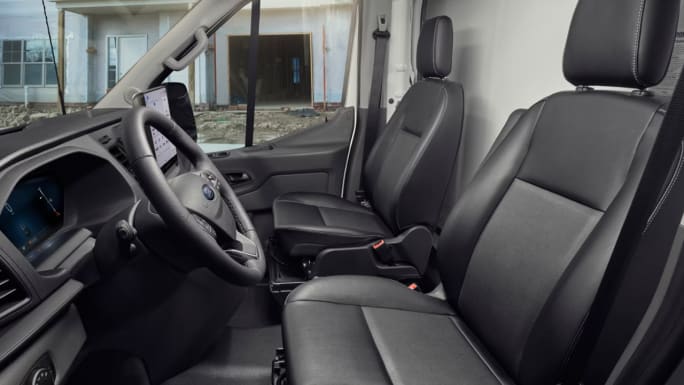
The 2027 Ford Transit carries forward the digital updates introduced for 2026, including an 8-inch multifunction instrument display and standard SYNC 4 with a 12-inch center display.
Ford
2027 Ford Transit Technology Fit for Fleets
The Transit received a substantial digital and connectivity update for 2026, and that technology carries into the 2027 Cargo Van. A digital instrument cluster with an 8-inch multifunction display is standard, along with SYNC 4 and a 12-inch center display.
The Transit also uses a 5G modem to support connected-vehicle functionality. Ford's Connectivity Package can provide Wi-Fi hotspot and other connected services, while Ford Pro Telematics gives fleets access to vehicle information that can support location tracking, maintenance management, utilization monitoring, and other fleet-management functions.
Vehicle Maintenance Monitor is another useful fleet-focused feature, providing information intended to help operators keep track of vehicle service needs.
For fleets already operating Ford vehicles, the connected Transit can also become part of the broader Ford Pro ecosystem rather than operating as a standalone asset.
Ford Co-Pilot360 and Driver Assistance
Ford Co-Pilot360 is standard on the 2027 Transit Cargo Van. Standard and available driver-assistance features can include:
- Pre-Collision Assist with Automatic Emergency Braking.
- Forward Collision Warning.
- Lane-Keeping System.
- Auto High-Beam Headlamps.
- Front and rear parking sensors.
- Rearview camera.
- Blind Spot Information System with Cross-Traffic Alert.
- 360-degree camera.
- Side parking sensors.
- Reverse Brake Assist.
- Adaptive Cruise Control.
Equipment varies by configuration and package. For commercial vans, visibility technology can have particular value because body length, roof height, cargo, shelving, partitions, and upfits can limit what a driver can see around the vehicle.
Ford Security Package
The Ford Security Package is available for the 2027 Transit and adds connected features intended to help fleets protect the vehicle from theft.
Features can include Theft Alerts, Start Inhibit, and Stolen Vehicle Services.
Theft Alerts can notify the user when certain potentially suspicious activity is detected. Start Inhibit can be used to prevent the vehicle from restarting, while Stolen Vehicle Services is intended to assist vehicle recovery in cooperation with law enforcement.
Ford lists one year of the Security Package as included on eligible Transit Cargo Van configurations, with activation required.
For work truck fleets, vehicle theft can involve considerably more than the cost of replacing the van. Tools, equipment, parts, inventory, missed appointments, employee downtime, and the time required to source a replacement vehicle can all add to the loss.
Other 2027 Ford Transit Models
While this Fleet Guide focuses on the gas-powered Cargo Van, the broader 2027 Transit lineup includes Passenger Van XL, Passenger Van XLT, and E-Transit Cargo Van models.
Passenger Van configurations can seat up to 15 people, depending on configuration, and are available with many of the same gas powertrain and drivetrain choices as the Cargo Van.
Ford also offers Transit Chassis Cab and Cutaway configurations for fleets and upfitters that need a commercial chassis as the foundation for a specialized body.
What About the Ford E-Transit?
The E-Transit is Ford's battery-electric version of the Transit Cargo Van and remains available for 2027.
Because its electric powertrain, charging requirements, range, payload considerations, infrastructure needs, and operating profile differ significantly from the gas-powered Transit, Work Truck will cover the E-Transit separately rather than combining its specifications with the gas van in this Fleet Guide.
2027 Ford Transit Pricing Ordering and Availability
The 2027 Ford Transit Cargo Van starts at an MSRP of $48,400. Final pricing varies significantly according to series, body length, roof height, engine, drivetrain, GVWR, packages, fleet equipment, and vocational upfits.
That makes starting MSRP less representative of the final acquisition cost on a Transit than it may be on a less configurable vehicle. Fleets should build pricing around the actual configuration and upfit required for the job.
Pricing, incentives, fleet programs, package availability, and individual configuration pricing can change throughout the model year, so fleets should verify current pricing and order-bank information for the exact vehicle being ordered.
Previous Ford Transit Model Years
As new Transit model years are introduced, Work Truck will retain the most important fleet-relevant information from previous years here. Older model years will be condensed to highlight major changes, capability, powertrain updates, and other information that may still matter to fleets operating or purchasing those vans.
2026 Ford Transit
The 2026 model year brought a significant technology refresh to the fourth-generation Ford Transit.
Updates included a new 8-inch multifunction digital instrument display, standard SYNC 4 with a 12-inch center display, a 5G modem, standard keyless push-button start, Vehicle Maintenance Monitor, expanded Ford Co-Pilot360 equipment, and greater integration with Ford Pro fleet-management and telematics tools.
Ford also expanded fleet-focused capabilities for 2026. Vehicle Integration System 2.0 expanded upfit integration, while other changes included expanded vocational package availability, Close Assist availability on certain Medium and High Roof vans, and Delivery Assist availability for delivery-focused applications.
Ford expanded the Transit configuration lineup and continued to offer the 3.5L PFDi V-6 and 3.5L EcoBoost V-6. Rear-wheel drive remained standard on gas-powered models, with Intelligent AWD available.
The 2026 changes created much of the digital, connected-vehicle, and upfit-integration foundation carried into the 2027 Transit.
Ford Transit Warranty
Ford Transit warranty coverage includes:
Coverage | Term |
|---|---|
Bumper-to-Bumper | 3 years/36,000 miles |
Powertrain | 5 years/60,000 miles |
Safety Restraint System | 5 years/60,000 miles |
Corrosion Perforation | 5 years/unlimited miles |
Roadside Assistance | 5 years/60,000 miles |
Warranty terms can vary by vehicle, component, and application, so fleets should verify current coverage for the exact vehicle being ordered.
Sources and Verification
Information in this guide is compiled from Ford product information, Ford Transit technical specifications and order guides, Ford fleet ordering materials, and Work Truck reporting.
Specifications, equipment, pricing, availability, payload, and towing capability can change during the model year. Published maximums depend on configuration, and fleets should verify specifications for the exact van being ordered.
More Vehicle Insights
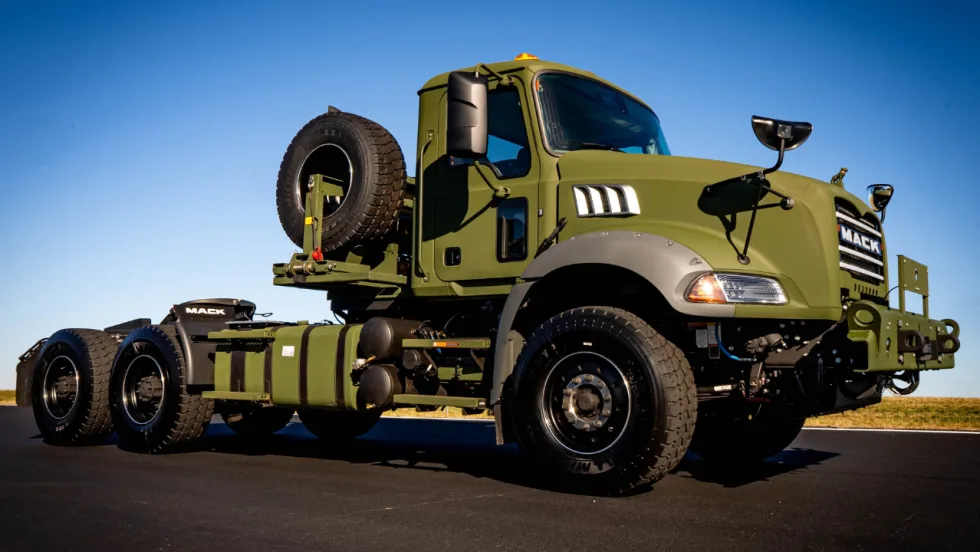
Mack Defense to Spotlight Common Tactical Truck Line Haul Hybrid Tractor During AUSA 2026
Mack Defense was awarded a contract to design, build, and deliver prototype vehicles for the U.S. Army’s Common Tactical Truck (CTT) program. It will show off its line-haul hybrid tractor prototype, based on the Mack Granite, at the 2026 United States Army (AUSA) Annual Meeting and Exposition.
Read More →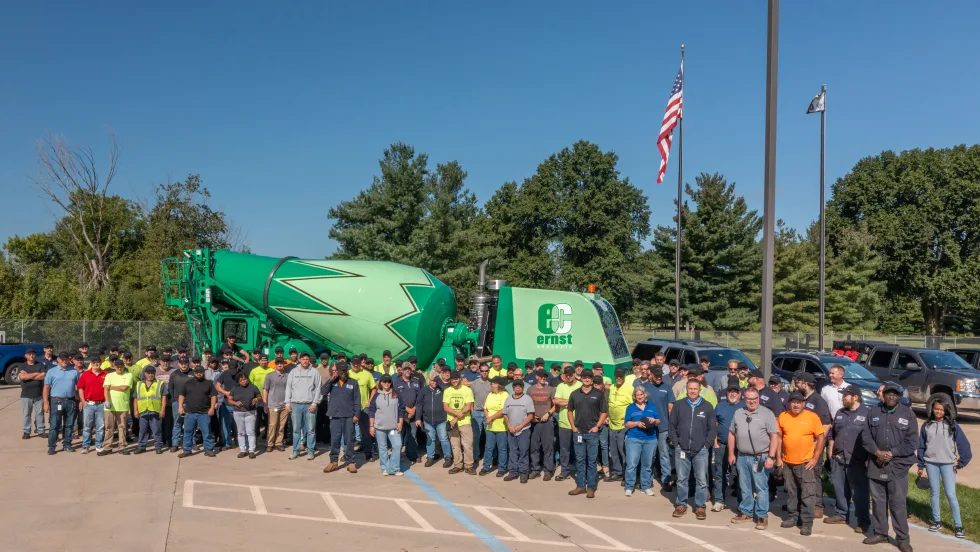
Advance Produces 20,000th Front-Discharge Mixer
Advance celebrated the production of its 20,000th front-discharge mixer, a Commander Series FD4000 mixer. Jack Willard first developed the original Rite-Way Truck in 1964, and then Advance was established in 1972.
Read More →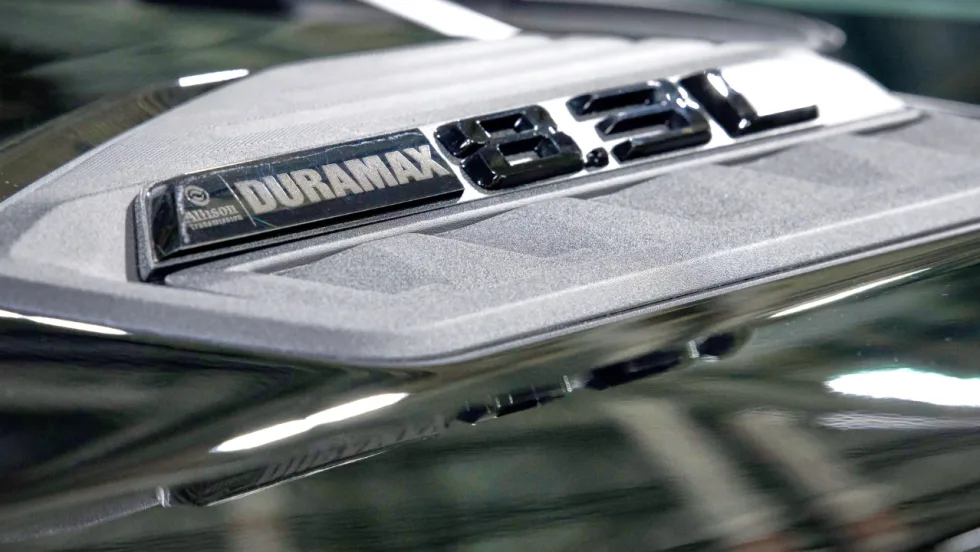
GM Launches Clean Sheet Duramax 8.3L Turbo-Diesel V8 for 2027 HD Pickups
General Motors previewed key updates for its 2027 HD pickup lineup, which will now include a new Duramax 8.3L Turbo-Diesel, electric power steering, and electronic brake boost.
Read More →
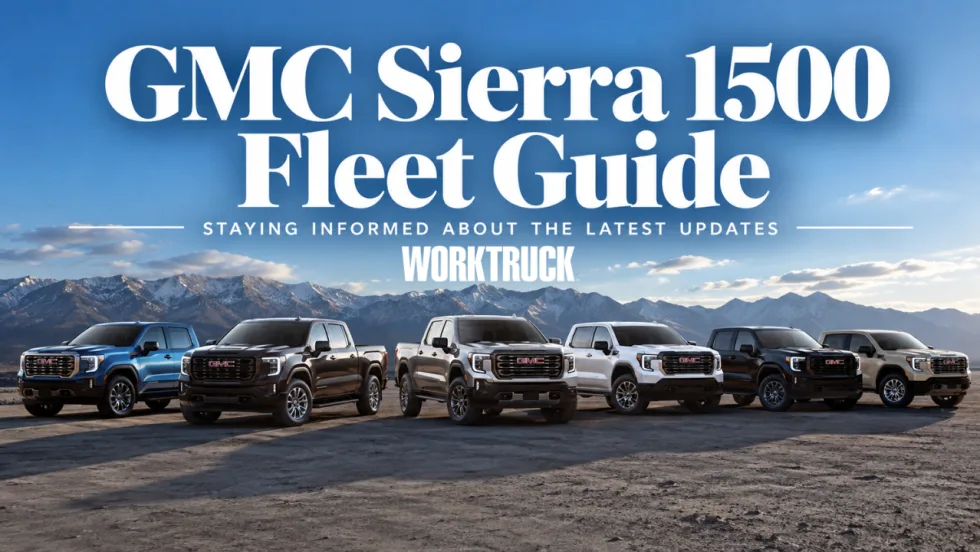
GMC Sierra 1500 Fleet Guide Specs Capability and 2027 Model-Year Updates
The next-generation 2027 GMC Sierra 1500 brings new V-8 engines, more standard safety technology, updated trailering tools, and a work-focused Pro trim. Here’s what fleets need to know.
Read More →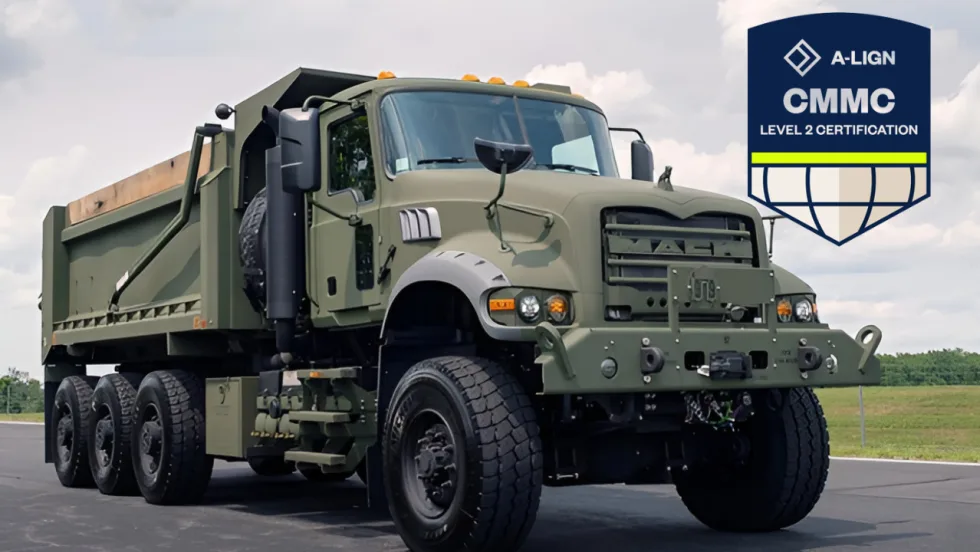
Mack Defense Achieves Cybersecurity Maturity Model Certification Level 2
After an assessment conducted by an authorized Certified Third-Party Assessment Organization (C3PAO), Mack Defense has achieved Cybersecurity Maturity Model Certification (CMMC) Level 2.
Read More →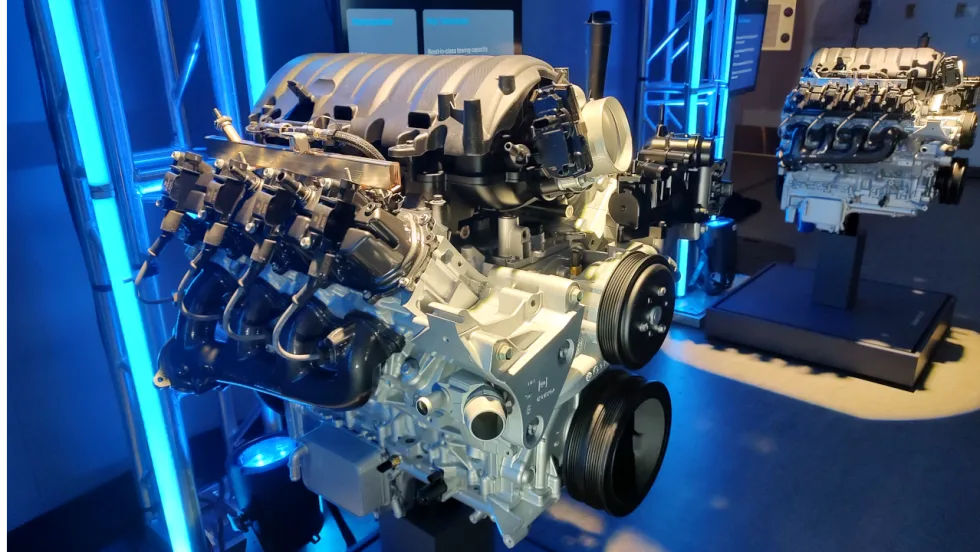
GM Unveils New Sixth-Generation Small Block Engines for 2027 Light-Duty Pickups
General Motors unveiled two new small-block engines, backed by extensive real-world validation and more than 70 years of small-block V8 manufacturing experience, as part of the engine portfolio for the 2027 Chevrolet Silverado 1500 and GMC Sierra 1500.
Read More →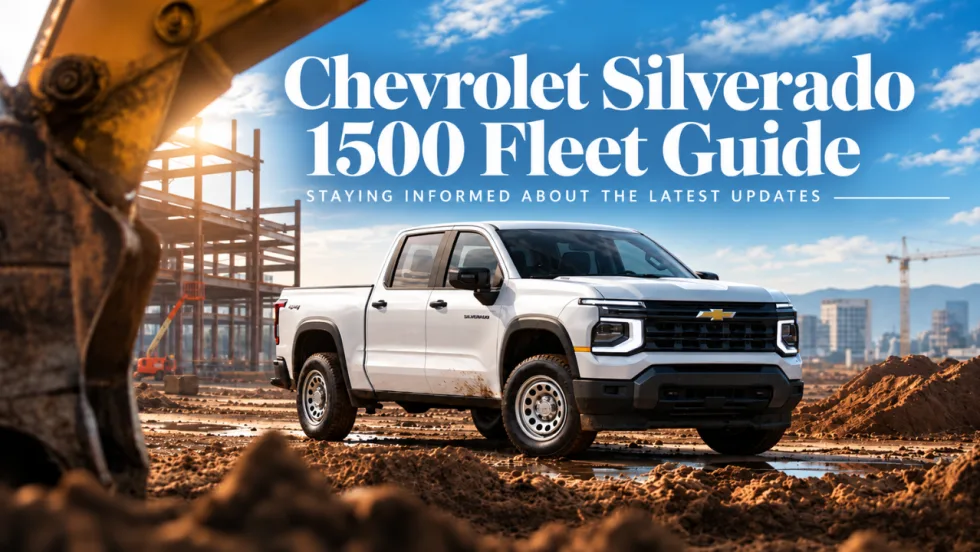
Chevrolet Silverado 1500 Fleet Guide Specs Capability and 2027 Model-Year Updates
The next-generation 2027 Chevrolet Silverado 1500 brings new V-8 engines, updated technology, expanded safety features, and a fleet-focused Work Truck. Here’s what commercial fleets need to know so far.
Read More →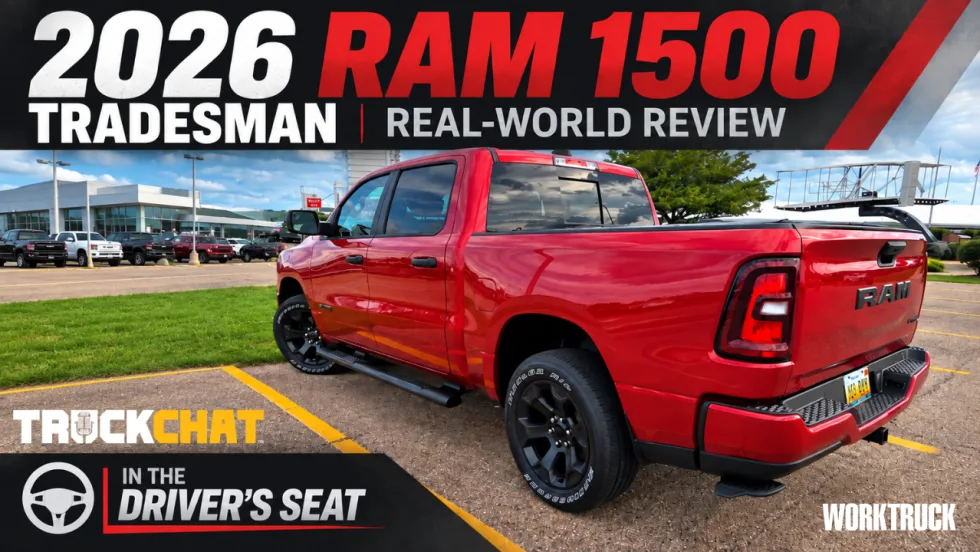
2026 Ram 1500 Tradesman Put to a Real-World Fleet Test
A few days behind the wheel of a 2026 Ram 1500 Tradesman turned into a test of visibility, parking, work-ready features, and even severe-weather driving.
Read More →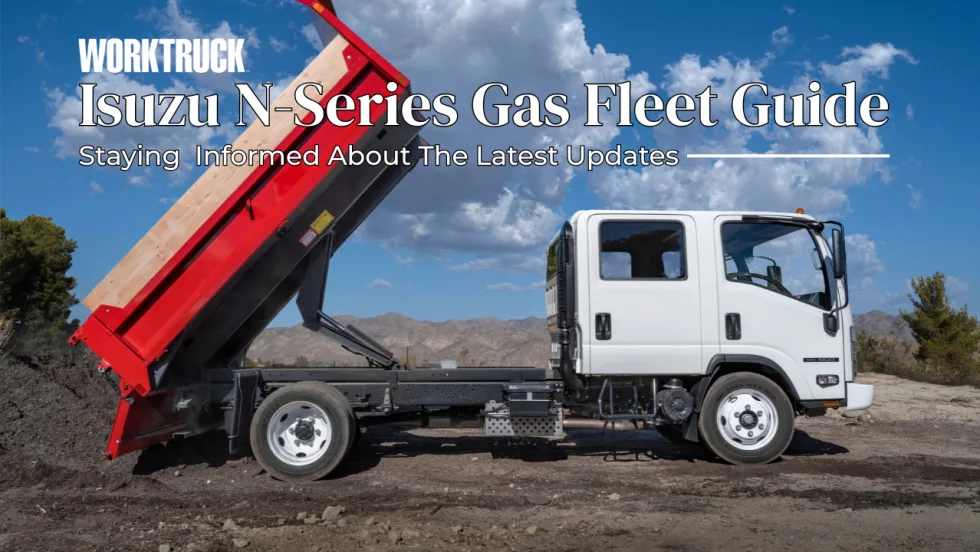
Isuzu N-Series Gas Fleet Guide: Specs, Capability and 2027 Model-Year Updates
Explore Isuzu Truck North America’s N-Series Gas fleet specs, engine performance, GVWR and payload capability, configurations, chassis dimensions, work-focused features, and 2027 model-year information.
Read More →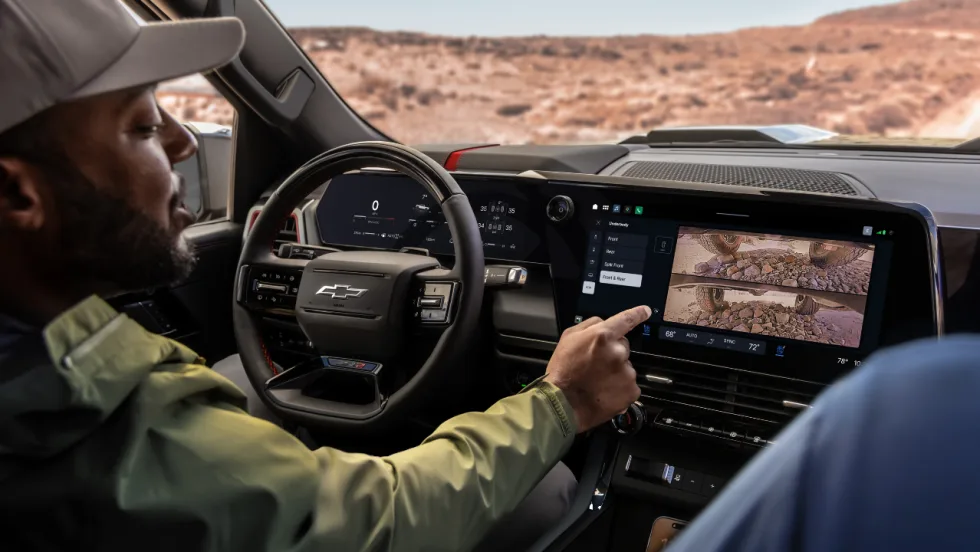
GM Brings New Truck Focused Interface to 2027 Silverado and Sierra
GM's new pickup interface puts trailering data, camera views, vehicle controls, and smartphone integration closer to the driver in the 2027 Silverado and Sierra.
Read More →