




Ford Transit Marks 1.5 Million Units Produced in the U.S.
Ford celebrates 1.5 million Transits built in the U.S. and 60 years globally, marking decades of durability, innovation, and fleet favorite status.
July 17, 2025

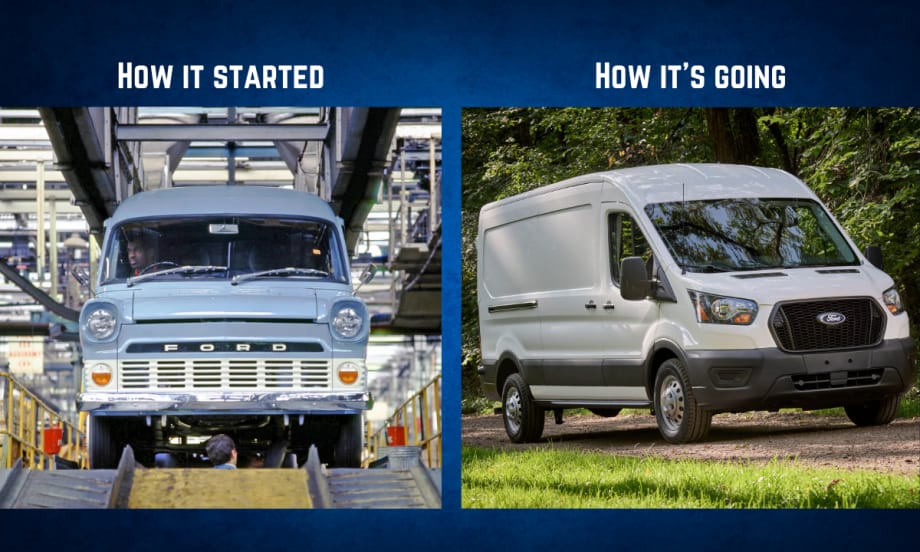
From short-roof work van to today’s high-roof fleet favorite, Transit went from Project Redcap to global bestseller with 60 years of nonstop evolution.
4 min to read
Ford is celebrating a production milestone with the 1.5 millionth Ford Transit rolling off the line at its Kansas City Assembly Plant in Claycomo, Missouri.
Not only does this mark a major moment for Ford’s U.S. operations, but it also highlights just how far Transit has come. In just over a decade since its American debut in 2014, Transit has become the best-selling commercial van in the U.S., earning its stripes as the workhorse of choice for fleets across industries (including back-to-back wins as Work Truck's Commercial Van of the Year).
According to Ford, an impressive 99% of the Transits sold since that U.S. launch are still on the road today.
60 Years of Transit, 13 Million Vans Strong
This latest production milestone comes during a year of celebration for the Transit brand globally. Ford is marking 60 years of Transit in Europe, with the world’s best-selling cargo van surpassing 13 million units produced since its original launch in the UK in 1965.
Transit didn’t start as the commercial powerhouse we know today. It was originally developed under the code name “Project Redcap,” and almost ended up being called the “V-Series.” Thankfully, Transit stuck, and the first model rolled off the line in England on August 9, 1965, starting a van revolution.
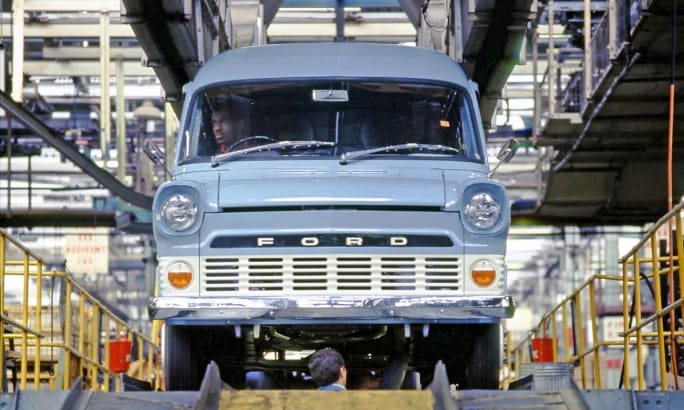
Meet the van that started it all. The first Transit rolled off the line in 1965, launching a commercial van icon that would hit over 13 million units worldwide.
From Gasoline to E-Transit, Built for All Jobs
Transit isn’t just about big numbers. It’s about evolving to meet the changing needs of commercial fleets. In the U.S., Transit redefined fleet ergonomics by introducing multiple roof height options, including the game-changing high-roof model that gave trade professionals the ability to actually stand up and work inside their vans.
Fast forward to today, and Ford Transit has expanded even further. Options now include low-, medium-, and high-roof models; cargo, passenger, cutaway, and chassis cab versions; and powertrains ranging from traditional gasoline to the all-electric E-Transit.
E-Transit launched in the U.S. in 2022, becoming America’s bestselling electric commercial van. The latest updates for the 2024 model year brought an extended range of up to 159 miles on certain low-roof versions (up 26% from prior models) offering fleets more flexibility for those longer routes or specialized applications like refrigerated delivery.
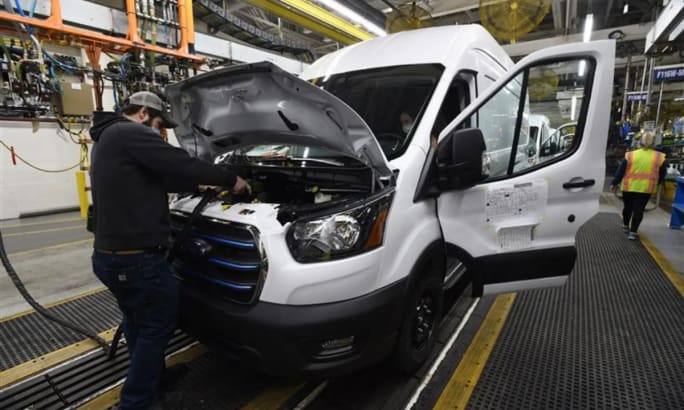
From gas to electric, Transit keeps rolling. The Kansas City Assembly Plant just crossed 1.5 million Transits built since 2014, including America’s best-selling electric van.
Shaping Fleets, Upfits, and Even Railcars
Transit’s impact goes beyond just the vans themselves. The arrival of Transit in the U.S. shook up the upfitting world. To meet demand, upfitters set up shop right next to Ford’s Kansas City plant. With Ford’s ship-thru capabilities, fleets can order a Transit, have it upfitted nearby, and get it delivered all through one streamlined process.
Transit even pushed the transportation world to adapt. Ford worked with rail companies to develop specialized railcars with moving floors to accommodate the taller vans dedicated exclusively for Ford, no other OEM allowed.
The changes didn’t stop there. Transit influenced how fleets structure their businesses, allowing for more onsite work with high-roof models or easier access to city environments with low-roof options.
A Legacy of Toughness and Versatility
Transit’s reputation for toughness isn’t just a tagline. There are wild stories to back it up, like a Transit buried under 16 feet of snow in Spain for six months that fired up like nothing happened. Or race car driver Sabine Schmitz taking a Transit around Germany’s Nürburgring in just over 10 minutes on BBC’s Top Gear.
With a 54% share in utility services, 47% in food distribution, and 40% in construction, Transit isn’t just a leader, it dominates key commercial segments. Ford’s focus on fleet customers continues with tools like Ford Pro’s E-Switch software and 3,100 Mobile Service units providing on-the-go repairs.
A Look Ahead
From the first Transit in 1965 to today’s 1.5 millionth U.S.-produced van, Transit has become more than a vehicle, it’s a business tool that’s evolved alongside its customers. And with innovations in electrification, digital fleet management, and mobile service, the journey is far from over.
As Ray Eyles, long-time chief program engineer for the Ford Transit U.S. (now retired), once told Work Truck: “Upfitters and customers don’t want a vehicle to be continuously changing. It’s not a fashion-driven segment where people are buying the appearance. They want a functional commercial vehicle that’s stable. They want us to evolve the powertrain, vehicle technologies, and improve the vehicle's versatility to get work done so they can be productive and reduce their total cost of ownership,” Eyles explained.
And that's exactly what the Ford Transit provides.
More Vehicle Research
2026 Ram 1500 Tradesman Put to a Real-World Fleet Test
A few days behind the wheel of a 2026 Ram 1500 Tradesman turned into a test of visibility, parking, work-ready features, and even severe-weather driving.
Read More →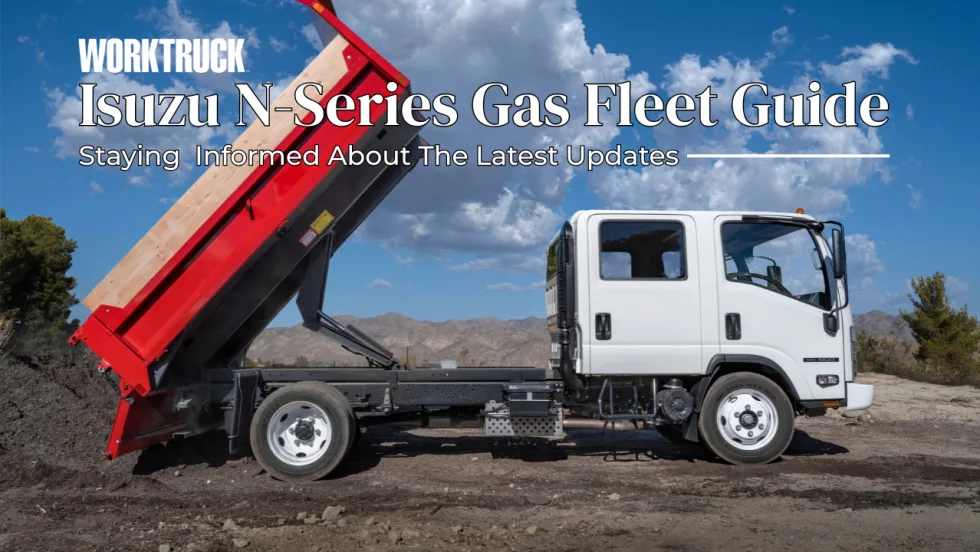
Isuzu N-Series Gas Fleet Guide: Specs, Capability and 2027 Model-Year Updates
Explore Isuzu Truck North America’s N-Series Gas fleet specs, engine performance, GVWR and payload capability, configurations, chassis dimensions, work-focused features, and 2027 model-year information.
Read More →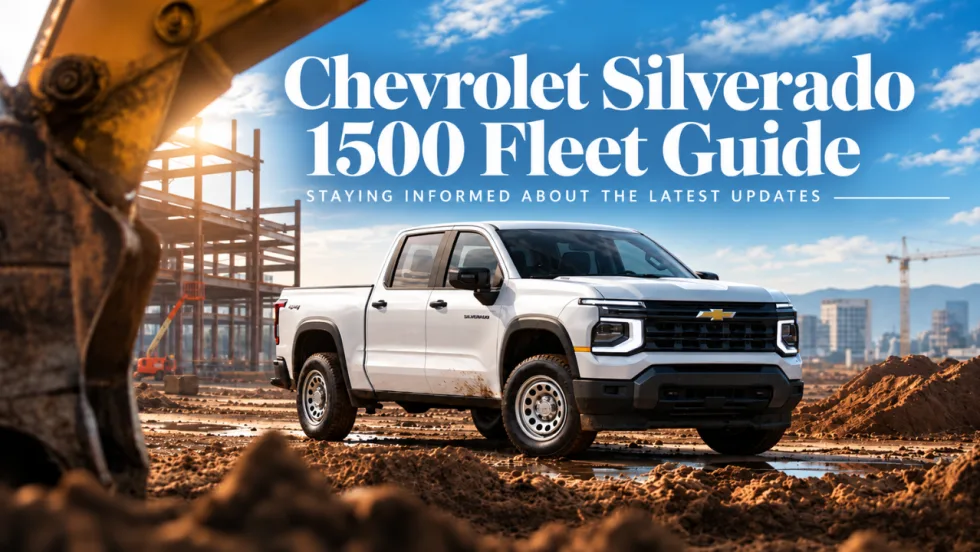
Chevrolet Silverado 1500 Fleet Guide Specs Capability and 2027 Model-Year Updates
The next-generation 2027 Chevrolet Silverado 1500 brings new V-8 engines, updated technology, expanded safety features, and a fleet-focused Work Truck. Here’s what commercial fleets need to know so far.
Read More →
Ram ProMaster City Fleet Guide Specs Cargo Capacity and 2027 Updates
Work Truck’s Ram ProMaster City Fleet Guide tracks the latest specifications, cargo capability, configurations, fleet technology, pricing, and model-year updates for Ram’s mid-size commercial van.
Read More →
Ford F-150 Fleet Guide Specs Capability and 2026 Model-Year Updates
Explore 2026 Ford F-150 fleet specs, engines, towing and payload capability, configurations, work features, technology, and model-year updates.
Read More →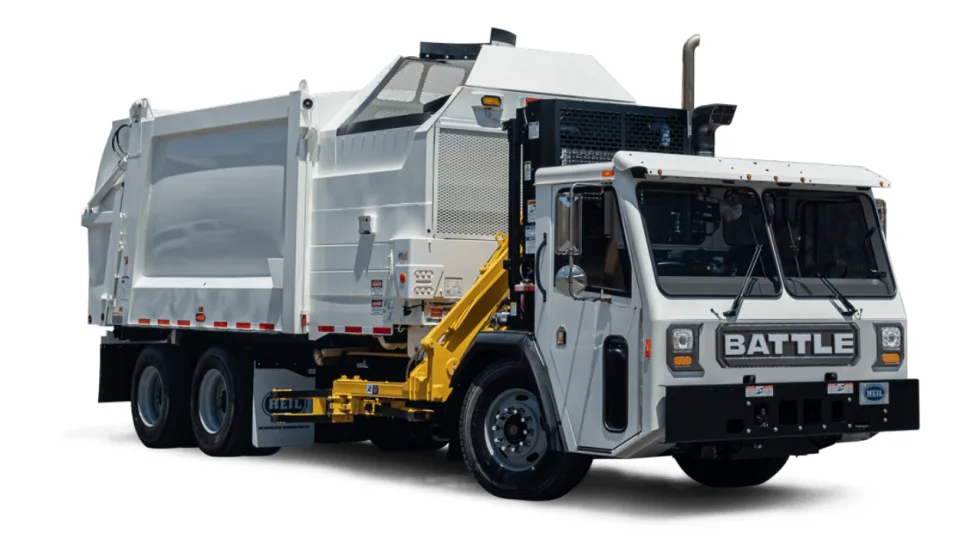
TCI Now Sells & Supports Battle Motors’ Vocational Trucks
Midwest truck dealer Truck Centers, Inc. (TCI) has expanded its transportation solutions with sales and service support for Battle Motors’ heavy-duty vocational trucks at locations in locations in Indiana, Illinois, and Missouri
Read More →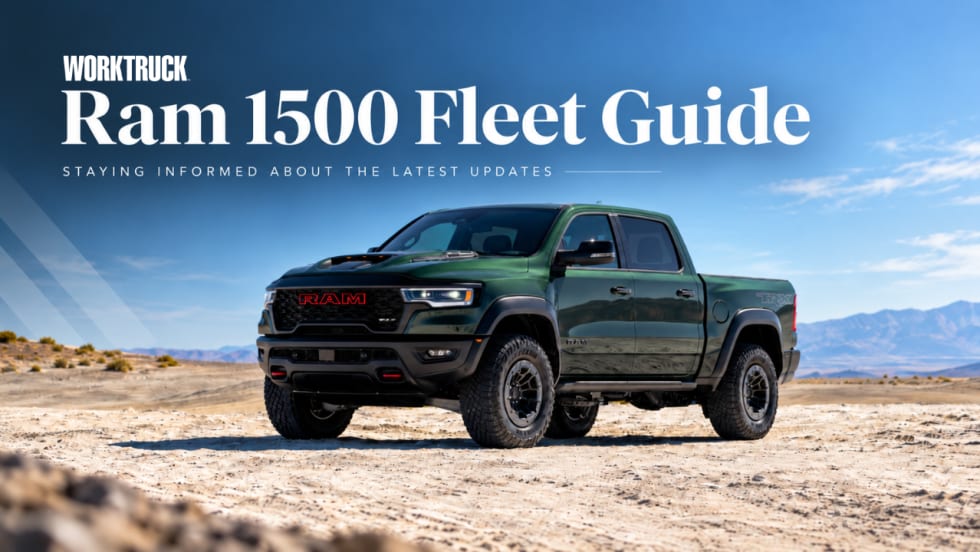
Ram 1500 Fleet Guide Specs, Capability and 2027 Model-Year Updates
Explore always up-to-date Ram 1500 fleet specs, engines, towing and payload capability, configurations, technology, pricing updates, and model-year changes.
Read More →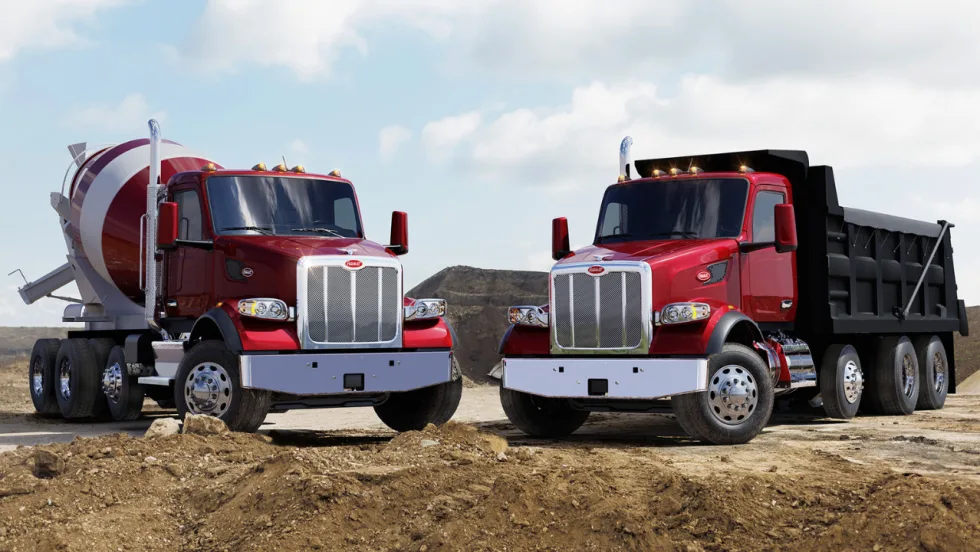
Peterbilt Trucks Equipped with Paccar TX-18 Pro Boost Efficiency for Maryland Fleet
Patuxent Companies is replacing aging trucks with the Peterbilt Model 567 and Model 589, specified with the Paccar TX-18 Pro 18-speed automated transmissions, and is reporting an 8% to 10% improvement in fuel economy.
Read More →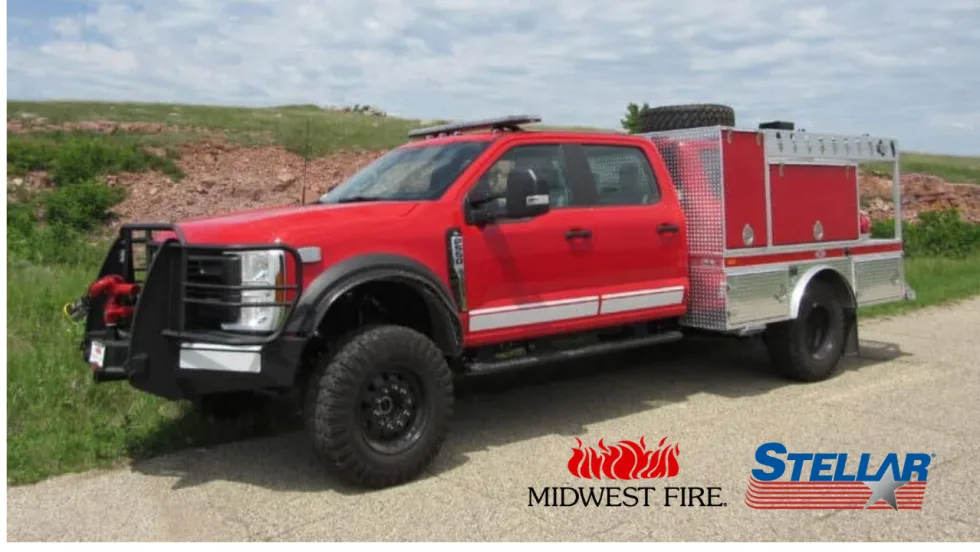
Stellar Expands into Fire Apparatus Market with Acquisition of Midwest Fire
Stellar Industries has acquired Midwest Fire, a custom fire apparatus manufacturer headquartered in Luverne, Minnesota, with nearly four decades of specialized apparatus experience.
Read More →
Recalls You Need to Know About in August 2026
If you have Altec, Chrysler, Ford, Heil, General Motors, International, Mack Trucks, Paccar, Rivian, Royal Truck, Toyota, US Truck Body, or Volvo Trucks vehicles in your fleet, you should check these important recalls issued by the National Highway Safety Administration.
Read More →