




Ford Transit Delivers Two Years Straight as Top Commercial Van
The Ford Transit is named Work Truck’s 2025 Commercial Van of the Year, marking back-to-back wins with strong support from fleet managers nationwide.
May 13, 2025

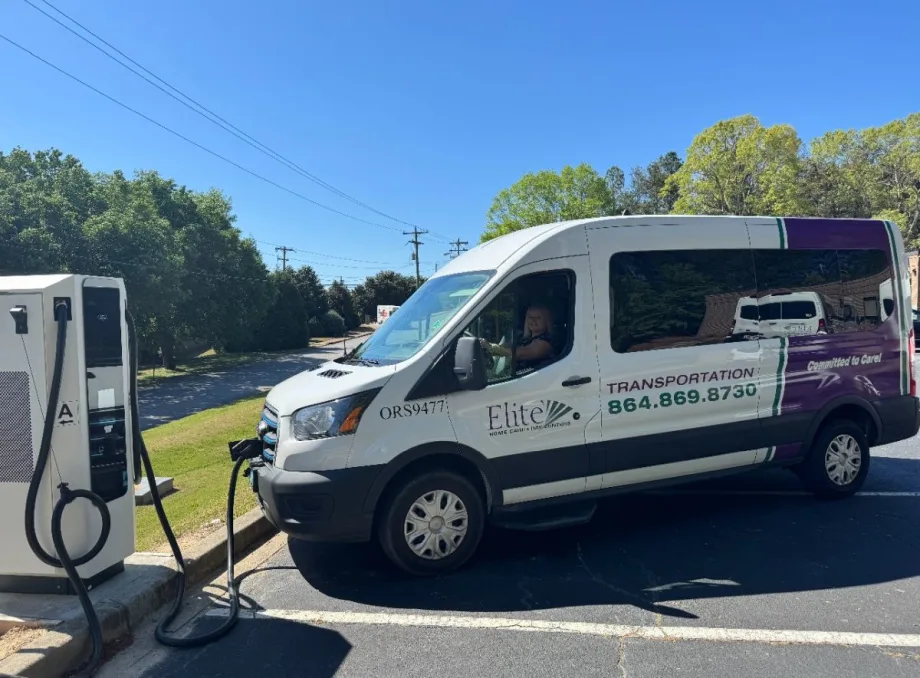
Elite Home Care’s shift to the electric Transit has led to reduced fuel and maintenance costs — and even helped attract new driver applicants.
Photo: Ford
5 min to read
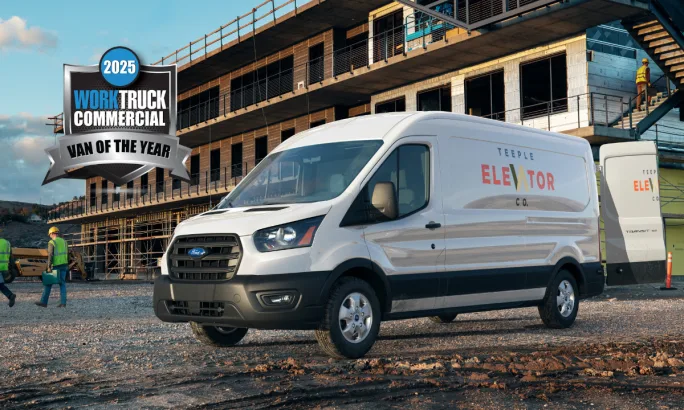
The Ford Transit celebrates its second consecutive win as Work Truck magazine’s Commercial Van of the Year, earning top votes from fleet professionals nationwide.
Photo: Ford | Work Truck
Ford Transit has been named Work Truck magazine’s Commercial Van of the Year for the second year in a row, winning top votes from fleet managers across the country.
Officially announced at Work Truck Week 2025, voters cited the van’s versatility, durability, low total cost of ownership, and ongoing evolution to meet real-world fleet needs as key reasons it came out on top once again.
How Ford Keeps the Transit Working Harder for Fleets
Sean Masson, Transit Brand Manager for Ford Pro, has worked closely with commercial customers, helping them understand Transit’s strengths and hearing firsthand what fleets need. He said what continues to set the Transit apart is simple and powerful.
“It’s versatile, durable, and we continue to evolve,” Masson explained. “Yes, it’s a tool for doing work, but that tool has to change with us too. Continuing to stay on top, having partnerships and customers who not only buy our vehicles but trust us with their telematics information to provide them better service — we have better understanding of how they’re using their fleet.”
That focus on real-world use has helped Ford refine the Transit without overcomplicating the platform. And make it even more of a tool for the trades with its electric option.
“When you look at evolving e-Transit and launching the electric variant, we kept it as similar and close to its gas counterpart,” Masson added. “We didn’t make major changes, just tweaked it to make it a different use case, to apply to a different audience.”
Since 2014, Ford has built more than 1.2 million Transits in America, and according to Masson, “99% of them are still on the road today.” For many fleet managers, that durability is not just a selling point, it’s essential to business operations.
Fleet Perspective: Real-World Success in Action
Chris Russo, co-founder of Elite Home Care, sees the impact of the Ford Transit every day. His company operates a large transportation network providing door-to-door rides for elderly and disabled individuals heading to adult day centers, medical appointments, and other critical services.
“When we first heard about the electric version of a Transit, it felt like it was created especially for our business,” Russo said.
Elite Home Care needed a vehicle that could safely and comfortably transport small groups — often fewer than eight people, including ambulatory and wheelchair passengers. The Ford Transit checked all the boxes.
“For our business, typically we’re going to move a small group of people, sometimes just one person,” Russo explained. “Sometimes they’re in a wheelchair. The Transit allowed us to carry both ambulatory people as well as those possibly in a wheelchair. It’s the right size — big enough to do what we need but not oversized, so it's still easy to drive every day.”
Electric Transit: Real Savings Beyond Fuel
Switching from traditional gasoline-powered vans to the e-Transit made financial sense for Elite Home Care.
“It saved us a ton of money on fuel,” Russo said. “But the bigger savings were in maintenance and downtime. With a traditional ICE vehicle, you have oil changes, transmission issues, drivetrain problems, and a lot more moving parts. With the e-Transit, for the most part, you plug it in at night, and it’s ready to go the next morning.”
That reliability means fewer canceled rides, fewer missed appointments, and better service for passengers who depend on transportation for critical medical care.
Russo also pointed out an often-overlooked benefit: no catalytic converters.
“If you have a fleet of ICE vehicles sitting outside, that’s a buffet for thieves looking to steal catalytic converters,” he said. “With the e-Transit, we don’t have that problem, and our vehicles stay on the road.”
Total Cost of Ownership: A Bigger Picture
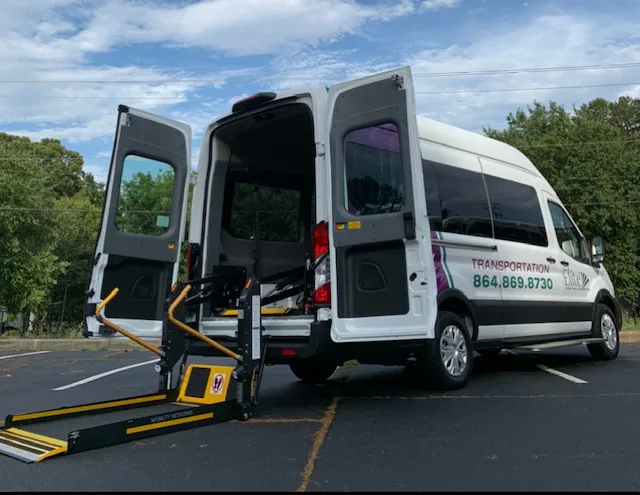
Elite Home Care’s fleet of Ford Transits helps safely transport seniors and people with disabilities to essential services across its network.
Photo: Ford
Although electric vehicles can have higher upfront purchase costs, Russo said the overall savings have made it more worthwhile for his business.
“Although these vehicles have an upfront cost to acquire, our overall savings have justified it,” he explained.
And Ford Pro’s support made a big difference. Russo noted that Ford Pro helped his team find available government and utility incentives and helped set up charging infrastructure, often one of the biggest hurdles for businesses moving to EVs.
“They already did a lot of the legwork,” Russo said. “We started with Level 2 chargers, and as we grew, Ford helped us source Level 3 chargers for faster midday charging. They helped develop the infrastructure, work with utilities, and source the equipment. It took a lot of the stress off us.”
An Unexpected Hiring Advantage
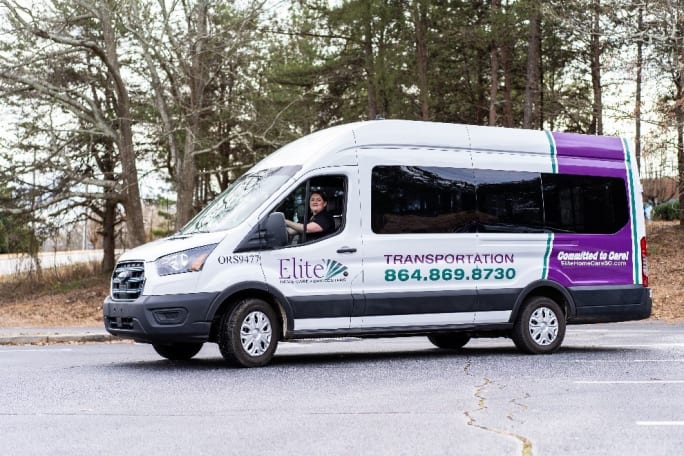
Equipped for both ambulatory and wheelchair passengers, the Ford Transit offers Elite Home Care the flexibility and comfort their riders count on.
Photo: Ford
One unexpected outcome of adding the e-Transit to the fleet was increased job applicants.
“We were getting applications sent to us because people were seeing these vehicles on the road and wanted to ask questions about them,” Russo shared. “They saw it as the company investing in their drivers. That’s their office for the day, and they appreciated being in the newest, cleanest, safest equipment.”
Russo noted that the newer drivers were also more efficient. Planning their routes better, avoiding unnecessary stops, and being more mindful of charging times all contributed to a tighter, more reliable transportation schedule.
Fleet Partnerships Built on Trust
For Masson, hearing about real-world customer success stories like Russo’s is part of what makes winning Commercial Van of the Year so meaningful.
“It takes a village,” Masson said. “It’s not just me; it’s not just the team. It’s the entire Ford Pro and Ford Motor Company organization. It’s an honor for us to have that distinction, and it reflects the trust our customers place in us.”
Masson pointed out that Transit has become more than just a van for many businesses.
“It’s more than just a product,” he said. “For some, it’s a place to live. It’s their home. It’s a mobile office. It’s a tool. I can’t give you a screwdriver when you need a saw, and I can’t give you a hammer when you need a wrench. But we offer that entire toolbox under one roof.”
Looking Ahead
As fleet needs continue to change, Ford Pro remains focused on adapting the Transit platform to meet those demands without losing sight of the foundation that made it successful — durability, dependability, and strong customer partnerships.
At Elite Home Care, Russo said the Transit continues to meet and exceed expectations.
“If we can have a vehicle that’s better for our business, better for the environment, and a better experience for our drivers and passengers, it just makes sense,” he said.
Between strong fleet support, customer-centered design, and proven longevity on the road, it’s clear why the Ford Transit continues to earn top marks among commercial van users and why it’s secured its second Commercial Van of the Year award from Work Truck readers.
Subscribe to Our Newsletter
More Vehicle Insights
Morgan Olson Launches North America’s Longest Working Step Van Challenge
Morgan Olson has launched North America’s Longest Working Step Van Challenge, a new customer campaign to find the longest-working qualifying Morgan Olson or Grumman step van actively delivering packages for an independent service provider contracted by FedEx.
Read More →
Ford Transit Fleet Guide Specs Capability and 2027 Model-Year Updates
Explore 2027 Ford Transit fleet specs, engines, payload and towing capability, cargo configurations, work features, technology, and model-year updates.
Read More →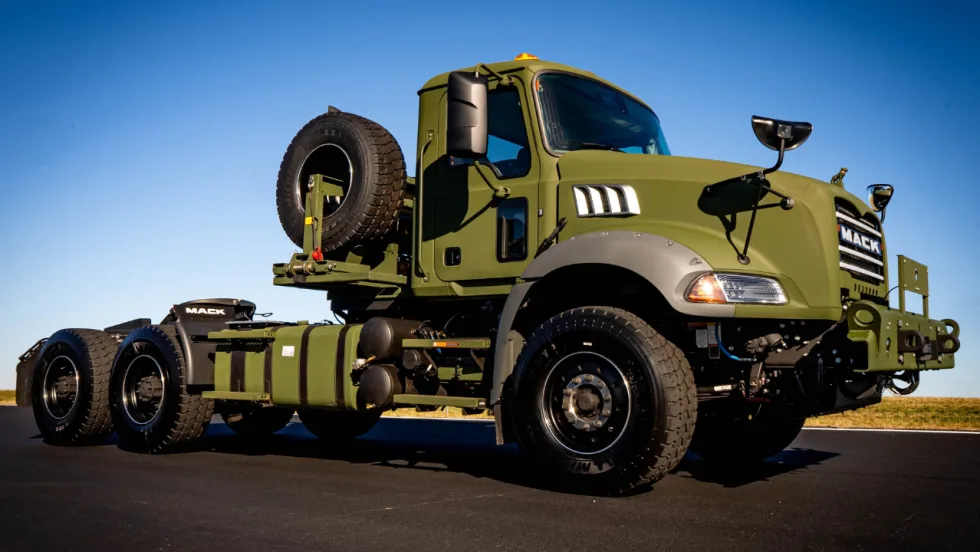
Mack Defense to Spotlight Common Tactical Truck Line Haul Hybrid Tractor During AUSA 2026
Mack Defense was awarded a contract to design, build, and deliver prototype vehicles for the U.S. Army’s Common Tactical Truck (CTT) program. It will show off its line-haul hybrid tractor prototype, based on the Mack Granite, at the 2026 United States Army (AUSA) Annual Meeting and Exposition.
Read More →
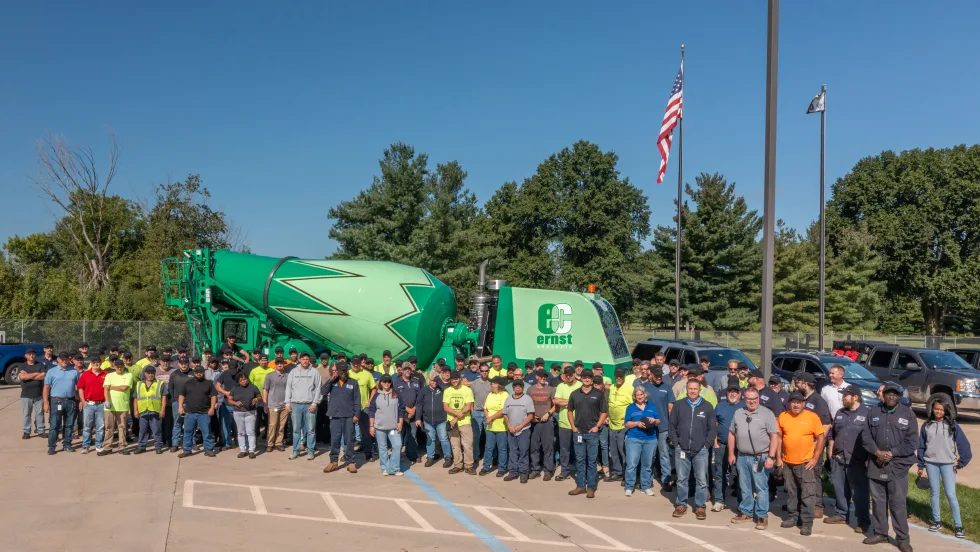
Advance Produces 20,000th Front-Discharge Mixer
Advance celebrated the production of its 20,000th front-discharge mixer, a Commander Series FD4000 mixer. Jack Willard first developed the original Rite-Way Truck in 1964, and then Advance was established in 1972.
Read More →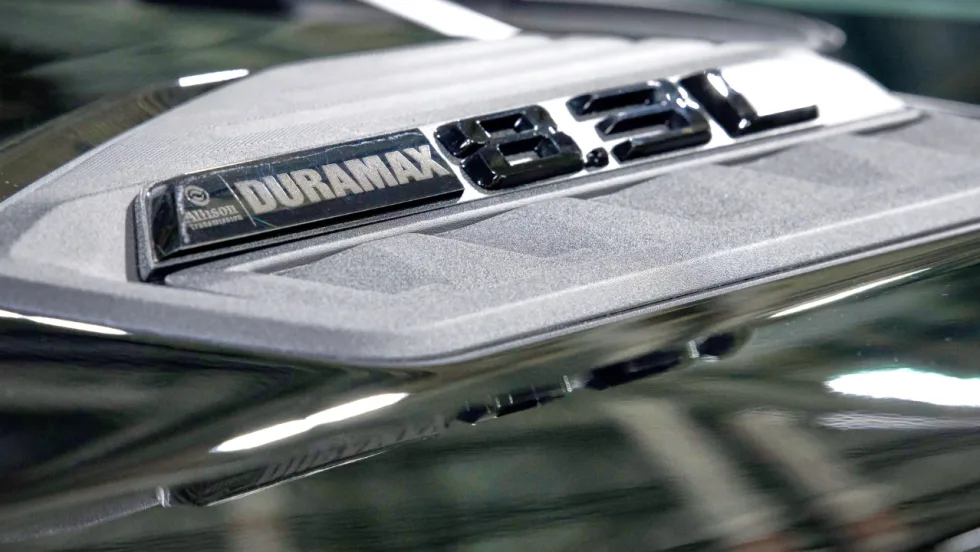
GM Launches Clean Sheet Duramax 8.3L Turbo-Diesel V8 for 2027 HD Pickups
General Motors previewed key updates for its 2027 HD pickup lineup, which will now include a new Duramax 8.3L Turbo-Diesel, electric power steering, and electronic brake boost.
Read More →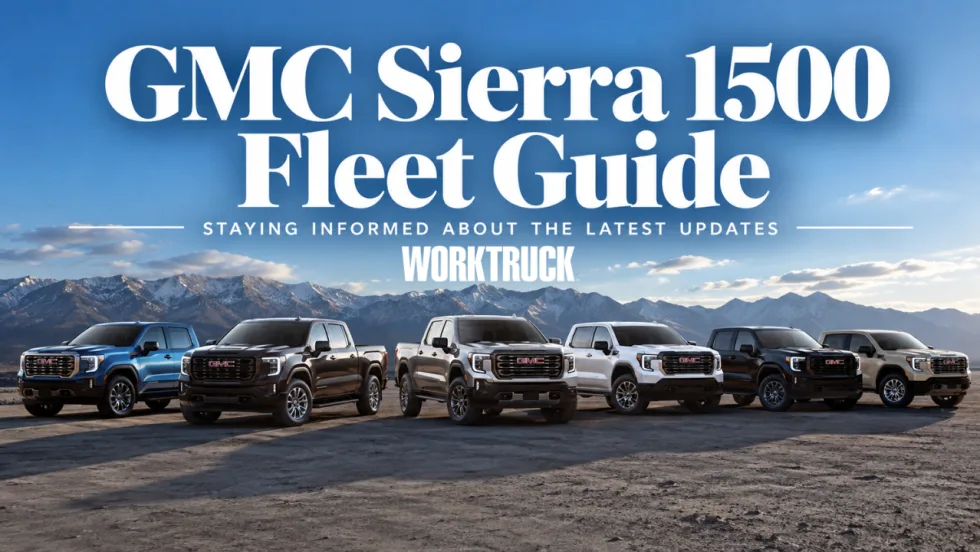
GMC Sierra 1500 Fleet Guide Specs Capability and 2027 Model-Year Updates
The next-generation 2027 GMC Sierra 1500 brings new V-8 engines, more standard safety technology, updated trailering tools, and a work-focused Pro trim. Here’s what fleets need to know.
Read More →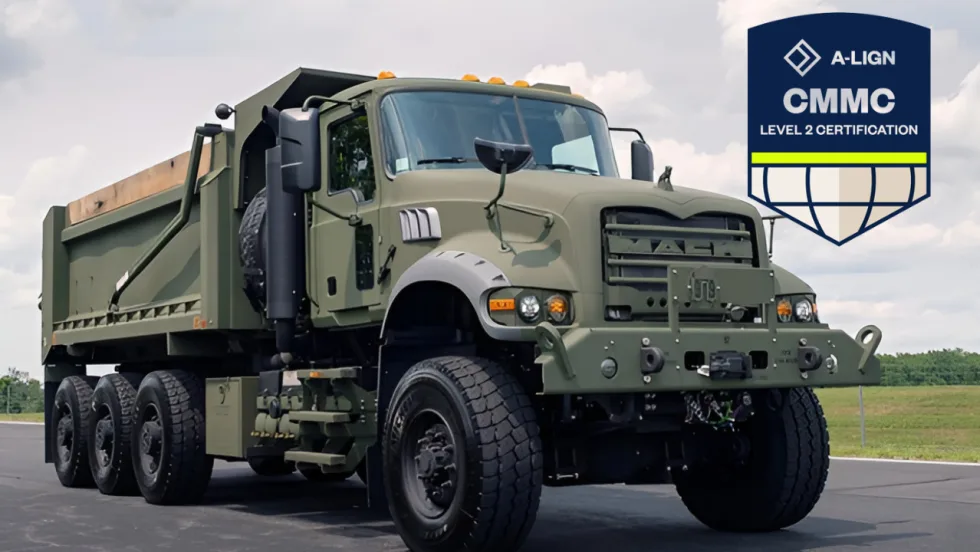
Mack Defense Achieves Cybersecurity Maturity Model Certification Level 2
After an assessment conducted by an authorized Certified Third-Party Assessment Organization (C3PAO), Mack Defense has achieved Cybersecurity Maturity Model Certification (CMMC) Level 2.
Read More →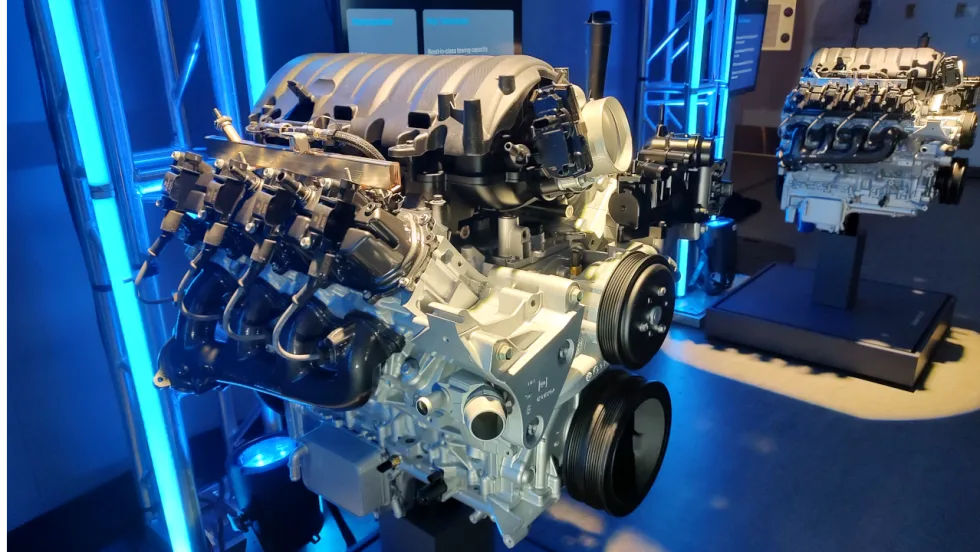
GM Unveils New Sixth-Generation Small Block Engines for 2027 Light-Duty Pickups
General Motors unveiled two new small-block engines, backed by extensive real-world validation and more than 70 years of small-block V8 manufacturing experience, as part of the engine portfolio for the 2027 Chevrolet Silverado 1500 and GMC Sierra 1500.
Read More →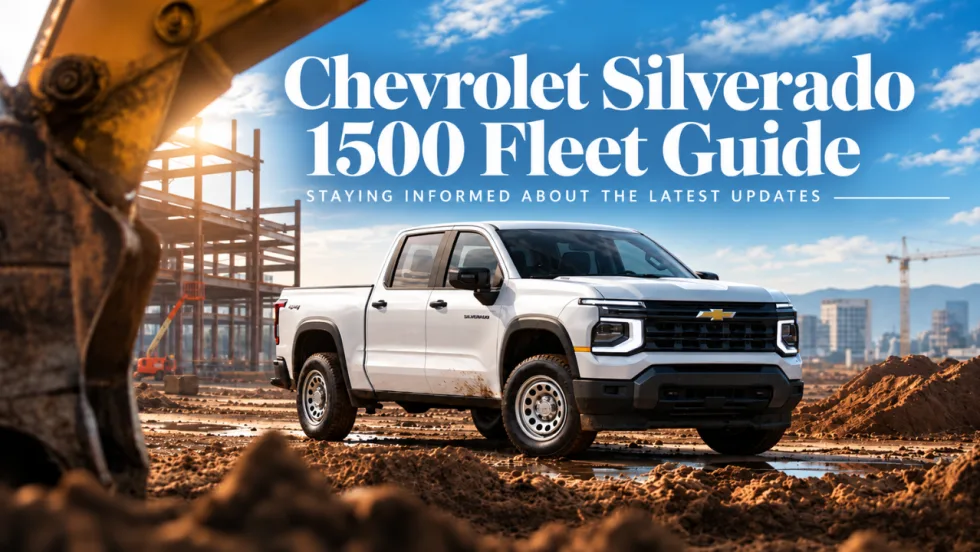
Chevrolet Silverado 1500 Fleet Guide Specs Capability and 2027 Model-Year Updates
The next-generation 2027 Chevrolet Silverado 1500 brings new V-8 engines, updated technology, expanded safety features, and a fleet-focused Work Truck. Here’s what commercial fleets need to know so far.
Read More →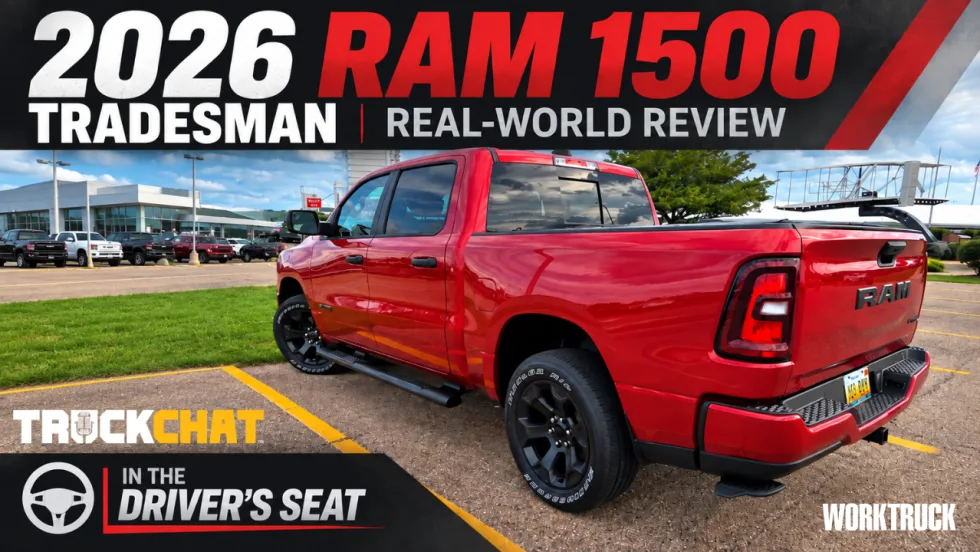
2026 Ram 1500 Tradesman Put to a Real-World Fleet Test
A few days behind the wheel of a 2026 Ram 1500 Tradesman turned into a test of visibility, parking, work-ready features, and even severe-weather driving.
Read More →