





Read More: Ford Joins BlackRock, Google, and Carhartt to Establish Alliance for America’s Skilled Trades
Ford Fathom Production Takes Shape at Louisville Assembly Plant
Ford is rebuilding Louisville Assembly Plant around an entirely new EV manufacturing process. Here’s how the Universal EV Production System will change the way the Ford Fathom midsize electric truck comes together.
August 13, 2026
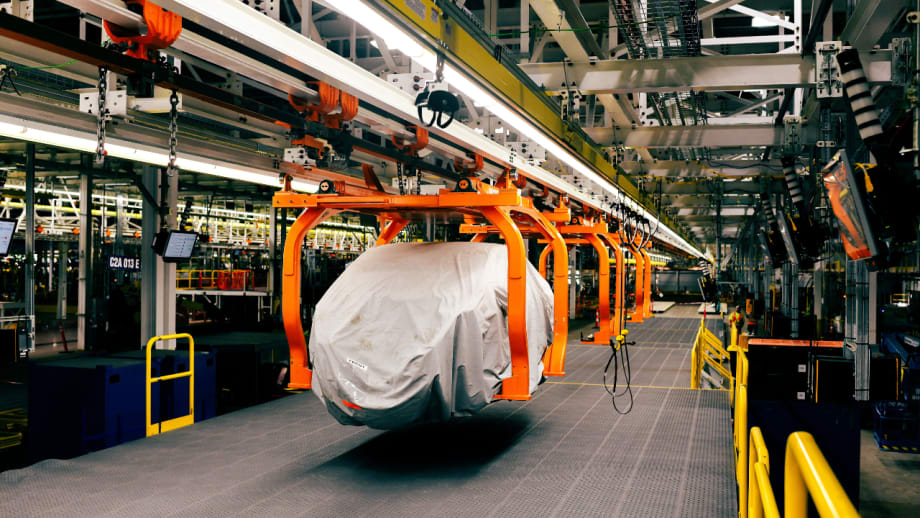
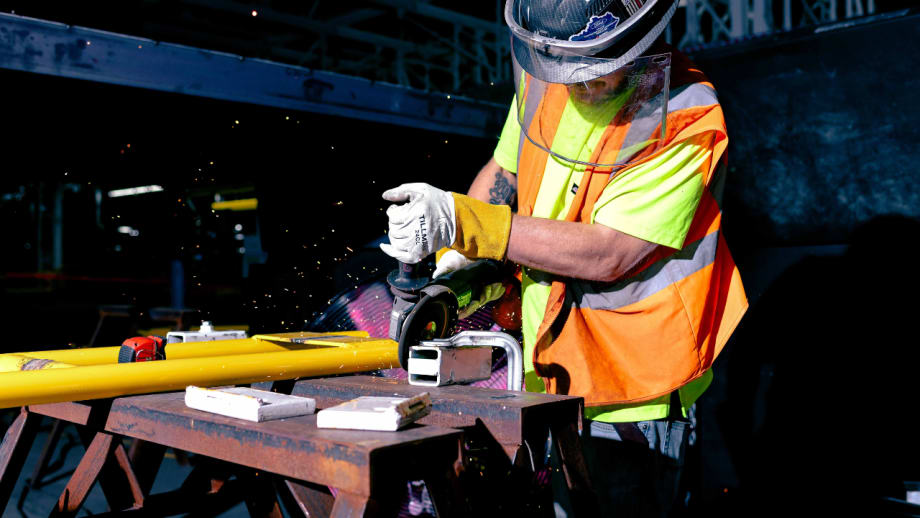
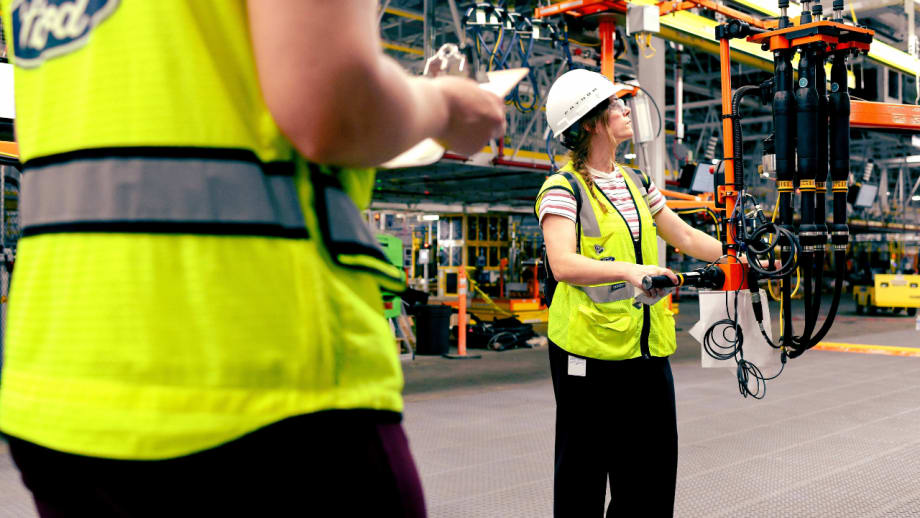
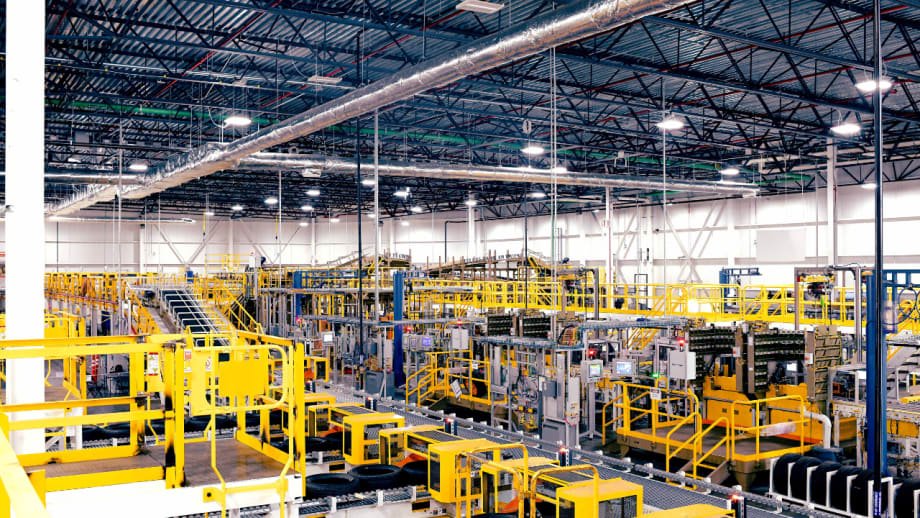
Ford’s new production system replaces the traditional linear assembly process with an “assembly tree,” allowing major sections of the Fathom to be built in parallel before coming together later in production.
Credit:
Ford Pro
1/4
4 min to read
Ford’s Louisville Assembly Plant is taking shape around an entirely new way of building electric vehicles as the automaker prepares to produce the Ford Fathom midsize electric truck in 2027.
The 3-million-square-foot Kentucky plant is undergoing a $2 billion overhaul to transition from producing gas-powered vehicles to supporting Ford’s Universal EV Production System, or UEV Production System. Ford said teams remain on track to begin Fathom prototype builds using production-qualified parts in the first quarter of 2027, with customer vehicles following later in the year.
The Fathom will be the first vehicle produced on Ford’s Universal EV platform.
Ford’s broader $5 billion investment, which includes Louisville Assembly Plant and BlueOval Battery Park Michigan, is expected to create 4,000 jobs and has helped fund new equipment designed specifically for the UEV Production System.
Rebuilding Louisville Around a New Assembly Process
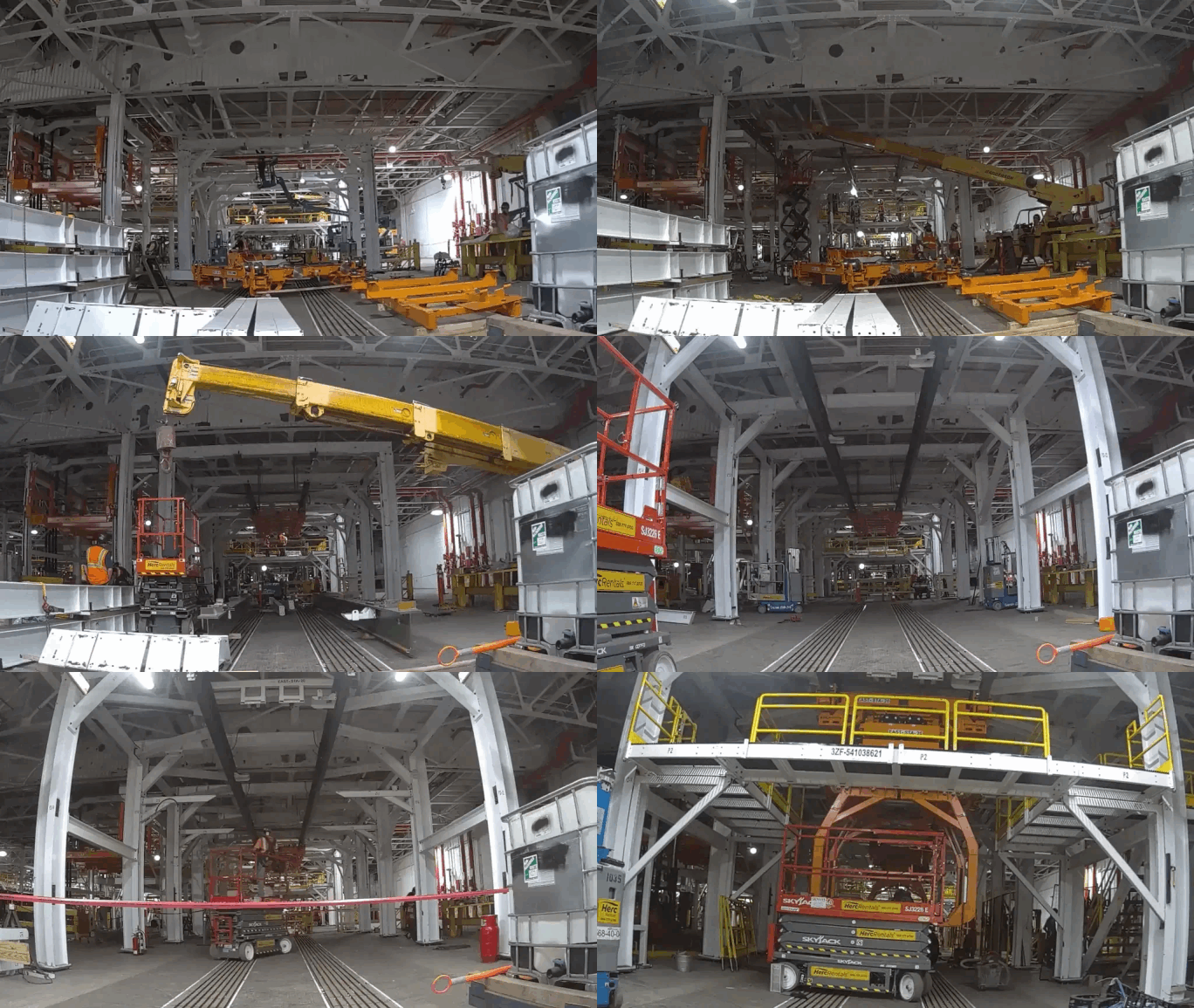
Preparing Louisville Assembly Plant for the Fathom required Ford to essentially strip the facility down to its shell.
During demolition, crews removed nearly 25,000 gross tons of scrap metal, enough to fill 2,618 truckloads for recycling. By February 2026, much of the plant’s existing production equipment had been cleared away.
“If you stood in the middle of the factory floor, you could see all four walls,” said Brian McGauley, Louisville Assembly Plant manager.
Crews have since poured approximately 230,000 square feet of concrete to support new final assembly equipment and used nearly 700 miles of welding wire to stabilize the plant’s new overhead truss system.
Ford has also expanded the plant’s digital infrastructure. Wi-Fi coverage density has nearly tripled, increasing from 385 access points to 1,080 to support the high-bandwidth, low-latency connectivity required by the new production system.
Inside the plant, the UEV Production System now includes approximately 17,000 feet of conveyor in final assembly, which Ford said would stretch the equivalent of about 12 Empire State Buildings placed end to end.
Credit:
Ford Pro
Ford Replaces the Assembly Line With an Assembly Tree
At the center of the transformation is what Ford calls an “assembly tree.” Instead of moving a largely complete vehicle body down a conventional assembly line, the UEV Production System divides production into three primary sections: the front of the vehicle, the rear, and a structural battery section that also incorporates components such as the seats, consoles, and carpeting.
Those sections can be worked on in parallel before being assembled together.
Large aluminum unicastings form the front and rear portions of the vehicle, replacing dozens of individually stamped and welded parts. Because each casting is structurally complete, workers can begin installing components without first assembling an entire body shell.
On the third branch of the production system, interior components are installed on top of the structural battery, which serves as the vehicle floor. The battery is later installed into the vehicle from underneath.
Ford said the design allows more employees to work on the vehicle simultaneously while reducing the amount of bending, reaching, and maneuvering required during assembly.
“We’ve engineered an 84% reduction in reaching over the fender,” said Bryce Currie, Ford chief manufacturing officer. “The wiring harness is also more than 4,000 feet shorter and 22 pounds lighter than in our first-gen electric SUV, making it much easier to install.”
Louisville employees have also been involved in developing and testing the manufacturing process at Ford’s New Model Programs Development Center in Allen Park, Michigan.
Faster Assembly With More Automation
Ford expects the UEV Production System to assemble the Fathom 40% faster than the products previously built at Louisville Assembly Plant. The company is reinvesting some of that time into additional automation and insourced processes, resulting in what Ford said will be a net assembly improvement of 15%.
The plant will also have Ford’s highest level of final assembly automation globally.
New processes include a software module flash station that updates vehicle modules before they are installed. Previously, Ford said software flashing occurred after vehicle assembly, with detected issues potentially adding about 10 minutes per vehicle.
Private 5G connectivity will also allow operators to perform some quality checks while vehicles continue moving through the assembly process.
“It is simply foundationally different from how we have done things before,” said Kevin Young, advanced program manufacturing chief for Ford. “Operators can see everything in front of them and don’t need to bend or reach to do it.”
Ford plans to begin taking preorders for the Fathom in early 2027, ahead of customer production later that year.
More Vehicle Research

Second-Quarter 2026 Commercial Vehicle Data Signals Key Shift in Fleet Turnover and Market Velocity
Work Truck Solutions’ Second-Quarter 2026 Commercial Vehicle Market Analysis reported positive indicators suggesting fleet managers are now rotating aging units, relieving pre-owned inventory friction as business owners move quickly to secure assets.
Read More →
EV Fleet Reality Check: What Operators Wish They Knew Before Electrifying Their Work Vans
Electric work truck upfits bring new compatibility questions. Learn how parts availability, OEM guidance, power demands, and route planning can affect fleet performance.
Read More →
Ford Unveils Name for Under-$29K Midsize Electric Truck
Ford has unveiled the name of its new midsize electric truck: Fathom. It will have a starting MSRP of $28,350, and preorders will begin in early 2027.
Read More →
DTNA Plans to Build New U.S. Manufacturing Facility
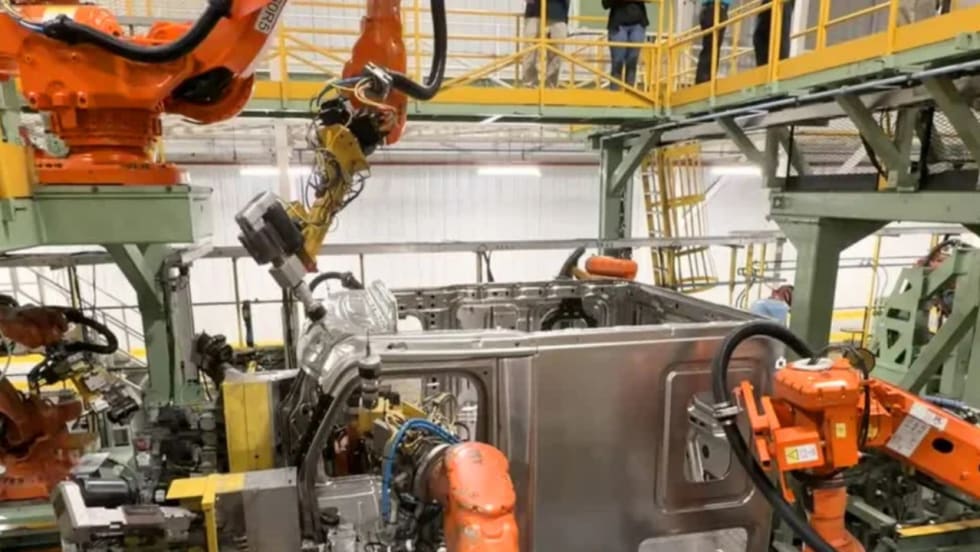
Daimler Truck North America plans to build a new, state-of-the-art manufacturing facility in the United States to strengthen its production capabilities across North America. The location has not been disclosed.
Read More →
Recalls You Need to Know About in August 2026
If you have Altec, Autocar, Chrysler, Daimler Truck, Ford, Heil, International, Orange EV, Paccar, Shyft Group, Volvo Trucks, or Wabash vehicles in your fleet, you should check these important recalls issued by the National Highway Safety Administration.
Read More →
DTNA to Close Portland Facility, Move Manufacturing to the Carolinas
Daimler Truck North America will shift production of the Western Star X-series, Freightliner eCascadia, and Freightliner eM2 from its Portland, Oregon, manufacturing facility to its manufacturing operations in the Carolinas.
Read More →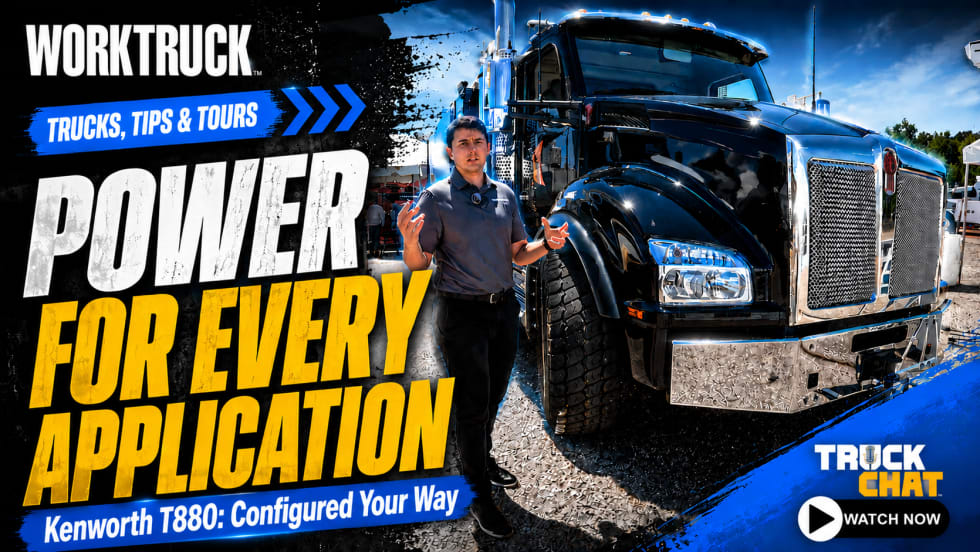
Kenworth T880: Powertrain & Customization Options
Vocational fleets often require trucks tailored to specific applications, and the Kenworth T880 is designed with flexibility in mind. In this video walkaround, Rachel Woods explains how the T880 can be configured to support a broad range of industries and operational requirements.
Read More →
Sponsored•August 1, 2026
Electrification Incentives: The Acquisition Windfall Fleets Can't Miss
Discover how fleets can use tax credits, grants, rebates, and vouchers to dramatically reduce electric truck and charging infrastructure costs—before today’s funding disappears.
Read More →
Back at Star Nation for a Closer Look at Western Star Trucks and the People Behind Them
Work Truck returned to Western Star’s Star Nation Experience for another hands-on look at the trucks, technology, and operator community behind the brand.
Read More →
Sponsored•July 23, 2026
The Top 300 Commercial Fleets
The Top 300 Commercial Fleets: See the List
Read More →