





Dig Deeper: How to Update Your Legacy Maintenance Program
20-Point Checklist: Spec’ing Flatbed Trucks
While flatbeds may seem basic, there are several options to consider that impact cost, payload capacity, fuel economy, and crew productivity. Here are 20 points to consider.
January 1, 2011
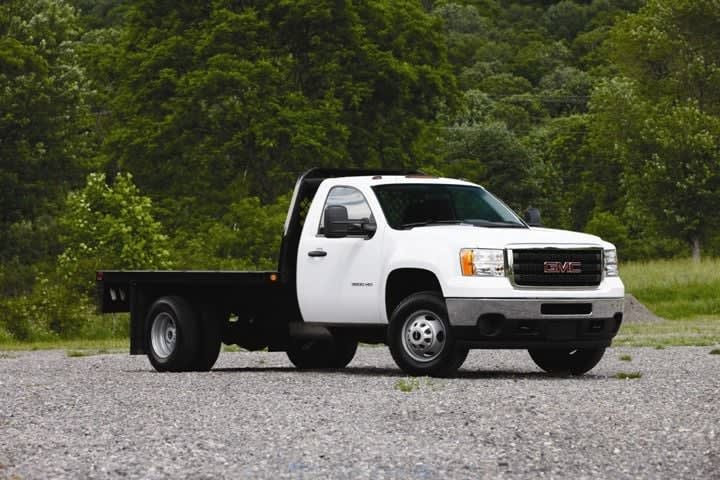
Flatbeds haul heavy materials that don’t require an enclosure to protect them from the elements.
Photo: GMC
6 min to read
Flatbeds, also known as platform bodies, are used to haul heavy materials that don't require a protective enclosure from the elements, such as large pipes, spools of wire, and construction debris. Some fleets also spec flatbed trucks to serve primarily as "haulers" to pull large gooseneck or fifth-wheel trailers that transport Bobcats and other heavy construction equipment to the jobsite.
What should be considered when spec'ing flatbed trucks for fleet? Here is a 20-point checklist to serve as a guide.
Platform Selection
The term "platform" refers to the flatbed frame, floor, and bulkhead. To select the right platform, keep these points in mind:
1. Dimensions.
What length does the flatbed need to be? The answer will drive chassis selection. Typically, the longer the bed, the more weight it will carry, requiring a larger chassis to haul it. Flatbed lengths on Class 1-3 trucks, for example, range from 8 feet on a 56-inch cab-to-axle (CA) chassis to 12 feet on an 84-inch CA 1-ton chassis.
Trucks in Classes 4-7, up to 33,000-lbs. The gross vehicle weight rating (GVWR) accommodates flatbeds with lengths from 60-inch CA (usually for towing/hauler applications) to a 28-foot body on a 205-inch CA chassis.
2. Platform type.
Most body companies offer three platform types, based on strength level, classified with terms such as "basic," "heavy-duty," and "extra heavy duty."
3. Platform material.
Most platforms are built with steel due to its durability and attractive price point. However, options are available in alternative materials, such as stainless steel, aluminum, and composites, which offer better corrosion resistance than steel and longer body life.
Also, aluminum and composite bodies weigh significantly less than conventional and stainless steel, without much sacrifice in strength, improving payload capacity and fuel economy.
The downside to lighter-weight materials, especially aluminum, is the ability to withstand the day-to-day pounding. Consult the body manufacturer on which material is best for the application.
4. Platform floor.
The three most common floor options to choose from are:
Wood. This is the standard floor for most platforms, offering lower cost and weight (as much as a few hundred pounds lighter than steel floor bodies).
Smooth steel. Upgrade to steel floors for heavier-duty applications.
Tread plate. This provides extra traction to protect a crew from slip-and-fall injuries when stepping onto the flatbed surface.
5. Bulkhead.
The bulkhead provides a protective barrier between the cab (and crew) and cargo on the flatbed. Options include shape (tapered or boxed), strength level (based on reinforcements), and whether the bulkhead should be solid or include a see-through mesh window.
Choosing Sides & Stakes
If hauling loose material that cannot easily be tied down, sides (also known as stakes) are required to contain the cargo.
6. Stake racks or solid stakes.
Spec solid stakes if hauling small granular material, such as loose dirt or gravel, to keep it from spilling off the bed. Stake racks are lighter weight and offer sufficient containment for bulkier material.
7. Stake height.
Stake heights on trucks up to Class 7 range from 12- to over 50-inches high. Consult a body manufacturer about what "standard" heights are offered. Spec'ing non-standard heights require custom manufacturing, which drives up the body price.
8. Removable or permanent (bolted or welded) sides.
Removable stakes provide flexibility to quickly convert a flatbed into a stake body and back to a flatbed within minutes. The bolted or welded sides are used primarily with solid-side applications to create a seal that prevents loose, granular material from spilling out of the body.
9. Swing-open gates.
Swing-open gates allow quick access to load cargo onto the flatbed, whether through the rear and/or sides, without having to remove each stake panel.
10. Fold-down sides.
Any or all sides (including the rear gate) can be spec'd to fold down, providing unfettered clearance to load material onto the flatbed without having to spend time and energy removing each side panel.
11. Side material.
Available options, depending on the body manufacturer, include wood, steel, composite, and aluminum. The differences between these materials are reflected in the cost, weight, and durability.
Keeping Cargo Contained
If sides aren't utilized, how secure will contained cargo be? Four common cargo containment options include:
12. Tie-down rings.
These rings present the flexibility to secure cargo in specific sections of the truck body. Work with a manufacturer to determine how many rings are needed and where to place them on the platform.
13. E-track.
Each row of e-track, recessed into the body (nearly flush with the body surface), contains metal or aluminum slats in which straps can be hooked and secured.
14. Ratchet straps.
These are thick, heavy-duty straps connected (in the form of spools) on one side of the body. The straps are tightly pulled across the flatbed over the cargo and hooked onto the rub rail on the other side. If ratchet straps are spec'ed, consult a body company about how many straps are required and whether they should be moveable or stationary.
15. Toolboxes.
Do certain tools, parts, and equipment need to be protected from theft or the elements? Spec a toolbox to be placed either under-body (which frees up flatbed space) or above-body. Most body companies offer the option of either steel or aluminum boxes. Determine how many toolboxes are needed and dimensions for each.
Considering Towing Options
Will the flatbed truck be pulling a trailer? If so, how much weight and what type of trailer? The answers to these questions will assist in spec'ing the proper hitch. Typical hitch options for flatbed trucks include:
16. Receiver hitch.
This is the most common option, with the hitch located below the rear bumper, often with a heavy-duty pintle hook attached to it. This hitch allows drivers to pull a trailer without impacting cargo capacity on the flatbed.
17. Recessed gooseneck ball hitch with trap door.
This hitch is attached to the frame near the rear axle, nestled below the surface of the body. When the vehicle is not pulling a trailer, the trap door can be closed making it flush with the body, clearing the full surface area of the flatbed to haul cargo.
18. Fifth wheel.
This hitch is a large horseshoe-shaped plate, located at the center of the flatbed. The fifth-wheel hitch offers maximum towing capacity and is common for flatbed trucks used primarily as trailer haulers.
Reviewing Liftgate Options
Liftgates are useful for loading heavy cargo items onto a truck with minimum effort and physical strain on employees, enhancing safety and productivity. If considering a liftgate, determine which of the following gates best fits the application:
19. Tuckaway gate.
As the name suggests, this liftgate tucks out of the way under the rear of the flatbed, providing easy access to cargo when the gate is not in use. However, if items requiring more than 3-feet in depth must be lifted, a tuckaway gate may not offer a large enough platform to safely lift the cargo.
Also, if a rear receiver hitch will be used, the tuckaway gate may interfere with the hitch. A body manufacturer can assist with liftgate selection for towing capability.
20. Railgate.
This gate, attached to permanent pillars on the rear of the flatbed, offers extra platform size for larger cargo and heavier weight capacities. The downside is the gate must be lowered any time access is required through the rear of the flatbed, which can unnecessarily consume time.
The Bottom Line
While flatbeds may seem basic, there are several options to consider that impact cost, payload capacity, fuel economy, and crew productivity - all factors that shape a company's bottom line. Keep this 20-point checklist in mind when partnering with a body company to spec a flatbed body.
Subscribe to Our Newsletter
More Upfitting
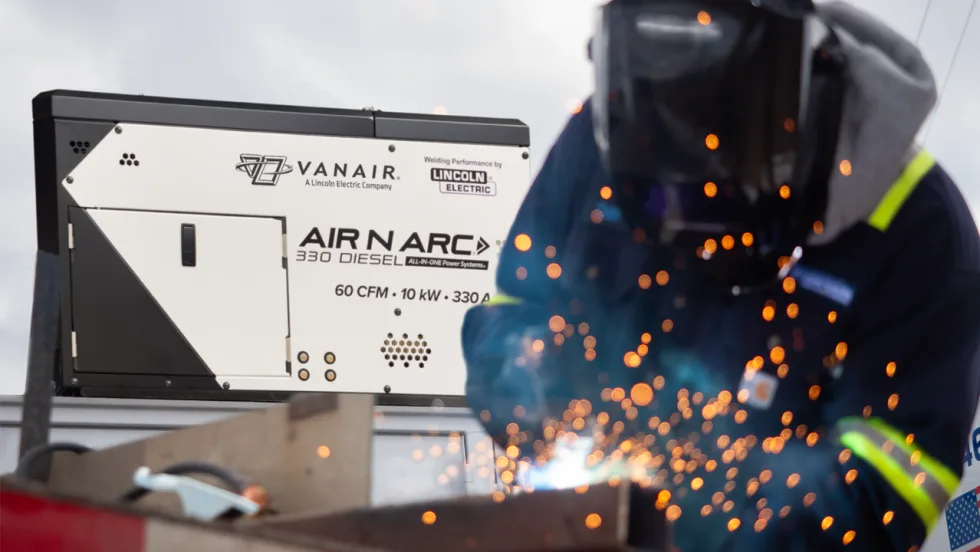
Multitasking: Vanair’s Air N Arc 330 Diesel 60 CFM All-In-One Power System
The Air N Arc 330 Diesel 60 CFM from Vanair consolidates a welder, generator, rotary screw air compressor, battery booster, battery charger, and EV charger into a single 750-pound enclosure driven by one 24.8-horsepower Kubota diesel engine.
Read More →
Buyers Products Awarded Sourcewell Cooperative Purchasing Contract for Snow & Ice Equipment
Buyers Products has been awarded a Sourcewell contract for a wide range of winter maintenance equipment and accessories, including snowplows, municipal plow systems, wing plows, spreaders, and more.
Read More →
Hilltip Introduces the SnowStriker SFT Flex Expandable Box Plow
Hilltip’s new SnowStriker SFT Flex expandable box plow features hydraulically extendable sections that allow operators to adapt the clearing width to changing conditions and applications on the go.
Read More →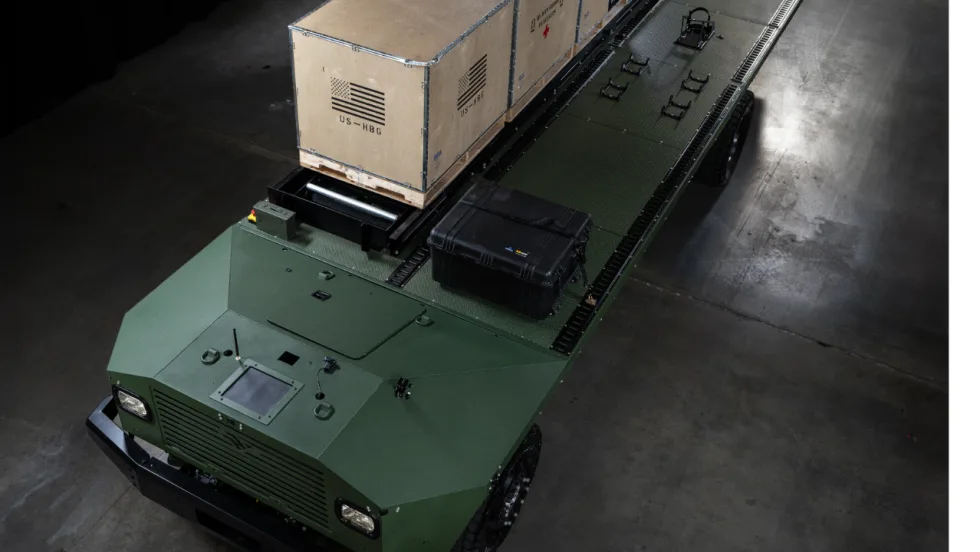
Harbinger Part of Effort to Deliver Autonomous Logistics Capabilities for U.S. Army
American Rheinmetall received an 18-month U.S. Army contract to deliver autonomous, hybrid-powered uncrewed ground vehicles. Harbinger is providing the truck platform for those vehicles.
Read More →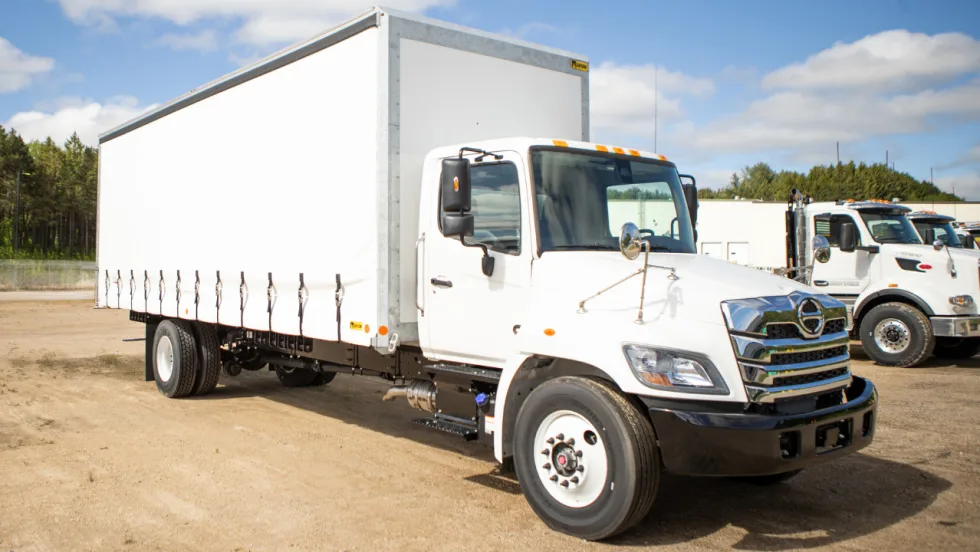
Thinking Outside of the Box: Choosing the Right Truck Body for Your Fleet
Choosing the right truck body can have a major impact on loading efficiency, cargo protection, downtime, and long-term operating costs. Here’s how dry vans, platforms, and curtainsiders compare, plus what fleets should consider before spec’ing their next truck.
Read More →
Fourth Annual Upfit Package of the Year Awards Open for 2027 Entries: One Month Left!
Think your upfit deserves industry recognition? Enter the 2027 Work Truck Upfit Package of the Year Awards before the Sept. 30 deadline. There is less than a month left to get your submissions in!
Read More →
Reading Truck Equipment & Masterack Unite as One of North America's Largest Commercial Vehicle Upfit Networks
Reading Truck Equipment and Masterack have integrated operations to create one of North America's largest and most comprehensive commercial vehicle upfit organizations.
Read More →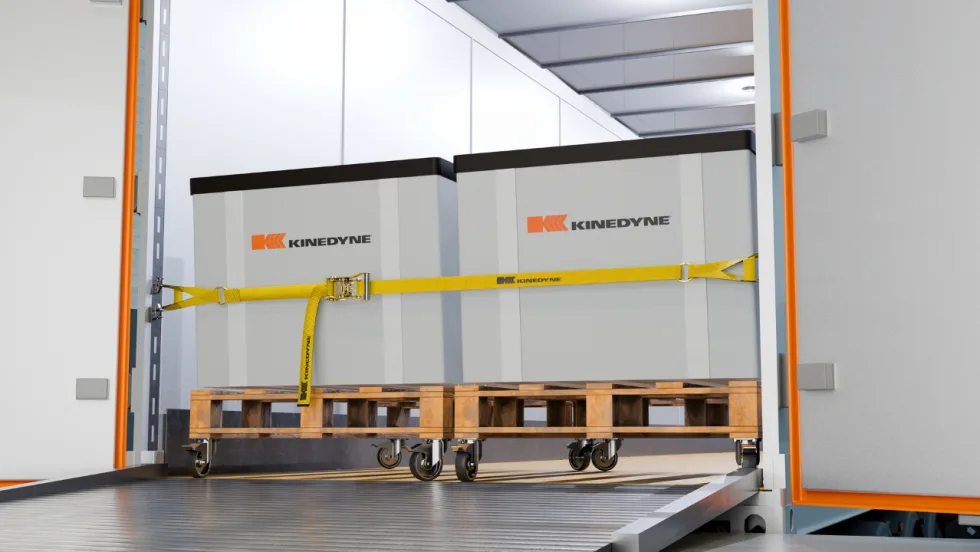
Kinedyne Launches Heavy Duty Logistic Shoring Strap
Kinedyne’s new Heavy Duty Logistic Shoring Strap features a patent-pending four-point design to deliver greater cargo stability, increased strength, and easier handling for rolling and shifting freight.
Read More →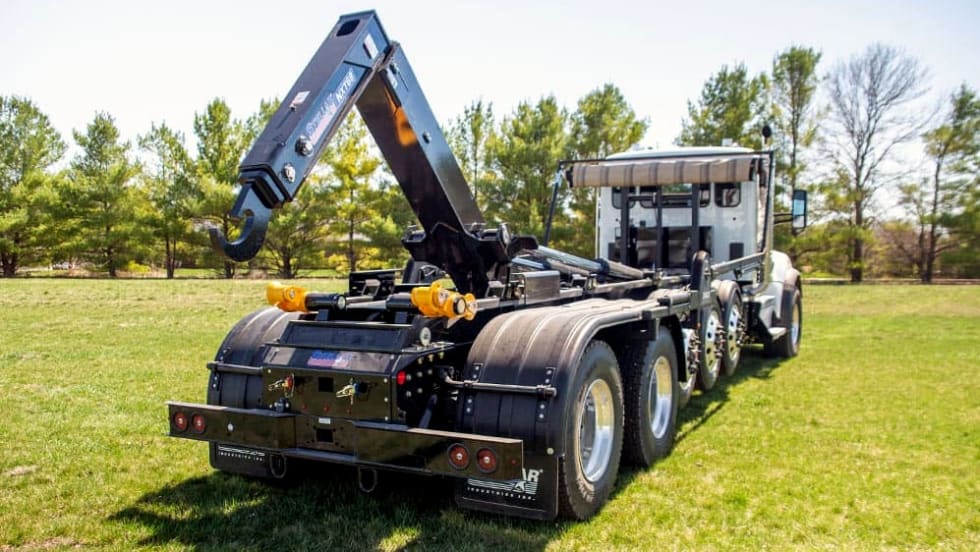
Hooklift Bumper Design from Stellar Showcases Strength & Versatility
Stellar Industries’ new bumper for the NZT Series Hooklifts come in two capacity options: the 20K, designed for Class 3 – 6 chassis with a 20,000-pound pull capacity, and the 90K, built for Class 7 and 8 chassis with a 90,000-pound pull capacity.
Read More →
Maxon Lift Awarded the Wabash Platinum Award for Supply Chain Performance
Maxon Lift, a liftgate manufacturer since 1957, received the Wabash Platinum Award for supply chain performance in 2025. Each year, Wabash presents awards to top suppliers for excellence in supply chain performance.
Read More →