




Ford Charges Up for the Transit Connect Electric
Drawing on the success of the Transit Connect, Ford Motor Company will release a battery-powered version of the commercial vehicle to help fleets lower operating costs.


Designed for fleets that travel predictable short-range routes in urban and suburban environments, the Transit Connect Electric offers more than 135 cubic feet of cargo space.
Photo: Ford
In collaboration with Azure Dynamics Corp. and Johnson Controls-Saft, Ford Motor Co. is launching a zero-emissions option of the award-winning light-duty Transit Connect, voted 2010 North American Truck of the Year.
Ford unveiled the 2011 Transit Connect Electric at the Chicago Auto Show in February. The commercial van is the first of four electrified vehicles the automaker plans to roll out within the next three years in the U.S. and Canada under its One Ford global product vision.
Debuting a New Drivetrain
Badged with both the Ford Blue Oval and Azure Dynamics’ (AZD) Force Drive logos, the Transit Connect Electric is designed to offer fleets the opportunity to lower operating costs by eliminating the use of gasoline. Unlike the gasoline-engine Transit Connect, the battery-powered vehicle will offer a payload of 1,000 lbs., 600 lbs. less than the current model’s 1,600 lbs.
Ford is no stranger to AZD, a company responsible for developing hybrid-electric and electric-drive technology for shuttle buses and commercial trucks for more than 20 years. AZD has provided the Balance Hybrid-Electric drive system to Ford’s E-450 cutaway and strip chassis for the medium-duty commercial vehicle segment.
For the new Transit Connect Electric, AZD provides its Force Drive battery-electric drivetrain. Further, the Transit Connect Electric, rechargeable using either 240-volt or standard 120-volt outlets, offers a targeted range of 80 miles on a full charge with top speed of 75 mph and zero tailpipe emissions, according to the company.
AZD asked Johnson Controls-Saft to provide lithium-ion battery cells and battery packs for the vehicle. Ford has already used Johnson Controls-Saft technology in other vehicles, such as the Ford Escape plug-in hybrid. Recharging the Transit Connect Electric will take from six to eight hours, according to Ford.
Safety & Maintenance Key
Designed for fleets that travel predictable short-range routes in urban and suburban environments, the Transit Connect Electric offers more than 135 cubic feet of cargo space and can carry items up to 6 feet long, 4.9 feet wide, and 4.7 feet high. Split rear cargo doors open at a standard 180 degrees or an optionally available 255 degrees.
Power-assisted rack-and-pinion steering allows a 39-foot curb-to-curb turning circle for maneuverability in tight urban spaces. The low side and rear load floor facilitate cargo handling.
The Ford Transit Connect Electric comes standard with power front disc brakes, rear drum brakes, and four-wheel ABS. A tire pressure monitoring system (TPMS) is included as additional standard equipment, which alerts drivers when a mounted road tire drops below certain pressure.
Bulkheads, racks, bins, and other upfits can be mixed, matched, and configured to suit specific commercial applications and needs.
Connecting to Fleets
AZD announced in March that AT&T would be among the first commercial customers of the Transit Connect Electric, adding two of the first models to its growing fleet of alternative-fuel vehicles later this year.
The Ford Transit Connect has already proven a hit among a number of fleets since its launch, with customers such as KONE, DTE Energy, Ambius, and ThyssenKrupp implementing the pickup truck alternative in the past year.
More Green Fleet

Fleet Forward Conference Introduces One-Day Passes for 2026
New one-day registration gives fleet professionals the flexibility to attend Tuesday, Wednesday, or Thursday, with passes available for $199 through Sept. 18.
Read More →
CALSTART Rebrands as Catalyst Mobility, Will Combine with Forth in 2027
CALSTART has rebranded as Catalyst Mobility and will combine with Forth at the start of 2027. The new organization said it is poised to become one of the world's largest, strongest, and most impactful clean transportation nonprofits.
Read More →
Electric Truck and Charging Programs to Boost Sustainability at NY & NJ Ports
Together, the Port Authority of New York and New Jersey and CALSTART will electrify drayage and terminal operations serving the East Coast’s busiest container port. A pair of incentive programs totaling $45 million has launched to accelerate adoption of zero-emission drayage trucks and terminal tractors.
Read More →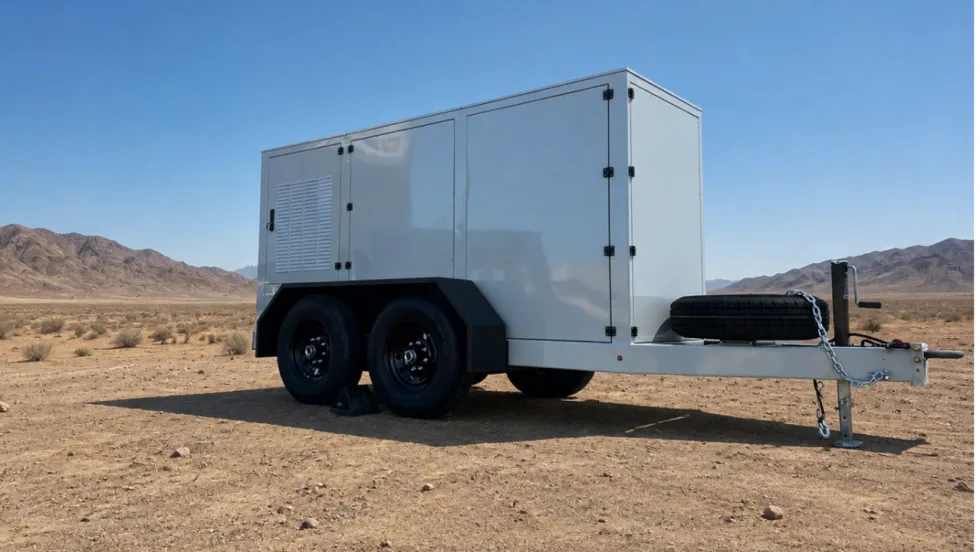
Xos Hub Surpasses One Gigawatt-Hour of Energy Delivered in the Field
A single Xos Hub has surpassed one gigawatt-hour of energy across more than 33,600 charging sessions in the field, demonstrating performance that supports Xos' expansion across new products and markets.
Read More →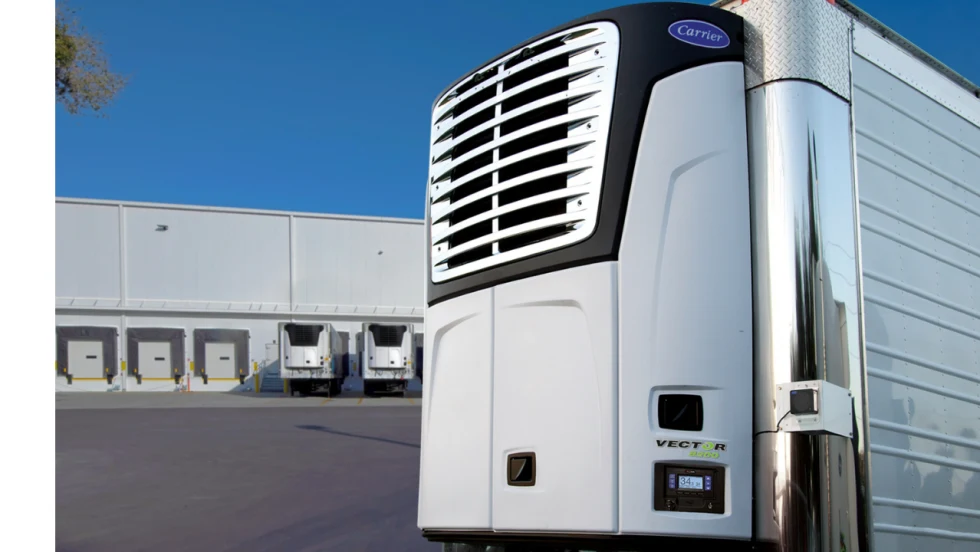
Carrier Transicold Launches All-Electric Vector 8200 TRU for Diesel-Free On-Site Cold Storage
Carrier Transicold’s first engineless multi-temperature TRU helps fresh- and frozen-food fleets add supplemental cold storage capacity during seasonal peaks.
Read More →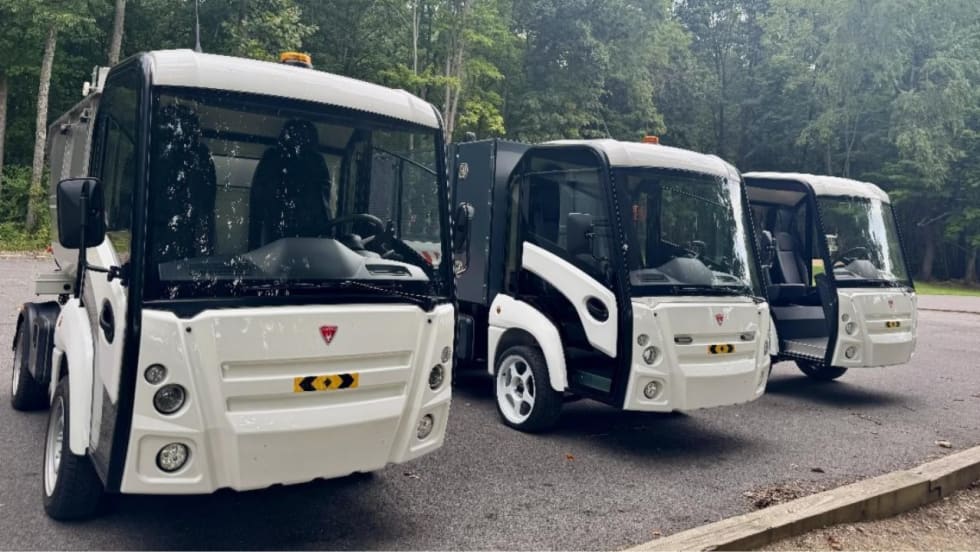
Narro Trucks Introduces Electric Utility Vehicle
Narro Trucks officially launched its operations on Aug. 20 and hosted a ride and drive to showcase its electric truck, which will be produced in Virginia.
Read More →
Samsung SDI Takes Full Control of GM Battery JV as Indiana Plant Pivots to Energy Storage
Samsung SDI is taking full control of its Indiana battery plant with GM, marking a major shift from the EV-focused joint venture Charged Fleet first covered in 2023.
Read More →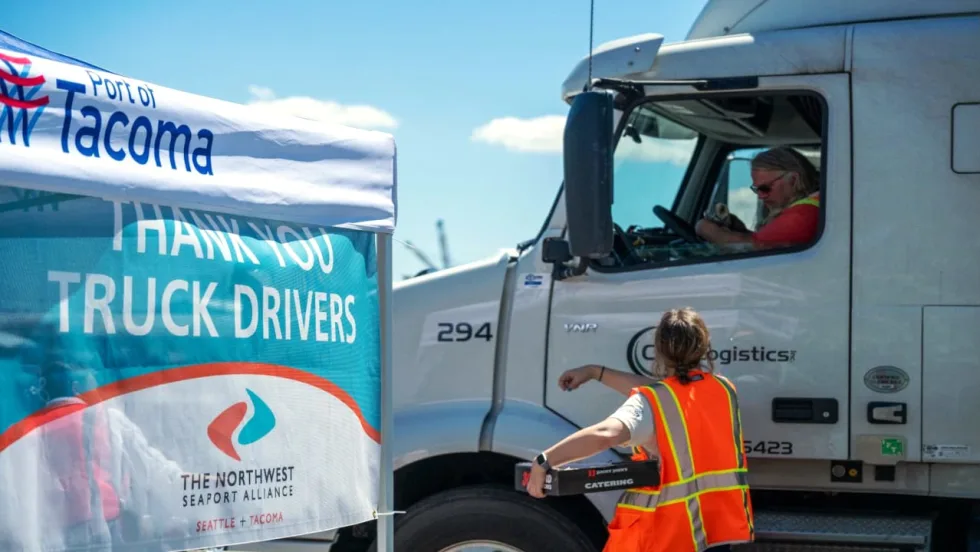
NWSA Taps CALSTART to Administer Zero-Emission Drayage Assistance Program
CALSTART will provide free technical assistance services to drayage fleets serving the Ports of Seattle and Tacoma and looking to transition to cleaner technologies and help decarbonize freight hubs.
Read More →
EV Fleet Reality Check: What Operators Wish They Knew Before Electrifying Their Work Vans
Electric work truck upfits bring new compatibility questions. Learn how parts availability, OEM guidance, power demands, and route planning can affect fleet performance.
Read More →
Peterbilt Expands Sourcewell Partnership with Electric Vehicle Lineup
Peterbilt Motors Company’s cooperative purchasing agreement with Sourcewell and its Canadian partner, Canoe Procurement Group, now includes including Peterbilt's battery-electric vehicle lineup.
Read More →