Fleet accidents are up in 2025. Learn why risk is rising post-pandemic and how fleets can reduce costly incidents through data and strategy.
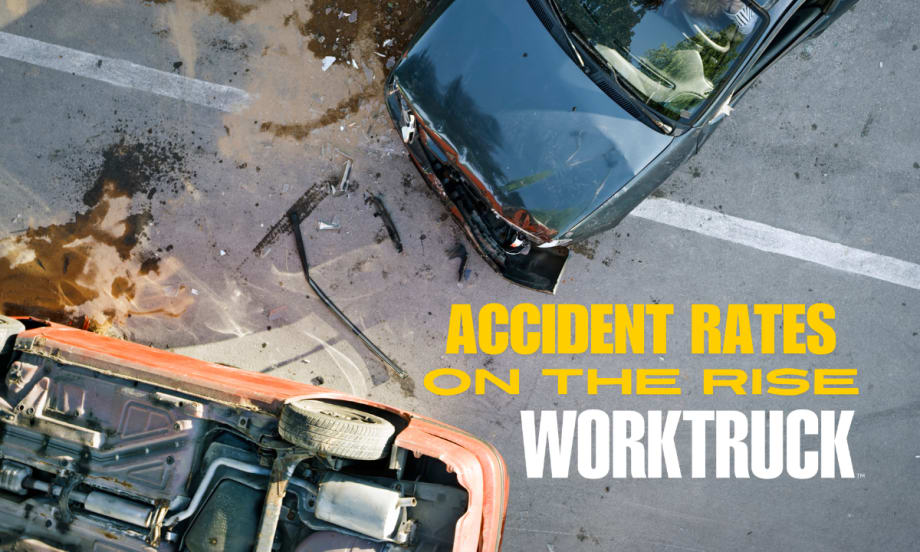
Accident frequency and severity are on the rise again for commercial fleets. Following a period of relative calm during the pandemic, the return of full traffic volumes, combined with persistent labor shortages and distracted driving, creates a challenging environment for fleet operators.
Accident Trends: Post-Pandemic Roads Bring Rising Risk
Experts across the fleet industry have seen a measurable increase in accident frequency and severity since 2024. While the reasons vary, the bottom line is the same: more accidents and more costly outcomes.
"We have seen a moderate increase in truck accidents compared to 2024. This increase can be attributed to several factors, including higher overall vehicle miles traveled as the economy continues to rebound, ongoing driver shortages leading to less experienced operators on the road, and an uptick in distracted driving incidents," said Stuart Braun, director of claims at Fleet Response.
Accident rates aren't just ticking up; they're surpassing pre-pandemic levels, according to insurance industry data.
"With passenger vehicles back on the road, especially relative to the pandemic shutdown-induced years, accident rates (what we call frequency) have been on the rise. In fact, the increases have brought accident rates back to and above pre-pandemic levels. That said, one thing that hasn’t decreased, even during the shutdown period, has been accident severity, particularly bodily injury severity. This trend hasn’t stopped in 2024; in fact, it has intensified," said Nick Saeger, AVP of products & pricing for Transportation at Sentry Insurance.
Top Causes of Accidents in 2025: Distraction, Speed, and Inexperience
While new risks continue emerging, many of the most common causes of fleet accidents have remained consistent. Distracted driving, speeding, and driver inexperience remain among the top challenges.
"A comprehensive telematics program combined with a multi-faceted driver training strategy is still the best option to improve driver safety and, in turn, reduce accident rates. The good news is that we continue to see a growing number of fleet operators embrace telematics, and the technology is still evolving rapidly, allowing fleet operators to monitor driver behavior in new, innovative ways," said Tony Smith, manager, driver safety for Holman.
For many fleets, more miles on the road and more business activity contribute to the increased risk. But at the same time, turnover also plays a role, especially as more experienced drivers exit the workforce.
"The market, in general, is experiencing a slight increase in accidents of all types of vehicles dating back from 2023 through the first quarter of 2025. We believe that there are multiple factors contributing to the increases. With companies resuming 'normal' business, three- to five-day shifts compared to two- to three-day shifts, it is only natural that the more hours and miles on the road, the propensity for accident/incidents increase," said Robert Martines, CEO for Corporate Claims Management (CCM).
Martines also noted that inexperienced drivers, particularly those unfamiliar with larger trucks, may be at greater risk of incidents involving turns, overpasses, and fixed objects.
"Another point we have experienced is driver turnover; veteran drivers retiring and replaced by newer inexperienced drivers, not completely familiar with the vehicle/equipment, have contributed to some increases. A very sensitive point is drivers from outside the U.S. who have entered our workforce have not been trained as well as veteran drivers to drive larger trucks effectively. Thus, we see more incidents of hitting stationary objects (poles, fencing, structures, etc.) due to cutting a turn too close, hitting overpasses due to not knowing the truck's height, driving distracted, etc.," Martines added.
Cost & Insurance Impact: The Rising Price of Accidents
As accident rates rise, so do the associated costs. From insurance premiums to repairs, fleets are seeing the financial impact of every collision stretch further.
"In 2025, we have seen an increase in accident-related costs as vehicle technology evolves and it becomes more expensive for vehicle repairs. In addition, there is a notable trend of escalating litigation leading to larger settlement amounts being awarded," said Chris Senica, director of risk management at Enterprise Fleet Management.
Even seemingly minor accidents can carry significant costs when they involve new vehicle technology, like sensors and cameras. And it’s not just about parts. It’s about recalibration and labor, too.
"Overall inflation along with higher labor rates and insurance premiums are a few of the factors increasing repair costs, but technology is having an impact here as well. Advanced sensors, cameras, LIDAR, etc., are all now found in a growing number of vehicles, and when this technology is damaged in an accident, it can be expensive to repair/replace. Even if these items are not damaged, they’ll likely require recalibration as other vehicle components (i.e., windshield glass) are repaired/replaced," Smith added.
Insurance companies are taking note of the trends and adjusting pricing and policies accordingly. While fleets with proven safety protocols may still be able to reduce costs, carriers are less likely to offer deep discounts than they did in the past.
"Yes. Insurance companies will offer a discount on premium payments if a client can prove that the company has a quality, certified safety policy along with actual driver safety. However, the discounts are not as favorable as they were just a couple of years ago as carriers are trying to recoup their losses wherever possible," Martines said.
Smith added, "Fleet operators who demonstrate a commitment to safety and can highlight safe driving performance through telematics can often work with their insurance providers to reduce insurance premiums. Telematics data can be leveraged to capture a true profile of fleet performance that insurance providers can use to more accurately determine a fleet’s risk exposure."
Legal Trends Are Driving Costs Even Higher
Lawsuits and settlement payouts are becoming more frequent (and more expensive). These trends are reshaping how the industry approaches insurance pricing.
"Legal system abuse, which leads to social inflation and nuclear verdicts and is further fueled by third-party litigation financing, are just some of the reasons for the rising costs associated with the bodily injury severity environment. And because of that, [a standard] rate is needed across the entire industry," Saeger noted.
While cost pressures are real, there are strategies fleets can use to push back.
"We’ve also seen success with our customers who are willing to bet on their safety programs, hiring practices, and technology by taking higher deductibles, which helps defray the upfront costs of their insurance policy," Saeger said.
Industry Insight: Expert Takeaways for Fleet Safety
The legal and insurance environments are changing fast, impacting how fleets must respond to accidents and claims. Fast, accurate reporting is one area where improvement could lead to cost control.
"Given the rampant legal system abuse that pervades the system, it will take time for tort reform efforts to take effect on the state level, however, one immediate opportunity that can be improved is the timely reporting of claims. Doing so provides insurers the best chance to help all the parties involved in any accidents, which could ultimately help defray the rising costs of bodily injury claims," Saeger added.
From risk trends and driver behavior to rising repair costs and insurance impacts, one thing is clear: managing fleet accident risk in 2025 and beyond will require an intentional, data-driven approach that evolves with the times.
Continue the Series
This article is Part 1 of our 5-part series on Fleet Accident Management in 2025. Don’t miss the rest: