





How Mixed-Energy Fleets Are Shaping the Future of Fleet Management
Energy Strategies Shifted as Fleets Rebalanced Their Options in 2025 [Part 5]
Fleets shifted their energy strategies in 2025, prioritizing practical EV planning, hybrid growth, propane autogas savings, and smarter fuel decisions.
December 12, 2025

Fleets in 2025 explored every energy path (EVs, hybrids, propane autogas, and cleaner combustion) choosing the mix that kept trucks moving and costs predictable.
Photo: Work Truck
7 min to read
If 2025 revealed anything about fleet energy decisions, it’s that there’s no single right answer. Light- and medium-duty fleets didn’t abandon electrification, but they did pause, redirect, and rebalance.
Hybrids gained ground, and charging strategy mattered more than vehicle count. Propane autogas attracted new interest. Diesel took a few hits. And EV planning finally became more practical, even if adoption slowed.
Fleets weren’t chasing trends. They were trying to keep trucks productive, costs manageable, and operations predictable. Energy became a strategy, not a slogan.
EV Adoption Hit a Reality Check (and Planning Took the Lead)
Electrification didn’t stall in 2025. It matured. Ford Pro shared how many fleets shifted focus from vehicles to infrastructure and charging strategy.
Utilities such as Southern Company piloted coordinated home and workplace charging to ensure technicians always had enough range without stressing the grid. Large service fleets leaned on software to manage home charging reimbursement, track usage, and maintain visibility across dispersed drivers.
Ford Pro found that fleets preparing for EV transition understood a simple truth: success depends more on charging access than on vehicle acquisition.
Early adopters like Ecolab reinforced this, using systems that automate home charging reimbursement and track charging across distributed locations. The lesson was clear. Charging infrastructure wasn’t an afterthought anymore. It was the starting point.
Ford Pro also pointed to the role of mobile power. Crews relied on exportable power from trucks and vans, especially in construction, service, and emergency response. This capability helped those fleets stay operational without hauling extra generators.
Fleets Worked Through Real-World EV Adoption Phases
Diana Holland, managing director at Cavis, said many fleets spent 2025 working through the real phases of EV adoption rather than treating electrification as a single leap.
“We saw fleets move from quick pilot tests to much more structured evaluation phases,” she said. “They looked closely at which vehicle classes, routes, and duty cycles were actually ready for electric, instead of assuming one solution would fit every application.”
She added that fleets had to factor in charging access, driver training, maintenance readiness, and long-term cost modeling. “That level of planning helped them identify what did and didn’t work in their real-world operations,” Holland said.
Some fleet operators also started looking ahead at where autonomous or highly automated vehicles might eventually fit into their energy and routing strategies, even if full deployment remained years away.
For most work truck fleets, Holland said the biggest win in 2025 was clarity. “Fleets finally saw where EVs fit into their operation and where they didn’t. That clarity made their future roadmaps a lot more realistic,” she said.
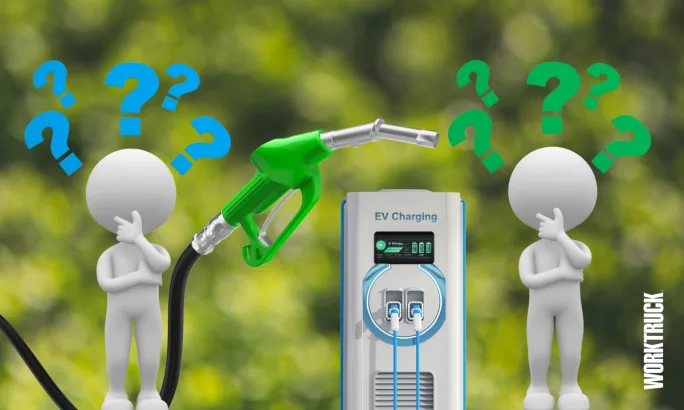
Choosing the right energy path wasn’t simple. Fleets weighed charging access, fuel costs, duty cycles, and real-world operations to find what actually worked.
Photo: Work Truck
Hybrid and Plug-In Hybrid Vehicles Became Comfortable Middle Ground
With tariffs fluctuating, incentives changing, and EV cost uncertainty rising, many fleets quietly recalibrated.
Kendra Rupp, regional vice president of client partnerships at Mike Albert Fleet Solutions, said companies shifted toward hybrid and plug-in hybrid options because they offered more reliability in both range and cost.
Rupp noted that these options felt more predictable for many applications, especially when replacing small cargo vans remained difficult and full EV infrastructure wasn’t fully established.
Jay Collins, senior vice president and general manager of WEX Energy Transition, echoed that fleets have been “adding plug-in hybrids, which give the veneer of electrification.” However, many drivers still run them primarily on gasoline. With proper training, fleets can improve hybrid efficiency or evaluate whether full battery EVs might be a better fit.
Hybrids offered something fleets desperately needed in 2025: stability.
Battery Prices Point to EV Price Parity Ahead
Even with EV growth slowing late in the year, Collins said the big picture still favored long-term EV affordability.
He pointed out that EV batteries cost around $150 per kWh in 2022 and are expected to drop to $80 per kWh in 2026. Considering up to 40% of an EV’s cost is the battery, parity with comparable internal combustion models could arrive by late 2026 or 2027.
That shift could turn EVs into the cheaper option, not the riskier one.
Diesel Faced More Pressure at the State Level
Diesel wasn’t going anywhere in 2025, but it did face new headwinds, mostly from local and regional regulations.
Joel Stutheit, senior manager of autogas business development at the Propane Education & Research Council (PERC), said several states introduced new taxes on diesel emissions. His home state of Washington added a diesel tax, increasing operating costs for fleets.
Federal pressure may have eased, but local rules did not. That forced many fleet managers to reevaluate their long-term energy mix.
Propane Autogas Gained Momentum as Fleets Reassessed Costs
With federal EV incentives fading and infrastructure costs rising, more fleets are revisiting alternative fuels.
Stutheit said propane autogas gained traction because of its stable pricing, lower maintenance costs, and lower total cost of ownership compared with diesel, even without incentives. Propane autogas averaged around $1.75 per gallon in 2025, offering fleets meaningful savings during a year of inflation and uncertainty.
Propane autogas also offers lifecycle emissions reductions comparable to those of EVs, making it an appealing option for fleets seeking clean solutions without major infrastructure investments.
EV Exploration Continued, but with More Strategy Behind It
Fleets still explored EV opportunities, but with more caution and more tools.
Raj Udeshi, director of product marketing at FASTER Asset Solutions, said fleets continued testing EVs in light- and medium-duty applications. The challenge wasn’t interest; It was navigating the adoption phases with the right data.
Many operators used EV analysis tools offered by companies such as GM Envolve. Ian Hucker, vice president of GM Envolve, said fleets increasingly relied on TCO modeling, managed charging strategies, and upfit-compatible configurations to determine where EVs made operational sense.
Hucker noted that even selective EV adoption worked well for fleets that paired transition planning with charging visibility, route consistency, and clear replacement strategies.
Tariffs and Supply Chain Volatility Influenced Energy Plans
Energy decisions weren’t made in a vacuum. Tariffs, material shortages, and supply chain turbulence played major roles in whether fleets transitioned, paused, or diversified.
Brian Fournier, Americas senior vice president and general manager of fleet and mobility at WEX, said tariffs added new complexity to battery pricing and component availability.
He cited McKinsey & Company research showing new tariffs introduced in April 2025 pushed the U.S. weighted-average tariff rate from 2% to more than 20% in a matter of weeks. That spike raised costs on batteries, semiconductors, and steel-heavy components, all central to EVs and upfitted work trucks.
For many fleets, volatility led to hybrid adoption, broader fuel-mix testing programs, and extended replacement cycles until the market settled.
Energy Became an Operational Strategy, Not Just a Fuel Choice
What stood out most in 2025 was how fleet leaders approached energy decisions. Instead of choosing a fuel type first, they evaluated:
Route requirements
Driver habits
Infrastructure availability
Range consistency
Parts and service support
Long-term cost models
Regulatory risk
Operational downtime
Energy wasn’t a checkbox. It was part of how fleets planned for uptime, cost control, and resilience.
Rajesh Rudraradhya, CTO at Lytx, said fleets also began looking at how AI could shape future energy decisions, especially as technology becomes “the operations control layer” in 2026. He noted that as fleets balance EV, hybrid, propane autogas, and diesel options, responsible AI will help automate decisions that balance safety, uptime, and cost, giving operators more confidence in when and how alternative energy fits into their workflows.
Heading into 2026, fleets aren’t tied to one solution. They’re tied to whatever keeps trucks moving, drivers productive, and budgets intact, whether that’s EV, hybrid, propane autogas, or diesel managed smarter than ever.
Continue the 2025 Work Truck Trends Series
This piece fits into a broader look at how fleets adapted in 2025. Keep going with the rest:
Part 1: How Rising Costs Reshaped Work Truck Fleets: every cost line mattered, including downtime and underused assets.
Part 2: Data Became the Backbone of Fleet Decisions: connected tools made coaching and planning far more precise.
Part 3: Maintenance and Uptime Took Center Stage: predictive tools, stronger scheduling, and mobile repair reshaped uptime.
Part 4: Safety, Security, and Risk Became Non-Negotiable: fraud, cyber threats, and rising insurance reshaped safety strategy.
Part 6: Workforce Pressures Forced New Approaches: labor shortages pushed fleets to improve culture, tech, and support.
Part 7: Vehicle Availability and Market Shifts Shaped Decisions: market swings made forecasting and dealer relationships essential.
Subscribe to Our Newsletter
More Green Fleet

Fleet Forward Conference Introduces One-Day Passes for 2026
New one-day registration gives fleet professionals the flexibility to attend Tuesday, Wednesday, or Thursday, with passes available for $199 through Sept. 18.
Read More →
CALSTART Rebrands as Catalyst Mobility, Will Combine with Forth in 2027
CALSTART has rebranded as Catalyst Mobility and will combine with Forth at the start of 2027. The new organization said it is poised to become one of the world's largest, strongest, and most impactful clean transportation nonprofits.
Read More →
Electric Truck and Charging Programs to Boost Sustainability at NY & NJ Ports
Together, the Port Authority of New York and New Jersey and CALSTART will electrify drayage and terminal operations serving the East Coast’s busiest container port. A pair of incentive programs totaling $45 million has launched to accelerate adoption of zero-emission drayage trucks and terminal tractors.
Read More →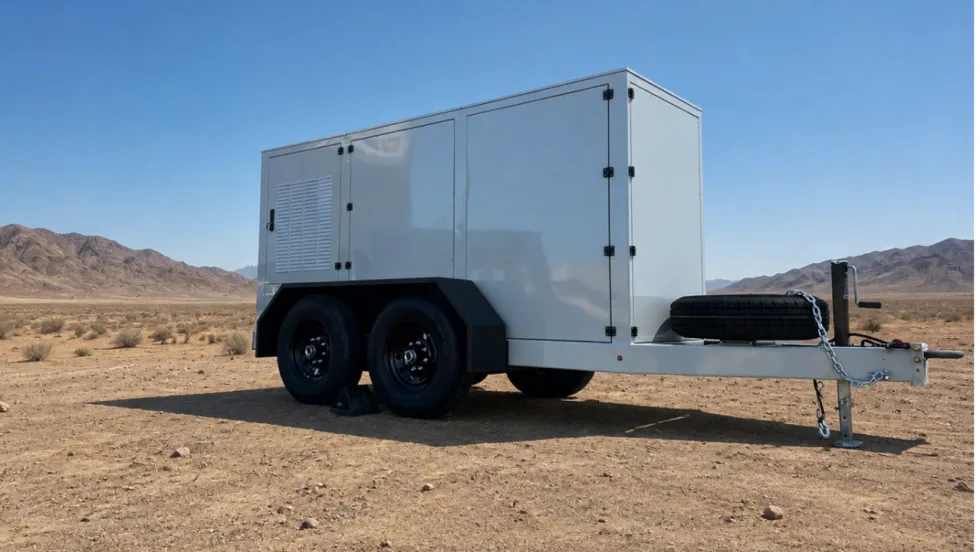
Xos Hub Surpasses One Gigawatt-Hour of Energy Delivered in the Field
A single Xos Hub has surpassed one gigawatt-hour of energy across more than 33,600 charging sessions in the field, demonstrating performance that supports Xos' expansion across new products and markets.
Read More →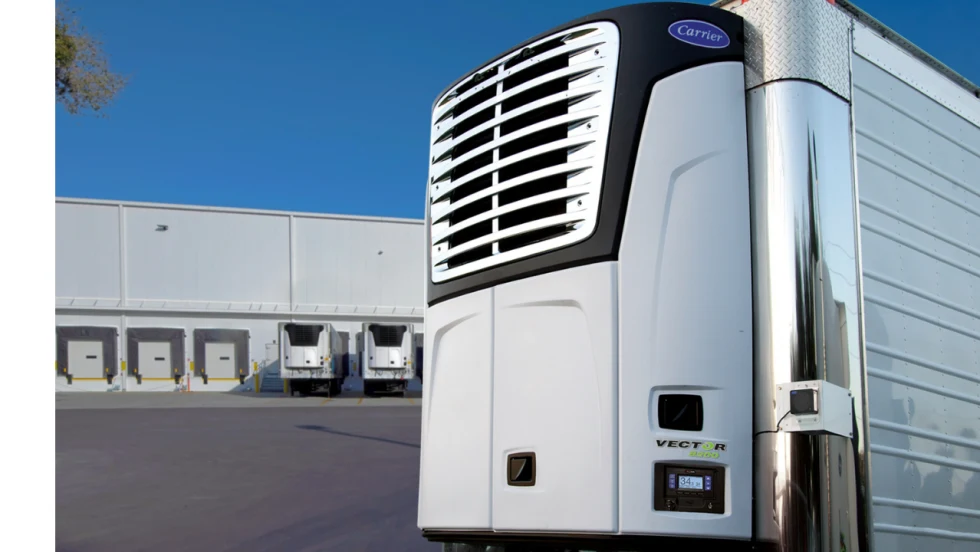
Carrier Transicold Launches All-Electric Vector 8200 TRU for Diesel-Free On-Site Cold Storage
Carrier Transicold’s first engineless multi-temperature TRU helps fresh- and frozen-food fleets add supplemental cold storage capacity during seasonal peaks.
Read More →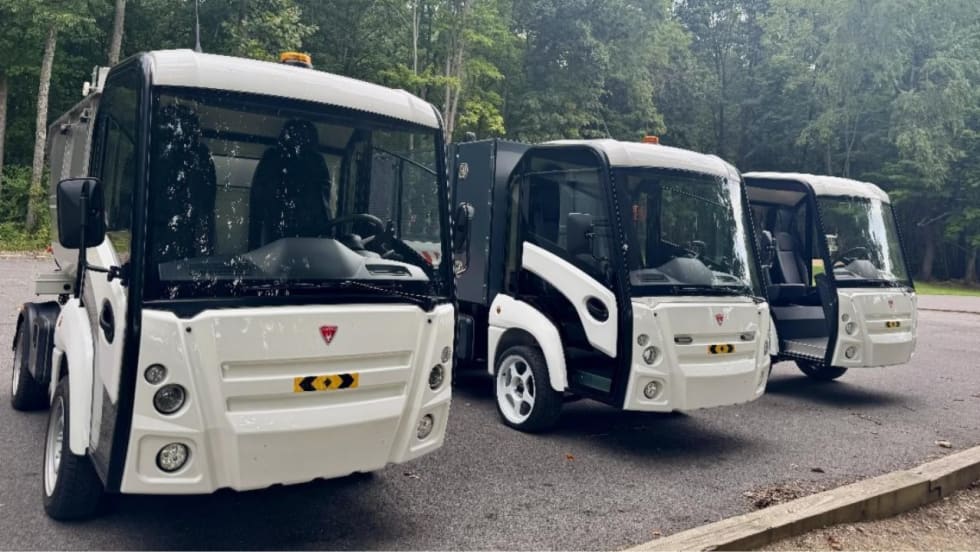
Narro Trucks Introduces Electric Utility Vehicle
Narro Trucks officially launched its operations on Aug. 20 and hosted a ride and drive to showcase its electric truck, which will be produced in Virginia.
Read More →
Samsung SDI Takes Full Control of GM Battery JV as Indiana Plant Pivots to Energy Storage
Samsung SDI is taking full control of its Indiana battery plant with GM, marking a major shift from the EV-focused joint venture Charged Fleet first covered in 2023.
Read More →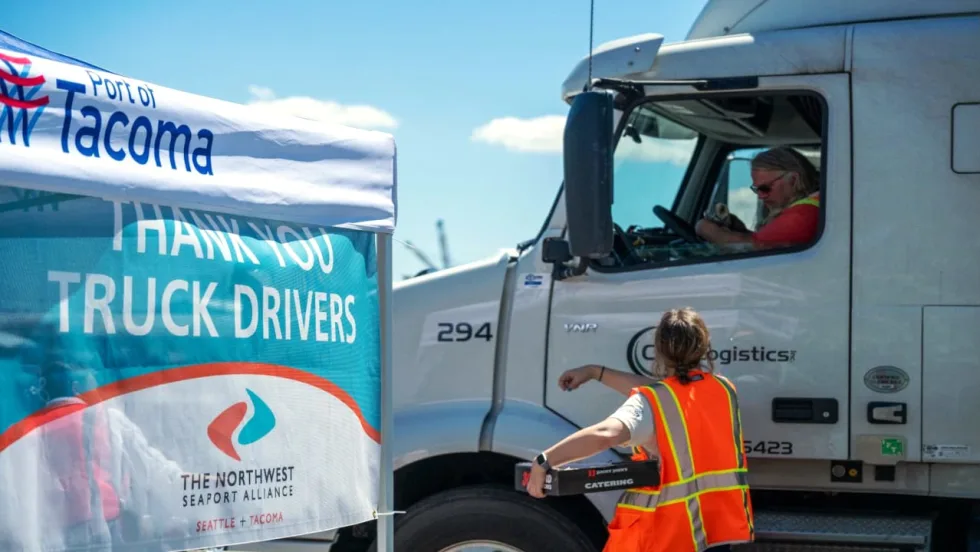
NWSA Taps CALSTART to Administer Zero-Emission Drayage Assistance Program
CALSTART will provide free technical assistance services to drayage fleets serving the Ports of Seattle and Tacoma and looking to transition to cleaner technologies and help decarbonize freight hubs.
Read More →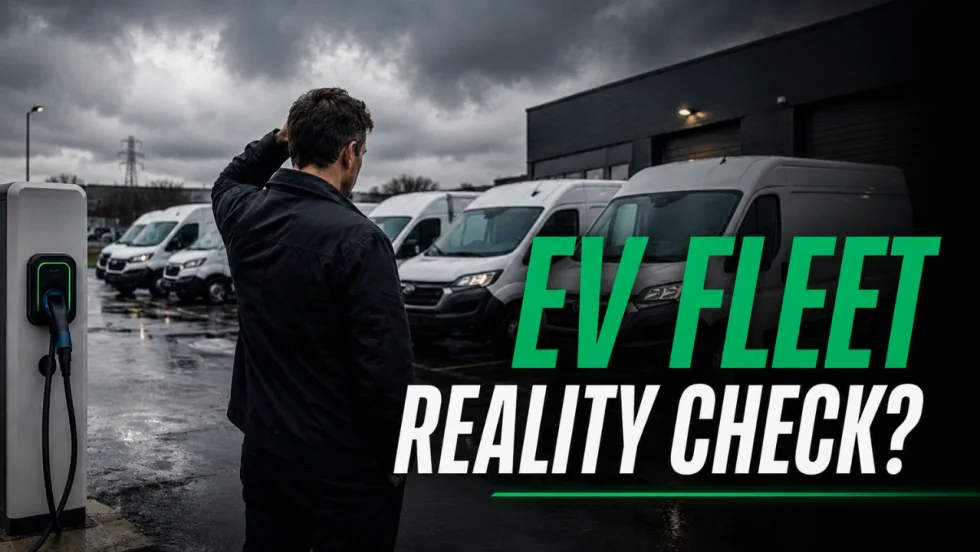
EV Fleet Reality Check: What Operators Wish They Knew Before Electrifying Their Work Vans
Electric work truck upfits bring new compatibility questions. Learn how parts availability, OEM guidance, power demands, and route planning can affect fleet performance.
Read More →
Peterbilt Expands Sourcewell Partnership with Electric Vehicle Lineup
Peterbilt Motors Company’s cooperative purchasing agreement with Sourcewell and its Canadian partner, Canoe Procurement Group, now includes including Peterbilt's battery-electric vehicle lineup.
Read More →