




Digging into Upfit Installation: No-Drill vs Full Install
Explore no-drill upfitting and consider other options where drilling has been significantly reduced. What are the advantages of no-drill installation, regular installation, and everything in between?

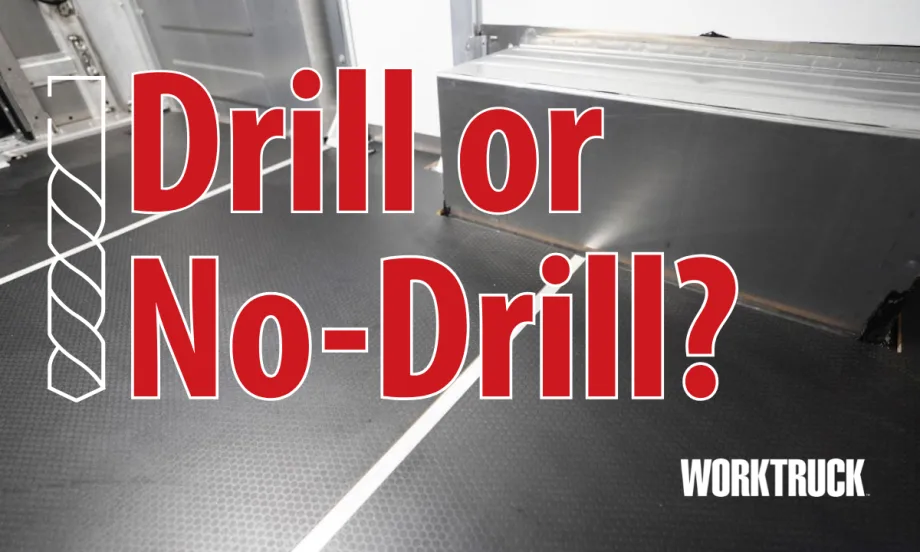
Ranger Design's E-Floor installs without drilling. Battery-electric vans require no-drill floor installation, but many upfitters are also choosing no-drill for ICE upfits.
Photo: Ranger Design/Work Truck
Along with the rise of battery-electric cargo vans has come the need for no-drill floor systems. While the battery-electric vehicles (BEVs) require a no-drill floor installation to avoid damaging the battery packs, some upfitters are adapting no-drill or less-drill concepts across a variety of vehicle types and classes as well.
It is easy to understand when OEMs and upfitters call something “no-drill,” but that leaves one wondering what the terminology is for the opposite end of the spectrum. However, there is no concrete answer. When it is not a no-drill install, it could be termed as nearly anything — full install, normal install, permanent install, or even simply an upfit.
“I don't really think there is a term for it. It's just a van upfit,” said Mike McTamney, marketing and product manager at American Van, a Clairence Technologies company.
What Makes an Upfit No-Drill?
“No-drill typically means no drilling into the vehicle anywhere,” said Melody Xinidakis, a product manager at Ranger Design. “You're not drilling anywhere into the vehicle. That could be into the floor, that could be into the B pillar, into the sides.”
“You're only picking up vehicle mounting points and holes that are already there. Really, you're not changing your vehicle as it comes from the OEM,” she added.
Xinidakis said that before electric vehicles gained popularity with fleets, you did hear a little bit about no-drill installs. However, she and others admit that the terminology and approach to upfitting have been driven by the increase in battery-electric commercial vans.
“I think it's a bit of a buzzword, but it's beyond a buzzword. It is a requirement for EVs,” said Brian Barber, vice president of sales and marketing at Sortimo.
At Ranger Design, it all starts with the no-drill floor installation of what the company calls its E-Floor. That creates a base platform, and other upfit components can be attached to the floor and secured using OEM attachment points. Sortimo begins in the same way, with a no-drill floor installation, and limits drilling for side attachment points, using OEM attachment points whenever possible.

Battery-electric vans, like the Chevrolet BrightDrop, do not permit drilling into the floor during the installation of upfits.
Photo: Ranger Design
Are drill-free floors used now in both BEV’s and internal combustion engine (ICE) cargo vans? Yes, they can be.
“Even before electric vehicles were really a thing. We already had demand for this. We already saw demand, not quite as much, but it's something because you're not damaging the vehicle,” Xinidakis explained.
For Sortimo, all floors are no-drill installation, even for ICE vehicles.
“Our floor is designed to attach to existing attachment points,” Barber said.
Keeping a van install truly no-drill means starting with the floor, but then also using OEM-provided anchor points. In the upfit world, there is a mix of no-drill, no-drill floor but drill as little as possible elsewhere, and regular bolt-in installs. But even in the case of the latter, less drilling is becoming more popular.
Pros: Benefits of No-Drill
So, what are the advantages of no-drill installation?
Preserving Value
First, not drilling holes in your fleet vehicle can help preserve the resale value.
“I say the biggest seller is, specially with our floor, is just maintaining the integrity of the vehicle and the residual value of the vehicle,” said Tim Tabor, a design engineer at Sortimo.
But past remarketing considerations, if the van is leased, a no-drill upfit can be removed and the vehicle returned at the end of the lease in better condition than if holes had been drilled by upfitters.
“If there are a whole bunch of holes drilled into it, that lowers the value of the vehicle. So, they are happy to have something that does not damage the vehicle,” Xinidakis explained. “It helps keep the value of the vehicle.”
“I think there's two trains of thought when it comes to the end of the life of that van. They can either sell that van with the equipment in it, or they can take the equipment out, like in our situation, and move that equipment to a new van and get a double life with that equipment,” said Barber. “All we need to do on our side of things is cut a new floor, depending on the van that they're moving that into.”
Easier Installation
Faster and easier installation and removal also make a no-drill install efficient.
Xindikas pointed out that a less-skilled workforce is needed for a no-drill installation, as it simply ties into existing OEM attachment points, making the process faster. There is no additional training required for the installers, and they do not need to know where to drill and where not to drill.
Plus, she said a no-drill upfit is safer to install. Of course, in the case of BEVs, there is a danger involved if someone drills into the battery, but no-drill also lessens the chance of damaging an ICE vehicle by drilling into wiring, the gas tank, or any no-drill zones by accident.
“You do still need to be careful where you're drilling and know where your wiring harnesses are, but it is a slightly lower risk,” she said.
But, the ease of installation and removal also makes no-drill upfits a prime match for fleets that may need to move upfits from one vehicle to another.
“It's much easier to do that with our product when you are utilizing our floor system and our bracket systems. We're using existing components and or existing holes and threaded positions along the pillars or the support braces,” Tabor said. “So, for taking it from one vehicle to another, it makes things a lot easier.”
For the most part, the no-drill floors are not only installed in BEVs. They will also fit ICE vehicles, and being able to cover both types of powertrains has benefits.
“It makes it easier,” Xinidakis pointed out. “You're always used to installing the same thing as an installer. You don't have to think, ‘Oh, this one's the electric one. I have to do it differently than the standard.’ It's just always the same thing. It makes it a lot easier.”
Less Corrosion Concerns
A no-drill install reduces the risk of corrosion; no metal is left exposed after drilling.
“Corrosion is a huge piece, especially when you're speaking of drilling inside the floor of the vehicle. As soon as you make that hole, it's exposing the vehicle more to the elements, whereas if you're drilling a hole in a B pillar, it's not the outside of the van. It's just a cavity that's in there as well,” Tabor explained.
At Sortimo, the approach is to start with a no-drill floor installation and then do as little drilling as necessary beyond that. The concept also extends upward with the other attachment points in a van.
“Some of the competition drill directly into the roof of the van, and they will use silicone sealant and so forth. So, when you take a ladder rack off some vans, that's probably not a good idea. It'll be raining in your van in a heartbeat,” Barber said.
Cons – Challenges of No-Drill
While there are advantages to no-drill upfits, some could argue that there are negatives as well.
Higher Costs
Among the cons, Xinidakis pointed out that you have to build the upfit on a no-drill floor and the initial price of the upfit likely will be higher.
However, there is a “but.”
“In my opinion, over the long term, it evens out just in the reduced install time, longevity of the vehicle, longevity of the product,” she said. “But there is some initial sticker shock and initial upfront cost.”
McTamney also pointed to the added cost.
“The cost could be higher because there could be specialty mounting systems,” McTamney said.
Can It Handle Heavy Loads?
“The market could be going that way because of these EVs that you can't drill into, especially the floor. But if you want that heavy-duty, long-lasting upfit, you're going to have to do some drilling somewhere,” McTamney said.
He said the American Van products are more geared toward long-term, heavy-duty use.
“So, there is drilling required in the walls and the floors, and everywhere that you may need that durability. Those shelving units are fully installed to carry heavy stuff,” McTamney added.
However, American Van has redesigned its bulkhead partition with a baseplate that does not require drilling into the floor, in either a BEV or ICE van.
“We still need to drill, but we reduced the drilling by 75% by using those factory mounting points. No more drilling into the floor, but you do need to do a little bit of drilling still. So, I wouldn't consider that a no-drill partition,” McTamney explained.
No-Drill: Other Vehicle Types
While most will think of no-drill upfits in connection with BEVs, even some larger vehicles like mechanic trucks offer something similar, but in a slightly different way.
The traditional method for installing items on top of the side pack of a mechanic truck involves drilling through the top, then placing sealed washers underneath and tightening everything down. Tim Worman, director of product management and inside sales at Stellar Industries, said that way has been the industry norm for about 40 years.
But, on Stellar’s TMAX aluminum bodies, that is no longer the case.
“I don't have to drill accessories anymore,” Worman added.
With the TMAX aluminum mechanic trucks, the side packs contain an extruded rail for mounting compressors, auxiliary power units, welders, hose reels, and any litany of things you want to mount up there, Worman said.
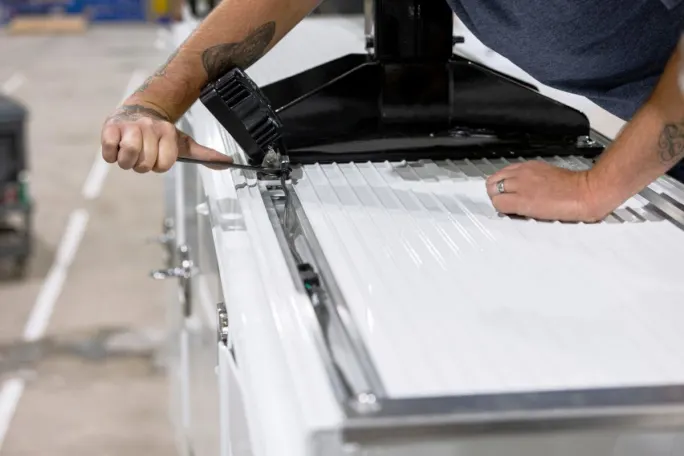
Stellar Industries’ aluminum TMAX mechanic trucks feature a mounting rail on top of the side packs.
Photo: Stellar Industries
“There are clamps that slide in, and then you get your clamp force, and it holds in place. It's still bolted down, considered permanent, but I didn't have to drill through the top, giving an opportunity to introduce moisture into the compartments,” Worman added.
One could argue that Stellar also has a somewhat no-drill upfit in a different way, as its trucks can be equipped with a lube skid that can be placed in the bed of a mechanic truck as needed. It is temporarily secured to existing points and can be easily removed.
However, beyond those two examples, drilling is required to create a mechanic truck, and everything must be securely bolted to the vehicle's frame, explained Worman.
But then there is also a no-drill trend in smaller trucks, such as pickups.
Take Ranger Designs and its Trazer Utility System as an example. There is no drilling involved, and it’s basically modular, easy to install, and easy to remove.
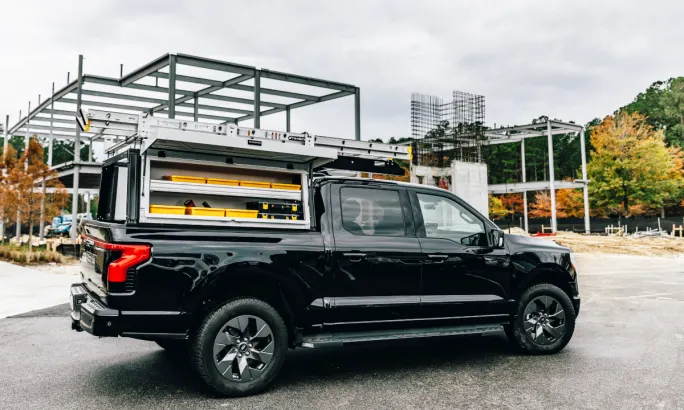
The Trazer Utility System, by Ranger Design, mounts on trucks without drilling and provides modular upfitting.
Photo: Ranger Design
No-Drill, Less-Drill, Here to Stay?
While the no-drill terminology is being driven by BEVs, and in particular cargo van upfits, the bigger picture is that upfitters are finding inventive ways to reduce drilling in vehicles. Whether using OEM attachment points or finding creative ways to anchor rail systems and other components, drilling fewer holes into a vehicle is always good.
While it may be about preserving the vehicle’s value and preventing corrosion, in the fleet world, one of the key drivers is efficiency.
Ultimately, easier installation saves both time and money, and reduces downtime.
More Upfitting
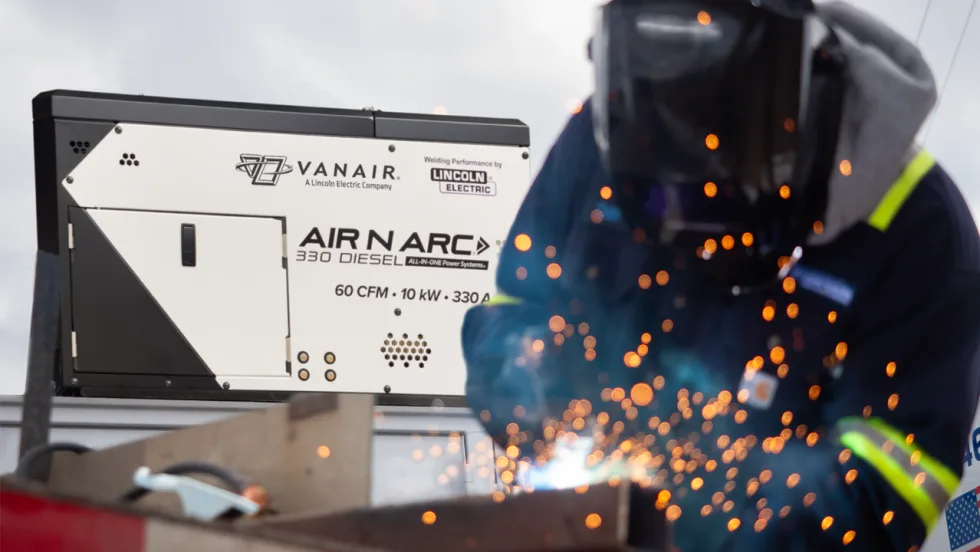
Multitasking: Vanair’s Air N Arc 330 Diesel 60 CFM All-In-One Power System
The Air N Arc 330 Diesel 60 CFM from Vanair consolidates a welder, generator, rotary screw air compressor, battery booster, battery charger, and EV charger into a single 750-pound enclosure driven by one 24.8-horsepower Kubota diesel engine.
Read More →
Buyers Products Awarded Sourcewell Cooperative Purchasing Contract for Snow & Ice Equipment
Buyers Products has been awarded a Sourcewell contract for a wide range of winter maintenance equipment and accessories, including snowplows, municipal plow systems, wing plows, spreaders, and more.
Read More →
Hilltip Introduces the SnowStriker SFT Flex Expandable Box Plow
Hilltip’s new SnowStriker SFT Flex expandable box plow features hydraulically extendable sections that allow operators to adapt the clearing width to changing conditions and applications on the go.
Read More →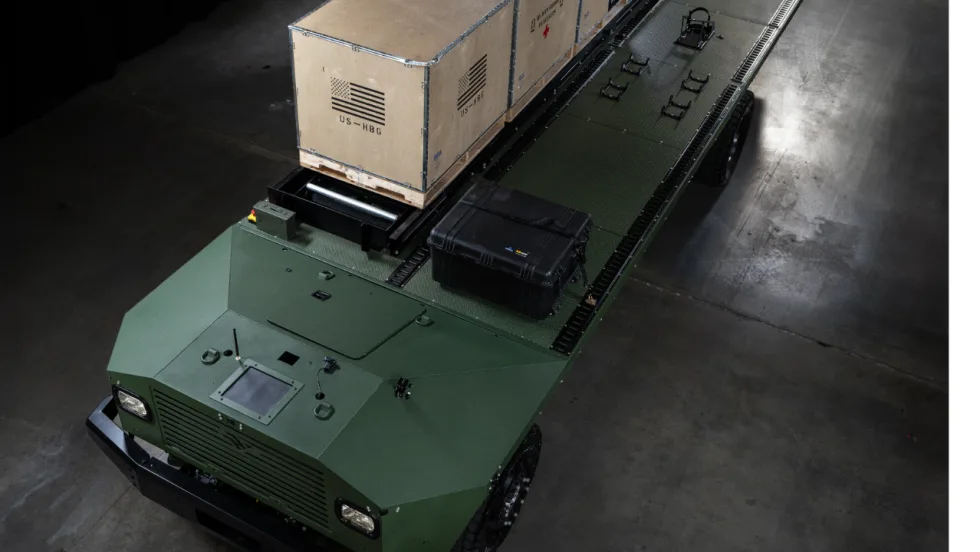
Harbinger Part of Effort to Deliver Autonomous Logistics Capabilities for U.S. Army
American Rheinmetall received an 18-month U.S. Army contract to deliver autonomous, hybrid-powered uncrewed ground vehicles. Harbinger is providing the truck platform for those vehicles.
Read More →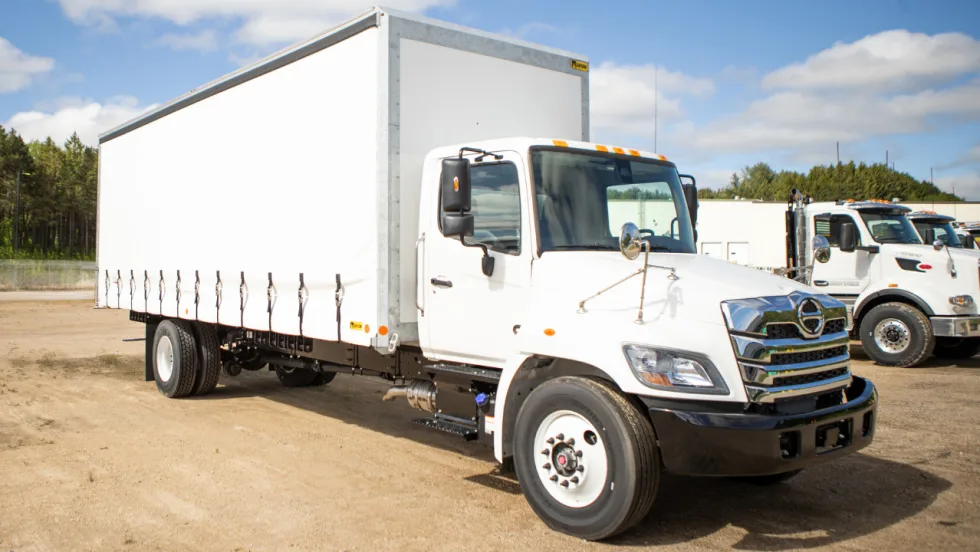
Thinking Outside of the Box: Choosing the Right Truck Body for Your Fleet
Choosing the right truck body can have a major impact on loading efficiency, cargo protection, downtime, and long-term operating costs. Here’s how dry vans, platforms, and curtainsiders compare, plus what fleets should consider before spec’ing their next truck.
Read More →
Fourth Annual Upfit Package of the Year Awards Open for 2027 Entries: One Month Left!
Think your upfit deserves industry recognition? Enter the 2027 Work Truck Upfit Package of the Year Awards before the Sept. 30 deadline. There is less than a month left to get your submissions in!
Read More →
Reading Truck Equipment & Masterack Unite as One of North America's Largest Commercial Vehicle Upfit Networks
Reading Truck Equipment and Masterack have integrated operations to create one of North America's largest and most comprehensive commercial vehicle upfit organizations.
Read More →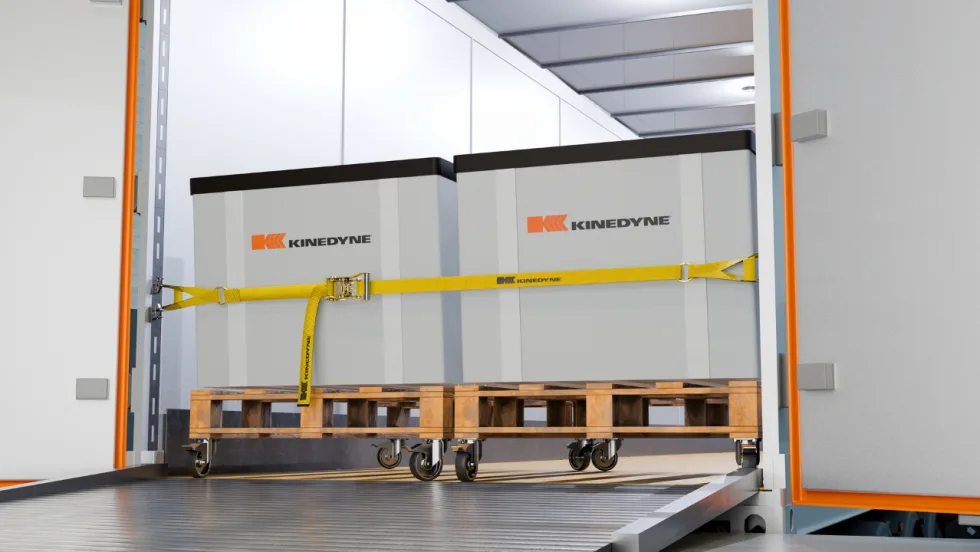
Kinedyne Launches Heavy Duty Logistic Shoring Strap
Kinedyne’s new Heavy Duty Logistic Shoring Strap features a patent-pending four-point design to deliver greater cargo stability, increased strength, and easier handling for rolling and shifting freight.
Read More →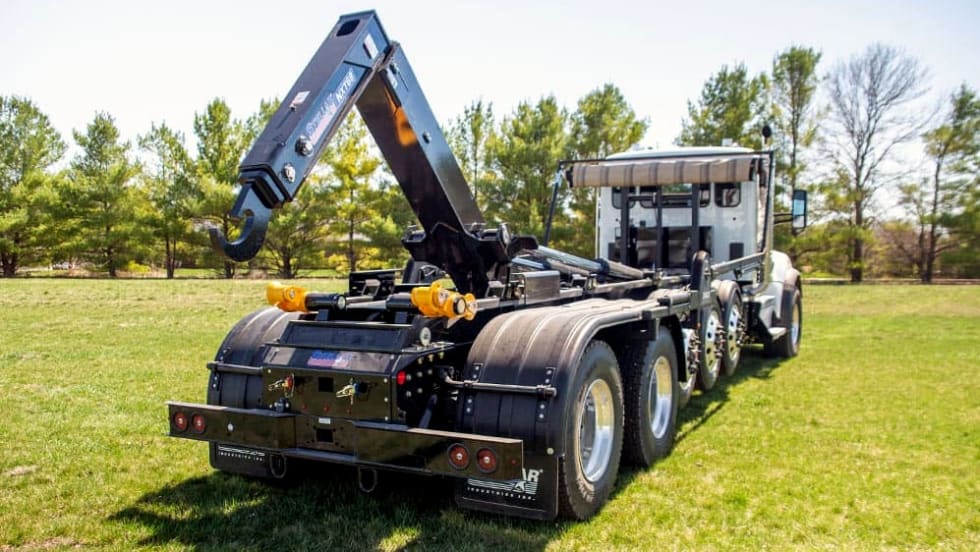
Hooklift Bumper Design from Stellar Showcases Strength & Versatility
Stellar Industries’ new bumper for the NZT Series Hooklifts come in two capacity options: the 20K, designed for Class 3 – 6 chassis with a 20,000-pound pull capacity, and the 90K, built for Class 7 and 8 chassis with a 90,000-pound pull capacity.
Read More →
Maxon Lift Awarded the Wabash Platinum Award for Supply Chain Performance
Maxon Lift, a liftgate manufacturer since 1957, received the Wabash Platinum Award for supply chain performance in 2025. Each year, Wabash presents awards to top suppliers for excellence in supply chain performance.
Read More →