




Bright Ideas Energize Fleet Management
From acquisition to remarketing, a compilation of best ideas in managing successful, cost-effective, and efficient fleets is presented.
Where else but on the front line of fleet management are found the brightest ideas in cost-effectively and efficiently managing the often-critical corporate assets of company vehicles? Gathered in this article are some of the best practices fleet professionals and experts have shared with Automotive Fleet.
Many good solutions can be applied overall to commercial fleet management. However, others may need refining to fit an individual fleet’s specific operations and its company’s corporate culture, business style, and organization.
VEHICLE ACQUISITION
◗ Closely match vehicle to function, geography, and employee classification.
◗ Be well informed and prepared before meeting with manufacturer reps. Supply actual data, rather than guessing or providing misleading information.
◗ Establish a bailment pool in truck fleets that have moderate to major upfitting to shorten downtime caused by longer or uncertain order-to-delivery time.
◗ Track vehicle mileage and condition carefully to aid in replacement scheduling.
◗ To avoid out-of-stock purchases, use long-term rentals or pool cars to accommodate drivers who need a vehicle outside replacement ordering.
DEPRECIATION MANAGEMENT
◗ Utilize total lifecyle management to accurately depreciate vehicles, turning them in at peak of lifecycle for resale.
◗ Depreciate each vehicle individually, using an internal system that groups fleet vehicles according to mileage categories. With monthly reports and by monitoring individual driver mileage, determine which vehicles are out of sequence and adjust lease terms mid-lifecycle.
◗ Implement driver-targeted programs to promote good vehicle maintenance.
REMARKETING
◗ Remarket in a timely manner, even before a vehicle comes out of service, use the right multiple venues in which to remarket, have the vehicles in presentable, reconditioned shape, and always tell the accurate story about a vehicle’s history and condition.
◗ Monitor vehicle cost cycles and dispose of vehicles just prior to a cost cycle spike.
◗ Develop and implement an employee sales program. Create an easy-to-use online program to facilitate sales, with adjunct services such as financing or transport when possible. Price vehicles at an attractive level, between wholesale and fair market value. Promote the program vigorously through as many communications venues as possible — internal channels, e-mails, brochures/posters in offices throughout the company, links on Intranet, or closed-circuit TV announcements. Most fleet management and leasing companies have customizable employee sales programs.
◗ Continuously monitor market/remarketing trends for optimum fleet vehicle disposal. Review historical auction data to determine the key point to sell a particular vehicle model.
◗ In a truck fleet, track vehicle utilization, based on time and mileage, and suggest shifting trucks between drivers to maximize life expectancies.
◗ Align with a remarketing group that examines all factors, including photos, condition reports, and the best remarketing venue.
ACCIDENT/RISK MANAGEMENT
◗ Institute fleet policy that details unacceptable driver behavior, e.g., speeding citations, at-fault crashes, DUI convictions, etc. Include such issues as seat belt use, cell phone or other electronic device usage while driving, hours-of-service logs for truck fleets, driving education, and training programs. Outline and enforce consequences to policy violations.
◗ Develop a proactive risk management program that identifies high-risk drivers, tracks driver behaviors, and provides safe driving training and education.
◗ Secure senior management approval and involvement in the policy and program.
◗ Require MVR checks of drivers and authorized spouse/family members during hiring procedures and regularly throughout driver’s employment.
◗ Encourage, recognize, and reinforce appropriate safe driving behaviors with rewards/incentives. Publicize results and awards. Consider an incentive program that offers the chance to remove points for voluntary behind-the-wheel training.
◗ In managing crash incidents, be prepared. Establish and enforce a crash reporting and investigation process. Company policy should clearly guide drivers through their responsibilities after a crash.
◗ Establish an accident review committee/commission. All crashes should be reviewed to determine cause, fault, and preventability, and steps to take to avoid similar crashes in the future.
◗ Instruct drivers in after-crash responsibilities. Document the accident with a disposable camera carried in the vehicle. Record in writing all pertinent information concerning the incident, including parties involved, date, time, driving conditions, on-scene police information, and a diagram of the scene.
◗ Quickly submit the accident form and any police reports or information to the insurance provider or adjuster, allowing adjusters to start investigating what happened while facts are fresh in the minds of everyone involved.
◗ In managing collision costs, carefully set a repair authorization limit — many fleets use $2,000 — above which repairs must be specifically approved. Allow flexibility to lower the limit on vehicles close to the end of their replacement cycle.
◗ Use a pre-approved body shop to expedite the claims process.
◗ Benchmark accident management programs with such metrics as average dollars per repair, average repair turnaround time, and average rental days per collision claim. Subrogation efforts can be measured via metrics on dollars actually recovered per claim.
◗ Create close relationships between the accident repair team and parties responsible for determining the selector to accommodate safety concerns.
◗ Consider a multi-shop network for repairs. This vendor resource is generally lower in price and offers shorter repair time, decreasing vehicle rental costs.
MAINTENANCE MANAGEMENT
◗ Diligently enforce compliance violations. Use an online system to keep drivers, managers, and techs current with the type and timing of required servicing and to coordinate servicing to opportune times.
◗ Incentivize driver compliance to maintenance schedules with a dollar-value upgrade on new vehicle; the incentive amount increases with successive leases and compliance.
◗ Centralize the PM program using an in-house system, or outsource, when the fleet is operated over branch, regional, or disparate business unit locations.
◗ Consider extending scope of service inspections. Regular servicing includes going beyond the immediate PM tasks to look at the vehicle’s history of fluids, tires, etc., in planning ahead for tire or parts replacement and avoiding unscheduled servicing.
FUEL MANAGEMENT
◗ Modify the selector to carefully right-size vehicles to functions.
◗ Switch to four-cylinder models whenever possible. Establish minimum mpg requirements for selector vehicles.
◗ Utilize the increasingly sophisticated array of telematics technologies to measure fuel consumption and fleet utilization, monitor vehicle performance, track vehicle location, and design efficient routing.
◗ Change driver behavior. Develop a fuel conservation program that promotes fuel-efficient driving habits. Drivers can have up to a 35-percent impact on fuel economy.
◗ Adjust personal use fees.
◗ Scrutinize exception reports and diligently enforce fuel policy.
◗ Implement idle reduction programs.
◗ Monitor unauthorized company vehicle use.
◗ Ensure vehicles are in peak operating condition.
◗ Use a national/regional fuel card program to control costs and monitor mileage, purchases, and maintenance requirements.
◗ Use a fuel-only card to reduce fraud and non-fuel related purchases and gain control of total fuel spend.
◗ Benchmark the reduction program.
◗ Develop an in-house team to reduce fuel costs by examining fuel transactions and identifying underused vehicles.
◗ When applicable, consider utilizing a propane or natural gas conversion kit to power vehicles with alt-fuels.
DRIVER PRODUCTIVITY
◗ Create a paperless fleet environment with online mileage reporting and new-vehicle order forms, policies, procedures, safe and fuel-efficient driver education, FAQ answers, etc.
◗ Use a driver survey tool to evaluate fleet operations on specific issues and an annual overall evaluation on such topics as fleet processes, use of maintenance and fuel card programs, vehicle selector input, etc.
◗ Implement a Web-based automated motor pool reservation system to save time and money.
PROCESS MANAGEMENT
◗ Plan and manage fleet capital spend.
◗ Develop internal partnerships with stakeholders (sourcing, HR, legal, etc.) to promote support and buy-in on fleet operations.
◗ Stay current with emerging technologies to identify those applicable to improving efficiencies and reducing costs.
◗ Centralize and standardize operations.
◗ Dashboard programs provide a valuable monitoring tool, particularly in multifacility operations. Create tiered access to increasingly larger data views according to management level. The program can help pinpoint above-average maintenance costs and identify underutilized vehicles.
◗ Utilize electronic data interchange (EDI) to streamline bill receipt and payment in one consolidated invoice. Greater timeliness is created with streamlining process, which can lead to negotiating better terms with vendors.
FLEET POLICY
◗ Develop a clearly defined, comprehensive fleet policy and review regularly to update. Policy covers personal use, safety, eligibility, replacement guidelines, fuel card use, accident procedures, etc. Clearly outline consequences of noncompliance.
◗ Publish policy on the company’s Intranet and provide drivers a print version for in-vehicle access.
◗ To enhance compliance, educate supervisors and drivers on intent and justification of policy changes.
◗ Contact new hires personally and review policy. Require new hires complete an online policy test with a passing grade of 90 percent.
SUSTAINABILITY
◗ Evaluate fleet composition, utilization, and right-sizing.
◗ Use lifecycle costing to determine which “green” vehicle/technology works best for a particular fleet.
◗ Establish benchmarks to track fuel/emission improvements.
◗ Consider carbon-offset programs as part of an overall corporate sustainability initiative.
OTHER IDEAS
◗ Maintain good relationships with vendors and suppliers. They are a source of new product information and industry trends.
◗ Keep informed. Stay current with industry trends, developments, and events in the greater business/legislative arenas that can impact the corporation’s well-being.
◗ Attend industry group/association meetings, become an active member.
Originally posted on Automotive Fleet
More Safety
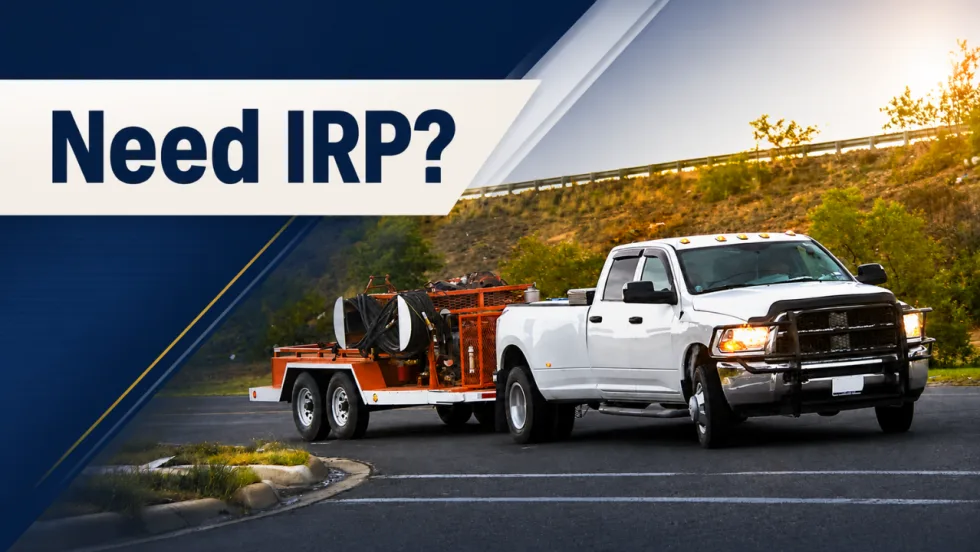
When Work Trucks Under 26,001 Pounds Need IRP Registration
Think trucks under 26,001 pounds are automatically in the clear when it comes to IRP? Not always. Learn where lighter vehicles can still run into trip permit, apportioned registration, and IFTA compliance requirements when crossing state or provincial lines.
Read More →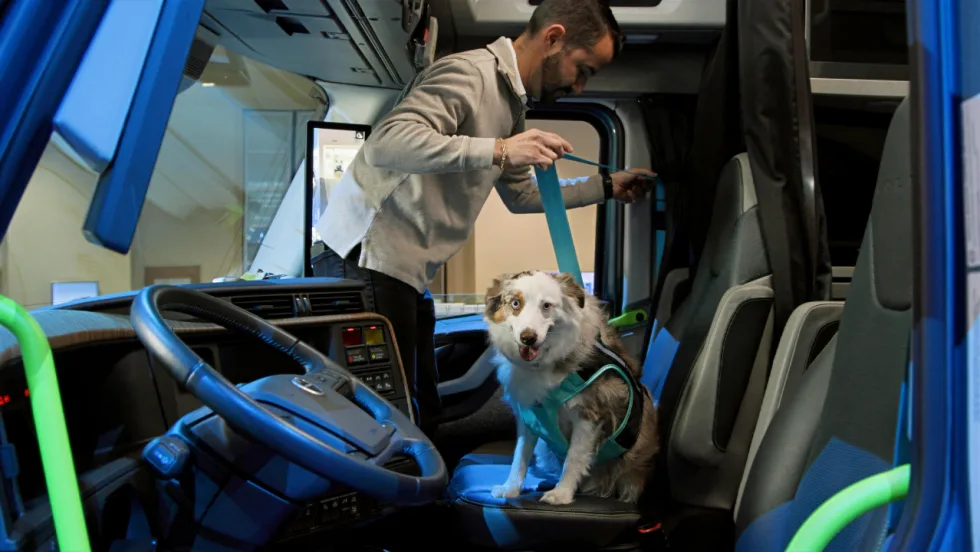
Volvo Trucks Releases New Safety Recommendations for Traveling with Pets
One of the most important recommendations for professional drivers traveling with pets is to ensure pets are properly restrained while the truck is moving. Other tips are available in the new guide from Volvo Trucks North America and Center for Pet Safety.
Read More →
API Issues Refueling Safety Guidelines
The American Petroleum Institute offers a list of safe vehicle refueling guidelines, including ways to avoid potential problems with static electricity discharges in fall, winter, and early spring.
Read More →
Winter Fleet Prep: Expert Tips to Keep Vehicles Running Smoothly
Cold weather can expose weak batteries, tires, fuel systems, and maintenance gaps fast. Use this winter fleet checklist to prepare trucks and drivers before temperatures drop.
Read More →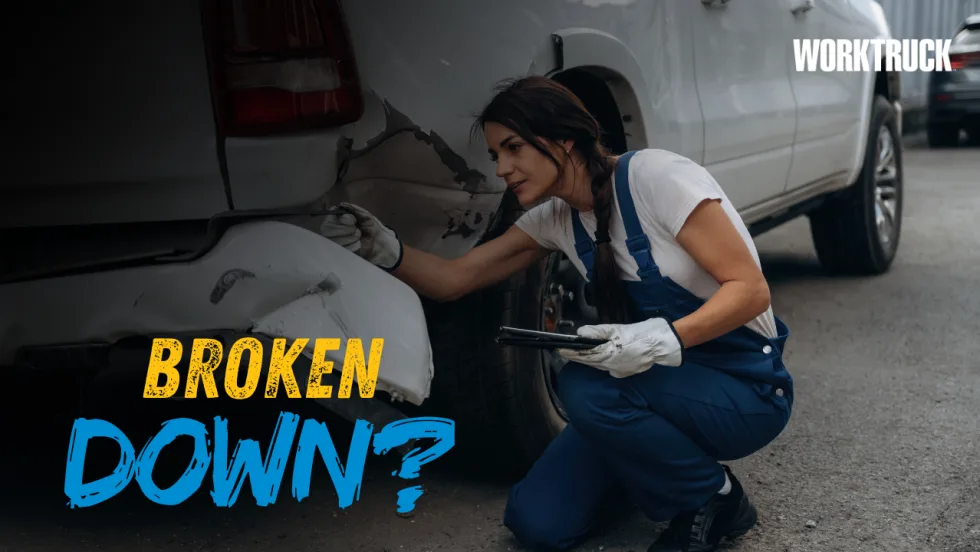
When a Work Truck Breaks Down, the Job Can Stop, Too
A work truck breakdown can stop more than the vehicle. Discover how payloads, jobsites, and specialty equipment change the roadside response.
Read More →
What Stronger Long-Term Fleet Service Partnerships Actually Require
Fleet service partnerships rarely fall apart all at once. Learn the three warning signs that trust is eroding and what fleets and providers can do before downtime, frustration, and lost revenue follow.
Read More →
Applause & TRUCE Software Partner to Improve Driver Safety Through AI-Powered Telematics & Employee Performance Management
Applause has integrated TRUCE driving metrics directly into its employee-first performance and safety platform that transforms mobile devices into AI-powered telematics.
Read More →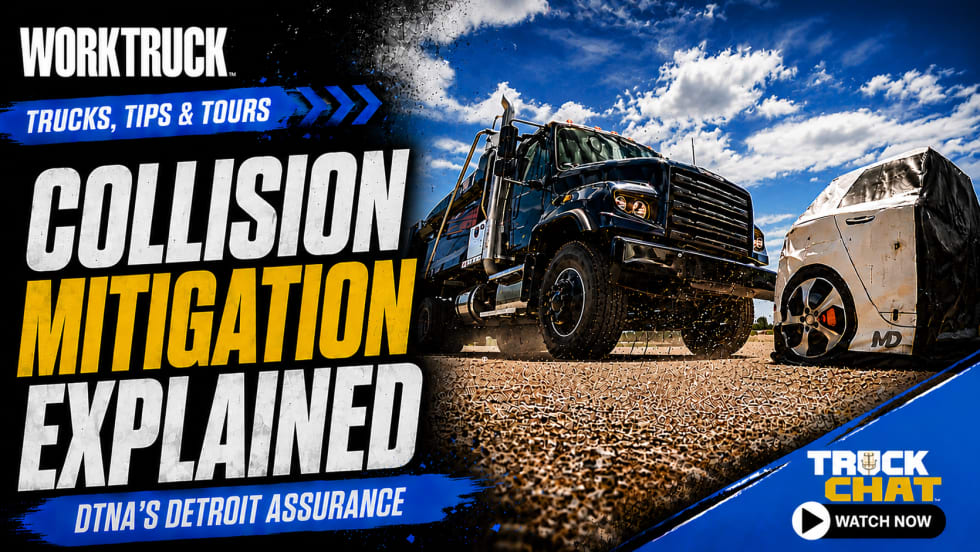
How Detroit Assurance with Active Brake Assist Works
Do you want to see what it is like to experience Detroit Assurance’s Active Brake Assist? In this video, Work Truck will put you in the cab to see how it all works and then hear more details from DTNA’s Mike Young.
Read More →
Get Left of Loss: A 5-Step Workplace Violence Prevention Framework for Fleet Operators
Violence risks do not stop at the driver’s door. Learn five practical steps fleets can take to spot threats early and protect workers before loss occurs.
Read More →
How Better Visibility Cut Speeding Violations by 48%
Fleet leaders don't need more data, they need clearer visibility into what the data is saying. This case study explores how one utility replaced speeding-event counts with a single metric — miles driven in violation — to strengthen safety and significantly reduce speeding violations.
Read More →